Disclosure: Some links in this guide are affiliate links. If you book or buy through them, we may earn a small commission at no extra cost to you — it helps keep our guides free.
Best Time To Visit Ho Chi Minh City: Month-by-Month Guide
Quick answer: The best time to visit Ho Chi Minh City is the dry season from December to April, when humidity eases and rain is rare, making it ideal for sightseeing and day trips. December and January bring the most comfortable weather but the steepest prices, while the wet season (May to November) trades short afternoon downpours for hotel discounts of up to 25 percent. Skip the Tet holiday (late January or February) unless you specifically want the festival atmosphere and can book months ahead.
Ho Chi Minh City is a year-round destination, but the month you choose makes a real difference in comfort, cost, and what you can actually do. We cover every month, the wet vs. dry season trade-offs, major festivals, and the price windows that matter most to budget-conscious travelers.
Key Takeaways
- The dry season (December to April) delivers the most reliable weather, with humidity averaging 65% and temperatures around 27-32C (Vietnam National Administration of Tourism, 2024).
- Hotel rates during Tet (late January or February) spike 30-50% above average (Agoda Price Tracker, 2025).
- The wet season (May to November) brings afternoon downpours but drops mid-range hotel prices by up to 25% (Booking.com Seasonal Report, 2024).
- Klook tour bookings for Cu Chi Tunnels and Mekong Delta peak in December and January — book at least 72 hours ahead.
- An Airalo Vietnam eSIM ($4.50 for 1 GB/7 days) is cheaper than airport SIM cards and activates before landing.
Why Timing Your Visit to Ho Chi Minh City Matters
Related: things to do in Ho Chi Minh City.
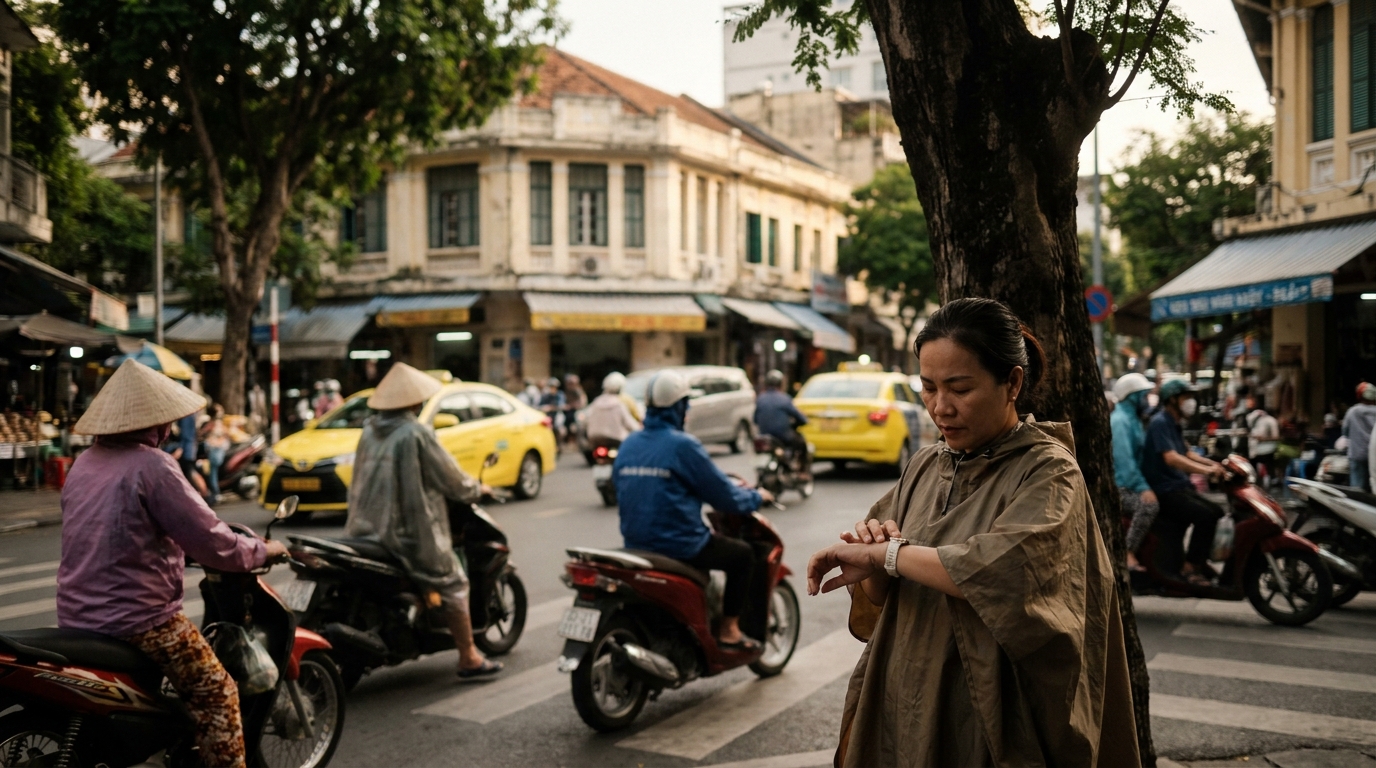
Ho Chi Minh City sits just 10 degrees north of the equator, so heat is constant — but rainfall patterns shift dramatically between seasons. The dry season from December through April gives travelers blue-sky mornings and manageable afternoon temperatures of 30-33C, while the wet season from May to November brings daily rain that usually lasts 1-3 hours before clearing.
Choosing the wrong window means either paying peak prices or packing an umbrella for every outdoor tour.
The city’s two-season climate is simpler than northern Vietnam’s four-season cycle, but that simplicity hides real variation. February and March are the sweet spot for comfortable sightseeing, while September and October see the heaviest rainfall — averaging 290 mm in October alone (Vietnam Meteorological and Hydrological Administration, 2024).
Understanding these patterns helps you book tours through platforms like Klook at the right time and secure better hotel rates on Booking.com or Agoda.
Month-by-Month Weather Breakdown
Related: Ho Chi Minh City packing list.
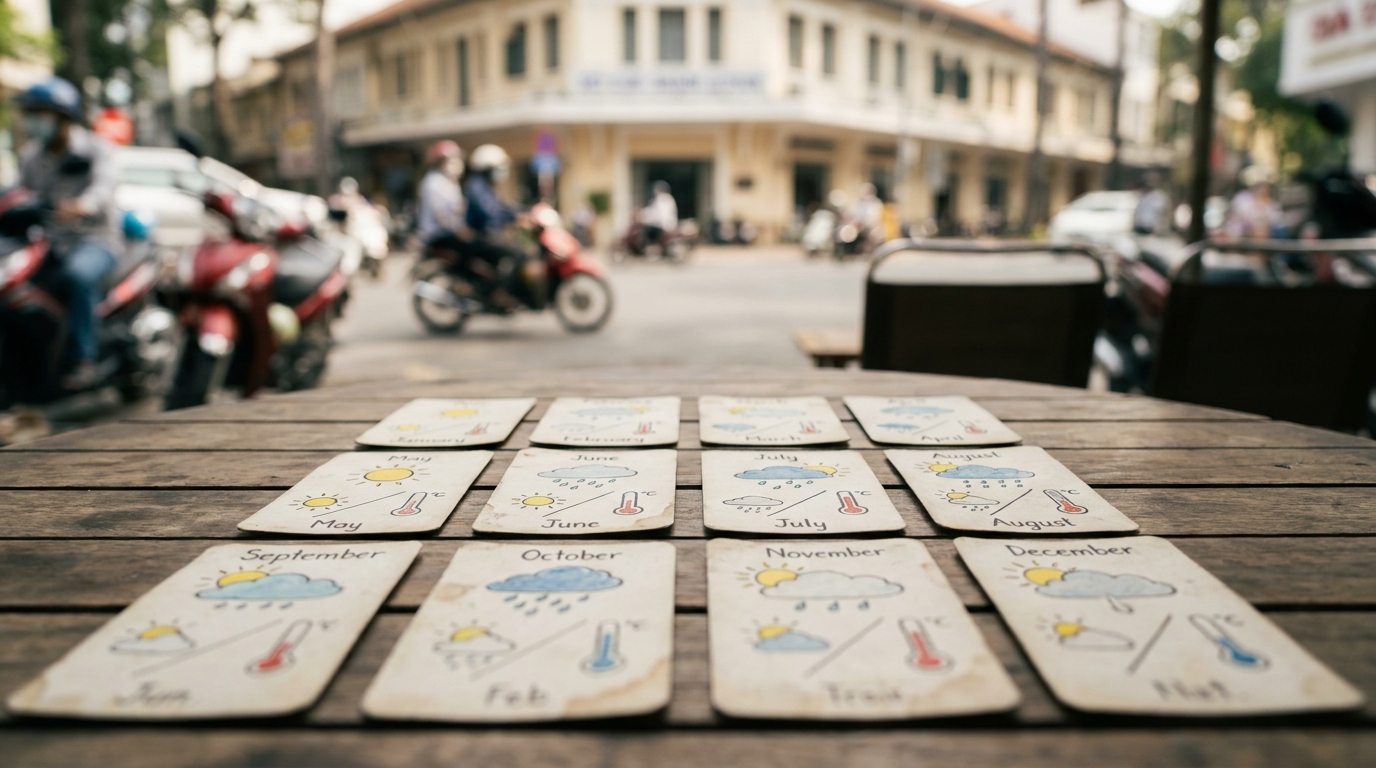
Every month in Ho Chi Minh City has a distinct weather personality, and knowing them helps you pack right and plan smarter. Below is a practical month-by-month reference for temperature, rainfall, and overall comfort level.
| Month | Avg Temp (C) | Rainfall (mm) | Humidity (%) | Crowd Level |
|---|---|---|---|---|
| January | 28 | 15 | 65 | High |
| February | 29 | 5 | 62 | Very High (Tet) |
| March | 30 | 12 | 63 | High |
| April | 32 | 45 | 68 | Medium |
| May | 31 | 220 | 78 | Low |
| June | 30 | 280 | 82 | Low |
| July | 30 | 260 | 82 | Medium |
| August | 29 | 270 | 83 | Medium |
| September | 29 | 290 | 85 | Low |
| October | 28 | 290 | 86 | Low |
| November | 28 | 110 | 78 | Medium |
| December | 27 | 30 | 68 | High |
Source: Vietnam Meteorological and Hydrological Administration, 2024.
The Dry Season (December to April): Peak Comfort, Peak Prices
Related: best food in Ho Chi Minh City.
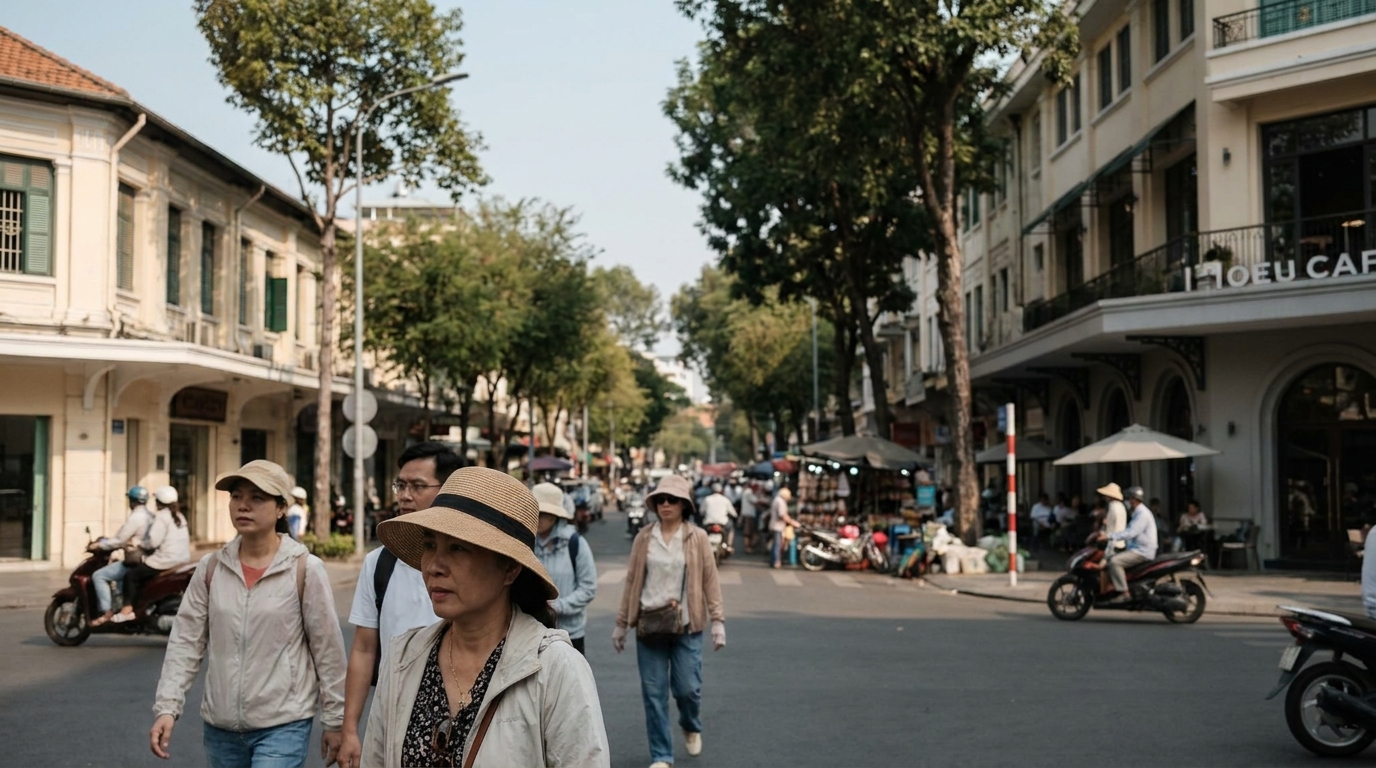
December through April is the best time to visit Ho Chi Minh City if weather is your top priority, but expect higher hotel rates and fully booked popular tours. Rainfall drops below 50 mm per month from December to March, making outdoor activities from the Ben Thanh Market to rooftop bars genuinely enjoyable. A mid-range hotel in District 1 averages $55-80/night during this window (Agoda, 2025).
January and February are the most popular months. International arrivals hit 1.2 million in the two months combined (Vietnam National Administration of Tourism, 2024). Tet — Vietnamese Lunar New Year — falls in late January or early February and transforms the city with street decorations and flower markets, but also closes many local restaurants for 3-5 days.
March and April transition toward the hot season. March is arguably the ideal balance — lower crowds than January/February, minimal rain, and temperatures that stay under 32C in the morning. April gets noticeably hotter and humidity creeps up as the rainy season approaches, but hotel rates start softening after the Easter holiday period ends.
The Wet Season (May to November): Budget Wins With Trade-offs
Related: hidden gems in Ho Chi Minh City.
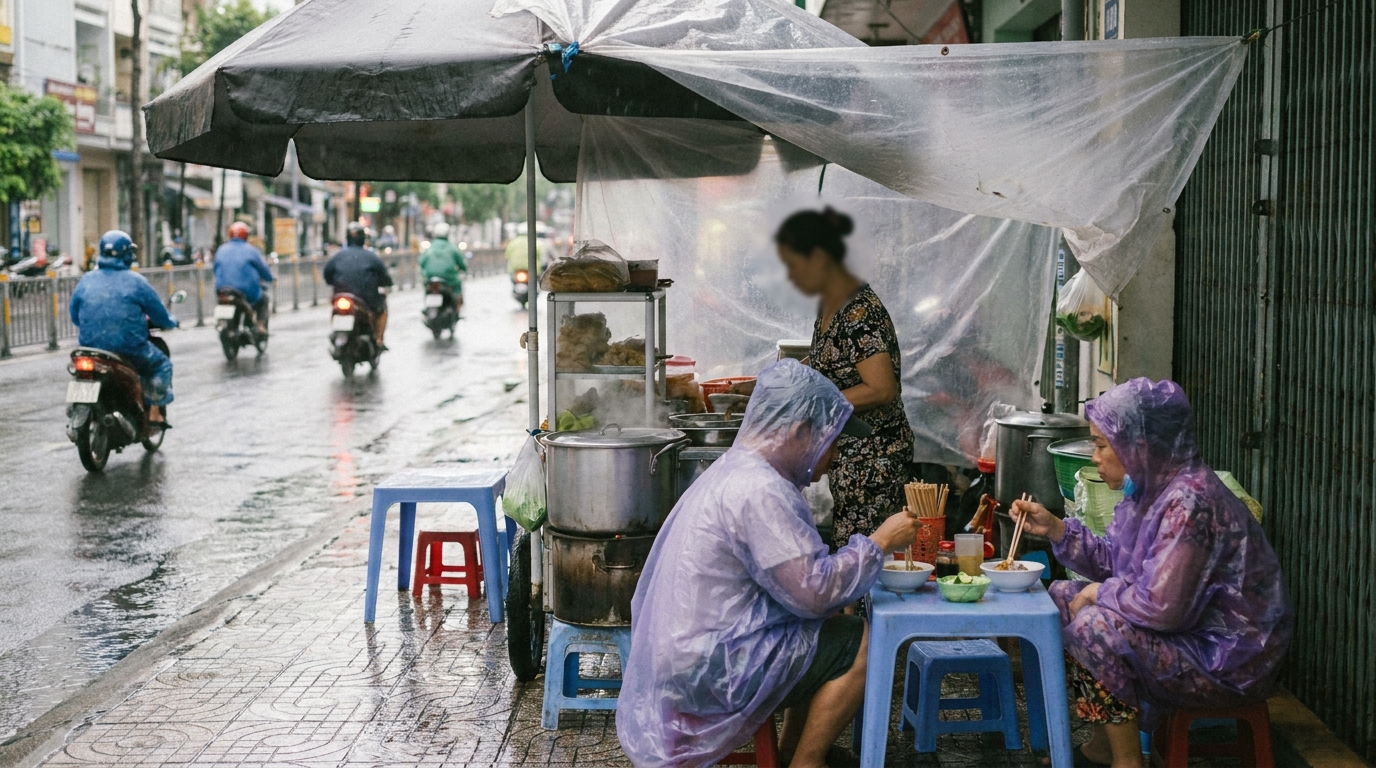
May through October brings daily rain but real savings for flexible travelers willing to work around the showers. Mid-range hotel rates on Booking.com drop 20-25% in June and September, and tour operators frequently discount same-day bookings. Rain typically arrives in the afternoon between 2-5 PM, so scheduling morning sightseeing and indoor activities for the afternoon is a straightforward workaround.
June, July, and August benefit from Vietnamese school holidays, which push domestic tourism up even as international arrivals fall. This creates an interesting dynamic: the city feels lively and local, with street food festivals and evening markets, even though fewer foreign tourists are present.
The War Remnants Museum and Notre-Dame Cathedral Basilica are comfortable to visit in air-conditioned indoor time during the heavy afternoon rains. Budget travelers staying in District 3 or Pham Ngu Lao guesthouses can find solid rooms for $18-30/night during June-August (Agoda, 2025).
September and October see the heaviest rain of the year — up to 290 mm per month — and occasional street flooding in low-lying districts. These months offer the lowest hotel prices and the fewest crowds at popular spots like Bui Vien Walking Street, but some outdoor Mekong Delta tours operate on modified itineraries due to water levels.
November is a transition month: rain decreases significantly, temperatures cool slightly, and hotel prices begin climbing toward the December peak.
Major Events and Festivals That Shape Travel Dates
Related: best beaches in Ho Chi Minh City.
Ho Chi Minh City’s festival calendar adds another layer to timing decisions, influencing both the atmosphere and logistics significantly. Tet is the single largest event and deserves special planning.
Tet (Lunar New Year, January or February): The city decorates Nguyen Hue Walking Street with massive flower displays and light installations. Hotel prices surge 30-50%, flights sell out weeks ahead, and local businesses close for 3-7 days. Visiting during Tet is a unique cultural experience, but requires booking infrastructure 2-3 months in advance and accepting that street food will be limited.
Ho Chi Minh City Marathon (January): The annual marathon draws 10,000+ runners and briefly affects traffic around District 1 (Ho Chi Minh City Marathon, 2025). Hotels near the start line at the Municipal Theatre book quickly.
Reunification Day (April 30) and International Labor Day (May 1): A four-day holiday long weekend that generates strong domestic travel. Hotel rates in District 1 increase 15-20% and popular restaurants fill up. Book early if visiting in late April.
Mid-Autumn Festival (September or October): Lantern displays appear in Chinatown (Cho Lon) and around Ben Thanh Market, making this one of the most photogenic times despite the heavy rain. The event is family-oriented and gives a different dimension to the city’s character.
Find your Ho Chi Minh City hotel on the map
Live prices from Booking & Airbnb — tap a pin to compare stays around District 1 and beyond.
How to Get Around and Stay Connected
Related: getting to Ho Chi Minh City.
Getting around Ho Chi Minh City efficiently requires a data connection — Grab (the regional ride-hailing app) is the default way to move between districts, and it requires mobile data to function. We consistently recommend picking up an Airalo Vietnam eSIM before departure: a 1 GB/7-day plan costs $4.50, activates before you land, and avoids the airport SIM card queues that can take 20-30 minutes after arrival.
For day trips, Klook offers reliable Cu Chi Tunnels half-day tours from $22/person and Mekong Delta full-day trips from $35/person including transport and lunch. Booking in advance through Klook also provides English-speaking guides and fixed departure times, which matters when you’re working around wet-season afternoon showers. See our full guide to day trips from Ho Chi Minh City for additional options.
Where to Stay and When to Book
Related: Bali travel guide.
District 1 is the most convenient base for first-time visitors — central to major sights, restaurant-dense, and well-served by Grab. For budget travelers, Pham Ngu Lao in District 1 has hostels from $10/night and guesthouses from $20/night. Mid-range travelers should look at District 3 and Binh Thanh for better value at $45-65/night.
Luxury properties like the Caravelle Saigon and Park Hyatt Saigon sit at $180-350/night during peak season (December to March).
We search Agoda first for boutique and local properties, then Booking.com for chain hotels with flexible cancellation. For travel dates around Tet, book at minimum 8 weeks out. For the wet season (June-September), last-minute deals are common — booking 1-2 weeks ahead often yields discounts of 15-20%. See our Ho Chi Minh City hotel guide for curated property recommendations across all budgets.
Frequently Asked Questions
Related: Da Nang travel guide.
What is the absolute best month to visit Ho Chi Minh City?
February and March are the best months overall. Rainfall is minimal (5-12 mm), temperatures stay at a manageable 28-30C, and the post-Tet period in late February sees fewer crowds than January. Hotel rates are high but slightly off peak, and most tour operators run full schedules without weather disruptions.
Is Ho Chi Minh City worth visiting during the rainy season?
Yes, particularly May, July, and November. Rain falls in predictable afternoon windows, mornings are usually clear for sightseeing, and hotel rates drop 20-25% compared to peak season. The city’s indoor attractions — museums, cooking classes, street food tours — work perfectly as afternoon rain fillers.
How hot does Ho Chi Minh City get?
April is the hottest month, with average highs reaching 34-35C and heat index values above 40C when humidity spikes. The dry season months of December and January are the coolest, with averages around 27-28C. Air conditioning is standard in hotels, restaurants, and shopping centers throughout the year.
Should I avoid visiting during Tet?
Not necessarily — Tet offers a rare look at Vietnamese culture at its most festive, with elaborate street decorations and family-oriented public spaces. The practical downsides are real though: hotel prices surge, many local restaurants close for up to a week, and flights book out months ahead. If you can plan in advance and budget for higher accommodation costs, Tet is worth experiencing.
How many days do I need in Ho Chi Minh City?
Three to four days covers the core sights: the War Remnants Museum, Ben Thanh Market, Reunification Palace, Notre-Dame Cathedral, and a half-day trip to Cu Chi Tunnels. Five to seven days allows for a Mekong Delta day trip, deeper exploration of Cho Lon (Chinatown), and meaningful time in the coffee shop and street food scene.
Is Ho Chi Minh City expensive for travelers?
It is one of Southeast Asia’s more affordable major cities. A mid-budget traveler spending on guesthouses, local restaurants, and Grab rides can manage $50-70/day. A comfortable mid-range budget (3-star hotel, mix of local and tourist restaurants, a couple of paid tours) runs $100-130/day. Peak season adds roughly 20-30% to accommodation costs.
What should I pack for Ho Chi Minh City regardless of season?
Pack light, breathable clothing in natural fabrics for all months — the heat and humidity demand it even in the dry season. For the wet season (May-October), a compact travel umbrella or lightweight rain jacket is essential. Sunscreen SPF 50+ is necessary year-round given the UV index, which averages 10-12 between 10 AM and 3 PM.
Conclusion
The best time to visit Ho Chi Minh City depends on what you value most. Come in February or March for the most comfortable weather and post-Tet atmosphere at a slight premium. Visit in June or September for budget wins and a more local feel, accepting that afternoon rain will shape your schedule.
Whenever you go, pre-booking tours via Klook, locking in hotels through Booking.com or Agoda, and setting up an Airalo eSIM before departure will make the logistics significantly smoother.
Ready to plan the rest of your Vietnam trip? Read our Ho Chi Minh City travel guide for full itinerary options and neighborhood breakdowns.