Disclosure: Some links in this guide are affiliate links. If you book or buy through them, we may earn a small commission at no extra cost to you — it helps keep our guides free.
Ultimate Singapore Travel Guide 2026: Costs, Tips & Top Experiences
Quick answer: Most nationalities enter Singapore visa-free for up to 90 days, but everyone must submit the free SG Arrival Card online before landing. Budget roughly SGD 200-280 (about USD 148-208) per day for a mid-range trip, and plan 3 to 4 days to cover the food, gardens, and main neighborhoods without rushing.
Singapore packs world-class food, architecture, and nature into a city smaller than Los Angeles — and in 2026 it remains one of the easiest entry points into Southeast Asia for first-time visitors. This guide covers everything you need: visa requirements, budgets, the best neighborhoods, top tours, and practical tips so you can stop researching and start planning.
Key Takeaways
– Singapore welcomed approximately 19.1 million international visitors in 2024, its highest figure since before 2020. (Singapore Tourism Board, 2025)
– Most nationalities, including US, UK, EU, and Australian citizens, receive a 90-day visa-free stay under the Visa-Free Transit and VFAC programs. (ICA Singapore, 2025)
– The average daily spend for a mid-range traveler in Singapore is SGD 200–280 (roughly USD 148–208) including accommodation, meals, and one paid attraction. (MasterCard Global Destination Cities Index, 2024)
– Changi Airport was ranked the World’s Best Airport for the 12th time by Skytrax in 2024, with a free 24-hour layover tour available for eligible transit passengers. (Skytrax, 2024)
– The Singapore Tourism Board projects visitor arrivals to exceed 20 million in 2026, driven by new integrated resort expansions and MICE events. (STB Tourism Outlook, 2025)
Affiliate Disclosure: We include affiliate links at no extra cost to you. When you book through our links, we may earn a small commission that helps keep this site running.
Visa Requirements and Entry Rules for 2026
Related: Bali travel guide.
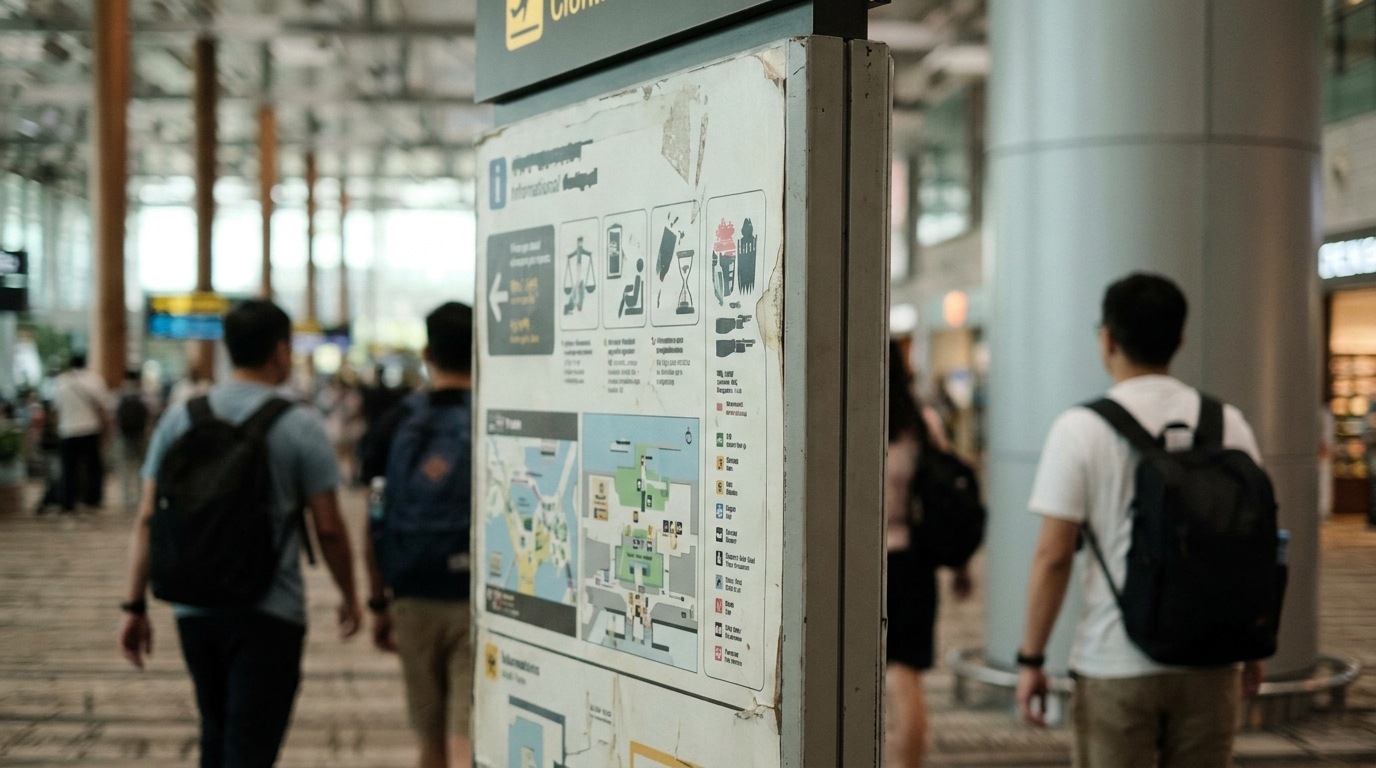
Most travelers arrive in Singapore without applying for a visa in advance, but the specific rules depend on your passport. Citizens of the United States, United Kingdom, European Union member states, Canada, Australia, New Zealand, Japan, and South Korea all qualify for a 90-day visa-free stay under the Visa-Free Transit and Visa Exemption Frameworks administered by the Immigration and Checkpoints Authority.
As of January 2026, travelers from China holding a valid passport receive a 30-day visa-free arrangement that was extended from the original pilot program announced in 2023. Indian passport holders do not qualify for visa-free entry and must apply for a Singapore Tourist Pass or visit via the Reciprocal Green Lane if traveling from India. Processing typically takes 3–5 business days online and costs SGD 30 (approximately USD 22).
All visitors, regardless of nationality, must complete an SG Arrival Card (SGAC) within three days before landing. This replaced the old disgoation card in 2023 and is free to complete at the ICA portal. The system is linked directly to Changi Airport and land border immigration kiosks, so you will not fill out a paper form on the plane.
Yellow fever vaccination proof is mandatory only if you are arriving from a country with a risk of transmission. No other vaccinations are required, though the Ministry of Health recommends being up to date on routine immunizations. (ICA Singapore, 2025)
When to Visit Singapore: Weather and Seasons
Related: best time to visit Singapore.
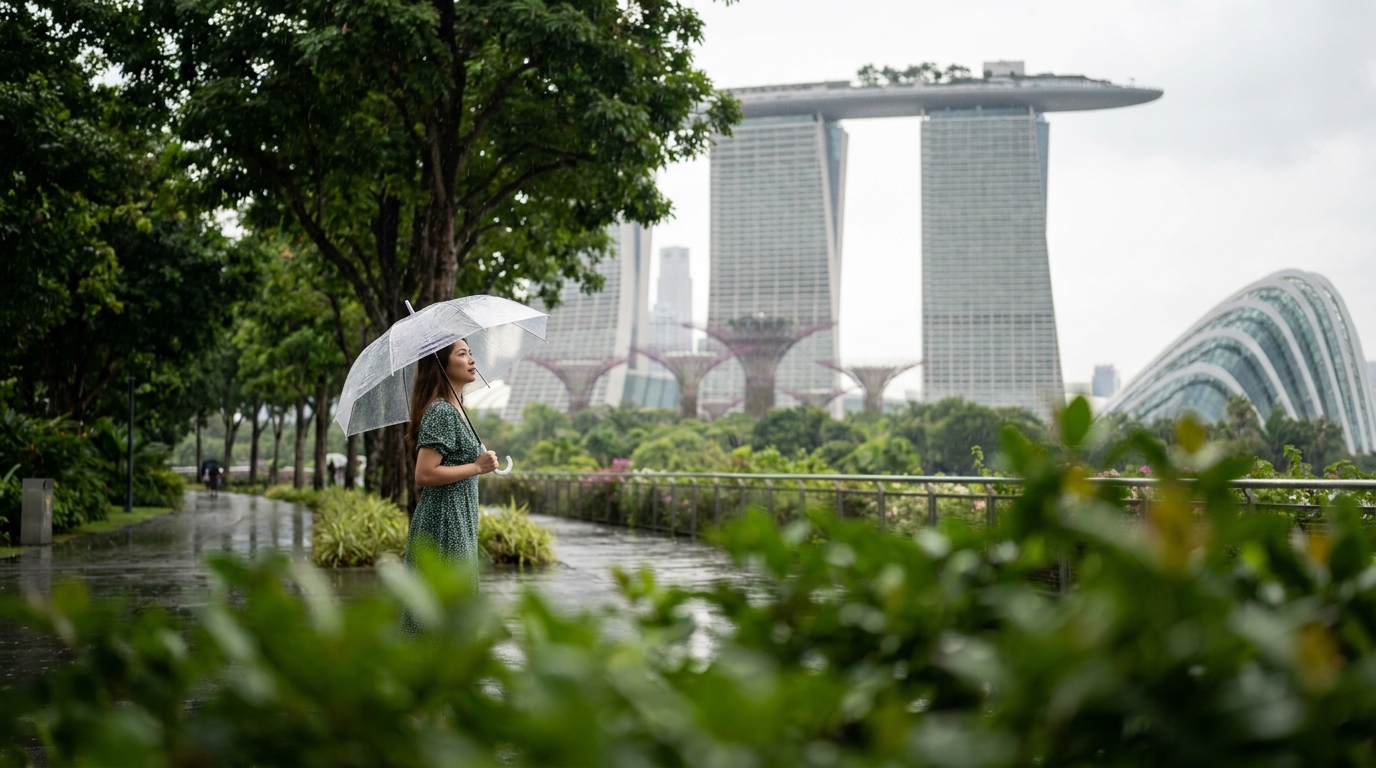
Singapore sits just 1.4 degrees north of the equator, which means it is warm and humid year-round — expect temperatures between 25°C and 33°C (77°F–91°F) regardless of when you travel. The real variable is rainfall, and it matters more than most guides admit.
The Northeast Monsoon (November–January) brings the heaviest afternoon downpours, particularly in December when monthly rainfall averages 318mm. Outdoor events and rooftop bars can get disrupted, but the rain usually passes within 45–90 minutes. The inter-monsoon period (April and October) delivers unpredictable squalls that can arrive at any hour.
February through early April is generally the driest stretch and coincides with the period after Lunar New Year, when hotel prices drop by 15–25% compared to peak December rates. (Meteorological Service Singapore, 2025)
For a practical budget tip: travel in late January or February once Lunar New Year festivity rates drop. A standard room at a 4-star hotel in the Marina Bay area that costs SGD 350/night in December typically lists for SGD 220–260/night in late January. You can track those gaps in real time on Agoda or Booking.com, which both offer member discounts that can push rates down another 8–12%.
Getting to Singapore and Around the City
Related: Da Nang travel guide.
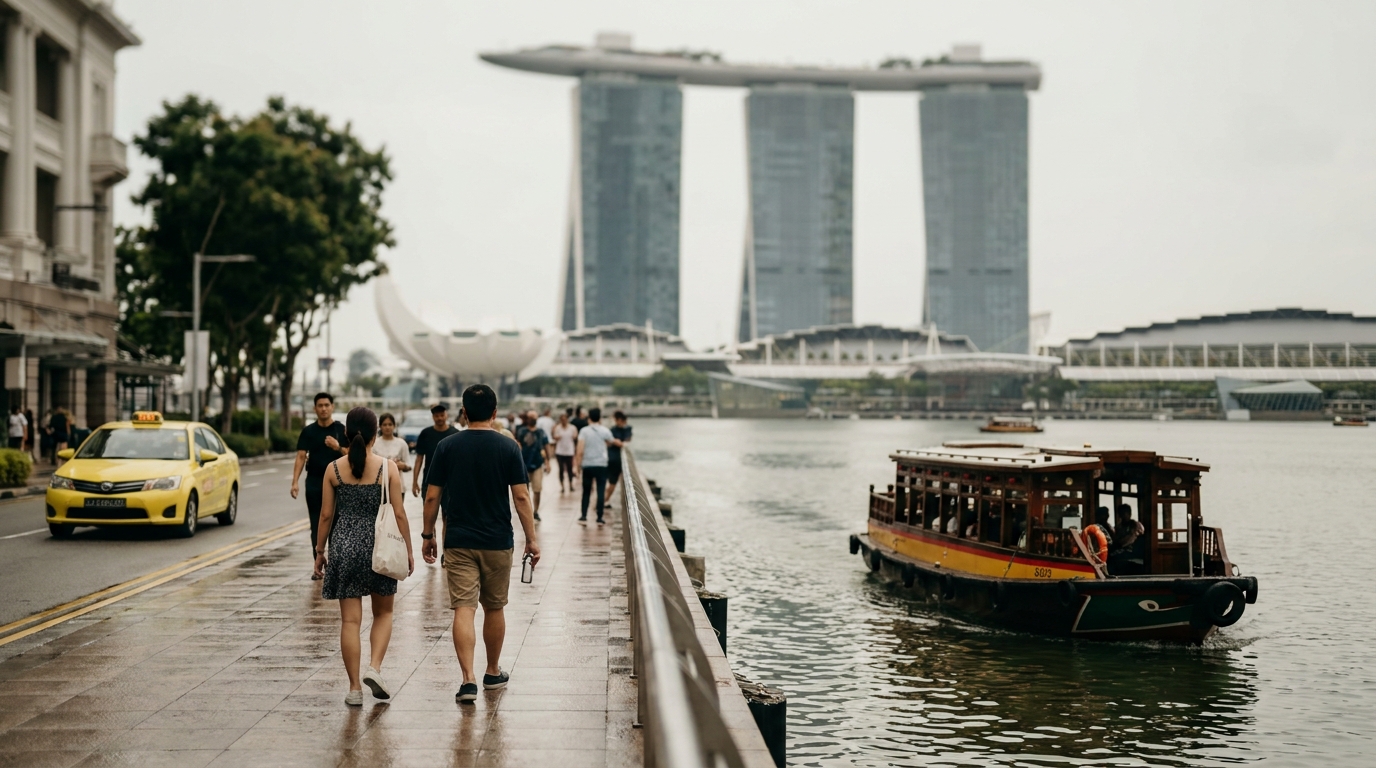
By Air: Changi Airport (SIN) is the main international gateway, served by over 100 airlines and connecting to more than 100 countries. Budget carrier Scoot and regional leader Singapore Airlines both have extensive Southeast Asia and Asia-Pacific networks. Return economy fares from London average USD 580–720, from New York USD 820–1,050, and from Sydney USD 340–490, depending on season.
(Google Flights averages, June 2026) You can compare flights on Aviasales to find the cheapest dates and routes.
Airport to City: The Mass Rapid Transit (MRT) Changi Airport line runs directly to the city center in 30–35 minutes and costs SGD 1.80–2.10 depending on your destination. Taxis from Changi to Orchard Road cost approximately SGD 25–35 including airport surcharges. Grab (Southeast Asia’s dominant ride-hailing app) runs slightly cheaper than metered taxis, averaging SGD 22–30 for the same route.
Getting Around Singapore: The MRT and bus network is one of the most efficient in Asia. A single adult MRT trip costs SGD 0.92–2.55 depending on distance. We strongly recommend loading an EZ-Link card (available at airport convenience stores for SGD 10, which includes SGD 5 credit) — it works on all MRT lines, buses, and even some taxis.
A tourist day pass costs SGD 10 for unlimited MRT and bus travel for 24 hours, which makes sense if you plan to visit multiple neighborhoods in one day.
For connectivity, an Airalo Singapore eSIM is the most convenient option we have tested. A 7-day 5GB eSIM costs USD 4.50 through Airalo, activated before you land. This beats the Changi Airport SIM counters (SGD 15–28) and removes the need to queue on arrival.
Find your Singapore hotel on the map
Live prices from Booking & Airbnb — tap a pin to compare stays around Marina Bay and Bugis and beyond.
Where to Stay in Singapore: Neighborhoods and Hotels
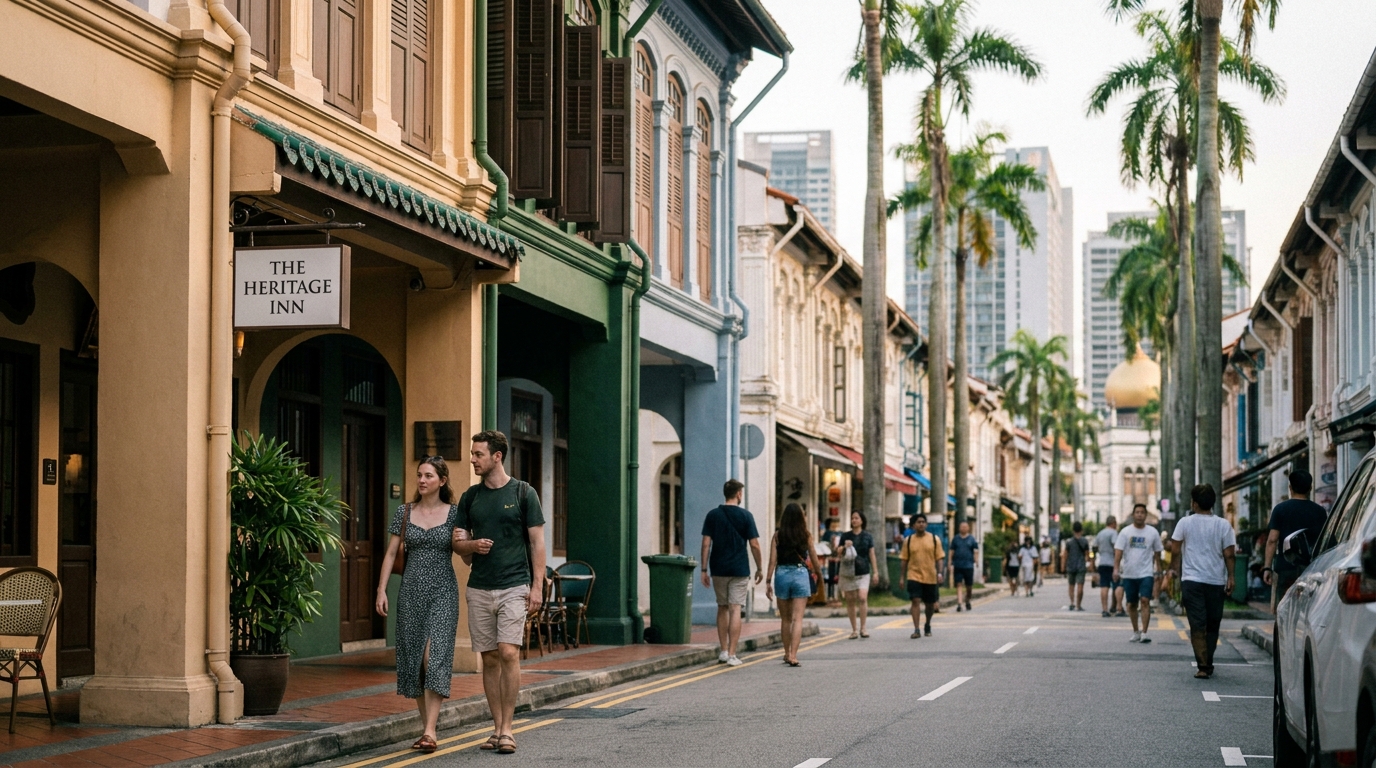
Singapore’s neighborhoods have distinct characters, and your choice determines how your days flow. Here is a breakdown of the four areas we recommend most:
| Neighborhood | Best For | Mid-Range Hotel Price (SGD/night) | MRT Access |
|---|---|---|---|
| Marina Bay | First-timers, luxury, iconic views | SGD 280–450 | Bayfront, Marina Bay |
| Kampong Glam / Bugis | Culture, independent dining, boutique hotels | SGD 120–220 | Bugis, Nicoll Highway |
| Chinatown / Tanjong Pagar | Budget to mid-range, hawker food, bars | SGD 100–200 | Chinatown, Tanjong Pagar |
| Orchard Road | Shopping, transit convenience, business travel | SGD 200–380 | Orchard, Somerset |
Our top picks by budget:
For budget travelers (under SGD 150/night), the Capsule Pod Boutique Hostel in Chinatown consistently earns 8.5+ scores on Booking.com, with dorm beds from SGD 38 and private pods from SGD 95. The location puts you two minutes from the Chinatown MRT and three hawker centres.
For mid-range travelers (SGD 180–280/night), the Wanderlust Hotel in Little India is a well-reviewed boutique property with individually designed rooms. Book through Booking.com to access their Genius loyalty rates, which typically reduce the rack rate by 12–18%.
For splurge travelers (SGD 350+/night), the Marina Bay Sands remains the defining Singapore experience, but at SGD 450–700/night for a base room, it’s a one or two night treat rather than a full-stay option for most travelers. Alternatively, the Capella Singapore on Sentosa Island offers comparable luxury at SGD 520–680/night in a quieter, resort-style setting.
Check live availability and apply filters for free cancellation on Agoda — their “Smart Deal” pricing often surfaces rates 10–15% below the hotel’s own booking page.
Top Attractions and Tours in Singapore
Singapore charges entry fees for most major attractions, so budgeting in advance avoids surprises. Below are the experiences we consider worth every dollar, organized by type.
Gardens by the Bay remains one of Singapore’s most photographed destinations. The two climate-controlled conservatories — the Flower Dome and Cloud Forest — cost SGD 28 for a combined adult ticket. The outdoor Supertree Grove is free to walk through; the OCBC Skyway bridge over the Supertrees costs SGD 14 for adults.
Evening light shows (Garden Rhapsody) happen nightly at 7:45 PM and 8:45 PM and are free to watch from the outdoor plaza.
Marina Bay Sands SkyPark Observation Deck sits on the 57th floor at 200 meters and offers the most recognized view of the city skyline. Adult tickets cost SGD 32. Hotel guests access the infinity pool on the same level at no additional charge — a meaningful distinction when comparing hotel rates. We recommend arriving 30–45 minutes before sunset for golden hour and staying for the blue hour that follows.
Universal Studios Singapore on Sentosa Island is the region’s most established theme park, with zones covering Transformers, Jurassic World, and Puss in Boots. A one-day adult pass costs SGD 83 via the resort website; the same ticket through Klook averages SGD 73–78, saving approximately USD 4–7. Express Passes (SGD 40–80 extra) are worth buying for weekend visits when queues for the flagship rides hit 45–75 minutes.
The Singapore Zoo, River Wonders, and Night Safari form a cluster of wildlife parks in the north of the island, all operated by Mandai Wildlife Group. The Night Safari — a tram tour through nocturnal habitats — runs from 7:15 PM to midnight and costs SGD 55 for adults. Booking a combo pass covering two or three parks through Klook or GetYourGuide typically saves 15–20% versus individual gate prices.
Sentosa Island beyond Universal Studios includes Palawan Beach (free), iFly Singapore indoor skydiving (SGD 89 for a first-timer package), and the SEA Aquarium (SGD 42 adult). Access to Sentosa from HarbourFront MRT via the Sentosa Express monorail costs SGD 4 per adult for a day pass, or you can walk across the boardwalk for free.
For a quick orientation of the city, the City Sightseeing Hop-On Hop-Off Bus runs two loops covering Marina Bay, Chinatown, Orchard, and Little India. A 24-hour adult pass costs SGD 49 (SGD 39–44 through Klook). The open-top upper deck is genuinely useful for understanding how Singapore’s neighborhoods connect, especially on a first visit.
See our dedicated best things to do in singapore for a fuller breakdown of 20+ activities ranked by value.
Singapore Food Guide: What to Eat and Where
Hawker centres are the best argument for eating in Singapore at every meal. These government-maintained open-air food courts serve dishes from SGD 3–8 that frequently outperform restaurant meals costing five times as much. Three centres stand above the rest for first-time visitors:
Maxwell Food Centre in Chinatown houses Tian Tian Hainanese Chicken Rice, the stall that earned Singapore hawker culture its UNESCO recognition in 2020. A plate of chicken rice costs SGD 5–6. Expect a 15–20 minute queue during the 12–2 PM lunch rush; go at 11 AM or after 2 PM to avoid the wait.
Old Airport Road Food Centre in Geylang is less frequently recommended in mainstream travel guides but is consistently rated among the top three centres by Singaporean food critics. The char kway teow (fried flat noodles) from Dong Ji Fried Kway Teow is SGD 4–6 and worth the 20-minute MRT ride from the city center.
Lau Pa Sat (Telok Ayer Market) in the CBD is the most tourist-accessible option, open 24 hours and well served by MRT. The evening satay street — an outdoor extension of the market — sets up from approximately 7 PM and serves charcoal-grilled skewers for SGD 0.80–1.00 each with peanut sauce.
Beyond hawker food, Singapore’s Peranakan cuisine (a fusion of Chinese and Malay cooking) is worth at least one sit-down meal. Candlenut in Dempsey Hill holds a Michelin Star for its Peranakan tasting menu at SGD 148 per person. For a more affordable introduction, True Blue Cuisine in Kampong Glam serves classics like ayam buah keluak (chicken with black nut) for SGD 28.
Budget reality check: Two meals a day at hawker centres plus one coffee shop breakfast will cost SGD 20–28 per person per day. Adding one mid-range restaurant dinner lifts this to SGD 45–65. Fine dining adds SGD 80–180 per person on top.
Explore more dining recommendations in our singapore food guide article.
Singapore Budget Breakdown for 2026
Related: Singapore travel cost.
Understanding real costs helps you avoid the common trap of overestimating Singapore’s expense as a whole. The city is not cheap by Southeast Asian standards, but it is not as expensive as London or Tokyo for a careful traveler.
| Budget Level | Daily Accommodation (SGD) | Daily Food (SGD) | Transport (SGD) | Attractions (SGD) | Total Daily (SGD / USD approx.) |
|---|---|---|---|---|---|
| Backpacker | 38–55 (hostel dorm) | 20–28 (hawker only) | 8–12 | 10–20 (free + 1 paid) | 76–115 / USD 56–85 |
| Mid-Range | 150–250 (3-star hotel) | 40–70 (mix) | 15–25 | 30–60 (2 paid) | 235–405 / USD 174–300 |
| Comfort | 280–450 (4-star hotel) | 70–120 (restaurants) | 25–40 | 60–100 (tours) | 435–710 / USD 322–526 |
| Luxury | 450–800+ (5-star) | 120–250 | 40–80 (Grab/taxi) | 100–200+ | 710–1,330+ / USD 526–985+ |
Currency note: 1 SGD = approximately 0.74 USD as of June 2026. The Singapore dollar has been stable against the US dollar within a 3–5% band over the past 18 months. (MAS exchange rate data, June 2026)
Saving money without sacrificing experience:
- National Museum of Singapore and the Malay Heritage Centre are both free to enter.
- The Southern Ridges trail (a 9km forested walk connecting Mount Faber to Labrador Park) is free and offers views of the Straits of Malacca.
- Many rooftop bar views are accessible for the cost of one drink (SGD 18–26 for a cocktail).
- Free-entry weekend events at Marina Bay run year-round; check the STB events calendar before arrival.
For a deep explore stretching your budget across the region, see our southeast asia budget travel guide.
Practical Tips for Visiting Singapore in 2026
SIM Card and Connectivity: As noted earlier, an Airalo Singapore eSIM (from USD 4.50 for 5GB/7 days via Airalo) is our preferred option. Physical SIM cards from Singtel, StarHub, or M1 are available at Changi’s Terminal 1, 2, 3, and Jewel — a Singtel Tourist SIM costs SGD 15 for 100GB over 7 days, which offers better value if you are a heavy data user.
Health and Safety: Singapore consistently ranks among the world’s top five safest cities. Violent crime is rare, and petty theft is uncommon compared to other Southeast Asian destinations. The healthcare system is excellent — a GP consultation at a private clinic costs SGD 60–100, and most travel insurance policies cover this. Carry a copy of your insurance card and policy number. (EIU Safe Cities Index, 2024)
Laws to Know: Singapore enforces laws that surprise some visitors. Chewing gum cannot be imported for personal use (with narrow medical exceptions). Vaping/e-cigarettes are banned outright — possession can result in a SGD 2,000 fine. Jaywalking within 50 meters of a designated crossing carries a SGD 50 spot fine. Littering fines start at SGD 300. These are enforced, not theoretical. (Singapore Statutes, 2025)
Dress Code and Religion: Singapore is a multi-religious society. When visiting mosques (such as the Sultan Mosque in Kampong Glam) or Hindu temples (such as Sri Veeramakaliamman in Little India), cover shoulders and knees. Sarongs are available at most temple entrances for free or a SGD 1–2 deposit.
Tipping: Tipping is not expected in Singapore. Most restaurants add a 10% service charge and 9% GST automatically — check your bill before leaving extra. Taxis and Grab do not expect tips. Tour guides appreciate but do not require them.
Power: Singapore uses the British BS 1363 standard — three-pin rectangular plugs. Voltage is 230V/50Hz. US, Australian, and European adapters are sold in most Changi Airport shops and 7-Eleven stores for SGD 8–15.
For our complete packing and preparation list, see singapore packing list.
Singapore in 3 Days: A Practical Itinerary
For travelers with a standard long-weekend or layover trip, three focused days cover the essentials without feeling rushed.
Day 1 — Marina Bay and the Colonial Core Start at the Singapore Botanic Gardens (free, UNESCO World Heritage Site) from 7–9 AM before the heat builds. Take the MRT to Raffles Place and walk the waterfront promenade past the Merlion statue toward Gardens by the Bay. Evening: watch the Garden Rhapsody light show from the outdoor plaza (free), then dinner at a Chinatown hawker centre 15 minutes by MRT.
Day 2 — Culture Districts Morning in Kampong Glam: Sultan Mosque, Arab Street shops, and Haji Lane’s street art. Lunch at a Malay-cuisine hawker stall (nasi padang from SGD 5–7). Afternoon in Little India: Sri Veeramakaliamman Temple, Mustafa Centre (a 24-hour department store genuinely useful for buying last-minute gear and spices to bring home). Evening dinner at Lau Pa Sat satay street.
Day 3 — Sentosa and Nightlife Full day on Sentosa: Universal Studios Singapore or beach time at Palawan Beach. Late afternoon: return to the city and visit the Marina Bay Sands SkyPark at dusk (SGD 32, book ahead to guarantee entry before closing). Night: explore the rooftop bar at 1-Altitude (SGD 28 entry includes one drink) or the Clarke Quay riverside bars.
See our full singapore 3 day itinerary for hour-by-hour scheduling, including backup options for rainy days.
Day Trips from Singapore
Related: best day trips from Singapore.
Singapore’s position at the southern tip of the Malay Peninsula makes it an efficient hub for short regional trips. Two options stand out in 2026.
Johor Bahru, Malaysia (30–45 minutes by bus or train): Cross the Causeway to JB for a dramatically cheaper version of Singapore’s food culture. A bowl of cendol in JB costs MYR 4 (approximately USD 0.90) versus SGD 4.50 in Singapore. Day-trip buses from Queen Street Terminal depart every 10–15 minutes and cost SGD 2.50–4.50 one way.
You will need your passport and should check Malaysia entry requirements for your nationality in advance.
Bintan Island, Indonesia (55 minutes by fast ferry): The Bintan Resort Ferry Terminal at Tanah Merah serves this Indonesian resort island. Return ferries from SGD 70–100 connect you to Bandar Bentan Telani Ferry Terminal, from which resort shuttles reach properties like the Banyan Tree Bintan (from USD 180/night). Day-trippers can purchase beach club day passes from USD 35.
For regional context and ideas on extending your Southeast Asia trip, see our southeast asia travel itinerary.
Frequently Asked Questions
How many days do you need in Singapore?
Three to four days is enough to cover the main neighborhoods, top attractions, and varied food scene without rushing. Five to six days allows you to add Sentosa day trips, a Johor Bahru or Bintan excursion, and slower exploration of areas like Tiong Bahru or East Coast Park. One or two days works as an introduction for transit visitors using Changi’s free layover tour program.
Is Singapore expensive for tourists in 2026?
Singapore is mid-tier for Asia but more affordable than its reputation suggests. A backpacker can live comfortably on USD 60–85 per day using hostels and hawker centres. A mid-range couple sharing a 3-star hotel room spends approximately USD 200–250 per day combined, including one paid attraction. The costliest category is accommodation, which accounts for 45–55% of most daily budgets. (MasterCard Global Destination Cities Index, 2024)
Do I need a visa for Singapore?
Citizens of the US, UK, EU, Australia, Canada, New Zealand, Japan, South Korea, and about 160 other nationalities receive a 30- or 90-day visa-free stay. The main exceptions are Indian and certain African passport holders, who need to apply online in advance for a tourist pass (SGD 30, processed in 3–5 business days).
All visitors must complete the free SG Arrival Card (SGAC) within 3 days before arrival. (ICA Singapore, 2025)
What is the best area to stay in Singapore for tourists?
For first-time visitors, the Marina Bay and Bugis/Kampong Glam areas offer the best balance of location, access to attractions, and accommodation variety. Chinatown and Tanjong Pagar are better for budget travelers who want to be close to hawker food and nightlife. Orchard Road suits travelers who prioritize shopping and easy connection to the airport MRT line.
What should I absolutely not miss in Singapore?
Gardens by the Bay conservatories, at least one full hawker centre meal (Maxwell Food Centre is the standard recommendation), a walk through the Kampong Glam Arab Quarter, and the Marina Bay Sands SkyPark view at dusk are the experiences that most consistently exceed expectations. The Night Safari is worth adding for travelers with a full week. See best things to do in singapore for a ranked list of 20+ options.
Is Singapore safe for solo travelers?
Singapore consistently ranks among the top five safest cities globally. The EIU Safe Cities Index 2024 placed it at 3rd overall and 1st for infrastructure security. Solo travelers — including solo women — report very low incidence of harassment or theft. The public transport system runs reliably until midnight (some lines until 1–2 AM on weekends), reducing reliance on night taxis.
What is the currency in Singapore and can I use USD?
The Singapore Dollar (SGD) is the only accepted currency in shops, restaurants, and taxis. USD is not accepted directly but can be exchanged at Changi Airport (not recommended — poor rates) or at licensed money changers in Chinatown Complex and Lucky Plaza, which consistently offer 1–2% better rates than bank branches.
ATMs issue SGD and charge SGD 3–5 per withdrawal for foreign cards. Inform your bank before travel to avoid blocks on international transactions.
Plan Your Singapore Trip
Singapore in 2026 is more accessible than ever: visa processing is online, the MRT reaches every major attraction, and the hawker centre system means you can eat extraordinarily well on any budget.
The variables that actually determine your experience are accommodation choice (location matters more than star rating), how much time you spend in non-tourist neighborhoods, and whether you pre-book the two or three paid attractions you most want to see.
Your next step: Compare hotel rates on Agoda or Booking.com with free cancellation, lock in your tour slots via Klook, and pick up an Airalo eSIM before you land. All four steps take under an hour and remove most of the logistical stress from the trip.
For more detailed planning resources, start with our singapore 3 day itinerary and singapore food guide before working through the neighborhood and attraction guides linked throughout this article.