Disclosure: Some links in this guide are affiliate links. If you book or buy through them, we may earn a small commission at no extra cost to you — it helps keep our guides free.
Where to Stay in Tokyo 2026: Best Neighborhoods by Budget
The short answer for where to stay in Tokyo is simple: first-timers should book Shinjuku or Shibuya for their density of trains, food, and things to do; budget travelers should pick Asakusa or Ueno; and anyone chasing luxury or refined dining should look at Ginza or Marunouchi.
Every one of these areas sits on the JR Yamanote loop line, which circles central Tokyo and makes each neighborhood a short ride from the others. That single fact matters more than any hotel review, because in a city this large your address decides how much of your trip you spend on trains.
Quick answer: This guide breaks down the best areas and stays in Tokyo. See live prices and availability now:
Tokyo saw roughly 20 million international visitors in 2025, based on a national record of 42.7 million arrivals to Japan and a Tokyo visit rate of 51.5% (Japan National Tourism Organization / Nippon.com, 2026). With the yen holding around 150 to the US dollar through early 2026, hotel value has stayed strong even as demand climbed.
This guide breaks down the five neighborhoods most travelers actually choose between, with honest nightly price ranges by budget, who each area suits, and a comparison table so you can decide in a couple of minutes.
Key Takeaways
- Shinjuku and Shibuya are the best all-rounders for first-timers, with mid-range hotels running roughly 18,000 to 35,000 yen (about $120 to $233) per night and unmatched train access.
- Asakusa is the value pick, where mid-range rooms sit around 14,000 to 25,000 yen ($93 to $167), and dorm beds start near 3,000 yen ($20).
- Ginza is Tokyo’s luxury base, with five-star rooms commonly 40,000 to 80,000 yen ($387 to $600) and up, plus the city’s best department-store food halls.
- Tokyo Station / Marunouchi is the smartest choice if you plan day trips, sitting on top of the Shinkansen bullet-train platforms for Kyoto, Hakone, and beyond.
- All five areas connect via the JR Yamanote line, so most cross-city hops take 5 to 25 minutes and cost 150 to 210 yen.
We have based ourselves in three of these neighborhoods across separate trips, and the difference was stark. Our week in Asakusa cost noticeably less and felt calmer at night, but we rode the train more; a later stay near Shinjuku Station cost more per night yet saved us an hour a day and put ramen and late trains within a two-minute walk.
Find your Tokyo hotel on the map
Live prices from Booking & Airbnb — tap a pin to compare stays around Shinjuku and Shibuya and beyond.
How to Choose Where to Stay in Tokyo
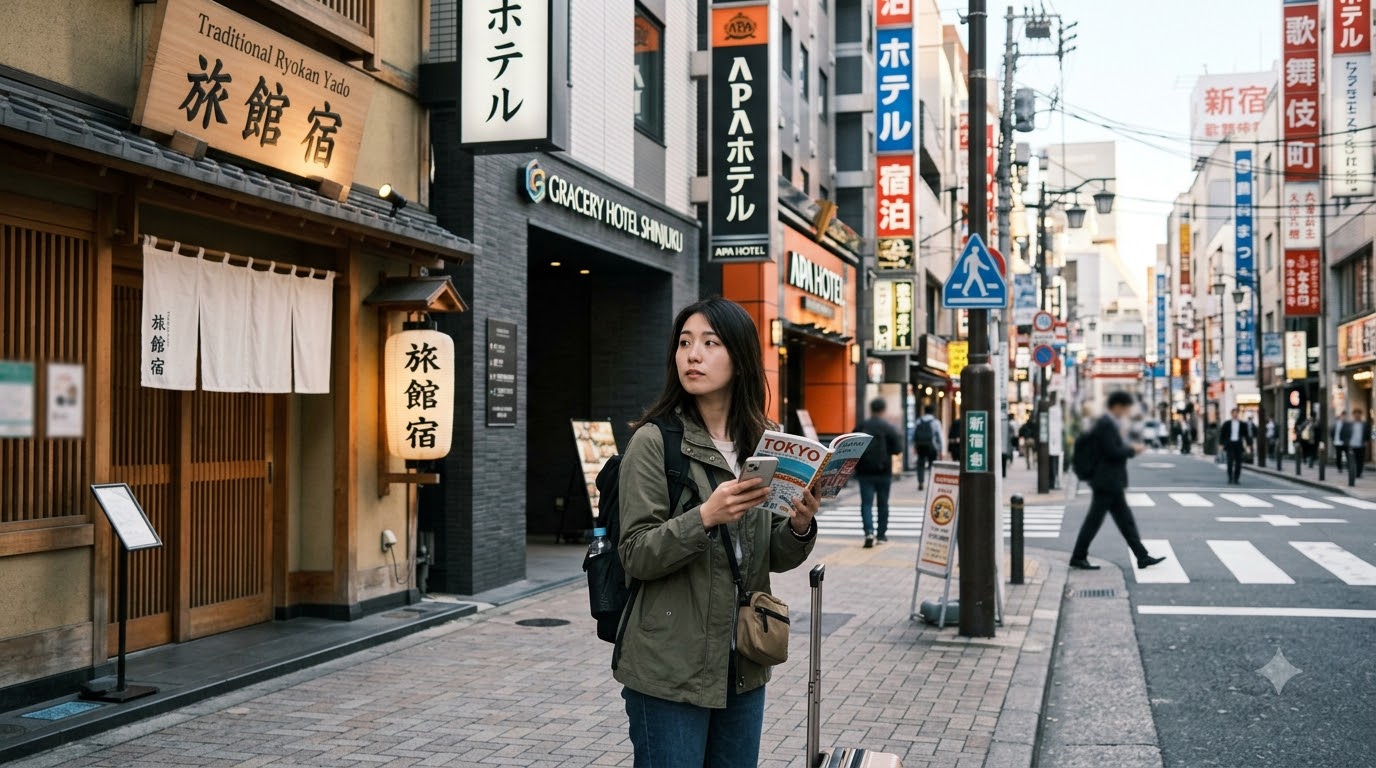
Pick your neighborhood by matching your travel style to a station, not by chasing a specific hotel. Tokyo has no single downtown. Instead it has a ring of major hubs, and the one you sleep next to shapes your daily rhythm.
If this is your first visit and you want everything close, weight your choice toward Shinjuku or Shibuya. If you are counting every yen, weight it toward Asakusa or Ueno. If comfort and food come first, weight it toward Ginza or Marunouchi.
We have booked in most of these hubs across separate trips, and the address always shaped the day more than the specific hotel did.
Three practical rules make the decision easier. First, stay within a five-minute walk of a Yamanote line station; that loop connects Shinjuku, Shibuya, Tokyo Station, Ueno, and more in one continuous circle. Second, check whether your hotel is near a station with a direct airport link, since Narita and Haneda transfers can otherwise eat 90 minutes.
Third, decide how many day trips you want, because a Marunouchi base near the Shinkansen platforms saves real time if Kyoto or Hakone is on your list. Our full Tokyo travel guide covers the wider transport map if you want the complete picture before booking.
Three rules for choosing a base:
- Stay within a five-minute walk of a JR Yamanote line station, the loop that connects Shinjuku, Shibuya, Tokyo Station, and Ueno.
- Check for a direct airport link, since Narita and Haneda transfers can otherwise eat 90 minutes.
- Weigh how many day trips you want: a Marunouchi base by the Shinkansen platforms saves real time for Kyoto or Hakone.
Tokyo Neighborhood Comparison at a Glance
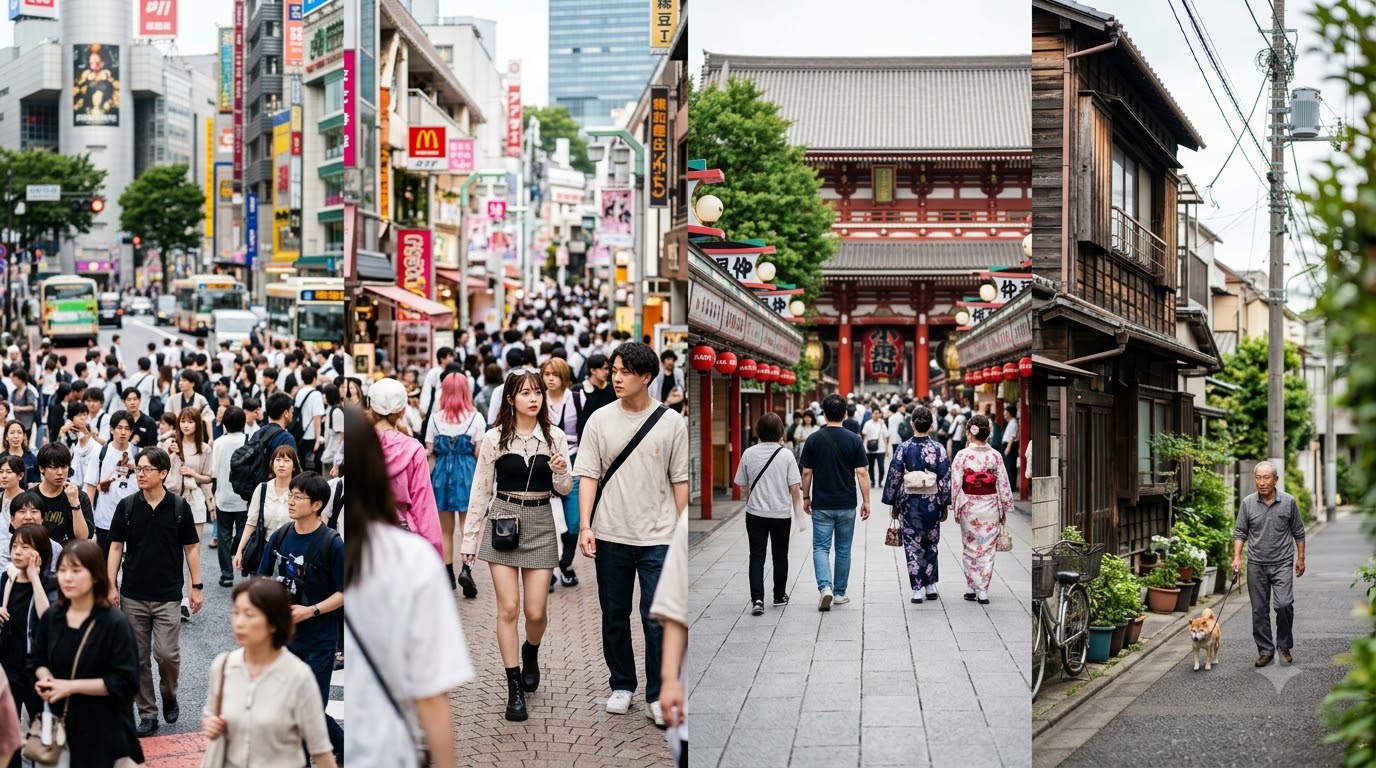
Here is the fast version. The table below compares the five areas most visitors weigh against each other, using 2026 nightly ranges that span budget business hotels through comfortable mid-range rooms (figures drawn from current Tokyo accommodation pricing at roughly 150 yen to the dollar).
| Neighborhood | Best for | Vibe | Budget hotel (per night) | Mid-range hotel (per night) | Nearest hub |
|---|---|---|---|---|---|
| Shinjuku | First-timers, nightlife | Busy, neon, 24-hour | 8,000-12,000 yen ($53-80) | 18,000-30,000 yen ($120-200) | Shinjuku Station |
| Shibuya | Young travelers, shopping | Trendy, youthful, loud | 9,000-13,000 yen ($60-87) | 20,000-35,000 yen ($133-233) | Shibuya Station |
| Asakusa | Budget, traditional feel | Old-town, low-rise, quiet nights | 6,000-10,000 yen ($40-67) | 14,000-25,000 yen ($93-167) | Asakusa Station |
| Ginza | Luxury, fine dining | Polished, upscale, calm | 10,000-14,000 yen ($67-93) | 22,000-40,000 yen ($147-267) | Ginza Station |
| Tokyo Station / Marunouchi | Day trips, business | Corporate, orderly, central | 9,000-13,000 yen ($60-87) | 20,000-35,000 yen ($133-233) | Tokyo Station |
Luxury and ultra-luxury rooms in Ginza, Marunouchi, and the high floors of Shinjuku’s towers commonly run 40,000 to 80,000 yen ($387 to $600) per night, with flagship five-star brands exceeding 100,000 yen. At the other end, hostel dorm beds across the city start around 3,000 to 5,000 yen ($20 to $33) and capsule hotels sit near 4,000 to 6,500 yen ($27 to $43).
Citywide nightly price tiers (about 150 yen to the dollar):
- Hostel dorm bed: from about 3,000 to 5,000 yen ($20 to $33) a night.
- Capsule hotel: about 4,000 to 6,500 yen ($27 to $43) a night.
- Budget business hotel: roughly 8,000 to 15,000 yen ($53 to $100).
- Luxury and five-star (Ginza, Marunouchi, Shinjuku towers): commonly 40,000 to 80,000 yen ($387 to $600), flagships over 100,000 yen.
Shinjuku: Best for First-Timers and Nightlife
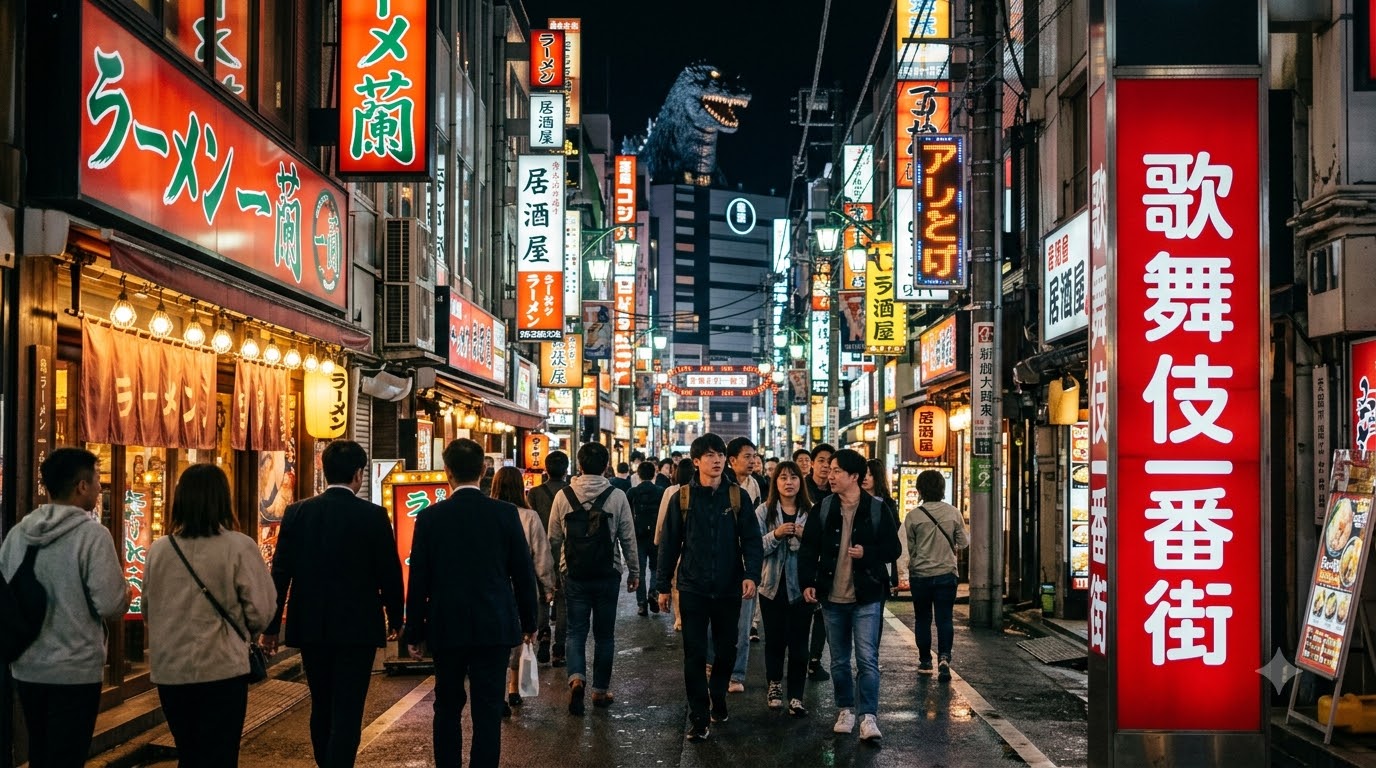
Shinjuku is the safest first choice for a first Tokyo trip because it packs trains, food, shopping, and nightlife into one walkable district.
Shinjuku Station is the busiest railway station in the world by passenger volume, which sounds intimidating but means almost every line you need runs through it, including a direct limousine bus and the Narita Express to the airport. You can land, ride one train, and be checking in without a transfer.
The area splits into distinct moods. West Shinjuku holds the skyscraper hotels and the free observation decks of the Tokyo Metropolitan Government Building. East Shinjuku, around Kabukicho and the tiny lantern-lit alleys of Omoide Yokocho, is where the late-night energy lives.
Just south, the Shinjuku Gyoen national garden gives you a quiet morning walk. Budget business hotels here run about 8,000 to 12,000 yen a night, while mid-range towers land between 18,000 and 30,000 yen, and the top-floor luxury rooms climb past 40,000 yen.
If your itinerary leans toward museums, day trips, and neon nights, pair this base with our list of the best things to do in Tokyo.
Shinjuku by mood and price:
- West Shinjuku: skyscraper hotels and the free observation decks of the Tokyo Metropolitan Government Building.
- East Shinjuku (Kabukicho, Omoide Yokocho): the late-night energy and lantern-lit alleys.
- Shinjuku Gyoen: a quiet national-garden morning walk just to the south.
- Prices: budget business hotels about 8,000 to 12,000 yen, mid-range towers 18,000 to 30,000 yen, luxury past 40,000 yen.
Shibuya: Best for Young Travelers and Shopping
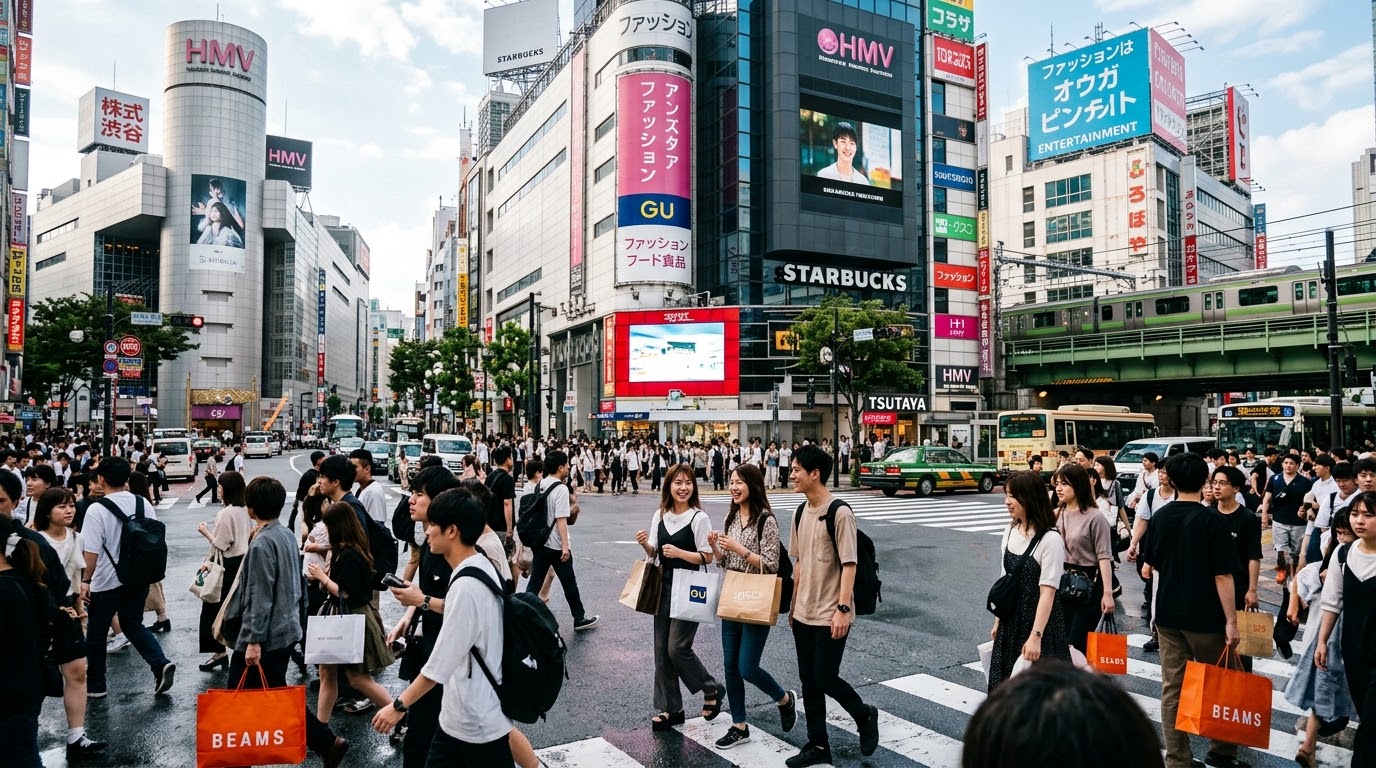
Shibuya suits younger travelers and anyone who wants shopping, cafes, and nightlife at their door. The neighborhood is built around the Shibuya Scramble Crossing, and the streets radiating out from it are dense with fashion floors, record stores, standing bars, and late-night ramen. Recent tower developments like Shibuya Sky have added rooftop views and new dining, and the station itself has been rebuilt to connect more lines under one roof.
Rooms here trend slightly higher than Shinjuku on the mid-range tier, roughly 20,000 to 35,000 yen a night, with budget business hotels around 9,000 to 13,000 yen. The trade-off is noise: Shibuya stays loud late, so light sleepers should ask for a room away from the crossing.
It is a strong pick for a shorter, high-energy stay, and it sits two stops from Shinjuku and one loop-ride from Harajuku, which keeps the rest of the city close.
Asakusa: Best for Budget and Traditional Atmosphere
Asakusa is the clear value winner, with nightly prices running 20 to 30% below Shinjuku for comparable quality. This old-town district in eastern Tokyo centers on Senso-ji, the city’s oldest temple, and the Nakamise shopping street that leads to it. Low-rise streets, traditional inns, and craft shops give the area a slower feel, and nights are genuinely quiet compared with the western hubs.
Budget business hotels here sit around 6,000 to 10,000 yen a night, mid-range rooms and machiya guesthouses run about 14,000 to 25,000 yen, and hostel dorms can dip to 3,000 yen. The main compromise is transport: Asakusa is off the Yamanote loop, so you connect via the Ginza and Asakusa subway lines, adding a few minutes to trips across town.
For travelers building a longer stay, this area pairs well with the pacing in our 5-day Tokyo itinerary, which factors in the extra subway legs.
Ueno as an Asakusa Alternative
Ueno is worth a look if you like Asakusa’s prices but want to be back on the Yamanote loop. One stop from the old-town feel, Ueno sits directly on the line, houses a cluster of major museums around Ueno Park, and connects straight to the Keisei Skyliner for a fast Narita Airport run. Room rates track close to Asakusa’s, making it a practical middle ground between value and connectivity.
Ginza: Best for Luxury and Refined Dining
Ginza is where to stay in Tokyo for luxury, quiet elegance, and serious food. On our one splurge stay near Ginza we walked to three depachika dinners in a single evening without touching a train. Tokyo holds more Michelin-starred restaurants than any other city on earth, and a large share of them cluster in and around Ginza and neighboring Marunouchi.
The district’s wide avenues, flagship stores, and department-store basement food halls (the famous depachika) make it feel calmer and more polished than the western hubs, especially in the evening.
Prices reflect that. Budget rooms are relatively scarce and start around 10,000 to 14,000 yen, mid-range hotels run 22,000 to 40,000 yen, and the five-star tier commonly sits between 40,000 and 80,000 yen a night, climbing past 100,000 yen for the marquee names. Ginza Station puts you a few minutes from Tokyo Station and a short ride from Shibuya.
If your idea of a great trip is unhurried mornings, refined dinners, and easy access without the crowds, this is your base. Timing matters too, so cross-check your dates against our guide to the best time to visit Tokyo before you lock in a premium rate.
Tokyo Station and Marunouchi: Best for Day Trips
Marunouchi, the business district wrapped around Tokyo Station, is the smartest base if day trips are a priority. Tokyo Station is the departure point for the Shinkansen bullet trains, so an early ride to Kyoto, Hakone, Nikko, or Kanazawa starts steps from your lobby rather than after a cross-city transfer. The restored red-brick station building, the Imperial Palace gardens, and a growing set of upscale hotels round out the area.
Nightly rates mirror Shibuya’s range, with budget hotels around 9,000 to 13,000 yen and mid-range rooms roughly 20,000 to 35,000 yen; the newer luxury properties reach the same 40,000-plus tier as Ginza. The district is quieter at night than Shinjuku, since much of the daytime crowd is commuters, which some travelers love and others find sleepy.
Choose it if efficiency and onward travel matter more than nightlife, and slot your excursions into the day-trip windows in our 5-day Tokyo itinerary.
Where to Stay by Traveler Type and Budget
Match the area to who you are traveling with, and the choice gets obvious. Families with young children usually do best in Asakusa or Ueno, where quieter streets, lower prices, and family rooms are easier to find, and Ueno Park gives kids space to move. Couples after atmosphere tend to split between Ginza for polish and Asakusa for old-town charm.
Solo travelers and backpackers get the most from Shinjuku or Shibuya hostels, which put nightlife and 24-hour trains within reach, or from capsule hotels at 4,000 to 6,500 yen a night when budgets are tight.
Where to stay by traveler type:
- Families with young kids: Asakusa or Ueno for quieter streets, lower prices, and family rooms, with Ueno Park for space.
- Couples after atmosphere: Ginza for polish or Asakusa for old-town charm.
- Solo travelers and backpackers: Shinjuku or Shibuya hostels, or citywide capsule hotels at 4,000 to 6,500 yen.
By budget the pattern is just as clear. Under about 10,000 yen a night, look to Asakusa, Ueno, or business hotels on the edges of Shinjuku. Between 15,000 and 30,000 yen, the mid-range floors of Shinjuku, Shibuya, and Marunouchi give the best balance of comfort and location.
Above 40,000 yen, Ginza and Marunouchi deliver the service and dining that justify the premium. Whatever tier you pick, book two to three months ahead for spring cherry-blossom season and November foliage, when the best-located rooms sell out first.
Where to stay by nightly budget:
- Under 10,000 yen: Asakusa, Ueno, or business hotels on the edges of Shinjuku.
- 15,000 to 30,000 yen: the mid-range floors of Shinjuku, Shibuya, and Marunouchi.
- Above 40,000 yen: Ginza and Marunouchi for the service and dining that justify the premium.
- Book two to three months ahead for spring sakura and November foliage, when the best-located rooms sell out first.
Frequently Asked Questions
What is the best area to stay in Tokyo for first-time visitors?
Shinjuku is the top pick for most first-timers, with Shibuya a close second. Both sit on the JR Yamanote loop, offer the widest range of hotels from about 8,000 to 40,000 yen a night, and keep food, shopping, and trains within a short walk. Shinjuku Station’s direct airport links make arrival day painless.
Where should I stay in Tokyo on a budget?
Asakusa and Ueno offer the best value, with mid-range rooms around 14,000 to 25,000 yen and dorm beds from roughly 3,000 yen, typically 20 to 30% cheaper than Shinjuku for similar quality. Capsule hotels citywide run 4,000 to 6,500 yen a night if you want to spend even less.
How much does a hotel in Tokyo cost per night in 2026?
Expect roughly 3,000 to 5,000 yen ($20 to $33) for a hostel dorm, 8,000 to 15,000 yen ($53 to $100) for a budget business hotel, 15,000 to 35,000 yen ($100 to $233) for mid-range, and 40,000 to 80,000 yen ($387 to $600) or more for luxury, at about 150 yen to the US dollar.
Is it better to stay near Shinjuku or Tokyo Station?
Stay near Shinjuku for nightlife, dining, and constant activity; stay near Tokyo Station if you plan Shinkansen day trips to places like Kyoto or Hakone. Both are central and well connected, but Tokyo Station is calmer at night while Shinjuku runs around the clock.
Which Tokyo neighborhood is safest and quietest at night?
Asakusa, Ueno, and Marunouchi are among the calmer central areas after dark, with less nightlife noise than Shinjuku or Shibuya. Tokyo overall ranks among the safest large cities in the world, so the difference between neighborhoods is mostly about noise and crowds rather than personal safety.
Where you stay in Tokyo comes down to a single honest question: do you want to be in the middle of the action or a short train ride from it.
Shinjuku and Shibuya put you in the thick of things, Asakusa and Ueno save you money and give you quiet nights, and Ginza and Marunouchi trade a higher rate for comfort and easy day trips. Pick the area that fits how you travel, book early for the busy seasons, and let the Yamanote line handle the rest.
Once your base is set, our Tokyo travel guide and roundup of the best things to do in Tokyo will help you fill the days.