Disclosure: Some links in this guide are affiliate links. If you book or buy through them, we may earn a small commission at no extra cost to you — it helps keep our guides free.
Best Porto Travel Guide 2026: Blue Tiles, Port Wine & Hidden Streets
Porto does not compete with Lisbon. It does not need to. While the capital sprawls across seven hills with world-class museums and a polished international energy, Porto hugs the Douro River gorge like a city that has always known exactly what it is and has never been interested in becoming something else. The buildings are covered in azulejo tiles — cobalt blue on white, entire facades telling stories in painted ceramic — and the river is crossed by bridges designed by Gustave Eiffel’s student. The wine that shares the city’s name ages in cellars across the water in Vila Nova de Gaia, and a glass of it costs less than a coffee in Paris.
This Porto travel guide covers the best things to do, where to find the most beautiful blue tiles, how to taste port wine properly, the hidden streets beyond the Ribeira, and the most photogenic places in this city of slate and sky.
Key Takeaways
– Sao Bento Station is a functioning train station whose main hall is covered in 20,000 azulejo tiles depicting scenes from Portuguese history. Free entry. The tiles were painted by Jorge Colaco between 1905 and 1916. Allow 15 minutes to absorb them.
– A port wine tasting in Vila Nova de Gaia costs 15-25 EUR for a flight of three ports (white, tawny, ruby) at a historic cellar. Graham’s, Taylor’s, and Sandeman offer the best tours. Walk across the Dom Luis I Bridge for the view. The bridge was designed by Theophile Seyrig, a student of Gustave Eiffel.
– Livraria Lello may be the most beautiful bookstore on Earth, with a red staircase that reportedly inspired J.K. Rowling (who lived in Porto from 1991-1993). Entry costs 5 EUR, redeemable against a book purchase. Book the 9:30 AM slot at livrarialello.pt.
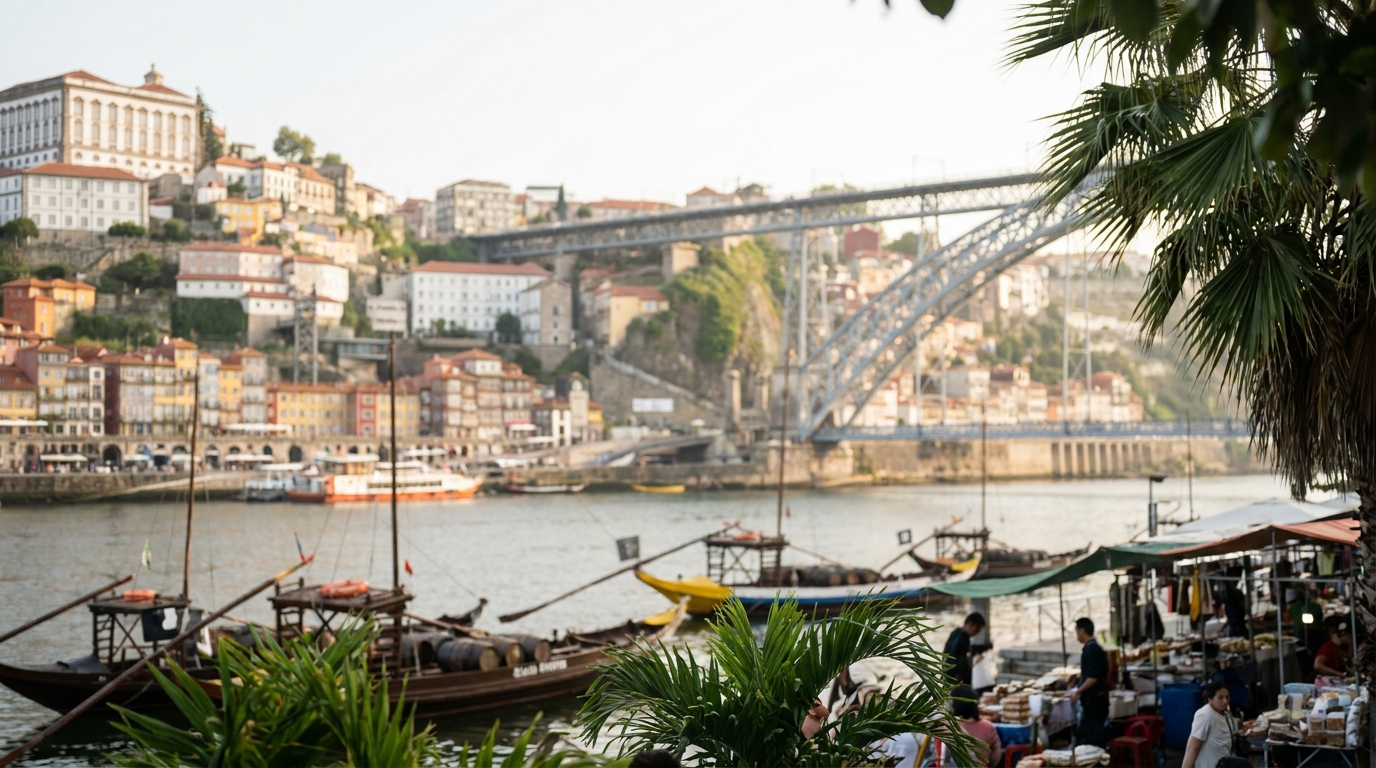
– The Ribeira district is the postcard view: colorful houses stacked along the Douro, Rabelo boats bobbing at the quayside, and the Dom Luis bridge arching overhead.
– Porto is one of the most affordable major cities in Western Europe. A three-course dinner for two with wine costs 35-50 EUR. A glass of port at a riverside cafe costs 5-8 EUR. The metro from the airport takes 25 minutes and costs 2 EUR. Porto is a city where value and beauty coexist at a ratio that still surprises.We only recommend services we genuinely trust. Learn more.
**** We have returned to Porto in three different seasons now, and the city rewards repetition. The light in October, when the afternoon sun turns the Douro to beaten gold and the Ribeira facades glow in shades of rust and ochre, is the finest city light we have seen anywhere in Europe.
Best Things to Do in Porto
Quick answer: Porto packs blue-tiled churches, riverside Ribeira lanes, and world-famous port wine into a compact, walkable city that costs noticeably less than Lisbon. Two to three days is enough: base near the Ribeira or Sao Bento, cross the Dom Luis I bridge to the port lodges, and pack comfortable shoes for the steep hills.
Sao Bento Railway Station
Sao Bento is a working train station and an accidental masterpiece of Portuguese art. The main hall is lined with 20,000 azulejo tiles, hand-painted in cobalt blue on white, depicting the history of Portugal from the Battle of Valdevez (1140) to the inauguration of the railway. The tiles were painted by Jorge Colaco between 1905 and 1916, using a technique that had been refined over five centuries of Portuguese ceramic tradition.
The upper frieze depicts the development of transport in Portugal, from ox carts to the railway. The large panels show Prince Henry the Navigator at the conquest of Ceuta, King Joao I pledging his daughter to an English prince, and rural Portuguese life in the Minho region. The light through the station’s three arched windows hits the tiles differently at different times of day. Morning light (9:00-11:00 AM) illuminates the eastern panels best.
Free entry. The station is active — trains to Braga, Guimaraes, and the Douro Valley depart every few minutes. Stand in the center of the hall, look up, and accept that a train station in Porto is more beautiful than most museums in other cities.
Livraria Lello
The Lello Bookstore opened in 1906 and has been described as the most beautiful bookstore in the world by people who have visited enough bookstores to make the claim credible. The neo-Gothic facade, the stained glass skylight ceiling, the carved wooden shelves, and the red staircase that curves upward like a question mark have drawn visitors in numbers that overwhelmed the owners. In 2015, the store began charging an entry fee to manage the crowds.
J.K. Rowling lived in Porto from 1991 to 1993, teaching English and writing the first chapters of Harry Potter. The Lello staircase is widely believed to have inspired the moving staircases of Hogwarts, though Rowling has never explicitly confirmed this.
Entry: 5 EUR via online voucher at livrarialello.pt, redeemable against any book purchase. Book the 9:30 AM slot. By 11:00 AM, the store is packed to a degree that makes browsing books functionally impossible.
Clerigos Tower
The Clerigos Church and its bell tower (Torre dos Clerigos) define Porto’s skyline. Built between 1732 and 1763 by the Italian architect Nicolau Nasoni, the tower rises 75 meters and requires climbing 225 steps in a narrow spiral staircase. The view from the top is the best aerial perspective of Porto: the terracotta rooftops of the old town, the Douro winding toward the Atlantic, the Dom Luis bridge, the port wine cellars of Gaia on the opposite bank, and on clear days, the ocean itself.
Entry: 8 EUR (tower + museum). Open daily 9:00 AM-7:00 PM. Go at opening time. The staircase cannot accommodate two people passing. The climb and the view are worth the 8 EUR and the 225 steps. The museum in the church crypt traces Porto’s religious history and the life of Nasoni.
The 3-Day Porto Itinerary
The plan we use ourselves — sent straight to your inbox.
- Day-by-day route
- Where to stay
- Real 2026 costs
Free · No spam · Unsubscribe anytime
Where to Find the Best Blue Tiles
Capela das Almas
The Chapel of Souls on Rua de Santa Catarina (Porto’s main shopping street) is covered head-to-toe in 15,947 azulejo tiles depicting scenes from the lives of saints, including the deaths of Saint Francis of Assisi and Saint Catherine. The tiles were painted in the 1920s by the artist Eduardo Leite. The blue-on-white exterior covers every wall surface of the church, creating an effect that looks like a three-dimensional Delftware vessel scaled to building size. Free entry to the exterior and interior.
Igreja do Carmo
The Carmelite Church on Rua do Carmo has a side wall entirely covered in azulejos depicting the founding of the Carmelite order on Mount Carmel. The panel dates to 1912 and uses a palette slightly different from traditional cobalt — the blue here has a tinge of purple, a quirk of the glaze formula used by the artist Silvestre Silvestri.
Sao Bento Station (Again)
The station tiles are the single best azulejo experience in Porto. See the entry above under Best Things to Do. The tiles are worth revisiting at different times of day as the light shifts.
Igreja de Santo Ildefonso
The Church of Saint Ildefonso near the Batalha Square has a facade covered in over 11,000 tiles by Jorge Colaco (the same artist who did Sao Bento), depicting scenes from the life of the church’s namesake saint. The church sits at the top of the Rua de 31 de Janeiro, looking down toward Sao Bento Station. Free entry.
Port Wine Tasting Guide
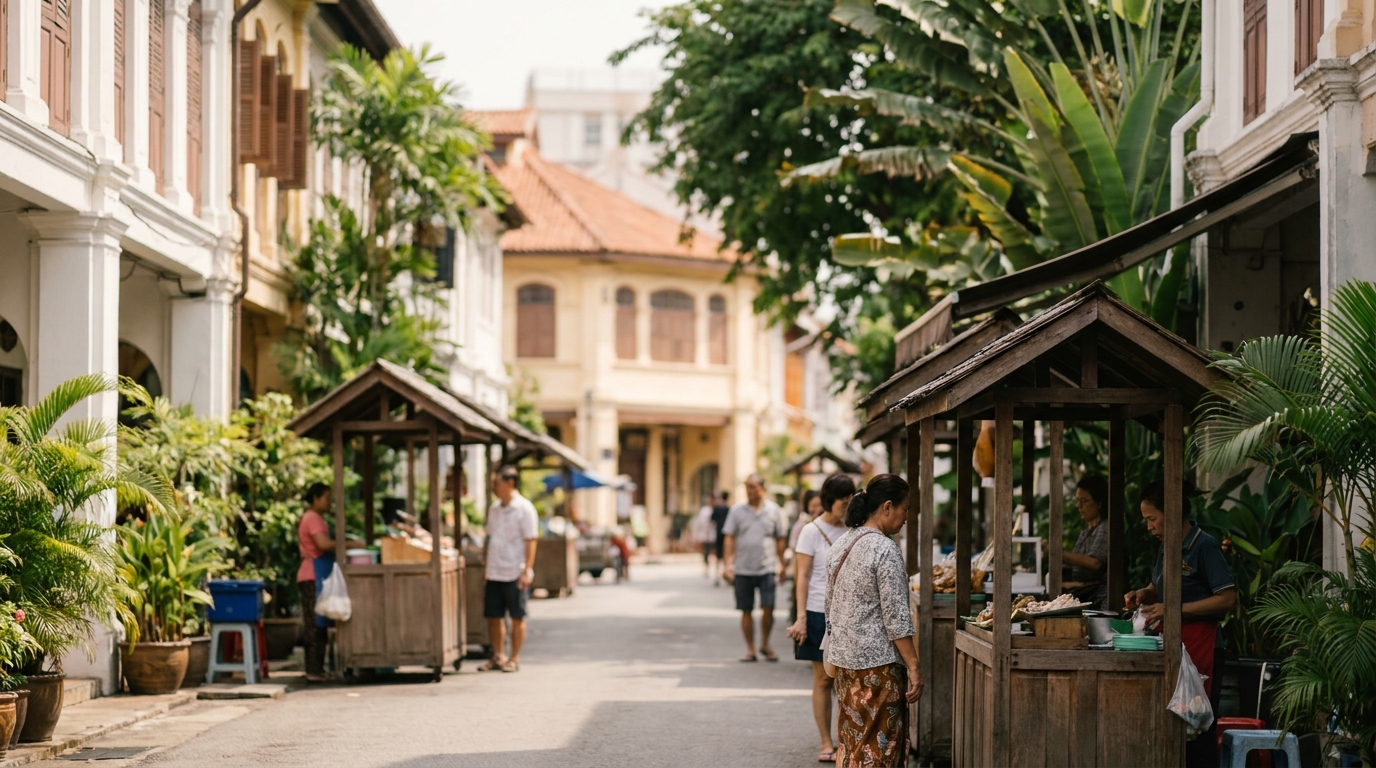
Port wine is produced exclusively in the Douro Valley, but it ages in the cellars of Vila Nova de Gaia, the city directly across the river from Porto. The microclimate of Gaia — cool, humid, and stable — is ideal for the slow oxidation that gives port its character. Roughly 50 port lodges operate in Gaia, and most offer tours and tastings.
The Three Styles
Port comes in three main styles. Ruby port is young, fruity, aged 2-3 years in large oak vats, and the least expensive (10-20 EUR per bottle). Tawny port ages in small oak barrels for 10, 20, 30, or 40 years, developing flavors of caramel, dried fruit, and nuts. A 20-year tawny (40-60 EUR) is the sweet spot of value and complexity. White port is made from white grapes, aged briefly, and served chilled as an aperitif with tonic water and a lemon slice (porto tonico, the Portuguese summer drink of choice).
The Best Cellar Tours
Graham’s (across the river in Gaia, 22 EUR tour + tasting) has the best view from its terrace and the most polished tour experience. The tasting room overlooks the Douro and the Porto skyline. Taylor’s (20 EUR) has the most beautiful tasting room and an audio guide that covers the history of port without the forced theatricality of some competitors. Sandeman (18 EUR) is the most tourist-friendly with costumed guides and a museum that covers the brand’s history since 1790.
Book tours at least one day ahead in peak season (June-September). Most lodges are open daily 10:00 AM-6:00 PM. Walk across the Dom Luis I Bridge rather than driving — the pedestrian upper deck has the best river view in the city.
* Skip the mass-market lodge tours. Go to the *Porto Augusto tasting room on Rua de Sao Francisco in Porto proper, a small independent producer whose 20-year tawny costs 8 EUR per glass and whose owner, Augusto, often pours it himself. No tour, no gift shop, just port. The white port and tonic on the tiny terrace overlooking the Douro is the best 5 EUR you will spend in Porto.
The 3-Day Porto Itinerary
Hour-by-hour plan, where to stay and what it really costs — free PDF.
Free · No spam · Unsubscribe anytime
Hidden Streets & Secret Spots
Rua das Flores
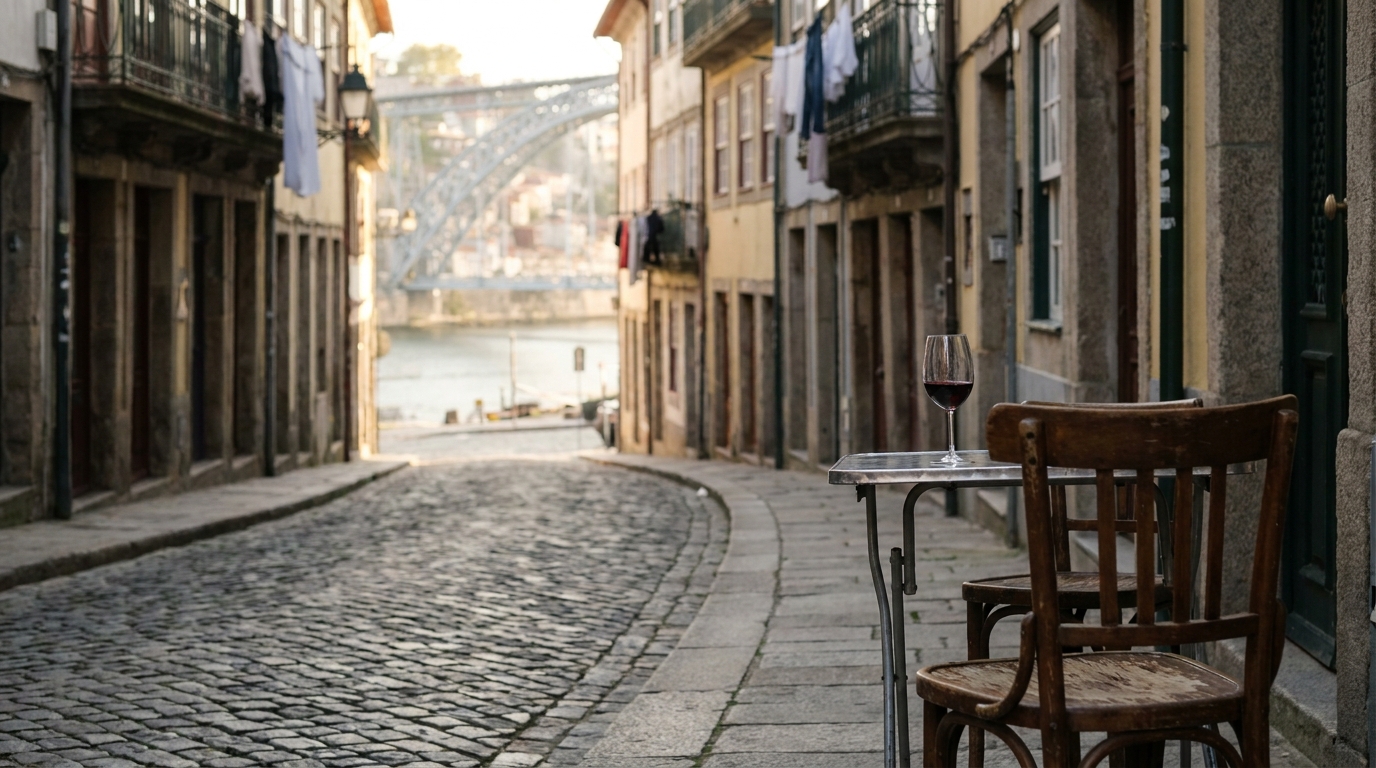
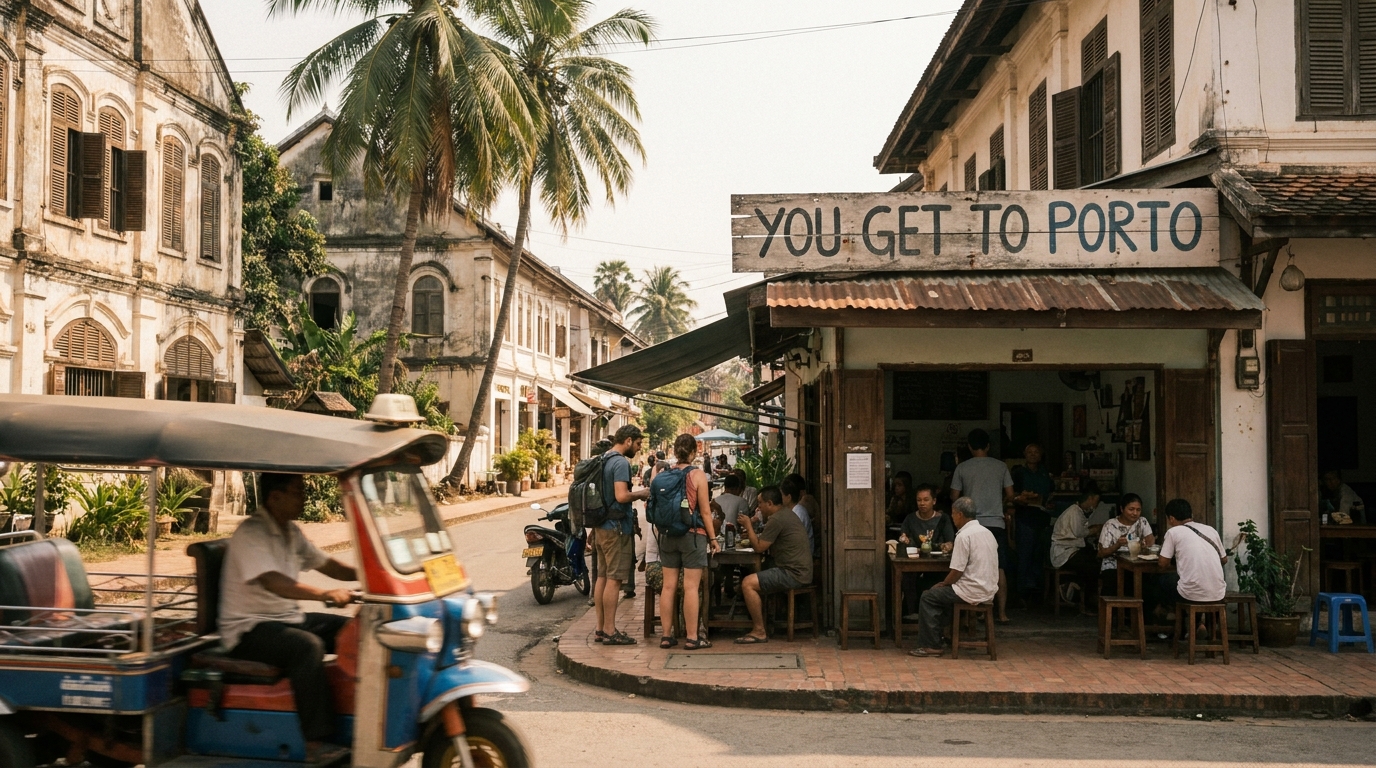
The Street of Flowers runs from Sao Bento Station down toward the river, and it has transformed in the past decade from a forgotten thoroughfare into Porto’s most charming pedestrian street. The shopfronts are tiled. The cafes spill onto the cobblestones. Mercearia das Flores is a tiny grocery selling Portuguese tinned fish, olive oil, cheese, and wine, all from small producers. The street rewards slow wandering, and it is quiet before 10:00 AM.
Rua de Miguel Bombarda
Porto’s art district runs along this street and the surrounding blocks, where roughly 20 art galleries occupy former shopfronts. The galleries open late on the first Saturday of each month (Aberto ao Sabado) with free wine and a crowd that spans art students to serious collectors. The street itself is lined with tiled facades and independent design shops selling Portuguese ceramics, textiles, and jewelry. O! Galeria and Galeria Fernando Santos are the two standout spaces.
The Virtudes Garden (Jardim das Virtudes)
A terraced park descending the hillside from Rua de Azevedo de Albuquerque down toward the Douro, the Virtudes Garden is where Porto goes to watch the sunset. The terraces are grassy and informal. Locals bring blankets and bottles of vinho verde. The view spans the Douro River, the Arrabida Bridge, the ocean in the distance, and the entire Gaia waterfront. Free. Go an hour before sunset and claim a spot on the middle terrace.
Most Photogenic Places in Porto
The Dom Luis I Bridge from the Ribeira
Photograph the bridge from the Cais da Ribeira at sunset, when the iron arches glow orange and reflect on the Douro below. A 24mm wide-angle captures the full span. The Rabelo boats in the foreground add scale. The light is best in the hour before sunset.
The Tile Facade at Capela das Almas
Stand across Rua de Santa Catarina from the church and photograph the facade flat-on at a 50mm focal length. Morning light (before 11:00 AM) hits the tiles directly. The blue-on-white contrast is most vivid on overcast days, when the soft light removes glare from the glazed surface.
The Teleferico de Gaia View
The cable car runs from the Gaia waterfront to the upper level of the Dom Luis bridge. The view from the gondola, looking across the river at the entire Porto skyline with the Clerigos Tower at its center, captures the city in a single frame. A ride from the river to the top costs 6 EUR one-way. The view is worth triple.
Sao Bento Station Interior
A wide-angle lens (16-24mm) captures the full hall from the entrance. The tiles on the upper frieze require a 50mm lens to isolate individual scenes. Morning light through the eastern windows creates the best natural illumination. Avoid midday when the overhead light is flat.
Frequently Asked Questions
How many days do I need in Porto?
Three full days is ideal. Day one for the historic center (Sao Bento, Clerigos, Lello, the Ribeira). Day two for Vila Nova de Gaia and port tasting. Day three for a Douro Valley day trip by train or boat. Two days covers the highlights. Porto rewards a slower pace.
Is Porto safe for tourists?
Porto is one of the safest cities in Europe with low violent crime rates. Standard precautions apply: watch for pickpockets in crowded areas (Sao Bento, around Lello bookstore), keep valuables out of sight, and avoid the darker alleys of the Ribeira after midnight.
Is Porto expensive?
Porto is one of the most affordable major cities in Western Europe. Budget 80-120 EUR ($85-130 USD) per person per day including a mid-range hotel, three meals, wine, and attraction entries. A three-course dinner for two with wine costs 35-50 EUR. A glass of port at a riverside cafe costs 5-8 EUR.
What is the best time to visit Porto?
April through June and September through October are ideal with 18-25 degrees C (64-77 F), moderate crowds, and the best light for photography. July and August bring peak crowds and temperatures near 30 degrees C (86 F). November through March brings rain, cooler temperatures, and significantly fewer visitors.
How do I get from Porto to the Douro Valley?
The Linha do Douro train from Sao Bento Station follows the Douro River upstream through terraced vineyards and small villages to Pinhao (2 hours, 12 EUR one-way). The journey is one of the most scenic train rides in Europe. Sit on the left side of the train facing forward from Porto for the best river views. The train runs 2-3 times daily. Book through CP.pt.
Porto is a city of slate and sky, of blue tiles and port wine, of bridges designed by Eiffel’s student and bookstores that inspired wizards. The Ribeira glows golden at sunset. The Clerigos Tower stands over everything. The port lodges across the river pour ruby and tawny in rooms cooled by the Douro’s humidity. Porto does not try to impress you. It already knows what it is.
Walk across the Dom Luis bridge at sunset. Drink a white port and tonic on a terrace. And when you leave, leave slowly enough that the city can change your mind about leaving at all.
For more European city inspiration, explore our guides to Ljubljana in Slovenia and Bruges in Belgium. For more Portuguese experiences, continue to the Douro Valley and Lisbon.
Sources: Porto Tourism (2025-2026), individual venue websites for pricing and hours (2026). Book: GetYourGuide for Douro Valley tours, Booking.com for hotels, Airalo for Portugal eSIM from $6.
More European Travel Guides
- Menton Travel Guide
- Ljubljana Travel Guide
- Annecy Travel Guide
- Bergen Travel Guide
- Bruges Travel Guide
- Giardini Naxos Travel Guide