Disclosure: Some links in this guide are affiliate links. If you book or buy through them, we may earn a small commission at no extra cost to you — it helps keep our guides free.
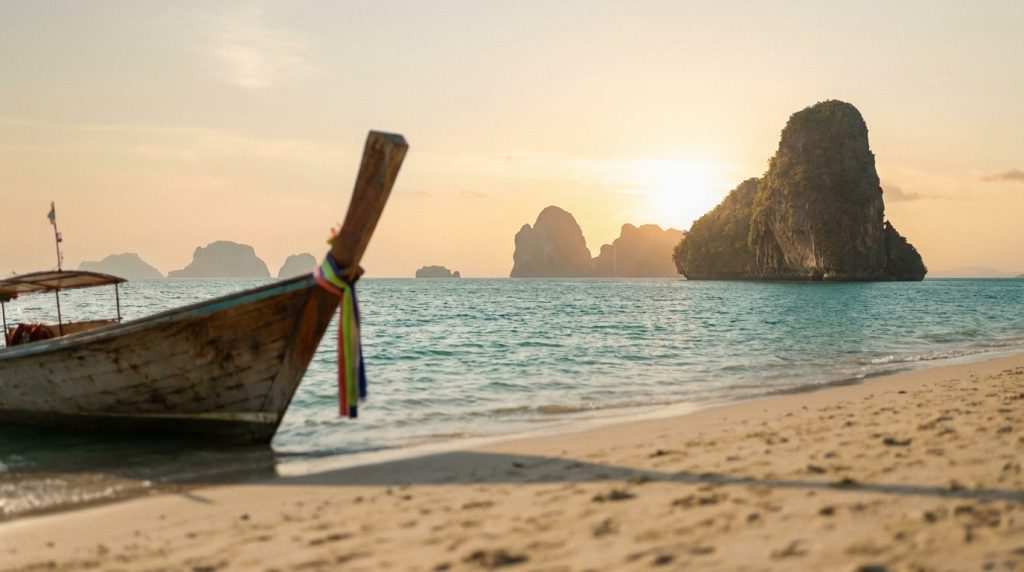
The best time to visit Malaysia is December to March if you are on the west coast, when Penang’s rainfall drops to about 70mm a month and Langkawi hits its driest stretch, while the east coast is at its worst across those same months, with island resorts closed for roughly four months of the year.
Malaysia sits on the equator with no true hot or cold season, so the right month depends on which coast, or which part of Borneo, you are actually visiting, not a single national calendar. Safety questions beyond the weather are covered in is Malaysia safe.
| Month | West coast (Penang/Langkawi/KL) | East coast (Perhentians/Tioman) | Borneo (Sabah/Sarawak) | Verdict |
|---|---|---|---|---|
| January | Dry, Langkawi’s driest month | Monsoon, most resorts closed | Sarawak’s wettest month | West coast only |
| February | Dry, Penang’s driest month | Monsoon, resorts closed | Sabah’s drier stretch begins | West coast only |
| March | Dry, warming up | Resorts reopening | Dry season starts | Good almost everywhere |
| April | Dry to shoulder | Open, calm seas | Dry, warm | Good almost everywhere |
| May | Southwest monsoon builds | Open, good diving | Dry season, best from here | East coast and Borneo |
| June | Wetter spells | Open, peak season | Sarawak’s driest month | East coast and Borneo |
| July | Wetter spells | Open, peak season | Dry, warm | East coast and Borneo |
| August | Wetter spells | Open, peak season | Dry, warm | East coast and Borneo |
| September | Southwest monsoon | Open, still good | Sabah turns wetter | East coast still strong |
| October | Wet, transitional | Resorts start winding down | Wetter | Shoulder, book carefully |
| November | Northeast monsoon begins | Closing or closed | Sabah’s wet season | Avoid the east coast |
| December | Dry season starts | Closed | Wet | West coast reopens |
Sources: Penang and Langkawi rainfall via Holidify and Traveloka; east-coast closures via Malay Mail and Tioman Ferry; Sabah and Sarawak seasons via Responsible Travel and Selective Asia, 2026. For the duty-free island specifically, see is Langkawi worth visiting.
The west coast (Penang, Langkawi, Kuala Lumpur) – when to go
December to March is the best window for Penang, Langkawi and Kuala Lumpur, because this is when the region’s dry season keeps skies clear and rain light. Penang’s driest month is February, with January and February both averaging around 70mm of rain, while Langkawi’s driest month is January at roughly 24mm.
From May through September the southwest monsoon brings heavier, more frequent showers to the west coast, though the rain usually falls in short afternoon bursts rather than washing out a whole day.
Kuala Lumpur, being inland rather than coastal, does not track the beach islands exactly: its wettest month is November, with rainfall reported as high as 373mm, while June through August tend to be its calmer, drier stretch, so a city-only trip has more flexibility than a beach trip built around Penang or Langkawi.
For month-by-month detail on Penang specifically, including which weeks get the most rain, see when to visit Penang; for Langkawi’s own dry-season window, see the best time to visit Langkawi. If those dry months fit your leave, ten days across peninsular Malaysia covers KL, the Cameron Highlands, Penang and Langkawi with two buses and two short flights.
Why the east-coast islands close in winter
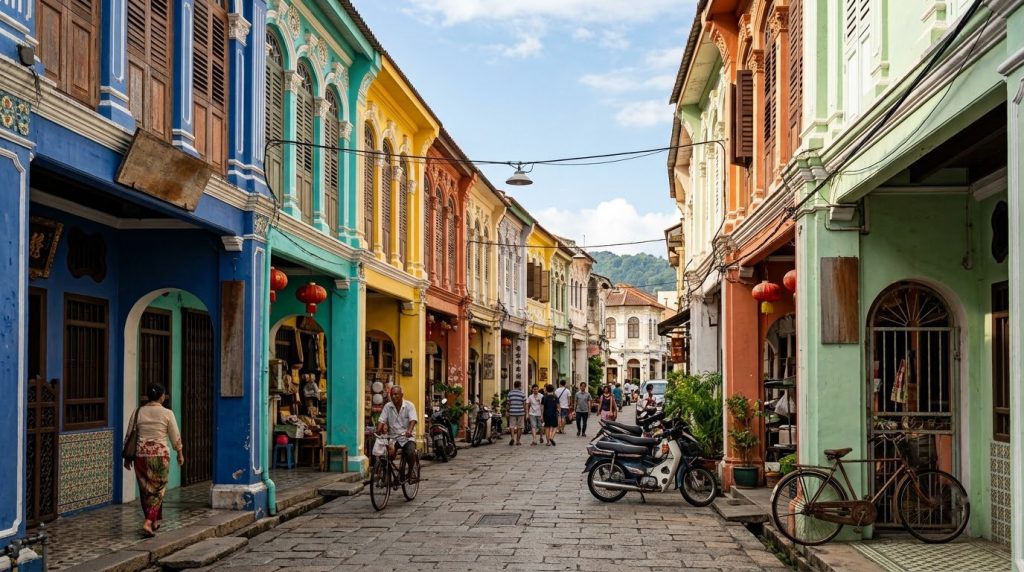
The islands of Perhentian, Tioman and Redang effectively shut down for around four months, from November to February, because the northeast monsoon brings swells reported at three metres or higher and makes ferry crossings unsafe. Terengganu’s resort operators begin winding down from mid-October, and most hotels, guesthouses and scheduled ferries on these recreational islands suspend operations well before November.
The islands reopen gradually, with a handful of ferries resuming in late February and the majority of resorts back in business by March.
Anyone who does travel out to these islands close to the closure window risks getting stranded, since a sudden swell can cancel the return ferry with little warning, which is why operators would rather shut early than leave guests waiting on a jetty in rough seas.
This is the detail most Malaysia guides skip: the “best time to visit Malaysia” question has two different answers depending on which coast you mean, because the west coast’s December-to-March high season is exactly when the east coast is closed.
Borneo (Sabah and Sarawak) – its own calendar
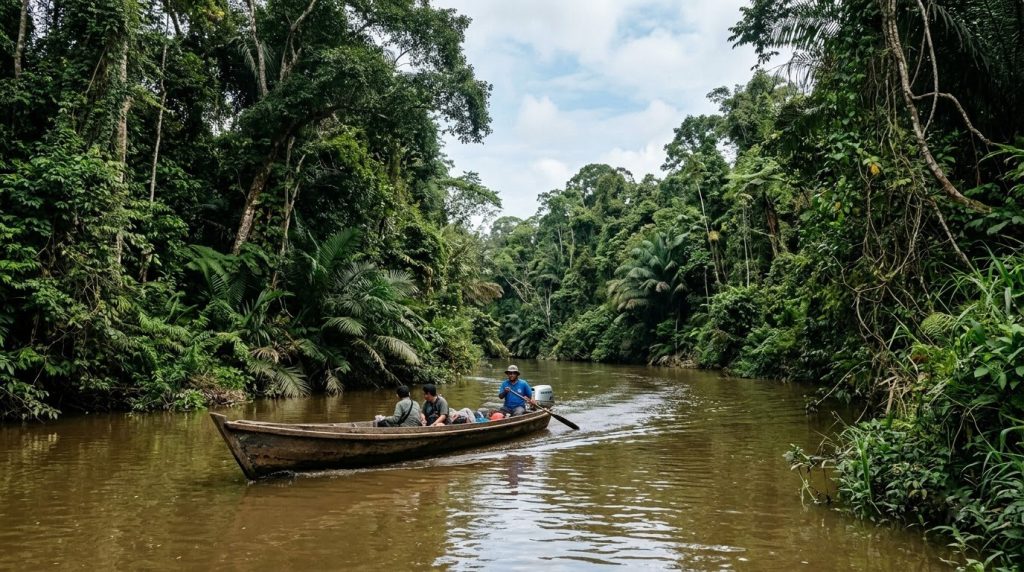
Borneo runs on a separate monsoon pattern from the peninsula, so May to September is the safest stretch for both Sabah and Sarawak.
Sabah has a wetter season from September to January and a drier one from February to August, with its east coast turning noticeably wetter in October, November and December while the Kota Kinabalu area on the west stays drier.
Sarawak’s wet-dry split is sharper: January is its wettest month, June and July are its driest, and the Kuching coast has a reliable drier window from April to September. Rain around Kuching in December and January is close to guaranteed, so travellers heading to Sarawak specifically should treat those two months as the ones to avoid.
Because Sabah and Sarawak split their own wet and dry periods differently from each other, a trip covering both states needs its own compromise window rather than borrowing the peninsula’s December-to-March logic, and May through September is the closest either state comes to a shared dry patch.
The months that work almost everywhere
March and April are the two months when the west coast, the east coast and Borneo are all open and reasonably dry at the same time.
The west coast is still inside its December-to-March dry season, the east-coast islands have reopened after the monsoon, and Borneo’s dry season has just started, so a multi-region trip carries the least weather risk in this window.
September is a secondary option for travellers skipping the west coast, since the east-coast islands and Borneo are still in reasonably good shape even as Penang and Langkawi head into their wetter months.
Neither month is a guarantee against rain anywhere in Malaysia, since short tropical downpours can still happen year-round, but March and April are the months where no single region is actively working against the trip.
When NOT to visit Malaysia
November and December are the worst months for any trip that includes the east coast, because Perhentian, Tioman and Redang are largely closed and Sarawak is heading into its wettest month of the year.
January adds Sarawak itself to the avoid list, even though it is peak season on the west coast, since Kuching sees close to guaranteed rain that month. If an itinerary mixes the east coast or Sarawak with Penang, Langkawi or Kuala Lumpur, build it around March, April or September rather than the west coast’s own December-to-March peak.
Kuala Lumpur is the one part of the country that does not force a hard avoid, since its wettest month, November, still leaves the city itself functional, but pairing a KL stopover with an east-coast island in that window will still run into the same resort closures described above.
Festivals and events that affect prices and crowds
Malaysia’s biggest festival swings are set by the lunar and Islamic calendars rather than by weather, and they move each year, so checking the specific dates for the year of travel matters more than memorising a fixed month.
Chinese New Year, typically falling in late January or February, brings a short but sharp spike in domestic travel and hotel demand, especially in Penang and Kuala Lumpur, as Malaysian-Chinese families travel to be together; some smaller businesses and hawker stalls close for several days around the holiday itself, which is worth factoring into a food-focused Penang trip.
Hari Raya Aidilfitri, marking the end of Ramadan, is the other major nationwide holiday and shifts earlier by roughly ten to eleven days each year on the Gregorian calendar.
Expect reduced hours at some restaurants during the preceding Ramadan fasting month, particularly in more conservative states, alongside a surge in domestic travel and transport demand around the Hari Raya holiday itself as Malaysians return to hometowns across the country.
Thaipusam, a Hindu festival usually falling in late January or early February, draws large crowds to temples, most visibly the Batu Caves outside Kuala Lumpur, and Deepavali, Malaysia’s Hindu festival of lights, typically falls in October or November and lifts demand in areas with significant Indian-Malaysian communities.
None of these festivals close the country to travel, but all four add a crowd and price layer on top of the weather patterns described above, and checking festival dates against a planned trip is worth doing before locking in flights.
Planning a Malaysia trip from Australia
Direct flights from Australia to Malaysia are more available than many travellers expect, with Kuala Lumpur well served from the main east-coast cities and a newer direct Perth-to-Penang route adding a second entry point beyond KL for travellers heading straight to the island.
Routing through Kuala Lumpur first and connecting onward to Penang or Langkawi is still the most common pattern for a west-coast-focused trip, and booking the domestic leg as a single itinerary with the international flight usually protects against a missed connection better than booking separately.
Flight prices and seat availability tighten around the same festival windows covered above, since Chinese New Year and Hari Raya both drive heavy domestic and regional travel on top of normal tourist demand, so booking further ahead for a trip landing on either holiday is worth the extra planning lead time.
Australian travellers heading to Borneo specifically should also check routing carefully, since some Sabah and Sarawak connections run through Kuala Lumpur or Kota Kinabalu rather than direct from Australia, adding a leg that is easy to miss when first roughing out an itinerary.
Currency timing is a smaller but real factor: AUD/MYR exchange rates move enough across a year that travellers booking far ahead sometimes convert spending money in stages rather than all at once, locking in a portion early and watching the rate for the balance closer to departure.
None of this should overshadow the weather-driven timing covered above, since a Perhentian trip booked for a cheap fare in November still runs into a closed resort regardless of how good the exchange rate looked when the ticket was bought.
Plan your Malaysia trip
Start with the region that matters most to the trip, then layer the others around its dry season using the table above rather than a single national average. Once the route is set, pair it with a Penang itinerary or a Langkawi itinerary to turn the season into a day-by-day plan.
Find your Malaysia hotel on the map
Live prices from Booking, Airbnb and more — move the map or change dates to compare stays across Malaysia.