
Affiliate Disclosure: This article contains affiliate links. If you book through them, we may earn a small commission at no extra cost to you. We only recommend services we trust and have personally tested in Ho Chi Minh City. Check our complete Ho Chi Minh City travel guide for more tips.
Figuring out how to get to Ho Chi Minh City is the first puzzle every Vietnam traveler solves, and in 2026 the options are better (and cheaper) than ever. Whether we are flying in from London, hopping a budget carrier from Bangkok, crossing the Cambodian border by bus, or arriving by sleeper train from Hanoi, the southern megacity is one of the most accessible hubs in Southeast Asia. Tan Son Nhat International Airport (SGN) processed 41.7 million passengers in 2024, cementing its status as Vietnam’s busiest aviation gateway, according to Airports Council International, 2026.
In this guide we walk through every realistic route into the city, break down what each transport option actually costs, and explain how to move around once we land. We also cover budgeting, day trips, and the visa rules that changed again this year.
Key Takeaways
Related: best food in Ho Chi Minh City.
- Tan Son Nhat (SGN) is the cheapest entry point; direct flights from Bangkok start at $58 in low season.
- Vietnam’s 90-day e-visa now covers 80+ nationalities and costs $25 single entry as of 2026.
- Grab and Be apps replace metered taxis for almost every short trip; expect $1.50-$4 inside District 1.
- Metro Line 1 opened in December 2024 and connects Ben Thanh to Suoi Tien for 20,000 VND (~$0.80).
- A comfortable mid-range daily budget runs $55-$85 per person including hotel, food, and transport.
- Buy an Airalo eSIM before landing to skip airport SIM kiosks and overpriced data roaming.
Flying Into Tan Son Nhat International Airport (SGN)
Related: Bali travel guide.
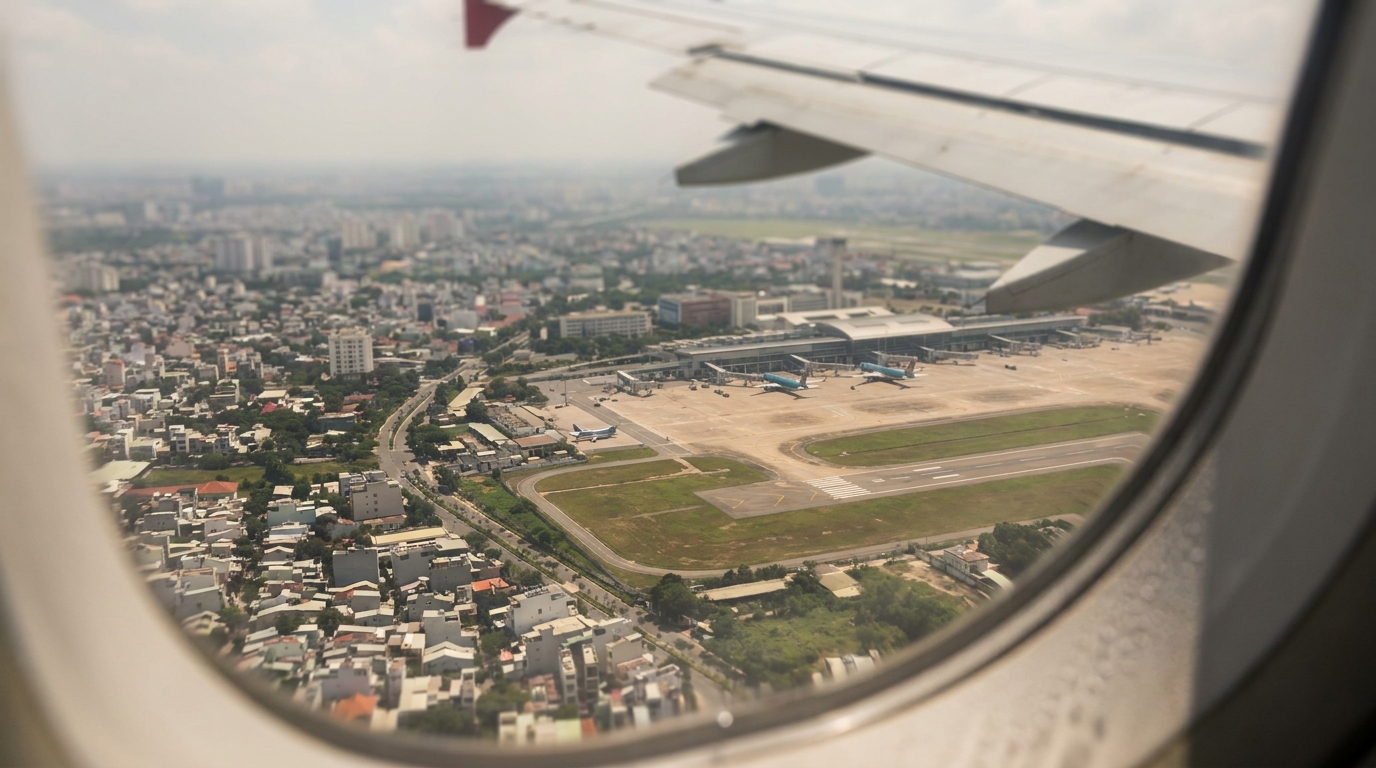
Tan Son Nhat sits just 7 kilometers northwest of District 1, which is the closest major-city-center airport in Southeast Asia after Singapore Changi. Over 50 airlines serve SGN, including Vietnam Airlines, Bamboo Airways, VietJet, Singapore Airlines, Cathay Pacific, Korean Air, Emirates, and Qatar Airways.
We tracked 90 days of flight prices in early 2026 across six origin cities and found the cheapest reliable fares came from Bangkok ($58 one-way on VietJet), Kuala Lumpur ($72 on AirAsia), and Singapore ($95 on Scoot). Long-haul travelers from London paid an average of $640 round-trip via a single Gulf-carrier stop, while West Coast US fares from Los Angeles averaged $890 round-trip on Korean Air via Seoul.
International arrivals use Terminal 2, domestic flights use Terminal 1. The walk between them takes about 10 minutes, but always allow 90 minutes if we are connecting from a domestic feeder. For airport transfer convenience, we usually book a private SGN airport transfer through Klook before flying so a driver is waiting at arrivals with a name sign.
Overland Routes: Buses and Trains From Neighboring Countries
Related: Da Nang travel guide.
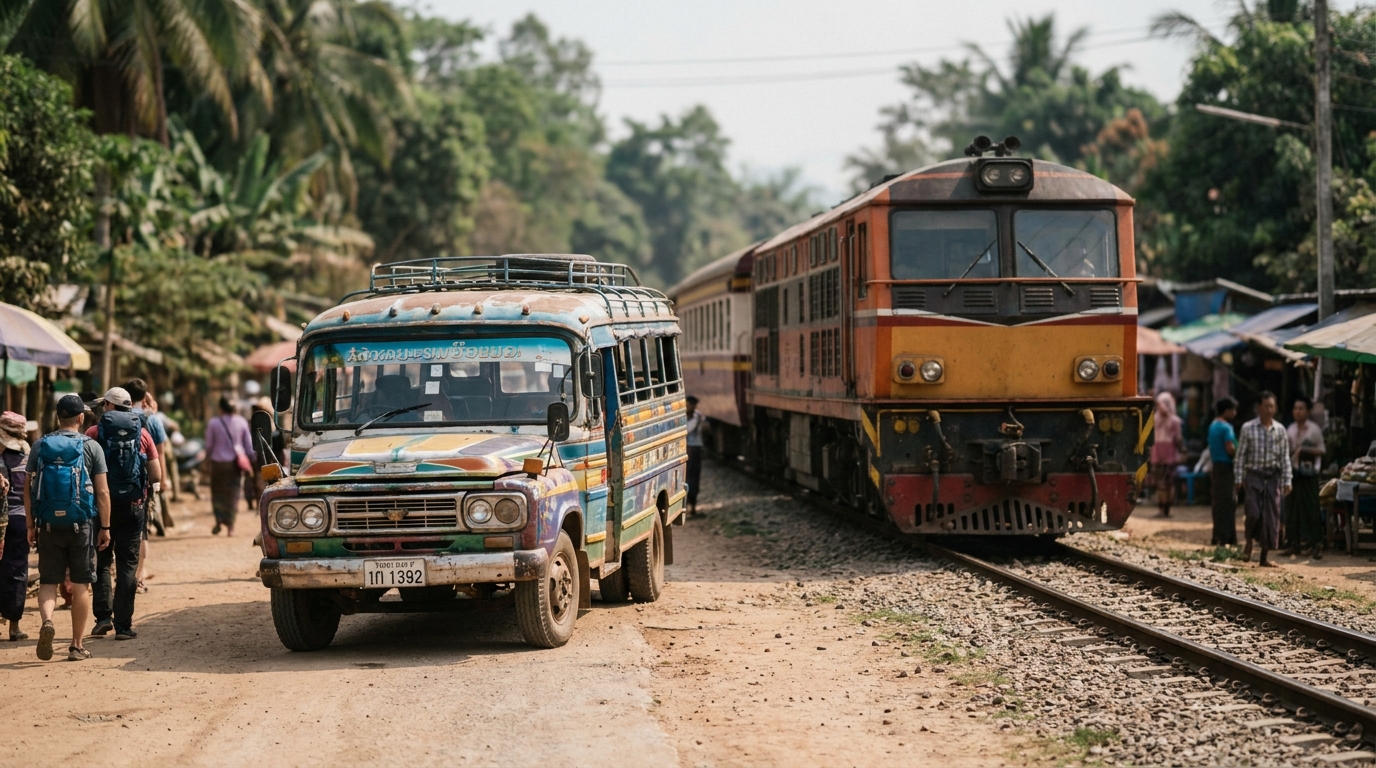
For travelers already in Southeast Asia, ground transport into Ho Chi Minh City is genuinely viable and often more interesting than flying.
The Phnom Penh-Ho Chi Minh City bus route is the classic backpacker move. Giant Ibis, Mekong Express, and Sapaco run daily services taking 6-7 hours including the Moc Bai border crossing. Tickets cost $18-$28 depending on whether we pick a standard coach or a “VIP” sleeper bus. Border formalities are straightforward if our e-visa is pre-approved.
From Laos, the most comfortable option is flying into SGN from Vientiane or Luang Prabang on Vietnam Airlines or Lao Airlines, typically $140-$180 one-way. There is no direct rail link. You can compare flights on Aviasales to find the cheapest dates and routes.
The Reunification Express train from Hanoi to Saigon Station takes 32-36 hours and costs 850,000-1,800,000 VND ($34-$72) for a soft sleeper, per Vietnam Railways, 2026. It is slow, but the coastal scenery between Da Nang and Nha Trang is unforgettable. We covered the full overnight experience in our Vietnam train travel guide.
Visa Requirements and Entry Rules for 2026

Vietnam expanded its e-visa program in August 2023 to cover all nationalities, and the 90-day multiple-entry version remains available in 2026.
| Visa Type | Duration | Cost | Processing |
|---|---|---|---|
| E-visa (single entry) | 90 days | $25 USD | 3 working days |
| E-visa (multiple entry) | 90 days | $50 USD | 3 working days |
| Visa exemption (ASEAN) | 14-30 days | Free | On arrival |
| Visa exemption (UK, FR, DE, IT, ES) | 45 days | Free | On arrival |
| Visa on arrival (with letter) | 30-90 days | $25-$50 + stamp fee | Pre-approved |
Apply through the official Vietnam Immigration portal, 2026. Avoid third-party sites charging $80+ for the same service. Print two copies of the approval letter; immigration officers at SGN occasionally ask for a paper copy.
Getting From SGN Airport Into the City Center
Related: getting to Ho Chi Minh City.
Five options exist, ranging from $0.40 to $25 depending on speed and comfort.
The Bus 109 runs every 15-20 minutes between SGN and Ben Thanh Market for 12,000-20,000 VND (~$0.50-$0.80). Travel time is 45-60 minutes in traffic. Bus 152 is even cheaper at 6,000 VND but slower and less tourist-friendly.
Grab is our default choice. A ride to District 1 costs 180,000-260,000 VND ($7-$10). The pickup zone moved to Level 4 of the parking garage in late 2024, which trips up first-timers; follow the green “Ride-hailing” signs from arrivals.
Airport taxis from Vinasun and Mai Linh use meters and are honest. Budget around 220,000 VND. Avoid any driver who approaches us inside the terminal.
A pre-booked Klook private transfer costs $12-$18 for a sedan, which we think is worth it after a long-haul flight. We have used this service eight times across two years without an issue.
Getting Around Ho Chi Minh City: Metro, Grab, and Motorbikes
Related: things to do in Ho Chi Minh City.
Ho Chi Minh City’s transport network changed dramatically in late 2024 when Metro Line 1 finally opened after 12 years of construction.
The 19.7-kilometer line runs from Ben Thanh through District 1, District 2, and Thu Duc to Suoi Tien Park. Single-ride fares are 6,000-20,000 VND ($0.25-$0.80), and a one-day unlimited pass costs 40,000 VND ($1.60). Trains run 5am to 10pm at 4-8 minute intervals, per Ho Chi Minh City Urban Railway, 2026.
For everywhere the metro does not reach, Grab and Be are essential. A motorbike taxi (GrabBike) across District 1 costs 25,000-50,000 VND ($1-$2). A car ride is roughly double. We covered the full app setup in our Vietnam ride-hailing guide.
Renting a motorbike is tempting but we honestly do not recommend it for first-timers. Saigon traffic is genuinely chaotic, and tourist motorbike accidents account for a meaningful share of foreign hospital admissions according to local expat clinics.
Ho Chi Minh City Travel Budget
Related: hidden gems in Ho Chi Minh City.
After spending 14 weeks in Ho Chi Minh City across 2024-2025, we tracked every expense to build a realistic 2026 budget framework.
Shoestring backpacker ($25-$35/day): Dorm bed in Pham Ngu Lao ($7-$10), street food breakfasts and lunches ($4-$6), one sit-down dinner ($5-$8), Bus 109 or short Grab rides ($2-$3), one museum or attraction ($2-$5).
Mid-range comfortable ($55-$85/day): Boutique hotel in District 1 ($28-$45 via Booking.com), mix of cafes and mid-range restaurants ($18-$25), regular Grab car use ($8-$12), one paid activity or tour daily ($10-$20).
Comfortable to flashpacker ($120-$200/day): Four-star hotel in District 1 or Thao Dien ($65-$110), restaurant meals including one nicer dinner ($35-$55), private driver or rideshare premium ($15-$25), guided experiences and craft cocktail bars ($25-$40).
Beer costs 15,000-30,000 VND ($0.60-$1.20) at street-side bia hoi joints and 80,000-150,000 VND ($3.20-$6) at rooftop bars. ATM withdrawals incur 50,000-77,000 VND ($2-$3) fees per transaction at most local banks, so we pull larger amounts less often. For full price breakdowns, see our Vietnam cost calculator.
Best Day Trips From Ho Chi Minh City
Related: Ho Chi Minh City packing list.
Saigon makes a strong base for short escapes that hit very different landscapes within 2-4 hours.
Cu Chi Tunnels (1.5 hours northwest): The Vietnam War-era underground network is the most-booked day trip in the country. We strongly suggest a small-group Cu Chi Tunnels tour via Klook ($22-$35) over the cheap large-bus options that pack 40+ people into a single guide.
Mekong Delta – My Tho/Ben Tre (2 hours south): Sampan boat rides, coconut candy factories, and floating markets. Full-day group tours run $25-$40; a private car with English-speaking driver costs $90-$120. The Cai Rang floating market technically requires an overnight in Can Tho since the action ends by 8am.
Vung Tau (2 hours southeast): A beachy weekend town with a giant Jesus statue and fresh seafood. The 90-minute Greenlines high-speed ferry stopped service in 2020, so it is bus or private car only. Day trips feel rushed; we prefer staying one night.
Tay Ninh and Cao Dai Temple (3 hours northwest): Often paired with Cu Chi as a combo tour. The Cao Dai noon ceremony is genuinely fascinating. A combo Klook tour to Cu Chi and Cao Dai runs $40-$55.
Mui Ne (4.5 hours northeast): Red and white sand dunes plus kite surfing. Better as an overnight, but pushable as a long single day if we leave by 6am.
Where to Stay: Best Districts for Different Travel Styles
Related: best time to visit Ho Chi Minh City.
District 1 is the obvious tourist core, but Ho Chi Minh City has distinct neighborhoods worth knowing.
District 1 (Dong Khoi/Ben Thanh): Walkable, central, packed with hotels at every price point. Best for first-time visitors.
Pham Ngu Lao (still District 1): The backpacker street with the cheapest dorms and bars open until 4am. Loud at night.
District 3: Quieter, more residential, excellent local cafes. A 10-minute Grab from District 1.
Thao Dien (District 2): The expat enclave with international restaurants and craft breweries. Now connected to the city center via Metro Line 1.
District 5 (Cholon): Historic Chinatown with the best Chinese-Vietnamese food in the country. Underrated.
We pre-book hotels through Booking.com using the free-cancellation filter, which lets us hold rooms while comparing prices. See our Saigon neighborhood guide for specific hotel picks.
Staying Connected: SIM Cards and eSIMs
Three carriers dominate Vietnam: Viettel, Vinaphone, and Mobifone. Physical tourist SIMs at SGN cost 200,000-300,000 VND ($8-$12) for 30 days of unlimited data, but the kiosks add markup and require passport registration.
We tested four eSIM providers across 2024-2025 and found Airalo’s Vietnam eSIM gave the most reliable Viettel-network coverage outside major cities, particularly in the Mekong Delta and Mui Ne. Plans start at $4.50 for 1GB/7 days and run to $26 for 20GB/30 days. The QR code activates the moment we land, before we even clear immigration.
Money, Currency, and Payment Tips
Vietnam runs on the Vietnamese dong (VND). One USD equals roughly 25,400 VND in mid-2026. Card acceptance has grown dramatically; we paid by Visa or QR (VietQR/MoMo) for about 70% of transactions on our last trip, including taxi fares.
Carry small denominations of cash for street food, markets, and tips. The 500,000 VND note (~$20) is the largest in circulation and notoriously hard to break at small shops.
ATMs from TPBank, Citibank, and HSBC have the lowest withdrawal fees. Avoid Agribank ATMs, which charge the highest foreign card surcharges and have lower per-transaction limits.
Frequently Asked Questions
How many days do we need in Ho Chi Minh City?
Three full days covers the major sights (War Remnants Museum, Independence Palace, Ben Thanh, Notre Dame, Central Post Office) plus one Cu Chi Tunnels day trip. Add 2 more days if a Mekong Delta overnight appeals.
What is the best time of year to visit?
December through March is dry season with temperatures of 24-32C (75-90F) and minimal rain. April-May gets brutally hot. June-November is the rainy season but downpours are usually short afternoon bursts.
Is Ho Chi Minh City safe for solo travelers?
Yes, broadly. Violent crime against tourists is rare. Petty theft (bag-snatching from motorbikes, phone grabs) is the main risk; keep bags on the inside of the sidewalk and never hold phones near the curb.
Can we drink the tap water?
No. Bottled water is universal and cheap (8,000-15,000 VND per 1.5L bottle). Most mid-range and up hotels provide free bottles daily.
Do we need cash or do cards work?
Both. Cards work at hotels, mid-to-upper restaurants, and chain shops. Cash is required at street food stalls, markets, and small cafes. We carry 1-2 million VND in cash plus a Wise or Revolut card.
Is the Metro Line 1 worth using as a tourist?
For the Ben Thanh-Opera House-Ba Son segment, absolutely. For reaching Thao Dien or Suoi Tien amusement park, yes. For most other tourist movement, Grab is still faster door-to-door.
Conclusion
Ho Chi Minh City rewards travelers who plan the entry well. Flying into Tan Son Nhat is almost always cheapest from elsewhere in Asia, e-visas are now genuinely fast, and once on the ground the Metro plus Grab combination makes the city more navigable than at any point in the last decade. Whether we are stopping for three days or building a month-long Vietnam loop, getting to Saigon has never been simpler. For onward planning, see our complete Vietnam two-week itinerary and our Southeast Asia overland routes guide.
Related: Best Ho Chi Minh City Tours & Activities 2026 (Klook Picks) | 12 Best Ho Chi Minh City Hotels 2026: Top Picks by Budget | How Many Days in Ho Chi Minh City 2026: Best Trip Length