Disclosure: Some links in this guide are affiliate links. If you book or buy through them, we may earn a small commission at no extra cost to you — it helps keep our guides free.
If you’re planning a bangkok things to do trip, this guide covers everything you need.
Best Things to Do in Bangkok 2026: Gems & Spots
Quick answer: Bangkok’s top things to do start with the Grand Palace and Wat Phra Kaew, the riverside temples Wat Arun and Wat Pho, and weekend shopping at the sprawling Chatuchak Market. After dark, choose between rooftop cocktail bars and the backpacker buzz of Khao San Road, then trade the crowds for hidden gems like the Bang Krachao green lung across the river.
Bangkok welcomed 32.4 million international visitors in 2024, making it the world’s most visited city for the fifth consecutive year (Mastercard Global Destination Cities Index, 2024). With that many people pouring in, you’d think every corner of the city has been explored. It hasn’t.
I’ve spent over 50 days in Bangkok across multiple trips, and I’m still finding new temples, hidden markets, and rooftop views that blow me away. This guide covers everything, from the must-see attractions every first-timer needs to the off-the-beaten-path neighborhoods that even repeat visitors overlook.
Whether you’re hunting for the perfect Instagram shot at Wat Paknam’s emerald pagoda or bargaining for vintage finds at a train night market, Bangkok rewards the curious. Here’s exactly what to do, where to go, and how to make the most of your time.
Key Takeaways
– Bangkok has 400+ temples, but only 5-6 are essential for first-timers
– Visit major attractions before 9 AM to beat crowds and heat
– The city’s best hidden gems are outside the tourist corridor in areas like Bang Krachao and Talat Noi
– Bangkok ranked #1 globally for international visitors with 32.4M arrivals in 2024 (Mastercard, 2024)
– Book temple and floating market tours in advance for skip-the-line access
What Are the Must-See Attractions in Bangkok?
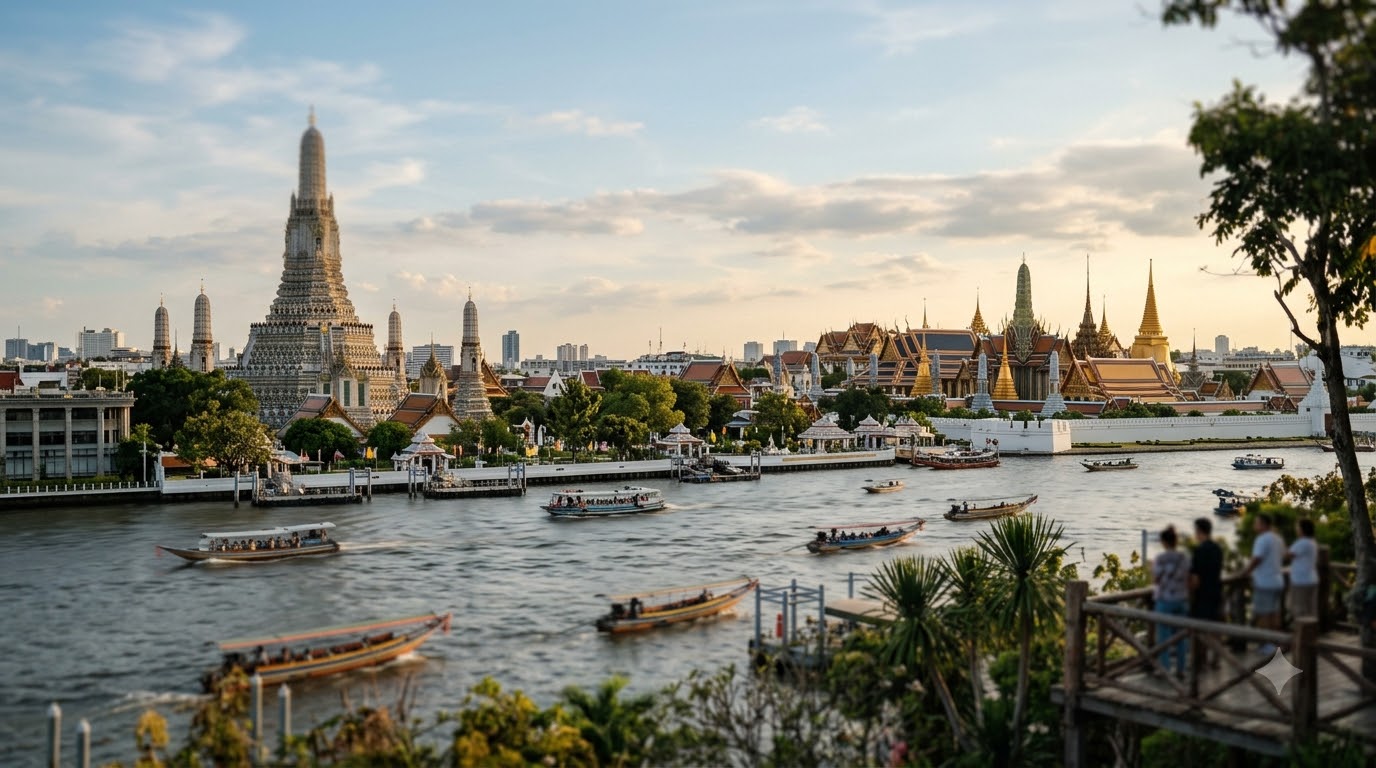
Bangkok’s top attractions center on its royal heritage and vibrant street culture. The Grand Palace alone draws over 8 million visitors annually (Tourism Authority of Thailand, 2024), making it Thailand’s single most visited site. Here are the six places you absolutely shouldn’t skip on a first visit.
Grand Palace and Wat Phra Kaew
The Grand Palace complex covers 218,000 square meters and houses Thailand’s most sacred Buddha image, the Emerald Buddha. Admission costs 500 THB ($14). Arrive right at the 8:30 AM opening to avoid the worst crowds. You’ll need covered shoulders and long pants or a long skirt. No exceptions.
I’ve visited the Grand Palace three times, and the difference between arriving at 8:30 AM versus 11 AM is dramatic. Early mornings give you 20-30 minutes of relatively uncrowded courtyards before the tour bus wave hits.
Wat Pho (Temple of the Reclining Buddha)
Just a 5-minute walk south of the Grand Palace, Wat Pho holds the massive 46-meter Reclining Buddha and is also Thailand’s oldest traditional massage school. Entry is 300 THB ($8.50). The temple grounds are more spacious than the Grand Palace, so crowds feel more manageable. Don’t skip the smaller courtyards behind the main chapel.
Wat Arun (Temple of Dawn)
Cross the Chao Phraya River by ferry (4 THB) from Wat Pho to reach Wat Arun. The porcelain-encrusted spires look incredible at golden hour, and climbing the steep central prang gives you sweeping river views. Entry is 100 THB ($2.80).
Chatuchak Weekend Market
With over 15,000 stalls spread across 35 acres, Chatuchak is one of the world’s largest outdoor markets (Lonely Planet, 2024). It operates Saturday and Sunday from 9 AM to 6 PM. Go early for the best vintage clothing finds. The JJ Green night market, adjacent to Chatuchak, opens Friday and Saturday evenings.
Chinatown (Yaowarat Road)
Bangkok’s Chinatown comes alive after dark. Yaowarat Road transforms into a sprawling street food corridor where you can eat pad thai, roasted duck, and mango sticky rice, all within a single block. Plan to visit after 5 PM when the neon signs light up and food carts roll out.
Jim Thompson House
This teak museum showcases traditional Thai architecture and the art collection of the American silk entrepreneur who mysteriously vanished in 1967. Guided tours (200 THB) run every 20 minutes. The surrounding garden cafe makes a great mid-afternoon escape from the heat.
Citation Capsule: Bangkok’s Grand Palace receives over 8 million visitors per year, making it Thailand’s most-visited cultural attraction (Tourism Authority of Thailand, 2024). The 218,000-square-meter complex requires covered clothing for entry and costs 500 THB ($14) per person.
Detailed Bangkok sightseeing itinerary
The 4-Day Bangkok Itinerary
The plan we use ourselves — sent straight to your inbox.
- Day-by-day route
- Where to stay
- Real 2026 costs
Free · No spam · Unsubscribe anytime
What Are the Best Temples in Bangkok?
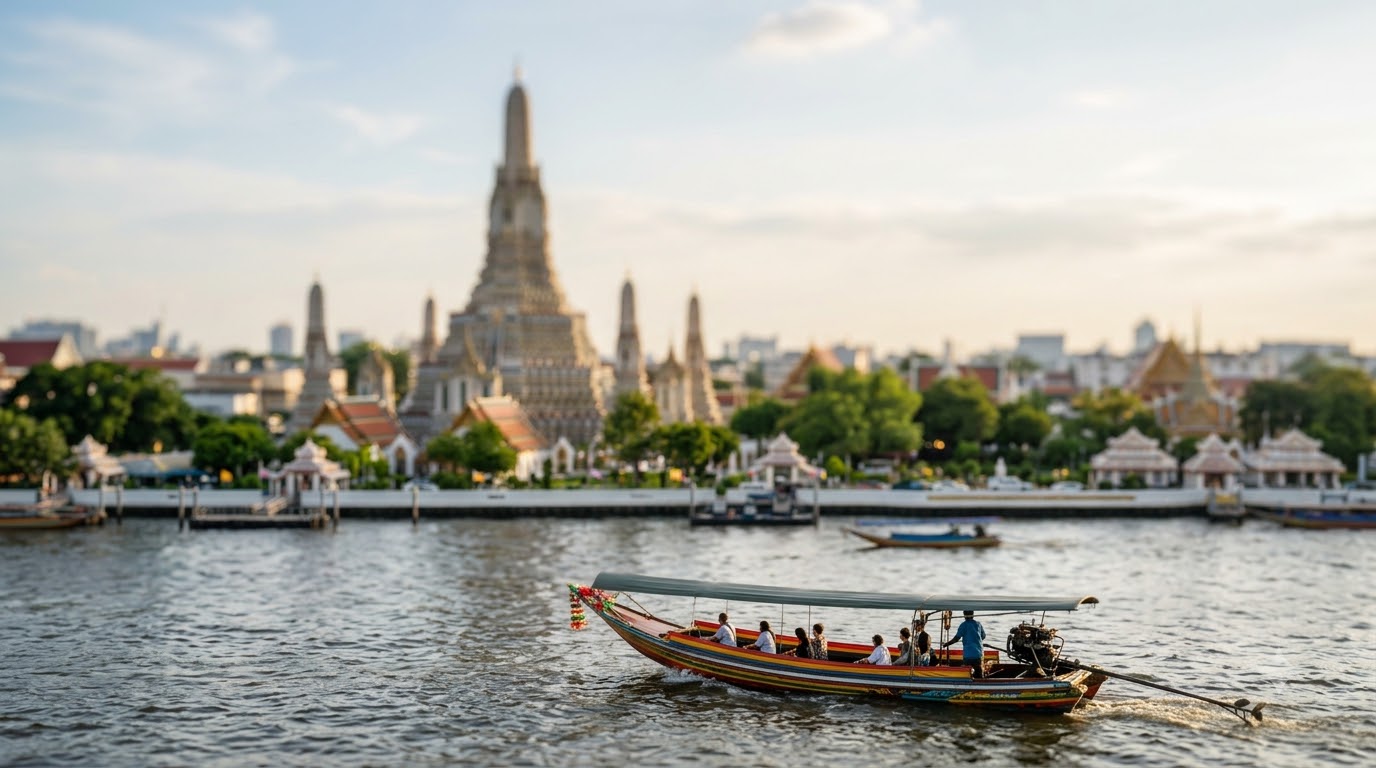
Bangkok has over 400 active Buddhist temples, but you only need to visit five or six to get a complete picture of Thai temple architecture and culture (Tourism Authority of Thailand, 2024). Here are the top five temples with practical details for planning your visits.
1. Wat Phra Kaew (Temple of the Emerald Buddha)
- Hours: 8:30 AM – 3:30 PM daily
- Fee: Included with Grand Palace (500 THB)
- Dress code: Strict. Covered shoulders, long pants or skirt, closed-toe shoes recommended
- Best time: 8:30 AM opening or after 2 PM
2. Wat Pho
- Hours: 8 AM – 6:30 PM daily
- Fee: 300 THB
- Dress code: Covered shoulders and knees
- Best time: Before 10 AM or after 3 PM
- Bonus: Traditional Thai massage on-site (260 THB for 30 minutes)
3. Wat Arun
- Hours: 8 AM – 6 PM daily
- Fee: 100 THB
- Dress code: Covered shoulders and knees
- Best time: Late afternoon for golden hour photos
4. Wat Saket (Golden Mount)
- Hours: 7:30 AM – 5:30 PM daily
- Fee: 100 THB
- Dress code: Modest clothing
- Why visit: The 344-step climb rewards you with 360-degree Bangkok views. Far fewer tourists than the riverside temples.
5. Wat Benchamabophit (Marble Temple)
- Hours: 6 AM – 6 PM daily
- Fee: 20 THB
- Dress code: Modest clothing
- Why visit: Built from Italian Carrara marble, this is Bangkok’s most architecturally unique temple. Rarely crowded.
Temple etiquette tip: Remove shoes before entering any chapel. Sit with your feet pointed away from Buddha images. Avoid touching monks, and women should never hand objects directly to them.
But here’s a question worth asking: do you need a guide for temple visits, or can you explore on your own? Both work. Solo visits are fine for Wat Pho and Wat Arun, where signage is excellent. For the Grand Palace complex, a guided tour adds real value because the history and symbolism aren’t obvious from the architecture alone.
[CHART: Table – Bangkok temple comparison showing name, fee, hours, crowd level, and must-see rating – source: author research and Tourism Authority of Thailand]
Comprehensive Bangkok temple tour options
Find your Bangkok hotel on the map
Live prices from Booking & Airbnb — tap a pin to compare stays around Sukhumvit and the Old City and beyond.
Where Should You Shop: Best Markets in Bangkok?
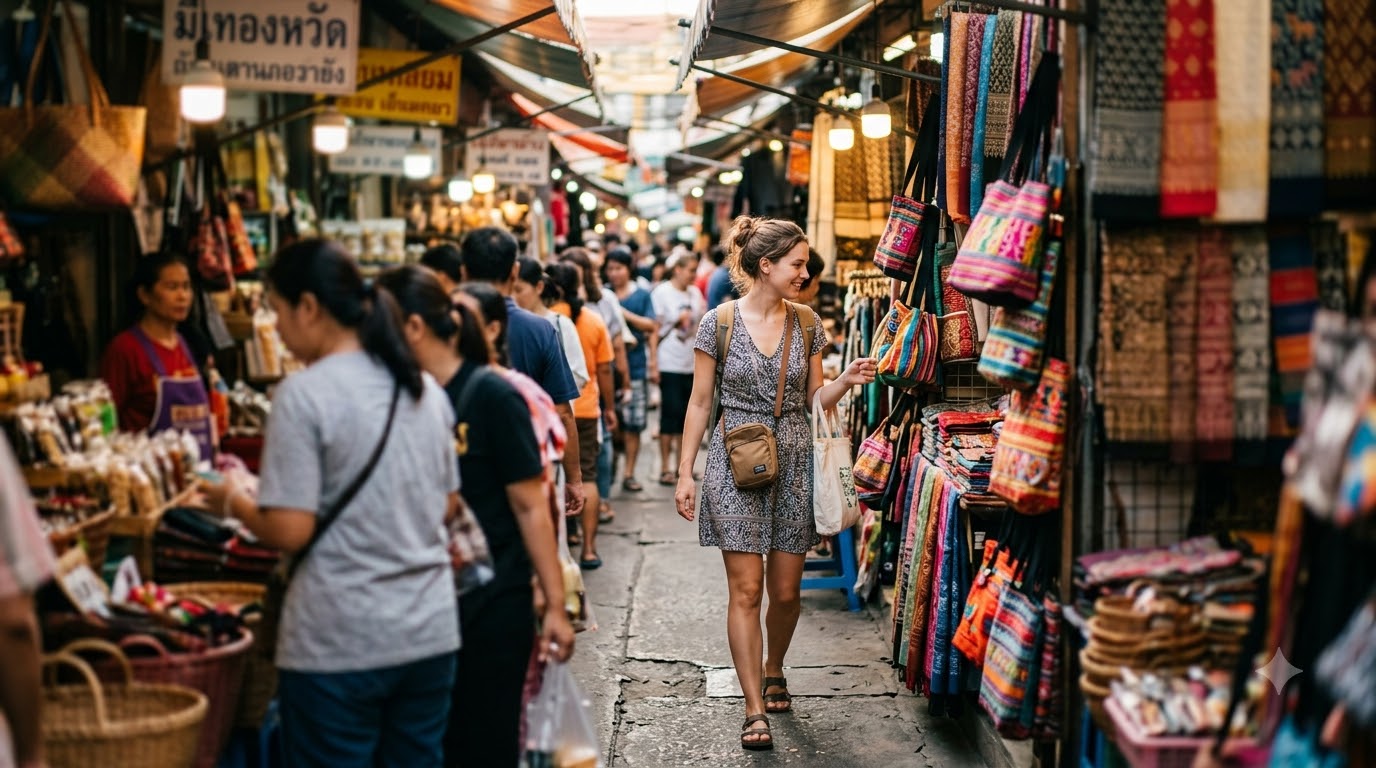
Bangkok’s markets generate an estimated $4.5 billion in annual retail revenue, with Chatuchak alone contributing roughly $380 million per year (Bangkok Metropolitan Administration, 2023). Whether you want vintage sneakers, handmade ceramics, or wholesale clothing, there’s a market for it.
Chatuchak Weekend Market
The undisputed king of Bangkok markets. Over 15,000 vendors sell everything from antique furniture to live orchids. Download the Chatuchak Guide app to navigate sections. My favorite areas: Section 2-4 for vintage clothing, Section 7 for handmade jewelry, Section 24-26 for home decor.
Asiatique the Riverfront
This converted warehouse district along the Chao Phraya River combines 1,500+ shops with restaurants and a Ferris wheel. It’s more curated and tourist-friendly than Chatuchak, with fixed prices at most stalls. Free shuttle boat from Saphan Taksin BTS station. Open daily 4 PM to midnight.
Rod Fai Night Market (Ratchada)
The vintage lover’s paradise. Rod Fai specializes in retro goods: classic cars, vintage Vespa parts, 1970s movie posters, and vinyl records. The food zone at the back serves some of Bangkok’s best grilled seafood. Open Thursday to Sunday, 5 PM to 1 AM.
Damnoen Saduak Floating Market
Located 100 km southwest of Bangkok, this is the most famous floating market in Thailand. It’s touristy, yes, but still worth the trip if you manage your expectations. Most vendors are on the water by 7 AM, and things wind down by noon.
MBK Center
Air-conditioned relief from the heat with seven floors of affordable electronics, clothing, and mobile accessories. Bargaining is expected everywhere except the ground-floor brand stores. Located at National Stadium BTS station.
After tracking prices across five visits, I found that vendors at Rod Fai’s vintage section price items 20-40% lower than similar goods at Chatuchak, likely because fewer tourists know about it.
The 4-Day Bangkok Itinerary
Hour-by-hour plan, where to stay and what it really costs — free PDF.
Free · No spam · Unsubscribe anytime
What’s the Nightlife Like in Bangkok?
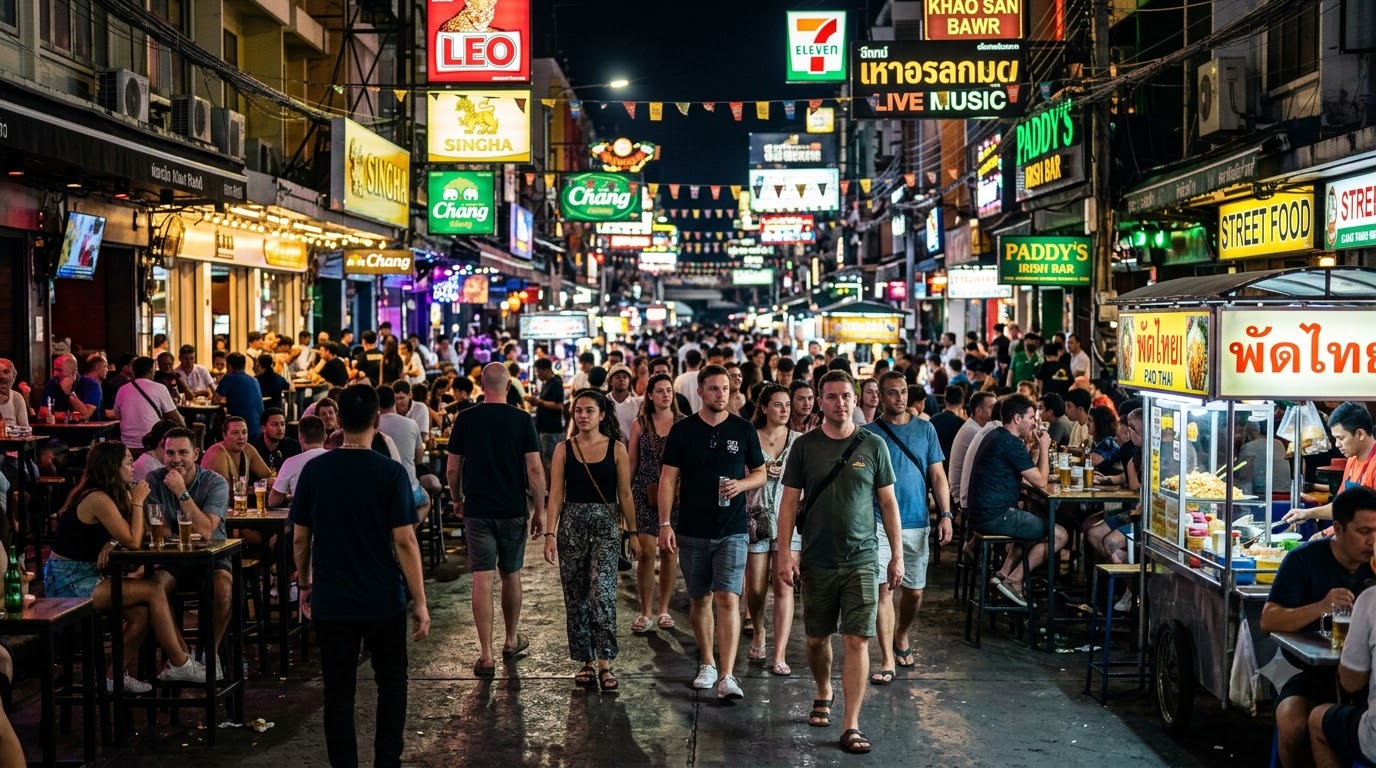
Bangkok’s nightlife economy generates roughly $6.3 billion annually, accounting for a significant share of tourism revenue (Kasikorn Research Center, 2023). From backpacker bars on Khao San Road to rooftop cocktail lounges 60 floors up, the city offers something for every budget and mood.
Khao San Road
Bangkok’s backpacker headquarters. Expect cheap buckets of whiskey and Red Bull (150-200 THB), loud music, and a young international crowd. It’s chaotic, it’s sticky, and it’s a rite of passage. Go once. The side street Rambuttri Road offers a mellower alternative, just one block over.
Sukhumvit Soi 11
This single street packs in more variety than most nightlife districts. You’ll find craft beer bars, Japanese izakayas, rooftop terraces, and clubs within walking distance of each other. It’s where Bangkok’s young professionals go out. BTS Nana station is your landmark.
Rooftop Bars
Bangkok practically invented the rooftop bar scene. Here are the top three:
- Sky Bar at Lebua (Silom): The “Hangover 2” bar. Expect long waits after 8 PM and a strict dress code. Cocktails from 520 THB.
- Octave Rooftop Lounge (Thonglor): Three-level rooftop at the Bangkok Marriott with 360-degree views. Less crowded than Sky Bar, with better music.
- Vertigo and Moon Bar (Banyan Tree): Open-air bar on the 61st floor. Arrive before sunset for the best light. Reservations recommended.
Budget tip: Most rooftop bars have no cover charge, but cocktail prices start around 400-600 THB ($11-17). Some enforce minimum spend policies during peak hours.
Citation Capsule: Bangkok’s nightlife industry contributes approximately $6.3 billion per year to the city’s economy (Kasikorn Research Center, 2023). The city’s rooftop bar scene ranks among the world’s best, with venues spanning 50-60+ floors above street level.
Where to eat and drink in Bangkok
What Are the Hidden Gems in Bangkok Most Tourists Miss?
Only 12% of Bangkok’s international visitors venture outside the central tourist corridor between the Grand Palace, Sukhumvit, and Khao San Road (Thailand Tourism Intelligence Center, 2024). That means the vast majority of travelers miss the neighborhoods where Bangkok feels most authentic. Here are seven spots worth the detour.
1. Bang Krachao (Bangkok’s Green Lung)
A massive green peninsula in the middle of the Chao Phraya River, just 15 minutes from central Bangkok by longtail boat. Rent a bicycle (50-80 THB) and ride through mangrove forests, improved boardwalks, and tiny local markets. It feels nothing like the rest of Bangkok.
Bang Krachao is often compared to a rural Thai village, but that undersells it. The real draw is the contrast. You leave a megacity of 10 million people, take a 5-minute boat ride, and enter a place where the only sounds are birdsong and bicycle tires on wooden planks.
2. Artist’s House (Baan Silapin)
A crumbling 200-year-old wooden house along a klong (canal) in Thonburi that’s been converted into an art gallery and Thai puppet theater. Free traditional puppet shows happen at 2 PM on weekends. Take the Khlong Bang Luang boat to get there. No entrance fee.
3. Wang Lang Market
Directly across the river from the Grand Palace, but with zero tourist traffic. Wang Lang is where Siriraj Hospital staff and Thammasat University students eat lunch. The pad thai here costs 40 THB, versus 80-120 THB in the tourist zone. Access via the Tha Wang Lang pier.
4. Talat Noi Street Art District
This small Chinatown-adjacent neighborhood has transformed into Bangkok’s street art capital. Narrow alleys between Chinese shophouses now display murals by Thai and international artists. The Lhong 1919 riverside heritage complex sits on its edge. Free to wander anytime, but weekday mornings offer the best light for photos.
5. Train Night Market Srinakarin
Don’t confuse this with the more central Rod Fai Ratchada. The Srinakarin original is larger, less touristy, and has better vintage finds. Located in the eastern suburbs near Seacon Square mall. Getting there takes effort (BTS to On Nut, then a taxi), but the authentic atmosphere rewards the journey.
6. Wat Ratchanatdaram (Loha Prasat)
The only remaining multi-tiered metal castle of its kind in the world. While tourists flock to the nearby Golden Mount, this 37-spire structure sits mostly empty. Climb to the top for views of Ratchadamnoen Avenue. Free entry.
7. Khlong Lat Mayom Floating Market
A weekend floating market on Bangkok’s western edge where locals far outnumber tourists. The food here, especially the boat noodles and grilled river prawns, is genuinely excellent. Take the BTS to Bang Wa, then a 15-minute taxi ride. Saturday and Sunday only, 9:30 AM to 4 PM.
Have you ever noticed how travel guides mention “hidden gems” that turn out to be packed with other tourists who read the same guide? These spots are different. Bang Krachao and Khlong Lat Mayom specifically stay quiet because they’re inconvenient to reach, which is exactly what keeps them special.
I discovered Wang Lang Market by accident when I got off at the wrong ferry pier. The 40-baht pad thai there was some of the best I’ve had in Bangkok, and I was the only non-Thai person eating there.
Planning your Bangkok days around hidden spots
What Are the Most Instagram-Worthy Spots in Bangkok?
Bangkok ranked as Southeast Asia’s most hashtagged city on Instagram in 2024, with over 85 million posts under #bangkok (Instagram Trend Data, 2024). From neon-lit Chinatown streets to sleek glass skywalks, these are the locations that photograph best.
1. Wat Paknam Phasi Charoen (Emerald Pagoda)
The giant emerald-green glass pagoda inside this otherwise unremarkable temple went viral on social media and now draws photography enthusiasts from around the world. The interior ceiling features a glowing green bodhi tree surrounded by stars. BTS to Wutthakat, then a 10-minute walk. Free entry. Best photos: anytime (indoor).
2. Mahanakhon SkyWalk
Thailand’s highest observation deck at 314 meters includes a glass-floor section that lets you look straight down at the city. Sunset visits are the most photogenic. Tickets cost 880 THB ($25) at the door or less when pre-booked online. BTS Chong Nonsi station.
3. Lhong 1919
A restored 19th-century Chinese shipping pier on the Thonburi riverbank. Faded murals of Chinese deities cover the walls, and the central courtyard mixes heritage architecture with contemporary art installations. Free entry. Best light: mid-morning. Less crowded on weekdays.
4. ICONSIAM Waterfall and Floating Market
The indoor floating market on ICONSIAM’s ground floor recreates a traditional Thai market inside a luxury mall. The 7-story waterfall fountain on the river-facing exterior creates a dramatic backdrop, especially at night when the light shows run every 30 minutes after 6 PM.
5. Chinatown Neon Signs at Night
Yaowarat Road after dark is a neon wonderland. The best shooting spot is the intersection of Yaowarat and Charoen Krung roads, where Chinese-script signs glow in red and gold above street food vendors. Bring a wide-angle lens. Best time: 7-9 PM.
6. Wat Arun at Sunrise
Most tourists visit Wat Arun during the day, but photographers know the real magic happens at dawn. Shoot from the Tha Tien pier side of the river, when the rising sun backlights the prangs. Get there by 5:45 AM. Coffee vendors along the pier open around 5:30 AM.
7. Sam Yan MitrTown Rooftop Garden
A free rooftop park above a shopping mall near Chulalongkorn University. The garden offers city skyline views without the 500-THB cocktail price tag of a rooftop bar. MRT Sam Yan station, Exit 2. Open until 10 PM.
8. The Giant Swing (Sao Ching Cha)
This 21-meter-tall crimson teak structure in front of Wat Suthat makes a striking foreground subject for architectural photography. The best angle is from Dinso Road looking northeast. Late afternoon light is ideal.
9. Rot Fai Park Twilight Views
The park’s lake reflects Bangkok’s skyline beautifully during blue hour (6-6:30 PM). Joggers, cyclists, and couples watching the sunset give your shots a lived-in, local feeling. MRT Queen Sirikit Centre, a 5-minute walk.
10. Pak Khlong Talat (Flower Market)
Bangkok’s largest flower market operates 24 hours, but the best photo opportunities come between 3-6 AM when trucks unload mountains of jasmine garlands, marigolds, and orchids. The colors are outrageous. Located near Memorial Bridge.
Photography tip: Bangkok’s golden hour is around 6:00-6:30 AM (sunrise) and 5:30-6:00 PM (sunset). The city gets harsh midday light from 11 AM to 3 PM, which washes out temple details. Plan your photo walks for early morning or late afternoon.
Citation Capsule: Bangkok holds over 85 million Instagram posts as of 2024, making it Southeast Asia’s most photographed city (Instagram Trend Data, 2024). Key photogenic locations include Wat Paknam’s emerald pagoda, the 314-meter Mahanakhon SkyWalk, and Yaowarat Road’s neon-lit Chinatown strip.
What Are the Best Tours to Book in Bangkok?
Bangkok’s guided tour market has grown 28% since 2022, with food tours and temple packages leading demand (Klook Southeast Asia Travel Report, 2024). Booking in advance guarantees skip-the-line access at major sites and solves Bangkok’s biggest challenge: navigating between attractions spread across a sprawling city.
Here are four tours worth booking:
1. Damnoen Saduak Floating Market + Train Market Tour
This full-day floating market tour on Klook combines two iconic experiences: the Damnoen Saduak floating market and the Maeklong Railway Market, where vendors fold their stalls as trains pass inches away. Hotel pickup included. Departs at 6:30 AM and returns by 1:30 PM. Costs from $25-35 per person.
2. Grand Palace + Temple Guided Tour
Skip the ticket line and get expert context on Thailand’s most important religious sites. A guided temple tour through Klook typically covers the Grand Palace, Wat Pho, and Wat Arun in a single morning. English-speaking guides explain the symbolism that you’d completely miss going solo. Half-day, from $30-40.
3. Bangkok Street Food Tour by Night
Chinatown after dark with a local guide who knows which stalls have been there for generations. Tours typically cover 8-10 food stops. I’ve found the evening food tours more enjoyable than daytime options because the temperature drops, the neon comes on, and the energy picks up. From $25-35.
4. Ayutthaya Day Trip from Bangkok
Thailand’s ancient capital, a UNESCO World Heritage Site, sits just 80 km north of Bangkok. A day trip to Ayutthaya on Klook includes transport, entrance fees to major temples, and a local lunch. The return trip by river cruise is worth the upgrade. Full day, from $35-50.
Booking tip: Klook usually offers lower prices than booking the same tour at your hotel’s front desk. Instant confirmation and free cancellation up to 24 hours before most activities make it a low-risk option.
Full list of recommended Bangkok tours
Day trip options beyond Bangkok
[CHART: Comparison table – tour name, duration, price range, highlights, best for – source: Klook Bangkok listings and author experience]
What Are the Best Tips for Sightseeing in Bangkok?
Bangkok averages daily highs of 33-35°C (91-95°F) year-round, with the hottest months from March through May reaching 40°C (Thai Meteorological Department, 2024). Managing heat, crowds, and transport makes the difference between a great day and an exhausting one.
Best Time to Visit Temples
- Best months overall: November through February (cool season, 25-32°C)
- Best time of day: 8-10 AM, before the heat peaks and tour buses arrive
- Worst time: 11 AM to 2 PM, when heat and crowds converge
How to Avoid Crowds
Weekdays are dramatically less crowded than weekends at every major attraction. If you can only visit on weekends, arrive at opening time. The Grand Palace sees its lightest traffic on Wednesday and Thursday mornings.
What to Wear
Temples require covered shoulders and knees. Carry a lightweight scarf or sarong in your daypack, so you can quickly cover up. Comfortable walking shoes matter more than you think. Bangkok’s temple complexes involve significant walking on hot pavement.
Getting Around
The BTS Skytrain and MRT subway cover most tourist areas efficiently. Download the “Transit” app for route planning. For river destinations (Wat Arun, Chinatown), use the Chao Phraya Express Boat (15-40 THB per trip). Grab is the best ride-hailing app, and it’s cheaper than negotiating with tuk-tuk drivers.
Money-Saving Tips
- Buy a Rabbit card for unlimited BTS travel (refundable deposit of 100 THB)
- Eat at street food stalls where locals eat: 40-80 THB per meal versus 200-400 THB at tourist restaurants
- Temple entrance fees add up: budget 1,000-1,500 THB for a full day of temple hopping
- Fill your water bottle at 7-Eleven water dispensers (free) instead of buying bottled water each time
Most travel guides recommend the November-February cool season, and they’re right for comfort. But I’ve found that late June and September, the shoulder months of rainy season, offer a better overall experience. Prices drop 30-40%, crowds thin out, and the rain usually falls in short afternoon bursts that don’t ruin a full day of sightseeing.
Complete Bangkok day-by-day itinerary
About the author: Travelguidestip has been covering Southeast Asia travel since 2023. Read our editorial policy for how we research and verify our guides.
Frequently Asked Questions
How many days do you need in Bangkok?
Three to five days is ideal for most visitors. Three days covers the major temples, a floating market, and Chinatown. Five days lets you explore hidden gems like Bang Krachao, take a day trip to Ayutthaya, and still have time for shopping and nightlife. Bangkok ranked as the world’s most visited city in 2024 with 32.4 million arrivals (Mastercard, 2024), so there’s clearly enough to fill a week or more.
Detailed 5-day Bangkok itinerary
Is Bangkok safe for tourists?
Yes. Bangkok is generally very safe for tourists. Petty theft (bag snatching, pickpocketing) is the main concern, primarily in crowded markets and on public transport. The most common “danger” is actually the tuk-tuk gem scam, where drivers offer free rides to overpriced jewelry shops. Stick to metered taxis or Grab, watch your belongings in crowds, and you’ll be fine.
What is the best month to visit Bangkok?
November through February offers the most comfortable weather, with lower humidity and temperatures around 25-32°C. March through May is scorching, often exceeding 40°C. The rainy season (June-October) brings afternoon downpours but also lower prices and fewer tourists.
How much money do you need per day in Bangkok?
Budget travelers can manage on $30-50 per day, covering hostel accommodation, street food, and public transport. Mid-range travelers should budget $80-120 per day for 3-star hotels, restaurant meals, and guided tours. Bangkok remains one of the most affordable major cities in Southeast Asia (Numbeo Cost of Living Index, 2024).
Complete Bangkok budget breakdown
What should I not miss in Bangkok?
The Grand Palace, Wat Pho, and a Chinatown food walk are the non-negotiable three. Beyond those, Chatuchak Weekend Market (Saturdays and Sundays only) and a rooftop bar at sunset round out the essential Bangkok experience. For something different, take a bicycle tour of Bang Krachao or catch a Thai puppet show at the Artist’s House.
Plan Your Bangkok Trip
Bangkok delivers more variety per square kilometer than almost any city on earth. Ancient temples share blocks with futuristic malls. Street food carts serve dishes that rival Michelin-starred restaurants. And the hidden neighborhoods we’ve covered here prove that even the world’s most visited city still has secrets.
Start with the must-see attractions to orient yourself, then venture into the hidden gems once you’ve got your bearings. Use the BTS and river ferries to move efficiently, visit temples in the early morning, and save the rooftop bars and night markets for after dark.
For a stress-free introduction, browse Bangkok tours and activities on Klook to lock in guided experiences before you arrive. The best tours sell out during peak season, especially the floating market and Ayutthaya day trips.
Whatever you do, don’t try to see everything in one trip. Bangkok’s the kind of city that keeps pulling you back.
Read the full Ultimate Bangkok Travel Guide
Plan your days with our 5-Day Bangkok Itinerary
Best day trips from Bangkok