Is the Philippines Safe? Tourist Islands vs No-Go Zones
By TravelguidestipUpdated 8 min readHow we earn
Hotel buttons open Stay22 (Booking.com, Agoda and others) and tour buttons open GetYourGuide. We may earn a commission at no extra cost to you.
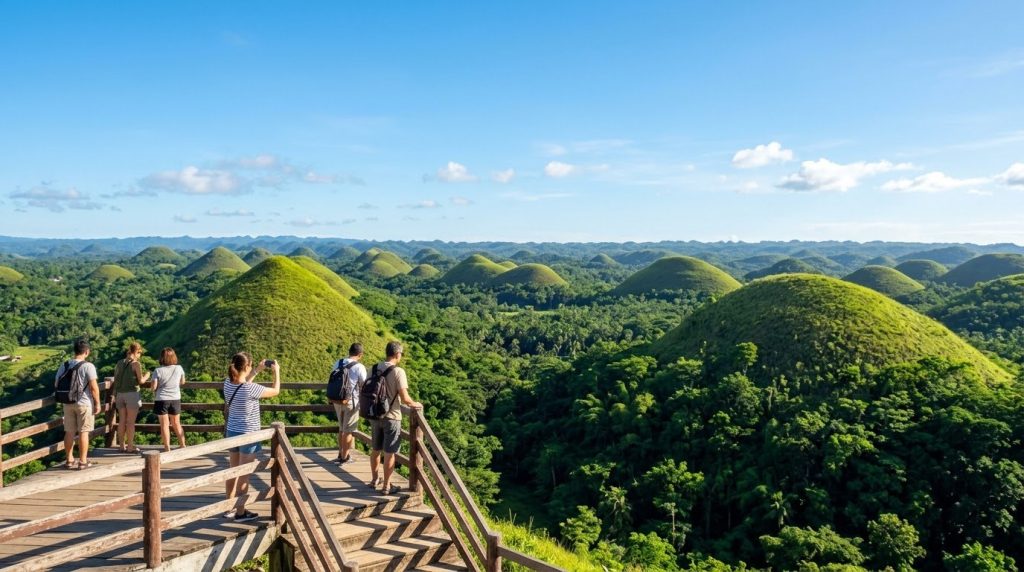
Yes, if you stick to the tourist islands. Smartraveller rates the country level 2 of 4, “exercise a high degree of caution”. The real risks for a beach holiday are typhoons, ferries, road accidents and petty scams, not terrorism.
| Risk | Reality | What to do |
|---|---|---|
| Terrorism and kidnapping | Highest in central and western Mindanao and the Sulu Archipelago (level 4) | Stay out of those regions |
| Typhoons | About 20 cyclones a year; peak July to October | Build in buffer days |
| Ferries and bangkas | Smartraveller says avoid ferries if you can | Reputable operators only |
| Taxis and scams | Smartraveller advises against taxis | Use Grab or hotel cars |
| Petty crime | Pickpocketing common in Manila | Use ATMs inside banks or malls |
What is low-risk
- Tourist islands are outside the no-go zones. Cebu, Bohol, Palawan and Boracay are outside them.
- Siargao stays level 2. Siargao sits off northeastern Mindanao, but stays at the national level 2.
- Solo travel is routine. Solo travel on the Cebu, Bohol, Palawan and Siargao circuit is routine.
What to watch
- Typhoons. an average of 20 tropical cyclones enter Philippine waters each year, about 8 or 9 cross the country, and July to October is the peak.
- Ferries. Sea travel in the Philippines can be hazardous. Avoid ferries if you can.
- Road crashes. You are more likely to die in a road crash there than in Australia
- Scams and crime. Smartraveller lists pickpocketing, bag snatching, card skimming and ATM scams as common
Yes, the Philippines is safe enough for most travellers who stick to the tourist islands: Smartraveller rates the country level 2 of 4, “exercise a high degree of caution” (updated 24 September 2026), and its level 4 “do not travel” zones are all in central and western Mindanao and the Sulu Archipelago, far from Cebu, Bohol, Palawan, Boracay and Siargao.
The real risks for a beach holiday are typhoons, ferries, road accidents and petty scams, not terrorism.
| Risk | Reality | What to do |
|---|---|---|
| Terrorism and kidnapping | Highest in central and western Mindanao and the Sulu Archipelago (level 4) | Stay out of those regions |
| Typhoons | About 20 cyclones a year; peak July to October | Build in buffer days |
| Ferries and bangkas | Smartraveller says avoid ferries if you can | Reputable operators only |
| Taxis and scams | Smartraveller advises against taxis | Use Grab or hotel cars |
| Petty crime | Pickpocketing common in Manila | Use ATMs inside banks or malls |
What Smartraveller actually says right now
Checked on 1 October 2026, the overall level is “Exercise a high degree of caution”, last updated 24 September 2026. The latest update covers extreme weather, a general terrorism warning, protests and Manila air pollution. It is not a downgrade.
The regional advice, word for word:
– Do not travel to “central and western Mindanao, including the Zamboanga Peninsula, Sulu Archipelago and the southern Sulu Sea area due to the very high threat of terrorism and kidnapping.” – Reconsider your need to travel to “eastern Mindanao (excluding Camiguin, Dinagat and Siargao Islands), due to political violence and the threat of terrorism.”
That exclusion matters: Siargao sits off northeastern Mindanao, but stays at the national level 2. Read the full Smartraveller Philippines advice before you book, because levels can change overnight.
The tourist islands vs the restricted regions
The Visayas and Palawan, where almost every Australian holiday happens, carry the same level 2 rating as Manila:
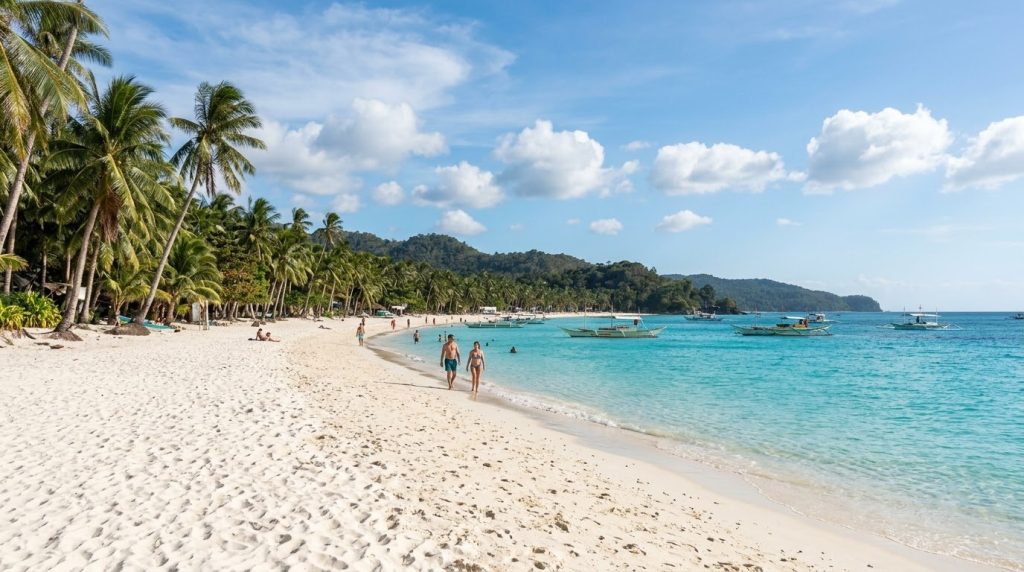
– Cebu: the main hub, with direct access through Mactan airport. Our Cebu safety guide splits the city from the resort strip. – Bohol: Panglao beaches and the Chocolate Hills, by fast craft from Cebu. – Palawan: El Nido, Coron and Puerto Princesa. Heading to the far south? Check where the “southern Sulu Sea area” begins. – Boracay and Siargao: both level 2.
The level 4 zone includes Marawi, where a terrorist attack on 3 December 2023 killed four people. Smartraveller says kidnapping can happen anywhere, that kidnappers “routinely target foreign nationals”, and that the threat is high in the south. Insurers often exclude level 4 areas, so read your policy.
Typhoon season: the risk most Aussies underrate
PAGASA, the national weather agency, says an average of 20 tropical cyclones enter Philippine waters each year, about 8 or 9 cross the country, and July to October is the peak. Smartraveller puts the season at late May to December and warns flights and ferries can be suspended.
Keep a buffer day before your flight home, avoid tight last-day ferry connections, and follow PAGASA signals rather than resort chatter. Our best time to visit the Philippines guide maps the dry season island by island.
Ferries, bangkas and getting around
Smartraveller is blunt: “Sea travel in the Philippines can be hazardous. Avoid ferries if you can.” If you must, use a reputable operator, skip overcrowded or poorly maintained boats, and bring your own lifejacket.
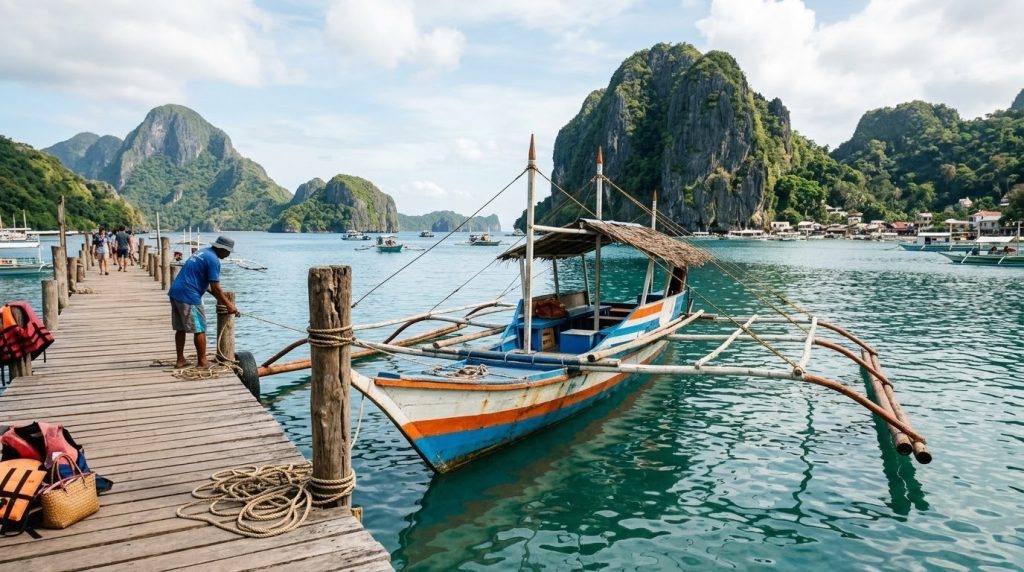
The OceanJet fast craft from Cebu to Tagbilaran (Bohol) takes about two hours, with tourist-class fares of AUD 20–21 · USD 14–15 (PHP 880–960) after a fuel surcharge added on 21 September 2026. On island-hopping bangkas, count the lifejackets before leaving the beach. Fares like these add up quickly, and our guide to whether the Philippines is expensive shows why staying on one or two islands keeps the trip a bargain.
On land, Smartraveller says not to use taxis or jeepneys; book accredited rideshare (Grab, inDrive, JoyRide) or hotel cars. You are more likely to die in a road crash there than in Australia, so think hard before renting a scooter, and check your insurance covers motorbikes.
Find your Cebu hotel on the map
Live prices from Booking, Airbnb and more — move the map or change dates to compare stays across Cebu.
Scams, crime and drink spiking
Smartraveller lists pickpocketing, bag snatching, card skimming and ATM scams as common, and warns that “gangs often drug tourists before robbing or assaulting them”. Gangs are active in Manila and provincial resort towns, and drink spiking is flagged in foreigner areas of Metro Manila.
Drink only what you watched being poured, use ATMs inside banks or malls, and be wary of any new “friend” steering you to a particular bar or money changer.
Solo and female travellers
Solo travel on the Cebu, Bohol, Palawan and Siargao circuit is routine. Smartraveller lists sexual assault among violent crimes that “occur regularly”, so book your ride home before a night out, avoid unlit beach roads alone after dark, and share your plans. Rips have drowned people at popular resorts too: never swim after dark or after drinking.
Health, water and food safety
Tap water isn’t reliably safe to drink across the Philippines, so stick to bottled or filtered water, and be wary of ice in less touristy spots and remote islands where the source of the water is unclear.
Street food is generally fine if you choose busy stalls with high turnover, where you can watch the food being cooked in front of you. Be more cautious with raw seafood unless you’re confident about where it came from, and go easy on unfamiliar fruit the first day or two while your system adjusts.
A small first-aid kit is worth packing, and motion-sickness tablets are genuinely useful given how much of a Philippines trip happens on boats between islands.
Comprehensive travel insurance that covers medical treatment and evacuation matters more here than in many destinations, given the gaps in outer-island medical care already noted above.
Sun and heat deserve more respect than most visitors give them. Humidity sits high year-round, so build in shade breaks during island-hopping days and drink water more often than you think you need to, particularly on boats with little cover.
If you take regular medication, pack more than you expect to use and keep it in carry-on rather than checked luggage, since pharmacies on smaller islands may not stock a direct equivalent.
Who should think twice about the Philippines
– Anyone set on Mindanao beyond Siargao, Camiguin or Dinagat. – Travellers who cannot handle schedule slippage in July to October. – Divers who assume rescue care is close: Smartraveller says it is “common for decompression chambers not to work”. – People with heart or lung conditions spending days in Manila’s air pollution.
For a route that keeps you on the safer, easier legs, use our Philippines itinerary.
Emergency numbers and digital scams
The Philippines runs a National Emergency Hotline on 911, covering police, fire and medical emergencies in one number, so it’s worth saving before you land rather than searching for it mid-crisis, especially on islands where mobile signal is patchy once you leave the main town.
For anything involving your passport or ongoing safety concerns, register your trip with Smartraveller before departure and keep the Australian Embassy in Manila’s contact details saved on your phone, not just in an email you might not be able to access.
Beyond the in-person scams already covered, watch for fake booking confirmations for tours, ferries or hotels sent outside the platform you actually booked through, and treat any request to pay a deposit by bank transfer to a personal account as a red flag.
Book island-hopping and dive trips directly through your hotel or a recognised platform rather than a stranger on the beach or a link messaged to you, and confirm the price and inclusions in writing before you hand over any money.
Public wifi at airports and cafes is convenient but not secure, so avoid logging into banking apps on an open network, and use your phone’s mobile data or a local SIM for anything involving money.
Keep photos of your passport, visa stamp and travel insurance policy saved somewhere accessible without internet, such as your phone’s offline storage, in case you lose paper copies or signal drops out between islands, which happens often once you’re away from the main resort towns.
Where to stay in the Philippines
– Mactan (Lapu-Lapu City): resorts on the same island as the international airport, the easiest base for short trips and families. – Cebu City, IT Park area: modern, walkable and well lit, good for solo travellers and work-trip add-ons. – Southern Cebu (Moalboal side): divers and budget travellers; see the best Cebu beaches before you pick a side of the island.
Compare stays before you lock in dates (free cancellation is common on Booking.com):
Tours with vetted operators
Smartraveller advises using reputable operators for sea travel, so book established boat tours ahead: Cebu island hopping tours and El Nido island hopping tours on GetYourGuide.
Keep planning: best hotels in El Nido, Cebu hotels.
Frequently Asked Questions
Is it safe to travel to the Philippines right now?
For the main tourist islands, yes. Smartraveller keeps the Philippines at “exercise a high degree of caution”, level 2 of 4, last updated 24 September 2026. The level 4 “do not travel” areas are central and western Mindanao, the Zamboanga Peninsula, the Sulu Archipelago and the southern Sulu Sea area. Cebu, Bohol, Palawan and Boracay are outside them.
Is Siargao safe even though it is near Mindanao?
Yes, by the official advice. Smartraveller tells Australians to reconsider travel to eastern Mindanao but explicitly excludes Siargao, Camiguin and Dinagat islands, so Siargao carries the same level 2 rating as the rest of the country. The main day-to-day risks there are scooter crashes, rips and typhoon disruption rather than security incidents.
When is typhoon season in the Philippines?
Smartraveller says typhoons usually occur between late May and December. PAGASA puts the peak at July to October, when nearly 70% of typhoons develop, and counts an average of 20 tropical cyclones entering Philippine waters each year. Travel in that window is possible but needs flexible bookings and spare days.
Are ferries in the Philippines safe?
Smartraveller advises avoiding ferries where you can, using reputable operators, skipping overcrowded or poorly maintained boats and bringing your own lifejacket. Established fast-craft routes such as Cebu to Bohol run about two hours and are widely used by tourists. Never board when PAGASA has raised a storm signal for the route.
Is the Philippines safe for solo female travellers?
Yes, with standard nightlife precautions. The Cebu, Bohol, Palawan and Siargao circuit is well worn by solo women, with hostels, dive shops and group tours on every island. Smartraveller warns that drink spiking and sexual assault occur, so watch your drinks, book Grab or hotel cars at night, avoid unlit roads after dark and share your plans with someone.