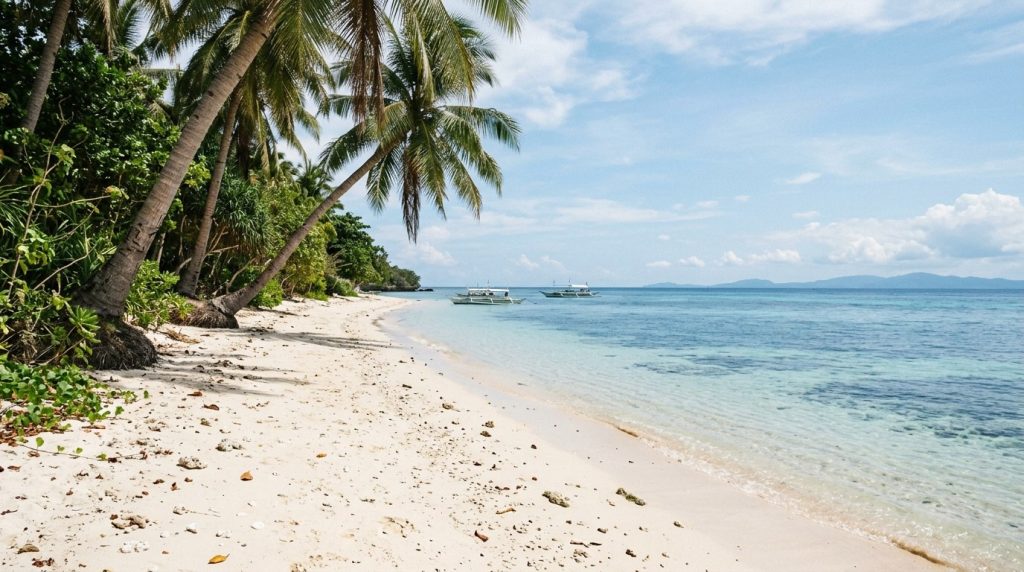
Cebu Travel Guide 2026: Beaches, Whale Sharks & Everything You Need
By TravelguidestipUpdated 10 min readHow we earn
Hotel buttons open Stay22 (Booking.com, Agoda and others) and tour buttons open GetYourGuide. We may earn a commission at no extra cost to you.
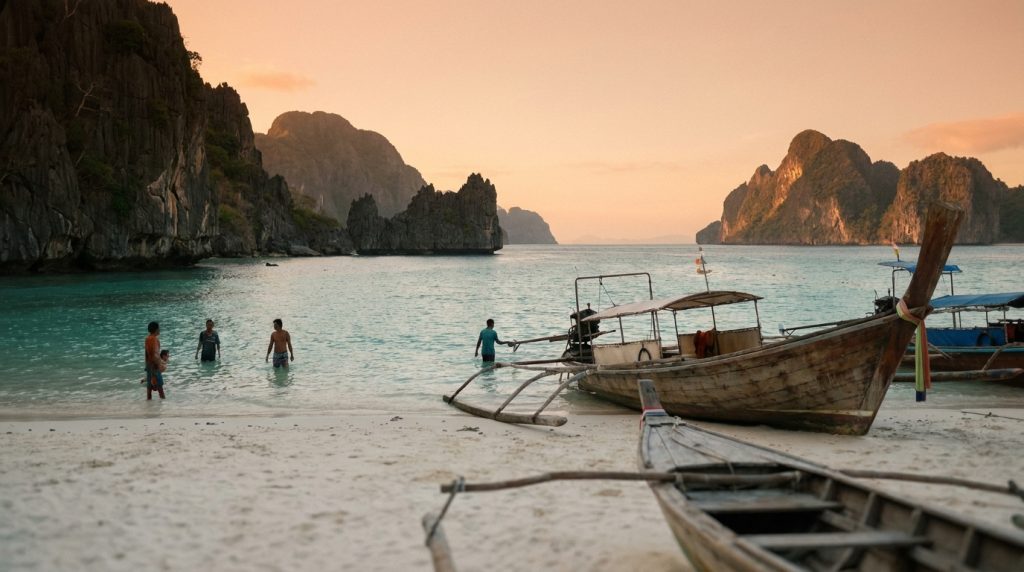
Quick answer: Cebu works best as one province-wide trip: base yourself in Cebu City for history and food, or on Mactan Island for airport-close resort beaches, then day-trip south to Oslob’s whale sharks and Kawasan canyoneering. Give it 4–6 days to combine city, beaches, and the far south without living in a van, and aim for the drier months (roughly December to May) to sidestep the peak typhoon season. Travellers routing through the capital can compare the best hotels in Manila before booking a connection night.
Key Takeaways: Cebu is the Philippines’ second-largest city and one of Southeast Asia’s most varied single-destination trips — whale sharks, waterfall canyoneering, Spanish colonial history, and lechon (roast pig) all in one province. Mactan-Cebu International Airport (MCIA) has direct flights from Singapore, Hong Kong, and Manila. Budget travelers need $25–35/day. The whale shark village of Oslob is 3.5 hours south; most visitors stay in Cebu City or Mactan and day-trip.
Explore the Cebu cluster: Best Things to Do in Cebu | Best Cebu Hotels | Best Beaches in Cebu | Cebu Itinerary | Best Food in Cebu
Cebu is the Philippines’ oldest city — founded by Spanish conquistadors in 1565, making it the country’s first permanent Spanish settlement. Cebu province comprises 167 islands and islets. Mactan-Cebu International Airport (MCIA) is the Philippines’ second-busiest airport by passenger volume. Oslob whale shark interaction started in 2011 and now draws 500,000+ visitors/year. The Kawasan Falls canyoneering trail covers 7km from Matutinao to Badian.
For activities, see Best Things to Do in Cebu. For accommodation, see Cebu Hotels.
Why Visit Cebu — Cebu Travel Guide
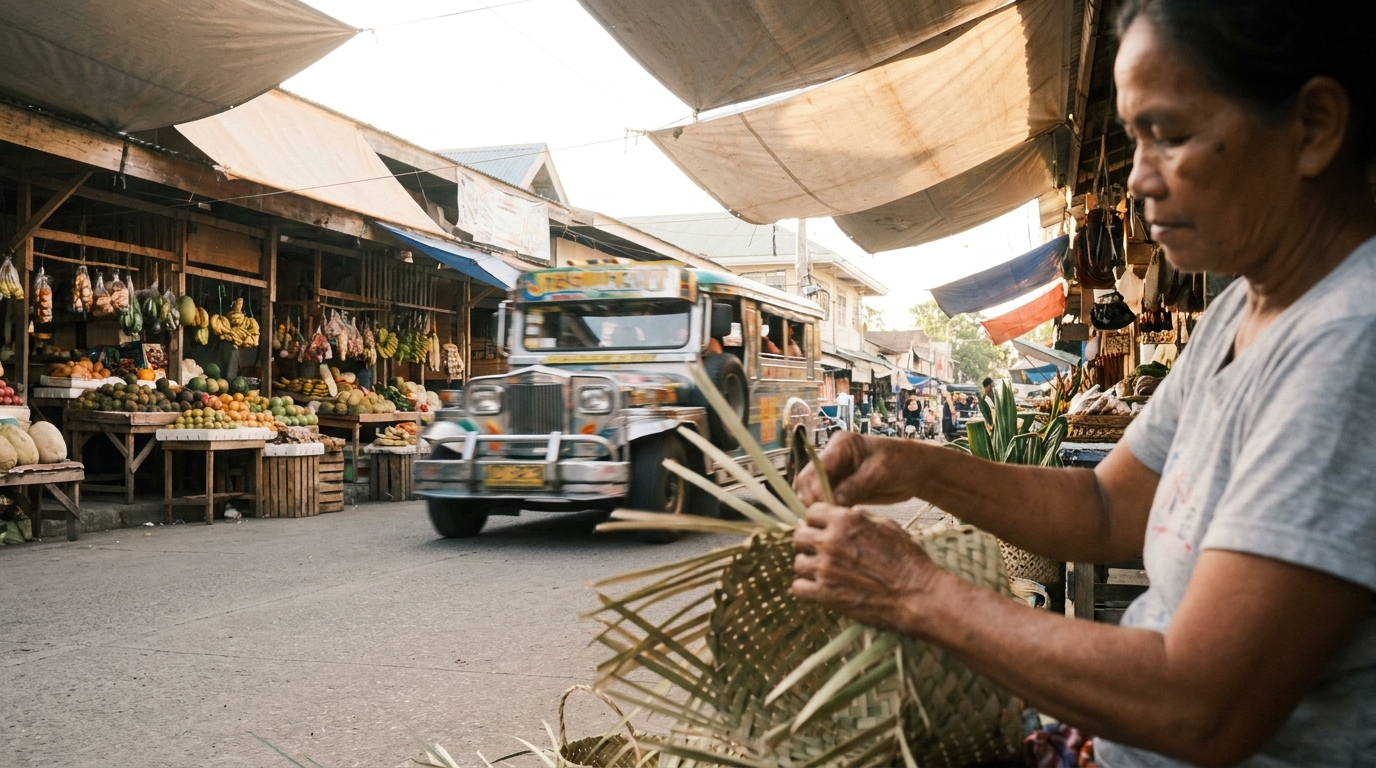
Cebu offers a density of experiences you rarely find on a single island: world-class dive sites at Malapascua (thresher sharks), whale shark interactions at Oslob, Philippines-class lechon food culture, Spanish colonial landmarks, and beach resorts at Mactan — all accessible from one airport. If you are torn between that variety and a pure beach break, our Boracay or Cebu comparison matches Boracay to 4 to 5 nights and Cebu to 7 or more.
Compared to Boracay: Cebu has more variety but less iconic beach. Boracay has the Philippines’ best beach; Cebu has the better overall trip.
Compared to Palawan: Cebu is easier to reach, has better food and infrastructure, but less pristine nature. Palawan for pure nature; Cebu for the combination.
Find your Cebu hotel on the map
Live prices from Booking & Airbnb — tap a pin to compare stays around Cebu City and Mactan and beyond.
Cebu’s Key Areas
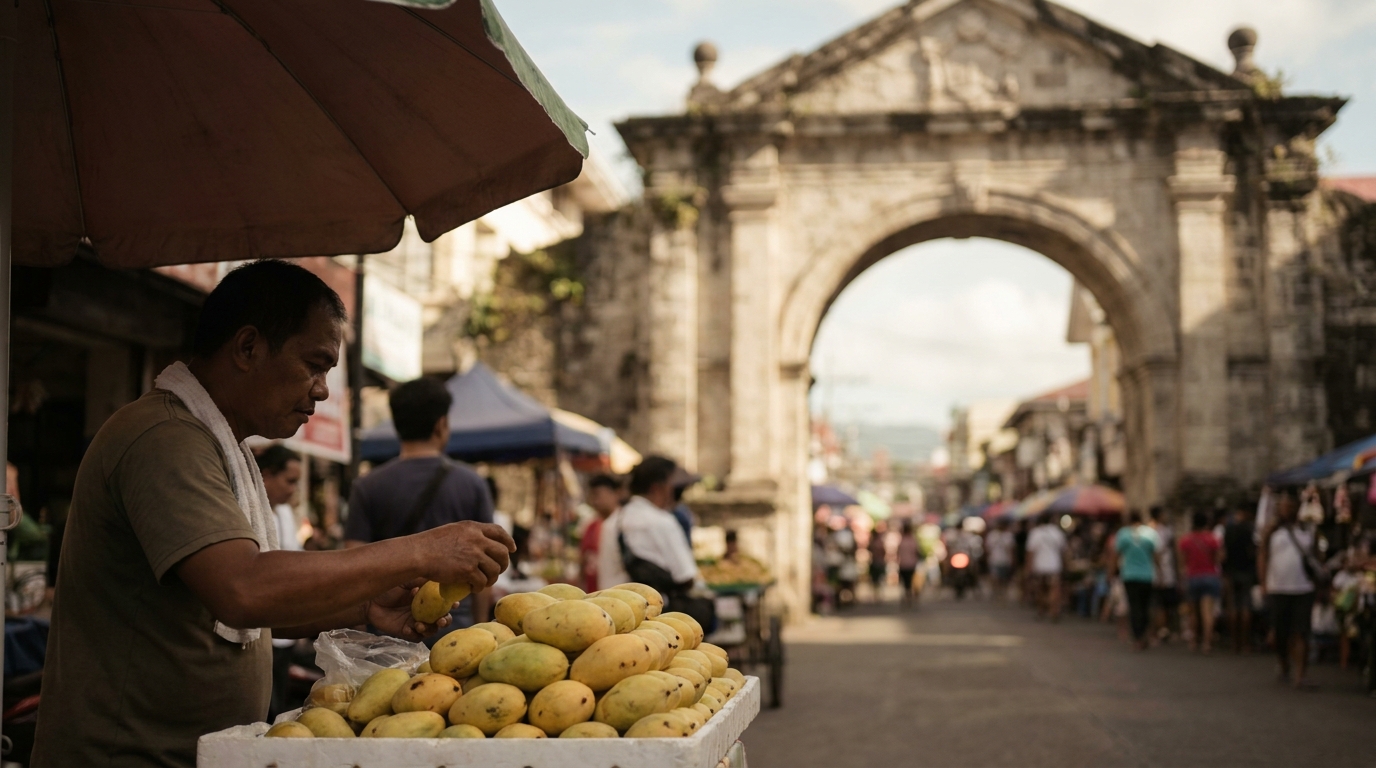
Cebu City + Metro
The business and cultural center. Fort San Pedro (1565, Spain’s oldest fort in the Philippines), Magellan’s Cross (planted by Magellan in 1521), Basilica Minore del Santo Niño (Philippines’ oldest church). The Carbon Market is Southeast Asia’s largest wet market. Nightlife: IT Park and Escaño bar strip.
Mactan Island
Connected to Cebu City by two bridges — 30 minutes by car. Resort island with beach hotels, dive shops, and the international airport. Most mid-range and luxury resorts are here. The Mactan-Cebu International Airport sits on Mactan — arrivals who book beach hotels can go straight from landing to the beach.
South Cebu (Oslob, Moalboal, Kawasan)
- Oslob: 3.5 hours south. The whale shark watching village — 30–40 whale sharks fed daily by local fishermen. Early morning departure from Cebu City required.
- Moalboal: 3 hours south. Famous for the Sardine Run — millions of sardines forming a bait ball next to the beach that you can snorkel with. Pescador Island dive site for sea turtles and wall diving.
- Kawasan Falls: 3.5 hours south. Start of the canyoneering trail — 7km of jumps, slides, and river crossings ending at the turquoise Kawasan basin.
North Cebu + Malapascua
- Malapascua Island: 5 hours north + short boat. The world’s best site for thresher shark diving — threshers visit Monad Shoal every morning at dawn. Dive-focused island.
- Bantayan Island: 5 hours north. Quieter beach island, local vibe, budget-friendly. Less developed than Mactan.
Cebu Quick Facts
| Category | Details |
|---|---|
| Currency | Philippine Peso (PHP). 1 USD ≈ 56 PHP (2026) |
| Language | Cebuano (Bisaya) locally, Filipino and English widely spoken |
| Religion | Predominantly Catholic |
| Power | 220V/60Hz, Type A/B plugs (US-style) |
| SIM card | Globe or Smart — buy at airport |
| Time zone | PST (UTC+8) |
| Main airport | Mactan-Cebu International Airport (MCIA) |
Getting to Cebu
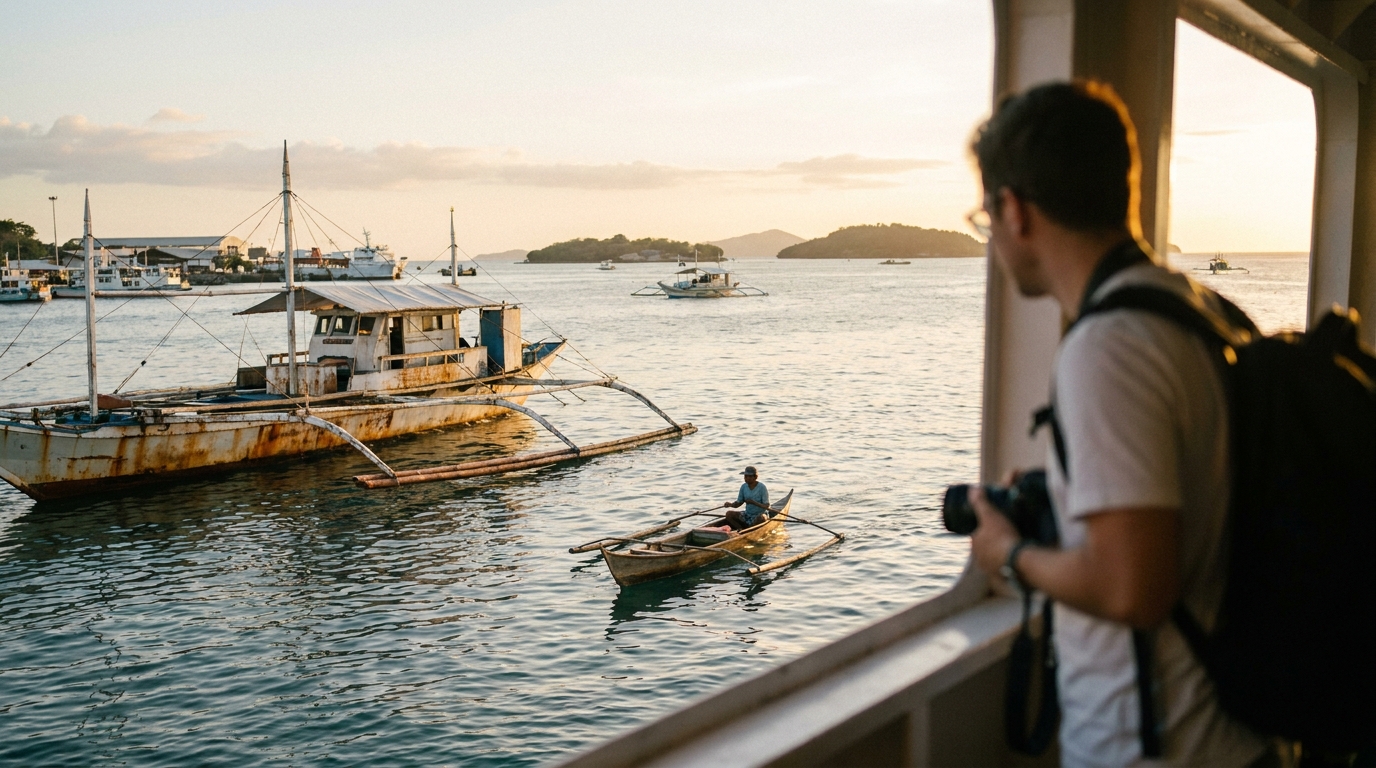
From Manila: 1 hour flight (1,000–3,000 PHP). Airlines: Cebu Pacific, Philippine Airlines, AirAsia. Multiple departures daily. Ferry from Manila: 21 hours — only for budget travelers with time.
From Singapore: Direct flights on Cebu Pacific and Singapore Airlines (~3h, 3,000–7,000 PHP). Most useful entry point for international travelers in Southeast Asia.
From Hong Kong: Direct flights on Cathay Dragon and Cebu Pacific (~3h).
From Bohol: Fast ferry Tagbilaran → Cebu City pier (2h, 300–500 PHP). Bohol and Cebu are natural 2-island combination.
Getting Around Cebu
Grab: Works well in Cebu City and Mactan. More reliable than flagging jeepneys for tourists. 50–150 PHP for most Cebu City trips. Stay connected: grab a travel eSIM from Airalo before you go so you have data the moment you land.
Jeepney: The main local transport within Cebu City. 10–12 PHP flat rate. Routes complex — Google Maps helpful.
Bus/van south (to Oslob, Moalboal, Kawasan): South Bus Terminal → various destinations. Air-conditioned vans to Oslob: 180 PHP (3.5h). Budget option, no reservation needed.
Car hire + driver: Best value for day trips — 1,500–3,000 PHP for a full day to South Cebu (shareable between 3–4 people).
Cebu Budget Overview
| Budget tier | Daily cost | What you get |
|---|---|---|
| Budget | 1,400–2,000 PHP ($25–35) | Guesthouse, local eateries, public transport |
| Mid-range | 2,800–5,500 PHP ($50–98) | Boutique hotel, restaurants, day tours |
| Comfort | 6,000–14,000 PHP ($107–250) | Beach resort on Mactan, guided tours |
Accommodation in Cebu City center is very affordable — budget guesthouses from 600 PHP ($11). Mactan resort belt starts at 3,000 PHP ($54) for mid-range. Food is cheap: lechon rice meal at local restaurants 150–200 PHP ($3).
See Cebu Hotels for picks by area, Cebu Itinerary for a day-by-day plan.
When to Visit Cebu
Best: January–May (dry season). Whale shark interactions year-round but May–September has calmer Bohol Strait crossing. March–May hottest and driest.
Avoid: November–December (typhoon season). The Visayas region is less typhoon-prone than Luzon but not immune.
Sinulog Festival: Third Sunday of January — one of the Philippines’ largest religious festivals. Cebu City fills with millions of visitors. Hotels book 3–6 months ahead.
Where to Stay in Cebu
Cebu City is the practical base for most itineraries. It sits closest to Fort San Pedro, Carbon Market, and the lechon restaurants, and it connects by road to every South Cebu day trip. IT Park and the Capitol area hold most of the newer mid-range hotels, with easy Grab access after dark.
Mactan Island suits travellers who want beach time bookended around flights, since the resort belt sits minutes from Mactan-Cebu International Airport. Expect pool-facing rooms and dive shops rather than nightlife, with a 30-minute bridge crossing back into Cebu City for sightseeing.
South Cebu towns such as Moalboal and Oslob run to simple guesthouses rather than resorts. They suit travellers staying overnight to catch the sardine run or the early whale shark window without the 3:30am departure from the city.
Malapascua and Bantayan in the north work best as a two-day island extension rather than a first base, since both sit four to five hours from Cebu City. Cover the city and south first, then add one of the northern islands if time allows.
Match your choice to the budget tiers above: a Comfort-tier traveller on Mactan gets a resort pool and airport convenience, while the same budget in Cebu City buys more restaurant and nightlife variety instead.
First-timers with limited days should pick one base rather than splitting a short trip across both city and island. Changing hotels costs a half-day in transfers that could otherwise go toward Kawasan or Oslob.
If your trip lands during the Sinulog Festival in January, lock in accommodation as early as possible regardless of area, since the whole city fills up and prices climb well above the ranges listed in the budget overview.
Families with young children generally do better on Mactan, where resorts have pools and calmer swimming beaches, than in the denser, traffic-heavy streets of Cebu City proper.
Solo travellers on a tighter schedule often prefer Cebu City, since the lechon restaurants, Carbon Market, and the colonial landmarks are all within a short Grab ride rather than a bridge crossing away.
Cebu Safety and Common Scams
Cebu is a manageable destination for most travellers, including solo and family trips, but a handful of recurring issues are worth planning around before you land.
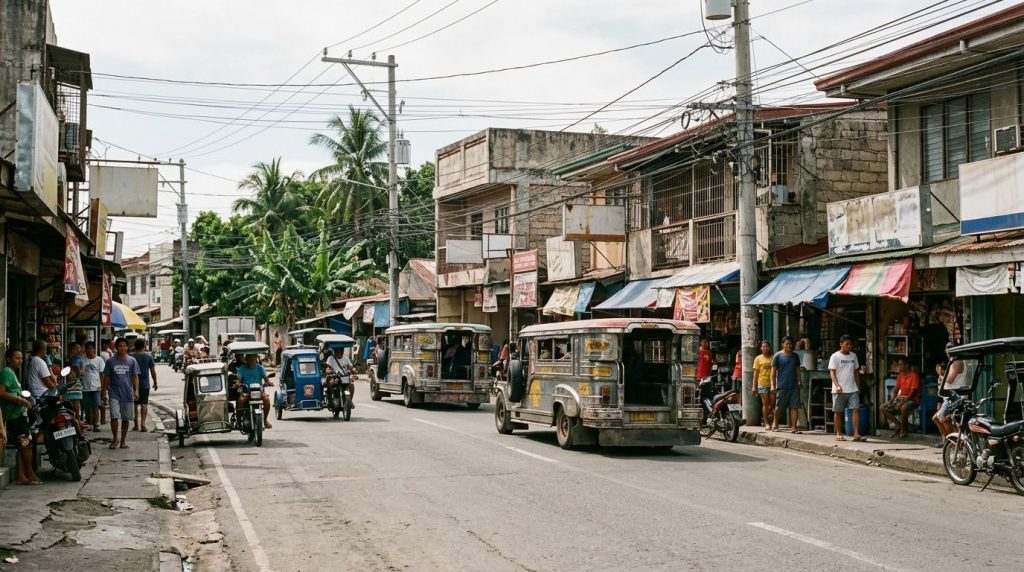
Taxi meters in Cebu City are not always switched on for tourists, and some drivers quote a flat fare well above the metered rate. Use Grab instead so the price is agreed before the ride starts.
Unlicensed operators sometimes approach travellers near Kawasan Falls and Oslob offering cheaper canyoneering or whale shark trips outside the official system. Book only through a DOT-accredited operator; self-guided canyoneering is banned for safety reasons, not just to protect pricing.
Watch for “skip the queue” touts at Oslob who claim to sell faster whale shark slots for an extra fee. The interaction schedule is run by the local tourism office, not by individual sellers on the road.
Carbon Market is safe during the day but, like any large market, is better avoided late at night once stalls close and the area empties out. Keep bags zipped and worn in front of you rather than on your back.
Rip currents affect some South Cebu beaches after heavy rain runoff. Swim where other visitors are swimming, and skip the water entirely if a beach looks suspiciously empty with no obvious reason.
Standard travel insurance with medical evacuation cover is worth arranging before you go, since a serious injury from a canyoneering fall or a diving incident may need treatment outside Cebu province entirely.
Keep a photo of your passport and accommodation details on your phone and a paper backup separately, which speeds up any report to police or your insurer if a bag goes missing.
None of this should put you off the trip. The risks are the same predictable, manageable kind found across most of Southeast Asia, and the vast majority of visits to Cebu pass without any serious incident at all.
What to Pack for Cebu
Cebu’s climate stays hot and humid year-round, so pack light, quick-dry clothing over anything heavy. A compact rain jacket still earns its space in the dry season, since afternoon showers can arrive without much warning.
Reef-safe sunscreen matters around Moalboal, Oslob, and Malapascua, where regular sunscreen chemicals can affect the coral and marine life you are there to see. It is increasingly stocked in dive shops if you forget to pack it.
Bring a modest cover-up with shoulders and knees covered for visits to Basilica del Santo Niño and other churches, where shorts and singlets are discouraged at the door.
Cash matters more than you might expect. Island-hopping boats, canyoneering guides, and site entrance fees across South Cebu are rarely cashless, so carry enough PHP for a full day trip before you leave the city.
A dry bag protects phones and cash during canyoneering and island hopping, and waterproof sandals do more for you than regular trainers across both Kawasan’s river crossings and Oslob’s shallow entry point.
Mosquito repellent is worth packing alongside sunscreen, especially if your itinerary includes Tumalog Falls or any jungle walking in South Cebu.
Power plugs in Cebu are the US-style Type A/B shown in the quick facts above, so Australian travellers will need a standard travel adapter rather than assuming local sockets match home.
Pack a change of clothes in your day bag on canyoneering or whale shark days. You will be wet for most of the morning, and buses and vans back to Cebu City rarely have air conditioning strong enough to dry you out.
Frequently Asked Questions
Is Cebu worth visiting?
Yes — one of the Philippines’ best value trips. The combination of whale sharks, canyoneering, colonial history, and excellent food in one destination is hard to match elsewhere in Southeast Asia. Easier infrastructure than Palawan, more diverse than Boracay.
How many days do you need in Cebu?
Minimum 4 days for Cebu City + one major day trip (Oslob or Kawasan). Five days allows both. Seven days adds Moalboal diving or Malapascua. Bohol adds 2 more days as a natural extension.
Is Cebu safe for tourists?
Yes — standard urban precautions apply in Cebu City (particularly near Carbon Market at night). Mactan, IT Park area, and south Cebu destinations are safe. Use Grab rather than random taxis.
Sources:
1. Philippines Department of Tourism — Cebu destination profile, 2025
2. Cebu Tourism Office — visitor statistics, 2025
3. Lonely Planet — Cebu Philippines, 2025
More Cebu Guides