Best Food in Cebu 2026: 12 Dishes You Have to Try
Key Takeaways: Cebu food has a distinct identity from Manila or Tagalog Filipino cooking — lechon here is stuffed with lemongrass and garlic (not served with liver sauce), seafood comes from the Visayan Sea and Bohol Strait, and Cebuano cuisine uses coconut vinegar as the default condiment. The best food in Cebu is concentrated in three zones: Carbon Market (fresh market eating), IT Park (restaurants and Sugbo Mercado night market), and the heritage lechon shops near the Carbon area. Anthony Bourdain’s 2012 quote — “the best pig I’ve ever had in my life” — about Cebu lechon remains the single most cited food endorsement in the Philippines.
Cebu lechon differs from Manila lechon in preparation: the pig is stuffed internally with lemongrass, garlic, spring onions, and bay leaves before roasting, creating a self-seasoned, herb-forward flavor without the need for the liver-based sarsa sauce standard in Manila. Roasting time is 6–8 hours on a bamboo spit over charcoal. CnT Lechon has been operating since 1950 in the Carbon area. Carcar City (1.5h south) has its own lechon tradition distinct from Cebu City — smaller pigs, more charred, served with coconut vinegar.
For full trip planning, see Cebu Travel Guide. For activity pairing with food stops, see Best Things to Do in Cebu. For full trip planning, see Cebu Itinerary.
1. Lechon — The Essential Cebu Dish
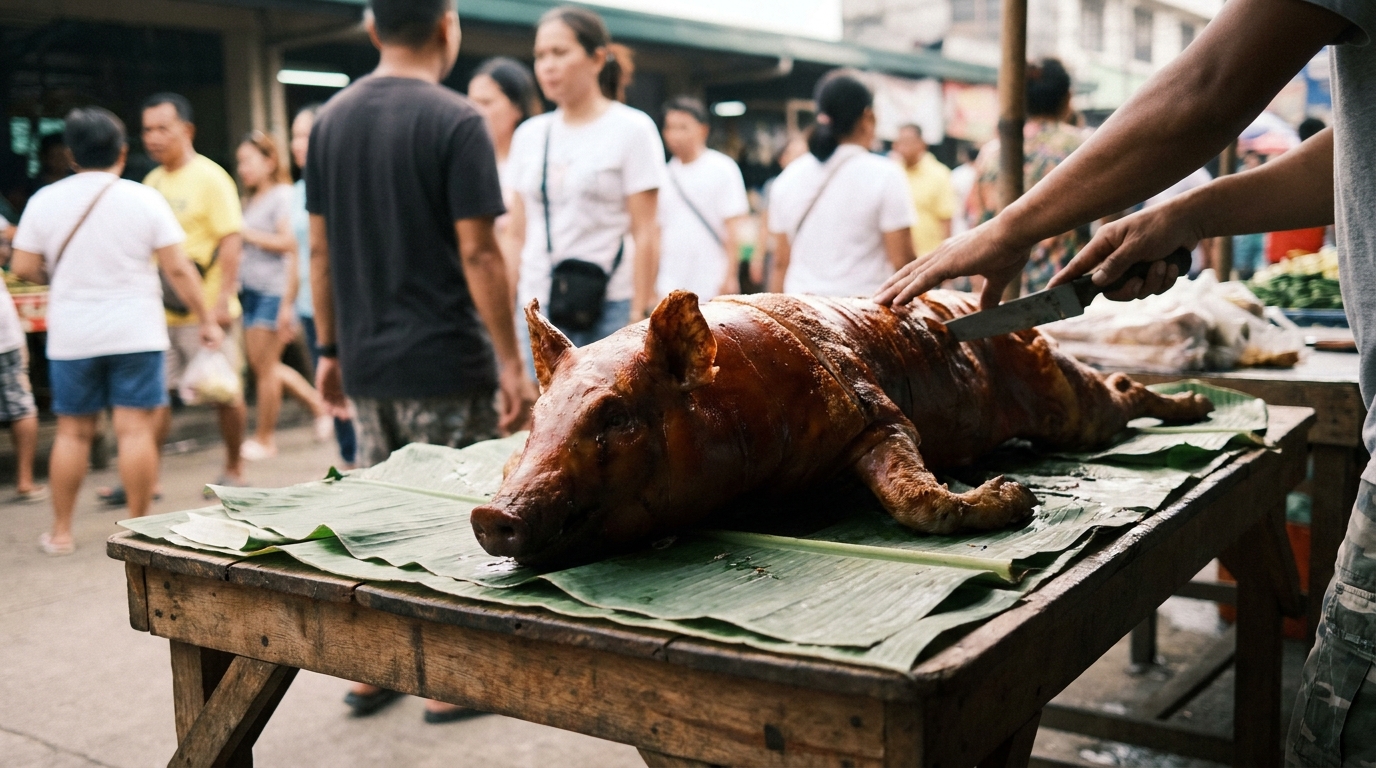
Cebu lechon is what you come here to eat. The pig is roasted on a bamboo spit for 6–8 hours, stuffed with lemongrass, garlic, spring onions, bay leaves, and tamarind. The result: crackling-crisp skin (the best lechon skin in the Philippines), moist meat with herbal aromatics running through it, and no need for liver sauce.
Where to eat it:
CnT Lechon Restaurant (Carbon area, Cebu City): The original. Open from 6am, closes when sold out — usually by early afternoon. No-frills cafeteria, whole pig in the window, chopped to order. Order the lechon rice plate with extra skin. 150–200 PHP per serving.
Rico’s Lechon (multiple branches including Ayala Center): More tourist-accessible, consistent quality across branches, open later. Anthony Bourdain visited Rico’s when he made his now-famous statement. 180–250 PHP per serving.
Carcar lechon market (1.5h south on National Highway): Rows of whole pigs on the plaza, Carcar-style lechon is different — the pigs are smaller, roasted more charred, with a tangier flavor. Many Cebuano locals insist Carcar lechon is better than Cebu City. 80–150 PHP.
2. Sinuglaw — Cebu’s Signature Seafood Fusion
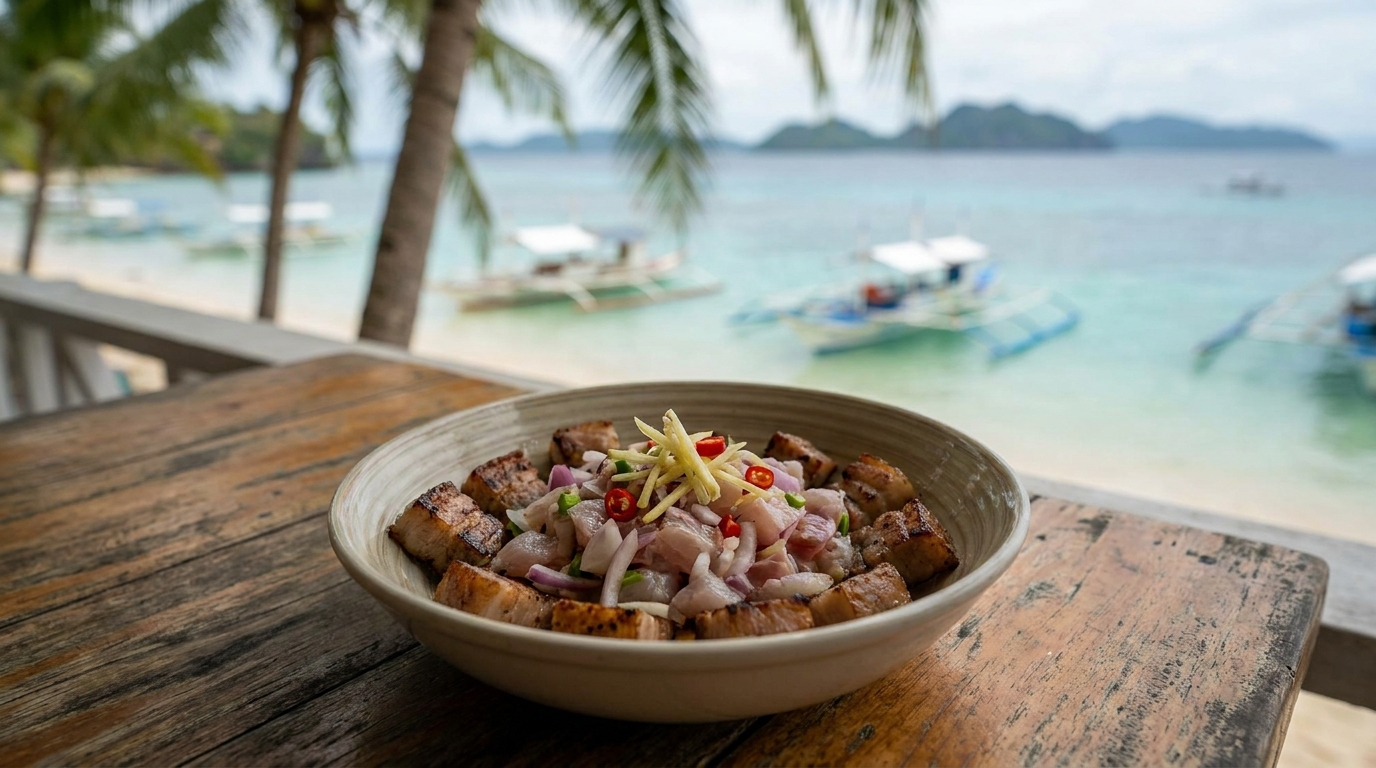
Sinuglaw is a portmanteau of sinugba (grilled) and kinilaw (raw/ceviche) — a Cebu invention mixing grilled pork or fish with coconut milk ceviche. The contrast of hot grilled meat with cold, acid-marinated seafood is unique to the Visayas region.
Most commonly made with: grilled pork belly (sinugba) + tuna or fresh fish kinilaw in coconut cream, ginger, and coconut vinegar. Served cold.
Where to eat: Lantaw Floating Restaurant (native ambiance, sea views) and Anzani Restaurant (upscale, highland views) both serve sinuglaw as a featured appetizer. Or order at any Cebuano seafood restaurant — it’s standard menu.
3. Sutukil — The Filipino BBQ Trinity
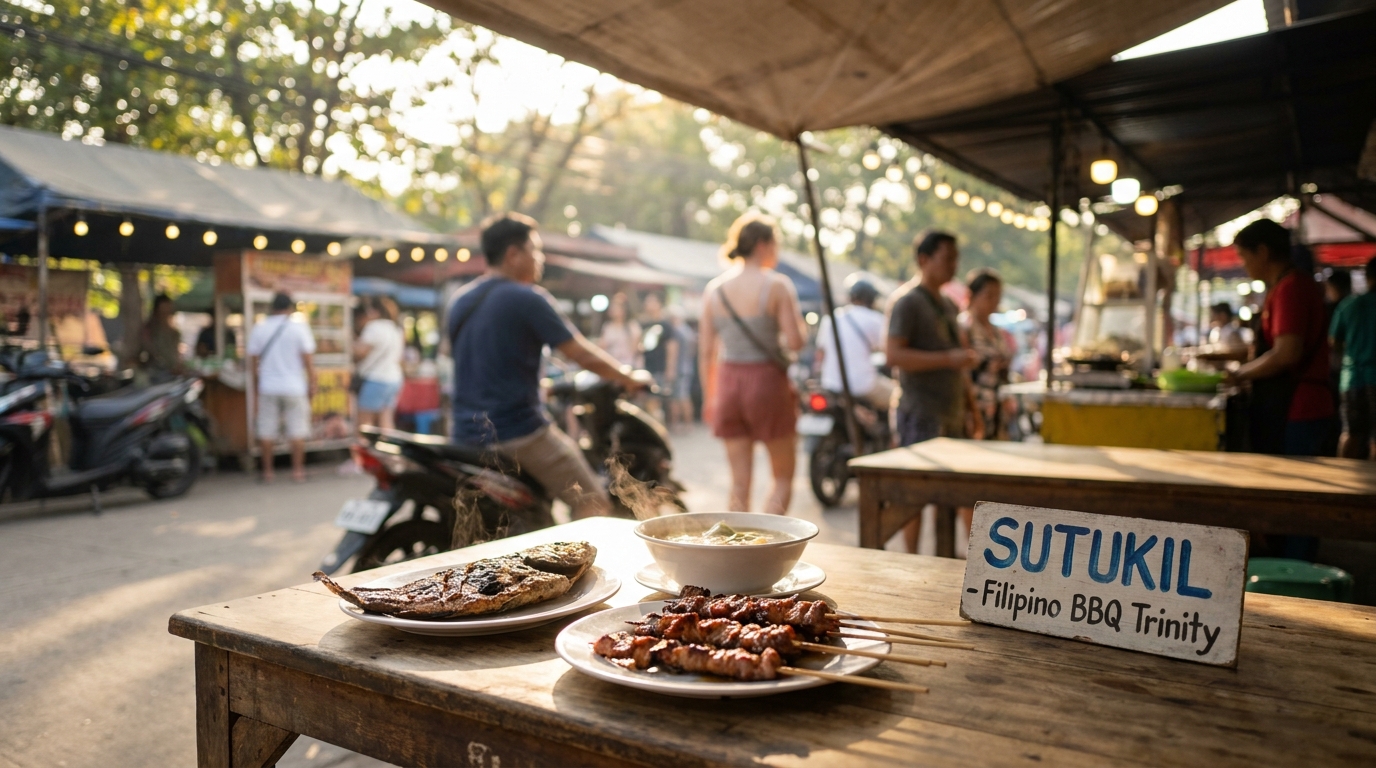
Sutukil stands for sugba (grill), tuwa (stewed in broth), kilaw (marinated raw in vinegar). A Cebuano seafood meal format where you pick your fish or shellfish and choose all three cooking methods — not a dish but a full ordering system.
How it works: Markets and restaurants lay out fresh catch (tanigue, lapu-lapu, pusit/squid, alimasag/blue crab, sugpo/prawn). You point to what you want and say which of the three methods. You get three preparations from one visit.
Best sutukil areas: Mactan seafood strip (near Maribago), Taboan Market area, and Inasal restaurants across Cebu City. Price depends on the fish weight — budget 300–600 PHP for a full sutukil meal for two.
4. Puso — Hanging Rice
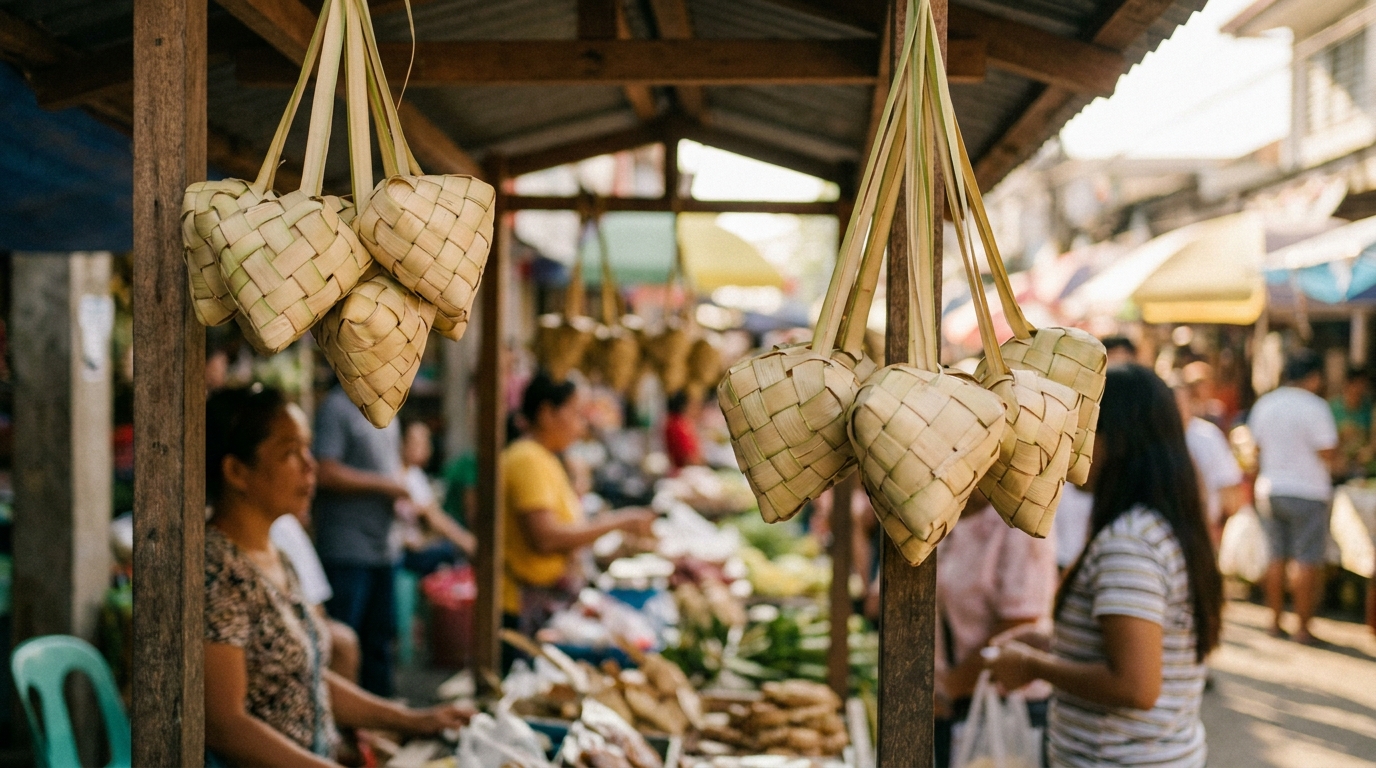
Puso (literally “heart”) is Cebuano rice cooked in woven coconut fronds — the rice steams inside the diamond-shaped packet, emerging firm and slightly coconut-fragrant. Standard accompaniment to Cebu BBQ and lechon.
You’ll see them strung outside every roadside BBQ stall in Cebu — 10–15 PHP each, two per serving. They’re not a tourist novelty; they’re the default carb at local lechon spots and BBQ stalls.
5. Danggit — Dried Reef Fish Breakfast
Danggit (dried rabbitfish) is Cebu’s most exported food product and the defining Cebu breakfast. The small fish are sun-dried, then pan-fried crisp and served with garlic rice, vinegar dip, and tomato. Slightly pungent, very salty, intensely crispy.
Taboan Market near Carbon is the wholesale danggit market where you can buy vacuum-packed danggit to take home. A kilo pack (for gifts): 300–500 PHP. Breakfast at a local turo-turo (point-point cafeteria): 80–120 PHP.
6. Ngohiong — Cebu Chinese-Filipino Snack
Ngohiong (pronounced ngo-hiong) is a Cebu-Chinese lumpia variant unique to the city — a deep-fried spring roll filled with ubod (heart of palm), pork, and five-spice. Different from the fresh lumpia of Manila or the fried lumpiang shanghai elsewhere.
Usually served with sweet-spicy liver sauce and eaten as merienda (afternoon snack). Found at Carbon Market and specialty shops along Colon Street. 15–25 PHP per piece.
7. Pochero — Cebu-Style Beef Stew
Pochero in Cebu is different from the Manila version — it’s a tomato-based beef bone broth stew with saba banana, sweet potato, and green vegetables. Rich, deeply savory, served with the broth poured over rice.
A comfort food staple at Cebuano karenderia (neighborhood eateries). 80–120 PHP for a full bowl. Hard to find at tourist restaurants — look for the neighborhood eateries away from the main tourist strip.
The best food in Cebu tends to be at the oldest shops, not the newest ones. CnT Lechon (1950), the danggit sellers in Taboan Market, and the ngohiong stalls near Carbon have been operating for generations because the product is genuinely excellent, not because of marketing.
8. Ginabot — Deep-Fried Pork Intestine Crackling
Ginabot is chicharon (pork crackling) made from intestines rather than skin — deep-fried until crispy, served with vinegar dip and sliced tomato. Considered Cebu’s street food version of chicharrón.
Street stalls in the Carbon Market area sell it freshly fried. 30–50 PHP for a serving. The texture is more complex than skin chicharon — the intestine gives a slightly elastic, then crispy bite with a deeper pork flavor.
9. Halo-Halo at Razon’s or Local Shops
Not Cebu-exclusive, but halo-halo (Filipino shaved ice dessert with beans, jellies, ube halaya, leche flan, and evaporated milk) is executed especially well in Cebu. Razon’s of Guagua has branches in SM City Cebu. Local halo-halo shops near Carbon Market offer larger portions at lower prices (60–80 PHP vs 120–180 PHP at chain restaurants).
Where to Eat in Cebu: Best Spots by Category
Local Canteens and Turo-Turo (Budget)
Carbon Market area — Cebu’s oldest market neighborhood has rows of canteens serving authentic Cebuano food to market workers. Lechon, pochero, sinigang, and fresh fish. 50–100 PHP per meal.
Labangon and Mabolo residential areas — Local neighborhood eateries away from tourist zones. The best Cebu food experiences that won’t be at any Tripadvisor list. Follow the lunch crowd.
Night Markets
Sugbo Mercado (IT Park, Thu–Sun, 5–11pm): Cebu City’s biggest night market. 40+ stalls with BBQ pork skewers, grilled seafood, halo-halo, local desserts, and drinks. 100–400 PHP for a full meal. Primarily local — not a tourist trap.
Seafood Restaurants
Lantaw Floating Restaurant (Cordova, near Mactan bridge): Wood deck restaurant over the water, native ambiance, fresh seafood at honest prices. Order the sinuglaw, grilled lapu-lapu, and sizzling squid. 400–800 PHP for two.
Mactan seafood strip (Maribago area): Multiple restaurants next to each other with tank-fresh fish priced by weight. Competitive pricing because of the density.
Cebu Food Day Plan
Morning: Danggit breakfast at a local turo-turo (80–120 PHP)
Mid-morning: Ngohiong and puso snack near Carbon Market (30–50 PHP)
Lunch: Lechon rice plate at CnT or Rico’s (150–200 PHP)
Afternoon: Ginabot and cold drinks at a Carbon area stall (50–80 PHP)
Evening: Sugbo Mercado for BBQ skewers + halo-halo (200–400 PHP)
Total food day budget: 500–800 PHP ($9–14)
Frequently Asked Questions
What is Cebu most famous for food?
Lechon — specifically the lemongrass-stuffed roast pig that Anthony Bourdain called the best pig he’d ever eaten. Cebu lechon is considered categorically different from Manila lechon and is the main food reason travelers visit.
Is Cebu food spicy?
Generally not. Cebuano food uses coconut vinegar and ginger as the primary seasonings rather than chili. Kinilaw can be ginger-spicy, and some sutukil preparations use bird’s eye chili, but the baseline is mild. If you want heat, ask for siling labuyo (bird’s eye chili) on the side.
How much does food cost in Cebu?
Budget: 150–300 PHP/day eating at local eateries and turo-turos. Mid-range: 400–800 PHP/day with one sit-down restaurant meal. CnT lechon rice plate: 150–200 PHP. Sutukil seafood meal for two: 300–600 PHP. Night market meal: 100–400 PHP.
Affiliate Disclosure: This post does not contain affiliate links for food. For activity bookings, see related articles with Klook links.
Sources:
1. Cebu Tourism Office — Cebu food culture, 2025
2. Philippines Department of Tourism — Cebuano cuisine, 2025
3. CnT Lechon — restaurant history and menu, 2025