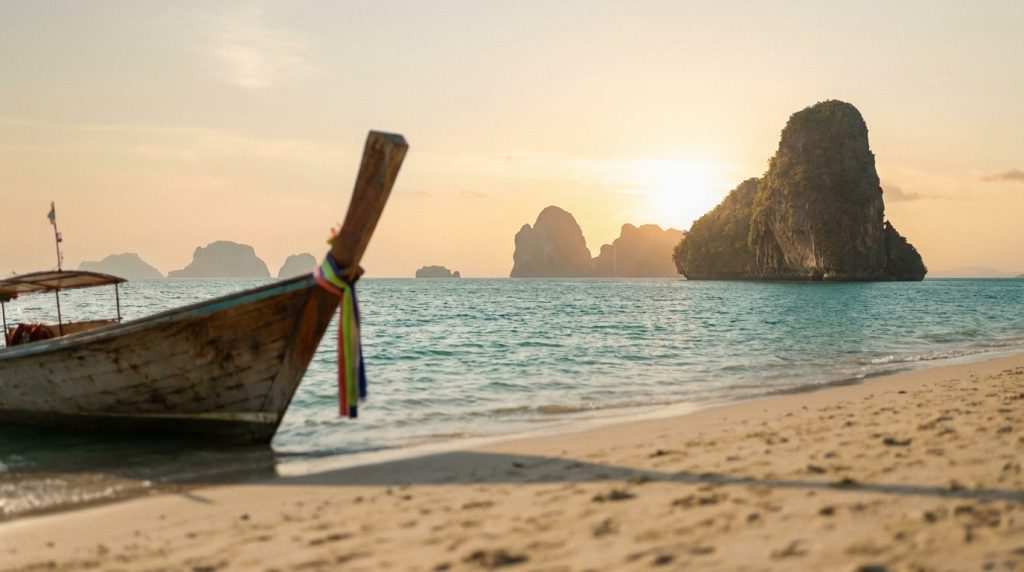
Best Time to Visit Phuket: Month-by-Month Guide (2026)

Short answer: November through February for the best weather. November specifically if you want great weather AND lower prices. May through September if you’re on a budget, don’t mind afternoon rain, and know the east coast stays calm.
Most “best time to visit Phuket” articles boil down to “go in winter.” That’s fine advice if you’ve got unlimited budget and don’t mind sharing every beach with 10,000 other people who read the same article. But Phuket doesn’t have a bad season — it has different seasons, each with trade-offs that depend on what you’re actually planning to do.
Thailand pulled in roughly 36-37 million international visitors in 2024, with arrivals “consistently higher during Q1 and Q4” — meaning Phuket’s beaches are most crowded precisely when the weather’s best. That’s the core tension this guide helps you navigate.
For full trip planning, start with our Phuket travel guide. For what to pack based on when you’re going, see our packing list.
Key Takeaways: Phuket’s best weather runs November–February (3-4 rainy days/month, 7.5 hrs sunshine). Best value is May–September when hotels drop 40-60% but mornings are usually sunny. The real sweet spot? November — monsoon fades, crowds haven’t arrived, hotels still run shoulder-season rates. Water’s warm year-round at 28-30°C.
Phuket Weather by Month
Here’s the full climate picture. Every number in this table is sourced from Climates to Travel and World Weather Online.
| Month | High °C (°F) | Low °C (°F) | Rain (mm) | Rainy Days | Sunshine hrs | Humidity | Water °C | Sea |
|---|---|---|---|---|---|---|---|---|
| Jan | 32.7 (91) | 22.7 (73) | 35 | 4 | 7.5 | 72% | 28.5 | Calm |
| Feb | 33.9 (93) | 22.9 (73) | 40 | 3 | 7.5 | 70% | 28.5 | Calm |
| Mar | 34.3 (94) | 23.5 (74) | 75 | 6 | 6.5 | 73% | 29.5 | Calm |
| Apr | 34.0 (93) | 24.1 (75) | 125 | 15 | 6.0 | 76% | 30.0 | Calm→Moderate |
| May | 32.8 (91) | 24.3 (76) | 295 | 19 | 5.0 | 79% | 30.0 | Moderate→Rough |
| Jun | 32.3 (90) | 24.2 (76) | 265 | 19 | 5.0 | 80% | 30.0 | Rough (west) |
| Jul | 31.9 (89) | 24.3 (76) | 215 | 17 | 5.0 | 80% | 29.5 | Rough (west) |
| Aug | 31.6 (89) | 24.3 (76) | 245 | 17 | 5.0 | 80% | 29.5 | Rough (west) |
| Sep | 31.4 (89) | 23.8 (75) | 325 | 19 | 3.5 | 82% | 29.0 | Rough |
| Oct | 31.5 (89) | 23.5 (74) | 315 | 19 | 4.5 | 83% | 29.0 | Rough→Moderate |
| Nov | 32.0 (90) | 23.3 (74) | 195 | 14 | 6.0 | 80% | 29.0 | Moderate→Calm |
| Dec | 31.9 (90) | 22.9 (73) | 80 | 8 | 6.5 | 76% | 28.5 | Calm |
Three things jump out from this data:
- Temperature barely changes. The difference between the hottest month (March, 34.3°C) and the coolest (September, 31.4°C) is less than 3 degrees. It’s hot year-round.
- Rainfall is the real variable. February gets 40mm. September gets 325mm. That’s an 8x difference.
- Water temperature’s always warm. It ranges from 28.5 to 30°C (83-86°F) — comfortable for swimming and diving in every single month (PADI).
Phuket’s Three Seasons Explained
High Season (November–February): Best Weather, Highest Prices
This is what everybody means when they say “go to Phuket.” Clear skies, 3-8 rainy days per month, calm seas on both coasts, and 6.5-7.5 hours of daily sunshine. The water’s turquoise, the sunsets are clean, and every island trip runs on schedule.
The trade-off’s obvious: everyone else knows this too. Thailand’s tourist arrivals are consistently highest in Q1 and Q4, and Phuket absorbs a massive share. Patong Beach during Christmas week feels like a theme park. Popular restaurants need reservations. Taxis charge more because they can.
What it costs: Hotels run peak rates, with the Christmas–New Year window (Dec 20–Jan 5) commanding 100-200% surcharges over standard high-season pricing. A mid-range hotel that’s $80/night in November is $150-200 in late December. Flights from major hubs are at their annual peaks too.
Best for: First-time visitors who want guaranteed beach weather. Families. Divers chasing the best visibility (15-30m). Island hoppers — Similan Islands reopen October 15 and the Phi Phi seas are glass-calm.
Shoulder Season (March–April & October–November): The Sweet Spots
Here’s where smart travelers go. March is technically still dry season — Phuket’s hottest month at 34.3°C, with only 6 rainy days. April brings the start of monsoon transition, but it also brings Songkran (Thai New Year, April 13-15), which is one of the most fun cultural events you’ll experience anywhere in Asia.
On the other end, October–November is monsoon winding down. October’s still wet (315mm), but November drops to 195mm and seas calm rapidly. By late November, conditions are nearly identical to December — but hotel prices are still running 20-30% below peak.
UNIQUE INSIGHT: November is Phuket’s best-kept timing secret. The monsoon’s essentially over by mid-month. Skies clear, seas settle, and the island transitions to high-season conditions. But hotel pricing hasn’t caught up yet — you’re getting December weather at October prices. Reddit’s r/ThailandTourism consistently calls November the “cheat code month,” and they’re right.
What it costs: 20-30% below peak. Some luxury resorts still offer green-season promotions through early November.
Best for: Budget-conscious travelers wanting good weather. Photographers — the transitional clouds create dramatic skies. Divers — March has excellent visibility and whale sharks start appearing.
Green Season / Monsoon (May–September): The Misunderstood Season
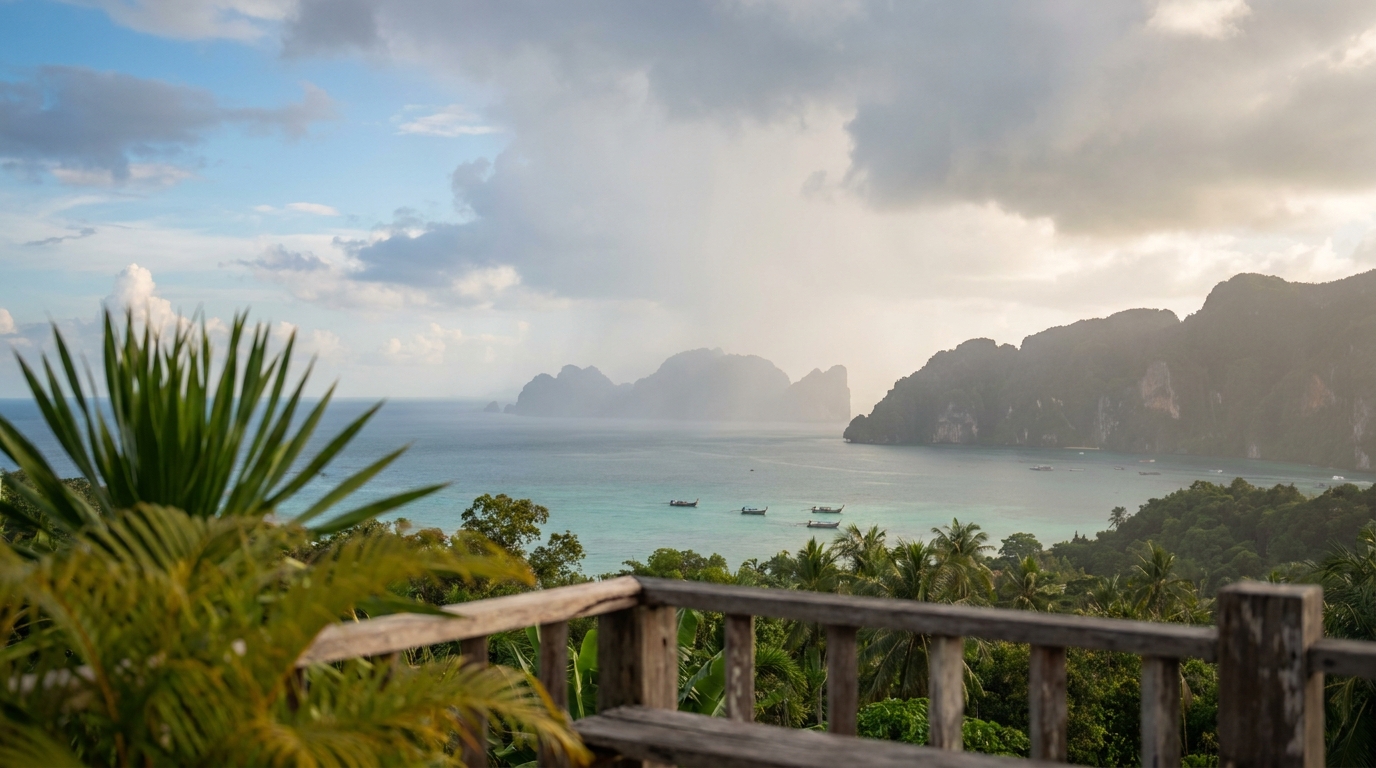
This is where most travel guides fail you. They say “avoid monsoon season” and leave it at that. Here’s what they don’t tell you: monsoon season doesn’t mean constant rain. It means afternoon rain.
What Monsoon Season ACTUALLY Looks Like
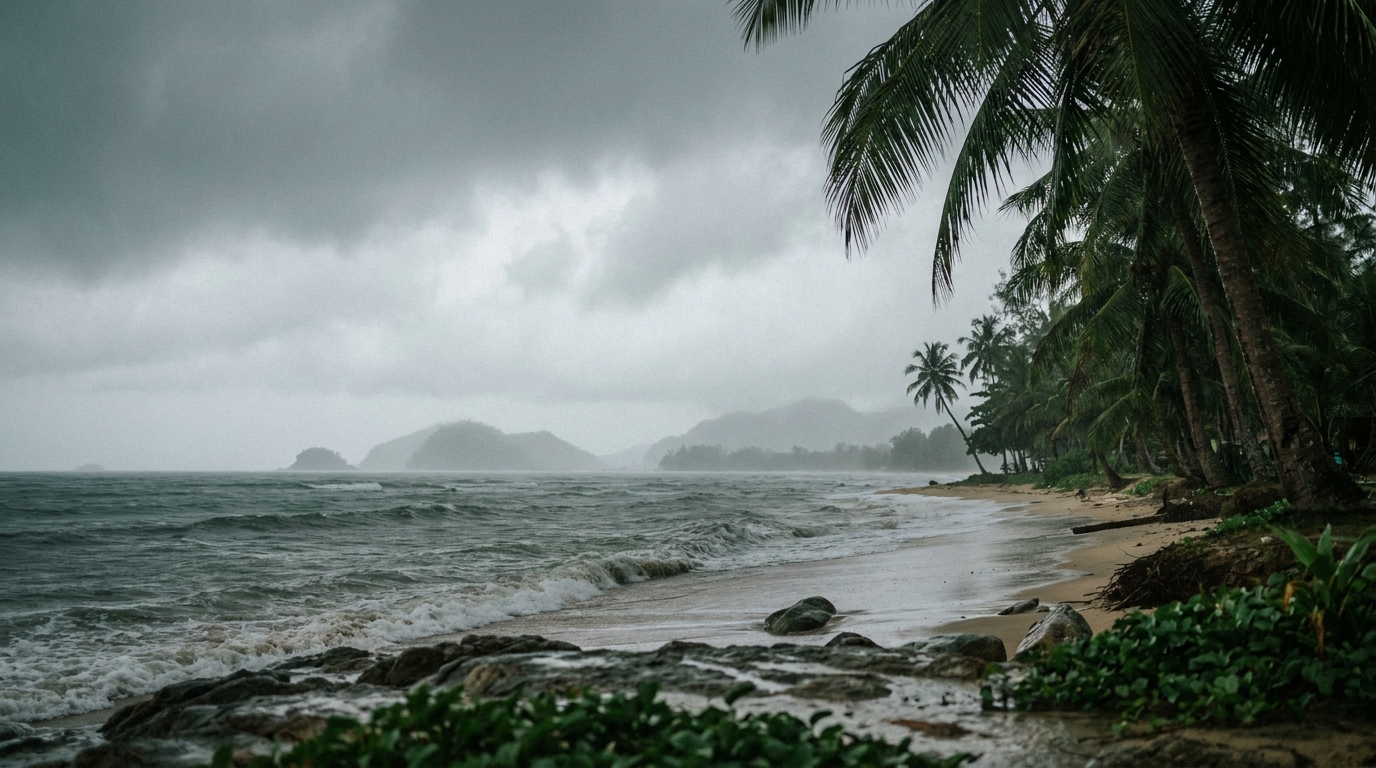
This is the section that’ll save you money. Phuket’s southwest monsoon runs May through October, and it’s the single most misunderstood aspect of traveling here. Let me break down what a typical monsoon day actually looks like:
| Time | What Happens |
|---|---|
| 6:00–7:00 AM | Sunrise. Often clear, sometimes overcast. Temperature already 27-28°C. |
| 7:00–11:00 AM | Best part of the day. Usually sunny, sometimes gorgeous blue skies. Beach time, temple visits, market shopping — all great. |
| 11:00 AM–1:00 PM | Clouds build. Still warm, still dry. Humidity rises. |
| 1:00–4:00 PM | Rain window. Heavy downpour lasting 1-3 hours. Sometimes dramatic thunder. Locals barely notice. |
| 4:00–6:00 PM | Rain clears. Everything smells incredible. Cooler air, dramatic cloud formations at golden hour. |
| 6:00 PM onward | Sunset often spectacular — monsoon clouds create the most dramatic skies of the year. Evening usually dry. |
PERSONAL EXPERIENCE: I spent three weeks in Phuket during July. Out of 21 days, 14 had the afternoon rain pattern described above. Five days were almost entirely sunny with no rain at all. Two days had rain from morning through afternoon — genuinely disappointing. That’s a 90% success rate for “usable” vacation days. The mornings were uniformly stunning.
The real problem isn’t rain — it’s the sea. West coast beaches (Patong, Kata, Karon, Surin, Kamala) get red-flagged from May through October due to southwest monsoon swells and dangerous undertows. This is non-negotiable — people die in these currents every year.
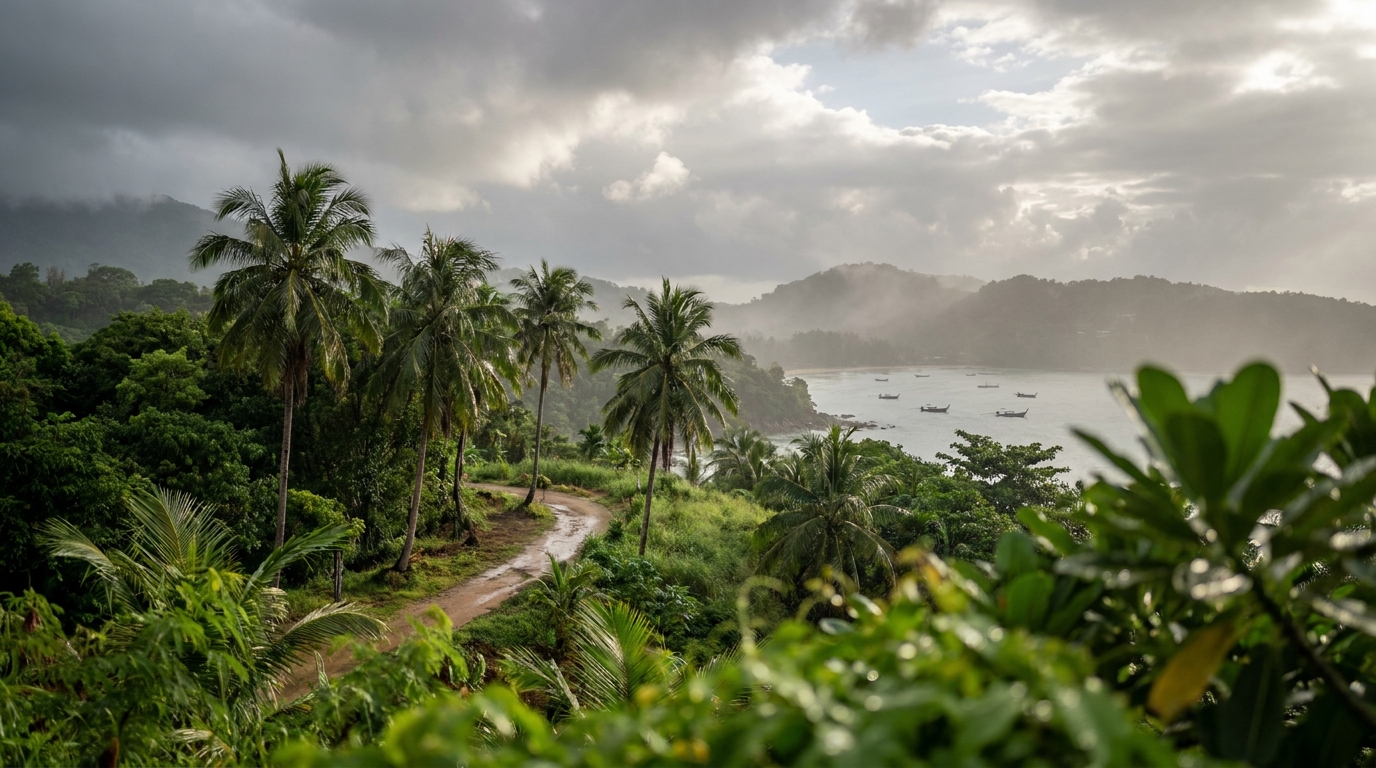
The fix: Phuket’s east coast stays calm during monsoon. Ao Yon Beach, Rawai, Cape Panwa, and the waters around Koh Siray are sheltered from the southwest monsoon and perfectly swimmable year-round. Most tourists don’t know this because most tourists don’t leave the west coast. We covered several east coast gems in our hidden gems guide.
What it costs: This is where monsoon season gets genuinely compelling.
Phuket Prices by Season
The price difference between high and low season is dramatic — we’re talking 40-60% savings on accommodation alone. Here’s the full breakdown.
Hotel Prices
| Category | High Season (Dec–Jan) | Shoulder (Mar–Apr / Nov) | Low Season (May–Sep) | You Save |
|---|---|---|---|---|
| Hostel / guesthouse | $25–50/night | $15–35/night | $10–25/night | 40–60% |
| Mid-range 3-star | $80–150/night | $50–100/night | $35–70/night | 45–55% |
| Luxury 4-5 star | $200–500/night | $120–300/night | $80–200/night | 50–65% |
| Private pool villa | $300–800/night | $180–450/night | $100–300/night | 55–65% |
The Christmas–New Year window (Dec 20–Jan 5) carries an additional 100-200% surcharge over standard high-season rates. A resort that’s $200/night in early December might charge $400-500 for New Year’s Eve. Chinese New Year adds another 20-40% bump in late January/early February.
Flights
- Bangkok–Phuket round trip: Peak $80-150 → Low season $40-80
- International long-haul (Europe/Australia): Can save $200-500+ per person in low season
- November sweet spot: Near-low-season flight prices with near-high-season weather
Tours and Activities
| Activity | High Season | Low Season | Seasonal Note |
|---|---|---|---|
| Phi Phi day trip | $50-70 | $30-45 | 30-35% cheaper; some days cancelled in rough seas |
| Similan Islands trip | $80-120 | Closed May 15–Oct 15 | Not available in monsoon |
| Diving course (Open Water) | $350-450 | $280-380 | 10-20% cheaper; fewer students = more attention |
| Thai cooking class | $40-60 | $35-55 | Minimal change |
| Spa/massage | $15-40 | $12-35 | Minimal change |
ORIGINAL DATA: A one-week Phuket trip for two people in December costs roughly $2,500-4,000 USD (mid-range hotels, 2 tours, eating out daily). The same trip in July: $1,200-2,200 USD. That’s $1,000-2,000 saved per couple. Multiply that across a two-week trip and you’re looking at enough savings to fly business class home. For detailed daily budgets, see our travel budget guide.
Best Time for Each Activity
Not every activity depends on weather the same way. Here’s a matrix showing exactly when to go based on what you want to do.
| Activity | Best Months | Avoid | Notes |
|---|---|---|---|
| Beach & swimming | Nov–Apr | Sep (roughest seas) | East coast swimmable year-round |
| Diving | Nov–Apr | Sep | Visibility 15-30m in season. Manta rays Oct–May. Whale sharks Mar–Jun. |
| Snorkeling | Nov–Apr | Jun–Sep | Similan Islands closed May 15–Oct 15 |
| Surfing | May–Oct | Dec–Mar (no waves) | Kata Beach main spot. Phuket’s ONLY surf season. |
| Island hopping | Nov–Apr | Sep–Oct | Phi Phi year-round but rough in monsoon |
| Temple visits | Year-round | — | Indoor/covered; rain doesn’t matter |
| Shopping | Year-round | — | Low season = fewer crowds at markets |
| Nightlife | Year-round | — | Bangla Road never sleeps. Some beach clubs close Jun–Sep. |
| Photography | Nov–Feb (clear) or May–Oct (dramatic) | — | Different looks, both excellent |
| Spa & wellness | May–Sep | — | Low season = best availability and prices |
Diving and Snorkeling Visibility by Month
This is the chart no competitor article includes, and it matters enormously if you’re a diver.
| Month | West Coast Visibility | East Coast / Racha | Similan Islands | Notes |
|---|---|---|---|---|
| Jan | 20-30m | 15-25m | 25-30m | Peak clarity |
| Feb | 20-30m | 15-25m | 25-30m | Peak clarity |
| Mar | 15-25m | 15-20m | 20-30m | Whale shark season begins |
| Apr | 15-20m | 10-20m | 15-25m | Still good |
| May | 5-15m | 10-15m | Closed | Monsoon transition |
| Jun | 3-10m | 8-15m | Closed | Plankton bloom reduces visibility |
| Jul | 3-10m | 8-15m | Closed | Variable |
| Aug | 3-10m | 8-15m | Closed | Variable |
| Sep | 2-8m | 5-12m | Closed | Worst visibility |
| Oct | 5-15m | 8-15m | Opens Oct 15 | Improving |
| Nov | 15-25m | 15-20m | 20-25m | Rapidly improving |
| Dec | 20-30m | 15-25m | 25-30m | Excellent |
Note: East coast sites (Racha Islands, Shark Point) are diveable year-round. West coast sites often inaccessible Jun-Sep due to wave conditions.
Phuket Event Calendar 2025-2026
Timing your trip around one of Phuket’s festivals adds a dimension that beach weather alone can’t deliver.
| Event | 2025 Dates | 2026 Dates | What to Expect | Impact on Your Trip |
|---|---|---|---|---|
| Chinese New Year | Jan 29 | Feb 17 | Lion dances, dragon parades, fireworks in Phuket Old Town. Major celebration — Phuket’s Sino-Thai heritage makes this bigger here than anywhere else in Thailand. | Hotels in Old Town area 20-40% pricier. Book early. |
| Songkran (Thai New Year) | Apr 13-15 | Apr 13-15 | Island-wide water fights. Bangla Road in Patong = epicenter. Cultural temple ceremonies in the morning, chaos in the afternoon. Unbelievably fun. | Hotels book up. Some businesses close. Embrace getting soaked. |
| Vegetarian Festival | Oct 2-11 | ~Sep 21-30 | Nine days of extreme rituals — fire walking, blade processions, spirit possession. 100+ veggie food stalls in Old Town. Not for the squeamish, but absolutely unforgettable. | Hotels near Old Town fill up. Incredible food scene. |
| Loy Krathong | Nov 5 | Nov 24 | Floating candle-lit baskets on water at beaches and lagoons. Beautiful, contemplative, photogenic. Saphan Hin and Nai Harn Lake are popular spots. | Minimal price impact. Worth staying for. |
| New Year’s Eve | Dec 31 | Dec 31 | Countdown parties island-wide. Patong Beach fireworks are the main event. Major resorts host gala dinners. | Peak peak pricing. Book months ahead. |
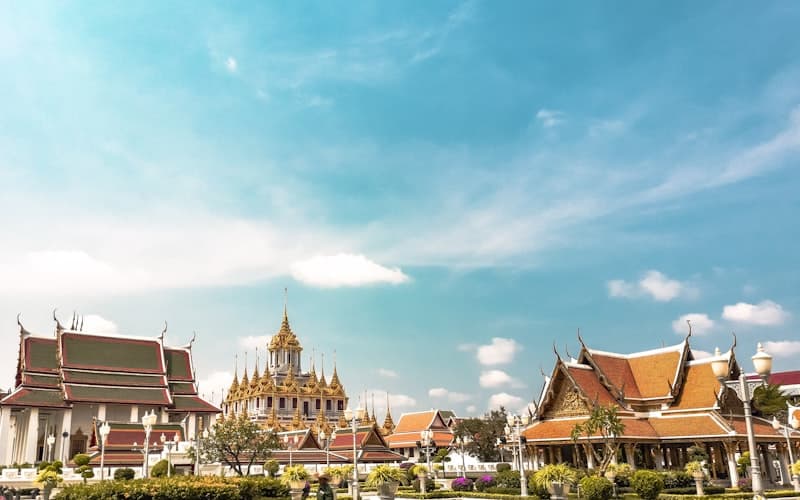
Pro tip: If you’re interested in Phuket’s cultural side, the Vegetarian Festival in late September/early October is the most unique event on the island. It happens during monsoon season, which keeps the crowds manageable and hotel prices reasonable. It’s one of the few events where low-season timing actually enhances the experience — you’ll get closer access to ceremonies and processions without fighting through tour groups. For more on what to do, see our Phuket bucket list.
Month-by-Month Quick Guide

Here’s every month distilled into what you actually need to know.
January
Weather: Dry, sunny, 32°C. 4 rainy days. Perfect beach weather. Crowds: Very high (post-New Year’s hangover thins out by mid-month). Best for: First-timers. Diving. Island hopping. Everything works. Watch out for: Chinese New Year spike (late Jan 2025, mid-Feb 2026).
February
Weather: Phuket’s driest month — 40mm rain, 3 rainy days, 7.5 hours sunshine. Ideal. Crowds: High but easing from January. Best for: Diving (peak visibility). Photographers (clearest skies). Price tip: Early Feb often sees a brief post-holiday dip before Valentine’s.
March
Weather: Hottest month at 34.3°C. Still mostly dry (75mm rain). Crowds: Moderate — a genuine sweet spot. Best for: Diving (whale shark season starts). Budget travelers wanting high-season conditions at shoulder prices. Watch out for: Heat. Drink more water than you think you need.
April
Weather: Hot and increasingly humid. Transition rains begin (125mm). Crowds: Moderate. Songkran week (13-15th) is busy. Best for: Songkran festival. Culture lovers. Budget travelers. Watch out for: Post-Songkran is the cheapest week in the transition period.
May
Weather: Monsoon officially begins. 295mm rain, 19 rainy days. Mornings usually fine. Crowds: Low. Hotels drop 40-60%. Best for: Surfing season starts (Kata Beach). Budget travelers. Spa and wellness retreats. Watch out for: West coast beach flags. Swim on the east coast instead.
June
Weather: Full monsoon. 265mm rain. 80% humidity. Latest sunsets of the year (6:47 PM). Crowds: Very low. You’ll have beaches to yourself. Best for: Surfing. Jungle trekking (waterfalls at full power). Cooking classes. Watch out for: Some beach clubs and dive operators reduce operations.
July
Weather: Monsoon continues. 215mm rain — actually less than May. Mornings often clear. Crowds: Low. School holiday visitors add a small bump. Best for: Budget luxury (five-star resorts at three-star prices). East coast exploration. Watch out for: July’s actually one of the better monsoon months. Don’t write it off.
August
Weather: Similar to July. 245mm rain. Sea conditions rough on the west. Crowds: Very low. Best for: Digital nomads (lowest prices + good morning weather). Spa deals. Watch out for: September’s coming — if seas are rough in August, September will be worse.
September
Weather: Phuket’s wettest month. 325mm rain, 3.5 hrs sunshine. The hardest month. Crowds: Lowest of the year. Best for: Absolute budget bottom. Some travelers love the dramatic weather. Watch out for: This is the one month where “it might rain all day” is a realistic possibility.
October
Weather: Monsoon’s winding down. 315mm rain but improving steadily, especially late month. Crowds: Low but increasing. Best for: Vegetarian Festival (~late Sep/early Oct). Similan Islands reopen Oct 15. Watch out for: Early October’s still wet. Late October’s noticeably better.
November
Weather: Transition to dry season. 195mm rain, 14 rainy days. Seas calming fast. Crowds: Building but not yet peak. Best for: Best value month on the entire calendar. Near-high-season weather, shoulder-season prices. Loy Krathong festival. Photography. Watch out for: Early November can still see residual monsoon. By mid-month it’s golden.
December
Weather: Dry, sunny, 31.9°C. 80mm rain, 8 rainy days. Classic Phuket weather. Crowds: Peak season. Christmas week is the absolute max. Best for: Guaranteed weather. Families on school holiday. New Year’s Eve. Watch out for: Prices peak Dec 20–Jan 5. Book accommodation 3-6 months ahead for this window.
When Should YOU Visit? (By Traveler Type)
Different travelers have different priorities. Here’s the bottom line for each.
| You Are… | Go In | Why |
|---|---|---|
| First-time visitor | Nov–Feb | Best weather, everything’s open, full Phuket experience |
| Budget backpacker | May–Sep | Hotels 40-60% off, fewer crowds, mornings still great |
| Diver / snorkeler | Jan–Mar | Peak visibility. Whale sharks in Mar–Jun. Manta rays Oct–May. |
| Surfer | May–Oct | Only time Phuket gets waves. Kata Beach main spot. |
| Honeymooner | Nov or Feb | Great weather, not peak-crowd. Romantic sunset spots. |
| Family (school hols) | Dec–Jan or Jul–Aug | Dec–Jan best weather. Jul–Aug works with east coast plan. |
| Digital nomad | May–Sep | Cheapest rent, fewest people, cafés aren’t packed |
| Festival hunter | Oct (Veggie Fest) or Apr (Songkran) | Two of Asia’s most unique festivals |
| Photographer | Nov (transitional skies) or Feb (clearest) | Both seasons offer different but excellent light |
For sunset chasers specifically, check our best sunset spots guide — it includes sunset times by month.
Frequently Asked Questions
Is monsoon season really that bad in Phuket?
No. It’s the most overhyped concern in Phuket travel planning. Phuket’s annual rainfall is about 2,210mm, and most of it falls in 1-3 hour afternoon bursts. Mornings are usually sunny. The real issue isn’t rain — it’s west coast sea conditions. Red flags go up on Patong, Kata, and Karon beaches from May through October. Swim on the east coast (Ao Yon, Rawai, Cape Panwa) and you’ll be fine.
What’s the cheapest month to visit Phuket?
September, hands down. It’s the wettest month and the least popular. Hotels hit annual lows (40-60% below December prices), flights are cheap, and tours discount to fill boats. It’s the toughest weather month, but if budget’s your priority and you’re flexible about activities, September delivers the most savings.
Can I still go to the beach in monsoon season?
Yes — with caveats. West coast beaches are dangerous for swimming May–October (strong undertows, rough surf). But they’re still beautiful for walking, photography, and sunset watching. For swimming, switch to the east coast: Ao Yon, Rawai Beachfront, and Cape Panwa are sheltered and calm year-round. For beach recommendations by season, see our best beaches guide.
When’s the best time for diving in Phuket?
November through April for the best conditions. Peak visibility (20-30m) runs January through March, and the Similan Islands — Phuket’s premier dive destination — are only open October 15 through May 15. Whale sharks appear March through June. Manta rays October through May. The east coast’s Racha Islands are diveable year-round with reduced visibility in monsoon.
How far ahead should I book for December?
Minimum 3 months for hotels in popular areas (Patong, Kata, Karon). 4-6 months for luxury resorts and private villas, especially the Christmas–New Year window. Flights should be booked 2-3 months ahead for the best fares. If you’re flexible on dates, early December (1st-15th) is significantly cheaper than the holiday rush.
Is November really the best month to visit?
It’s the best value month. The weather isn’t quite as reliable as January or February — you’ll still see some rain early in the month as the monsoon tapers off. But by mid-November, conditions are excellent, prices are 20-30% below peak, and crowds haven’t materialized. It’s the closest thing to a “cheat code” in Phuket travel planning. Whether it’s “best” depends on your priorities — if guaranteed dry weather matters most, go in February. If value matters most, go in November. For trip cost specifics, check our is Phuket expensive guide.
What should I pack for each season?
Dry season (Nov–Feb): Sunscreen, hat, light clothing, reef shoes. Low maintenance. Shoulder (Mar–Apr): Everything above plus more water bottles — March is brutal. Monsoon (May–Oct): Light rain jacket, waterproof bag for electronics, water shoes. Skip the heavy rain gear — you’ll overheat. An umbrella’s better than a raincoat in tropical heat. Full details in our Phuket packing list.
Last updated: April 2026. Climate data from Climates to Travel and World Weather Online. Tourism statistics from Thai Websites. Diving data from PADI.