Best Time to Visit Lombok 2026: Month-by-Month Weather Guide
By TravelguidestipUpdated 10 min readHow we earn
Hotel buttons open Stay22 (Booking.com, Agoda and others) and tour buttons open GetYourGuide. We may earn a commission at no extra cost to you.

Quick answer: The best time to visit Lombok is the dry season, May through September, when clear skies, calm seas for snorkeling, and open Mount Rinjani trekking trails line up. July and August are the busiest and priciest weeks but still very manageable, while May and September–October deliver near-identical weather with thinner crowds. Skip December–February for Rinjani: the national park officially closes December 1 to February 28.
Key Takeaways: The best time to visit Lombok is May through September — the dry season brings clear skies, calm seas for snorkeling, and open Rinjani trekking trails. July–August is peak but manageable. Avoid December–February for Rinjani treks; the trails close. The Gili Islands are viable year-round. Surf season (Desert Point) runs June–September.
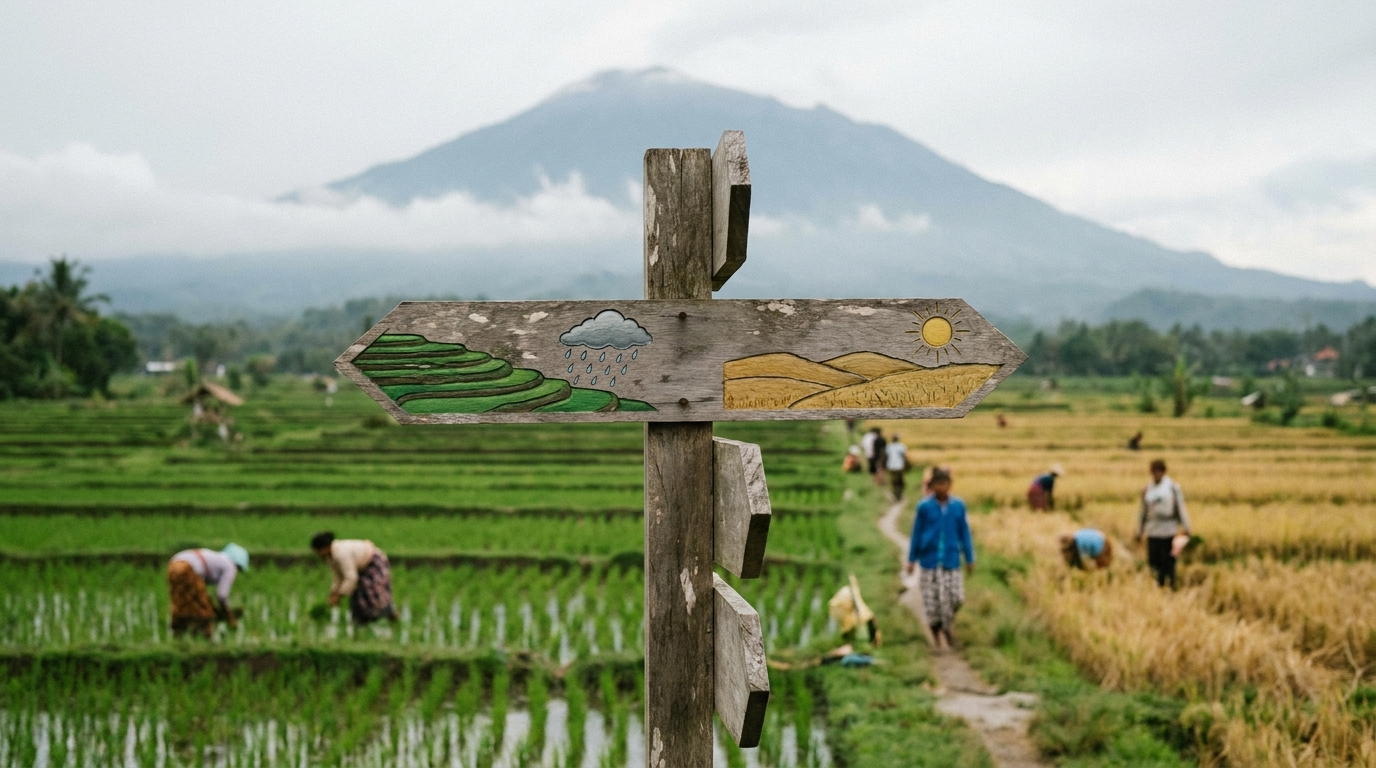
Lombok lies in the eastern Indonesian monsoon zone. Dry season: May–October (dominated by southeast trade winds from Australia). Wet season: November–April (northwest monsoon). Average annual rainfall: 1,500–2,000mm in coastal areas, 3,000+ mm on Rinjani slopes. Lombok International Airport (LOP) rarely closes due to weather. Sea temperatures remain 27–30°C year-round. Rinjani National Park officially closes December 1 – February 28 annually.
For full trip context, see Lombok Travel Guide and Lombok Itinerary.
Lombok Seasons at a Glance — Best Time To Visit Lombok
| Season | Months | Weather | Activities |
|---|---|---|---|
| Dry (best) | May–October | Sunny, calm | Rinjani, Gilis, surf |
| Shoulder | March–April | Mixed | Gilis OK, Rinjani risky |
| Wet | November–February | Rain, rough seas | Limited |
Find your Lombok hotel on the map
Live prices from Booking & Airbnb — tap a pin to compare stays around Kuta Lombok and Senggigi and beyond.
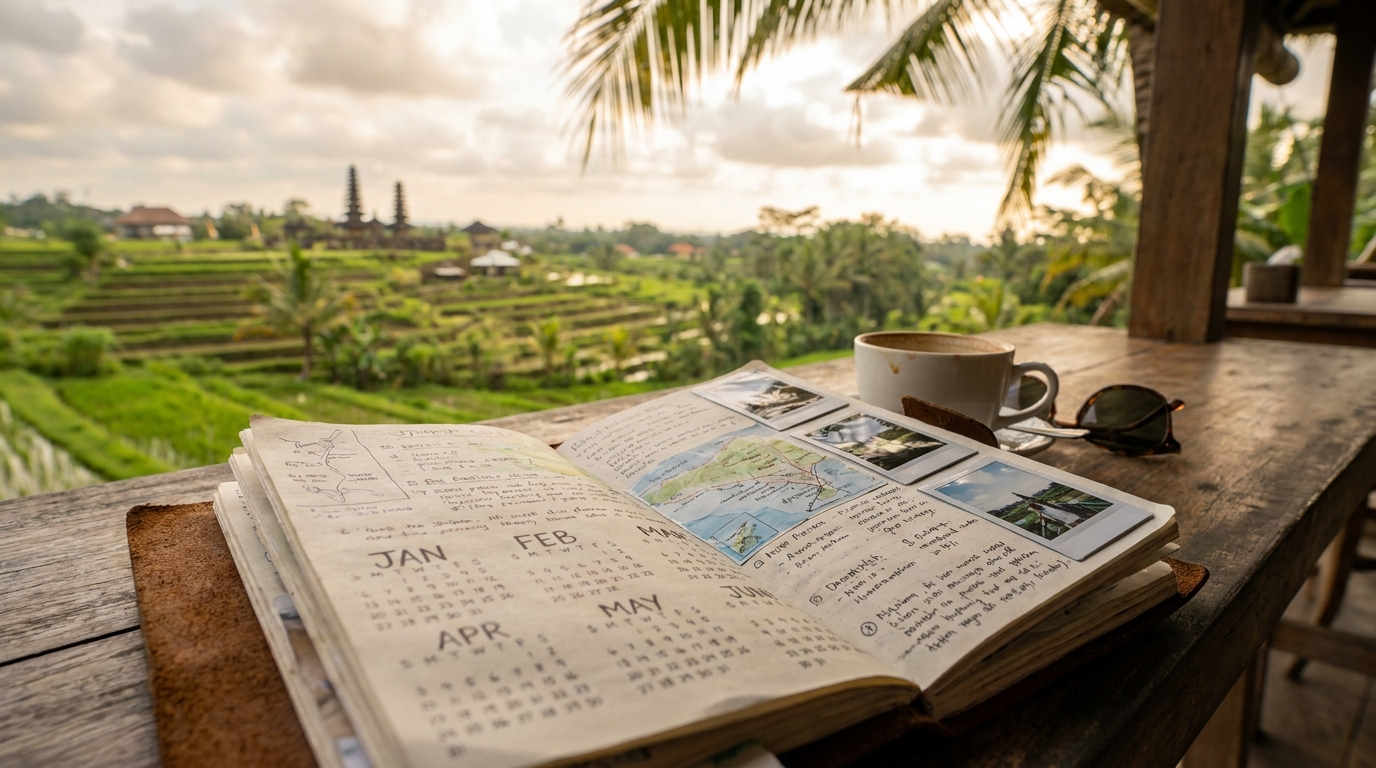
Month-by-Month Guide
January–February: Wet Season Peak
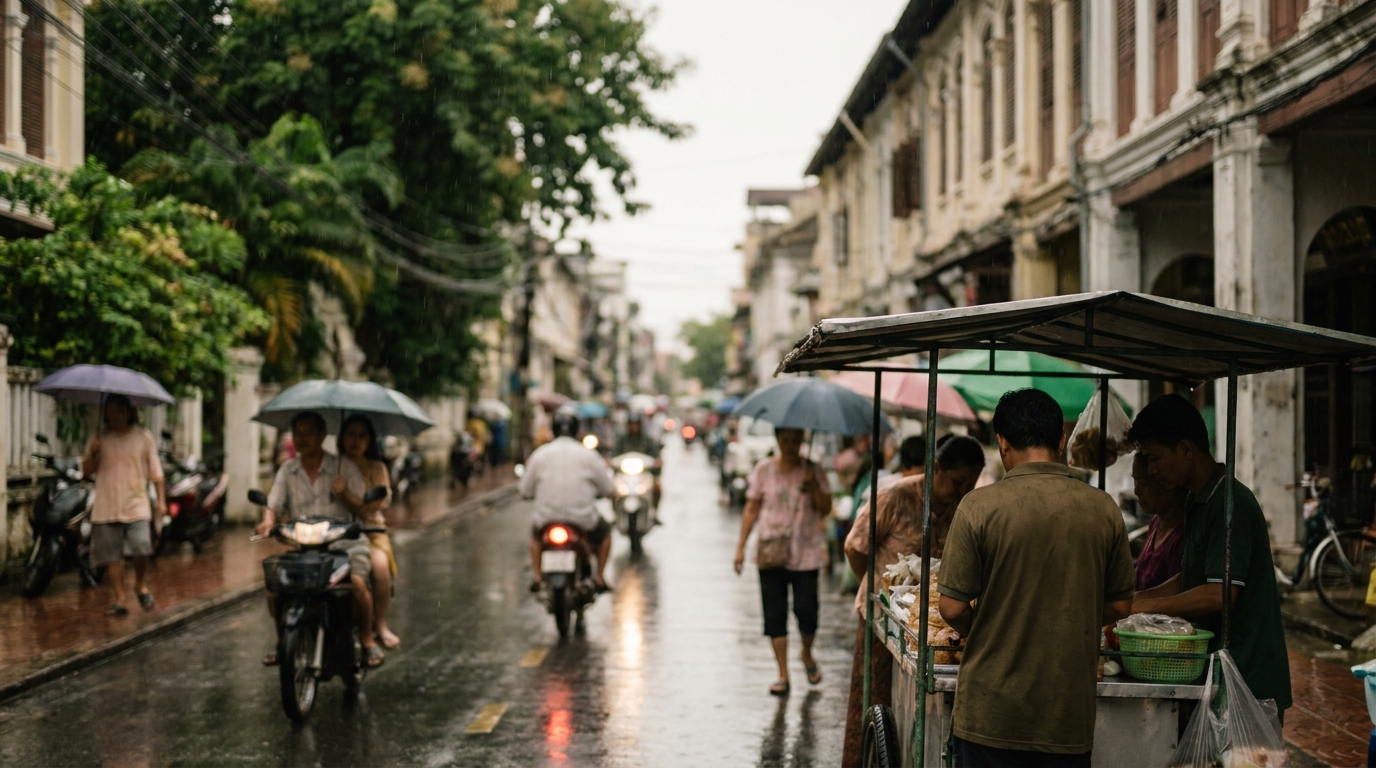
The wettest months. Rain is typically afternoon and evening (not all-day), but seas can be rough. Rinjani is officially closed January–February. Fast boats to the Gili Islands sometimes cancel in bad weather.
What still works: Gili Island beach time between rain, cultural sites (Sade village, Mataram temples), Senggigi restaurants.
Who comes: Almost no tourists. Accommodation 30–50% cheaper than peak. If you’re flexible on activities, this is the best value window.
Avoid if: Rinjani is on your itinerary, or you need reliable Gili boat schedules.
March–April: Transition (Shoulder)
Rain decreases through March, drying out significantly by April. Seas calm down. Rinjani remains officially closed until March 1 (opens March–April cautiously — confirm with operators before booking).
Good for: Gili Islands with fewer crowds than May–September. Kuta surf begins picking up in April.
Practical: Some Rinjani operators resume limited treks from mid-March depending on trail conditions.
May: Start of Dry Season (Excellent)
Consistent dry weather begins. Rinjani open and trails are in good condition after the closed season. Seas calm, visibility high for snorkeling (15–25m). Crowds start building but not yet peak July–August levels.
Best combination month: Rinjani trek + Gili snorkel in the same trip. Weather predictable enough to plan around.
Accommodation: Mid-season pricing — better deals than July–August.
June: Peak Surf + Strong Conditions (Very Good)
Desert Point (Bangko Bangko) starts firing with strong Indian Ocean swells. Dry, low humidity, ideal for trekking. July–August crowds haven’t arrived yet — the sweet spot for experienced travelers who want good conditions without the peak crowd.
Note: Desert Point is expert-only. If surf isn’t the reason you’re here, June is simply the best balance of conditions + crowd levels.
July–August: Peak Season (Great Conditions, Higher Prices)
The most popular months. Dry, sunny, minimal cloud on Rinjani summit mornings. Gili Islands at maximum vibrancy — sunset bars packed, fire shows every night.
Downsides: Gili T accommodation books 2–3 weeks ahead for mid-range. Peak-season pricing across the island (20–35% premium vs shoulder). Rinjani permits hit daily cap (40 trekkers/day via Sembalun, 50/day via Senaru) — book 2–3 weeks ahead.
Best for: First-timers who want guaranteed good weather and the full social atmosphere.
September–October: Late Dry Season (Excellent)
Conditions remain excellent — dry and clear. September is arguably better than July–August: same weather, 20–30% fewer visitors, lower accommodation pricing, Rinjani permits easier to secure. Surf season winds down at Desert Point by late October.
Recommended: Experienced Lombok travelers consistently rate September as their preferred month.
November: Transition (Acceptable)
First rains begin, typically light and brief. Seas start to get choppy by late November — fast boat cancellations possible. Rinjani still open early November; operators begin to close from late November. Boat safety matters in every month, and our Lombok and Gili safety rundown flags overloaded boats as one of the real risks on these crossings.
Fine for: Short Gili Islands stays, Kuta Lombok beaches (south coast typically stays drier longer). Not recommended for Rinjani.
December: Wet Season Start (Limited)
Rinjani closes December 1. Seas rougher — Gili boat services less reliable. Rain increases significantly. December 20–January 5 is paradoxically a small crowd spike (Christmas–New Year international visitors + premium pricing), despite poor conditions.
If you must visit December: Kuta Lombok, Senggigi restaurants, cultural sites. Avoid scheduling anything weather-dependent.
What the Season Affects
Gili Islands
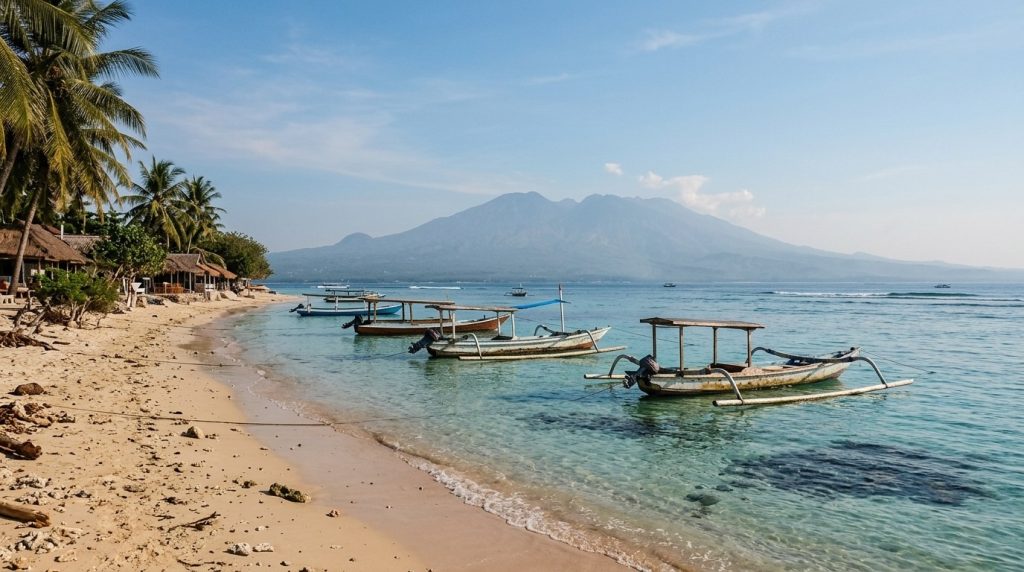
The Gili Islands are usable year-round — the islands are small enough that even in wet season, a few hours of afternoon sun exist most days. The main wet-season issue is boat service reliability, not the islands themselves. July–August brings the best energy and the most international visitors. With 3 nights or fewer, our comparison of Lombok and the Gilis suggests skipping the mainland and staying on a Gili for turtles and sunsets.
Mount Rinjani
Rinjani is the most weather-sensitive activity in Lombok. The national park enforces a hard close December–February (sometimes extending to March depending on trail damage). Outside the closure, wet-season treks are dangerous: slippery volcanic scree, flooding river crossings, zero summit visibility. Only attempt Rinjani May–October.
Surfing
- Desert Point (Bangko Bangko): June–September. Left-hand barrel that requires specific Indian Ocean swells. Expert surfers only.
- Selong Belanak: Year-round, but April–October best for consistent swells.
- Mawi: April–October.
Snorkeling and Diving
Water temperature stays warm (27–30°C) year-round. Visibility is better in dry season (15–25m) vs wet season (5–10m due to runoff). Diving is still viable in wet season for experienced divers on days when seas allow.
Lombok’s Waterfalls: When They’re at Their Best
Lombok’s north and central waterfalls run on the opposite clock to Mount Rinjani. The wet season that shuts the volcano down is when falls like Tiu Kelep, Sendang Gile and Benang Kelambu look their most dramatic.
Tiu Kelep and Sendang Gile sit near Senaru, on Rinjani’s lower slopes but well below the closed trekking zone. Benang Kelambu, further west near Mataram, fans out across a wide rock face rather than dropping as a single curtain.
From December through March, heavy rain feeds all three into full flow. Trails turn muddy, though, and the river crossing before Tiu Kelep can run fast after a storm.
From roughly April through November, flow drops but the walk is safer. Water stays clear enough for swimming at the base pools, which it rarely is at full wet-season flow.
May and September-October offer a practical middle ground. There’s still enough water to look impressive, and trails are dry enough to walk without a guide’s hand on every rock.
Tetebatu, in the foothills east of Rinjani, follows a similar pattern. Its waterfalls and rice-terrace walks look greener in the wet months and feel easier underfoot the rest of the year.
Which season to pick for waterfalls
- Most dramatic flow, mud included: December-March.
- Safer footing, clear swimming pools: April-November.
- A bit of both: May or September-October.
Local guides are available at each of the three main falls, mainly to help with the river crossing and point out safe swimming spots rather than to narrate a tour. None of the three sites require a guide to see the main waterfall itself.
Mornings tend to be calmer at all three sites, before afternoon cloud builds over the Rinjani foothills. Arriving by mid-morning also gets ahead of the day-trip crowds coming up from Senggigi and Mataram.
If a waterfall visit is the only reason for a wet-season Lombok trip, build in a backup plan. Operators do turn walkers back when water levels spike after heavy overnight rain.
Festivals and Events That Shape a Lombok Trip
A handful of Sasak cultural events can be the highlight of a Lombok trip, or an unexpected complication, depending on whether a visitor knows about them in advance.
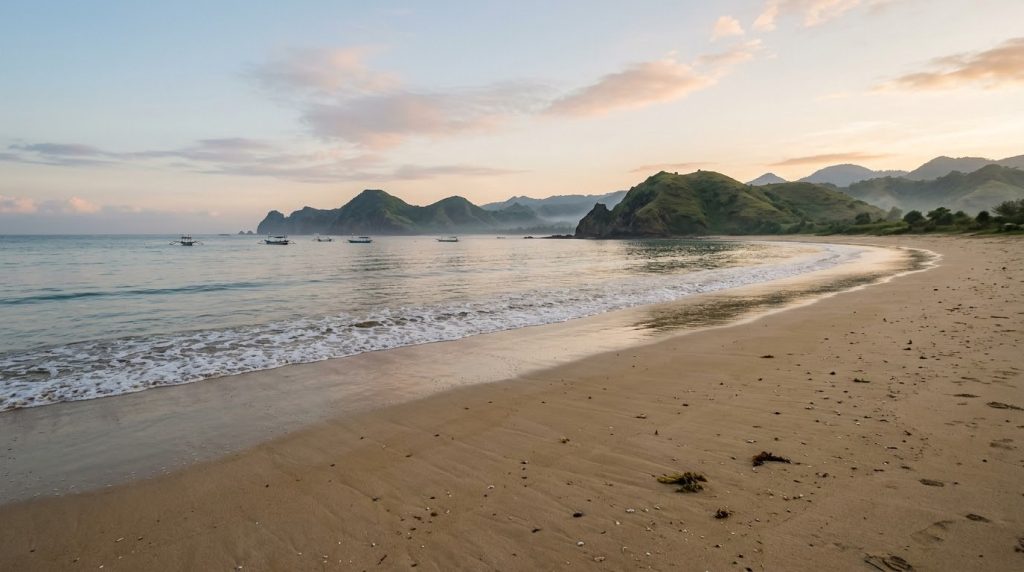
Bau Nyale, the sea-worm festival at Kuta Mandalika on the south coast, draws the biggest short-term crowd. It falls in February most years, timed to the lunar calendar and the worms’ dawn appearance along the shoreline.
Perang Topat, sometimes called the rice-cake war, is held at Lingsar Temple near Mataram later in the year, typically around November. Sasak and Balinese communities throw rice cakes at each other as a harvest and peace ritual.
A Sasak New Year observance follows the same lunar calendar and falls close to Perang Topat. Neither event closes roads or transport, though temple grounds and nearby rooms can fill for a day.
Senggigi’s beach strip sometimes hosts a cultural festival of traditional dance and art around the middle of the year. Dates and scale vary, so it’s worth confirming locally rather than planning a trip around it.
Because these dates follow the Sasak lunar calendar rather than the Gregorian one, the exact day shifts from year to year. A guesthouse or tour operator on the ground will always have the current date confirmed.
None of these events affect Rinjani access, Gili boat schedules or diving conditions. They sit on top of the weather calendar rather than changing it.
Planning around festival dates
- Bau Nyale (February): a one or two day crowd spike at Kuta Mandalika, not islandwide disruption.
- Perang Topat / Sasak New Year (around November): watch from Lingsar Temple grounds; book Mataram-area rooms a little earlier that week.
- Senggigi cultural events (variable, often mid-year): confirm dates with a local guesthouse rather than planning firm dates around them.
Outside these set-piece events, Sasak villages across Lombok hold smaller harvest and wedding ceremonies throughout the year that a visitor might come across without warning. These are community occasions rather than tourist attractions, and a respectful distance is the right approach unless invited closer.
For most itineraries, these events are worth working around rather than a reason to change the whole trip. Treat them as a bonus if the dates align, not a reason to shift dry-season travel into the wet months.
Practical Costs by Season
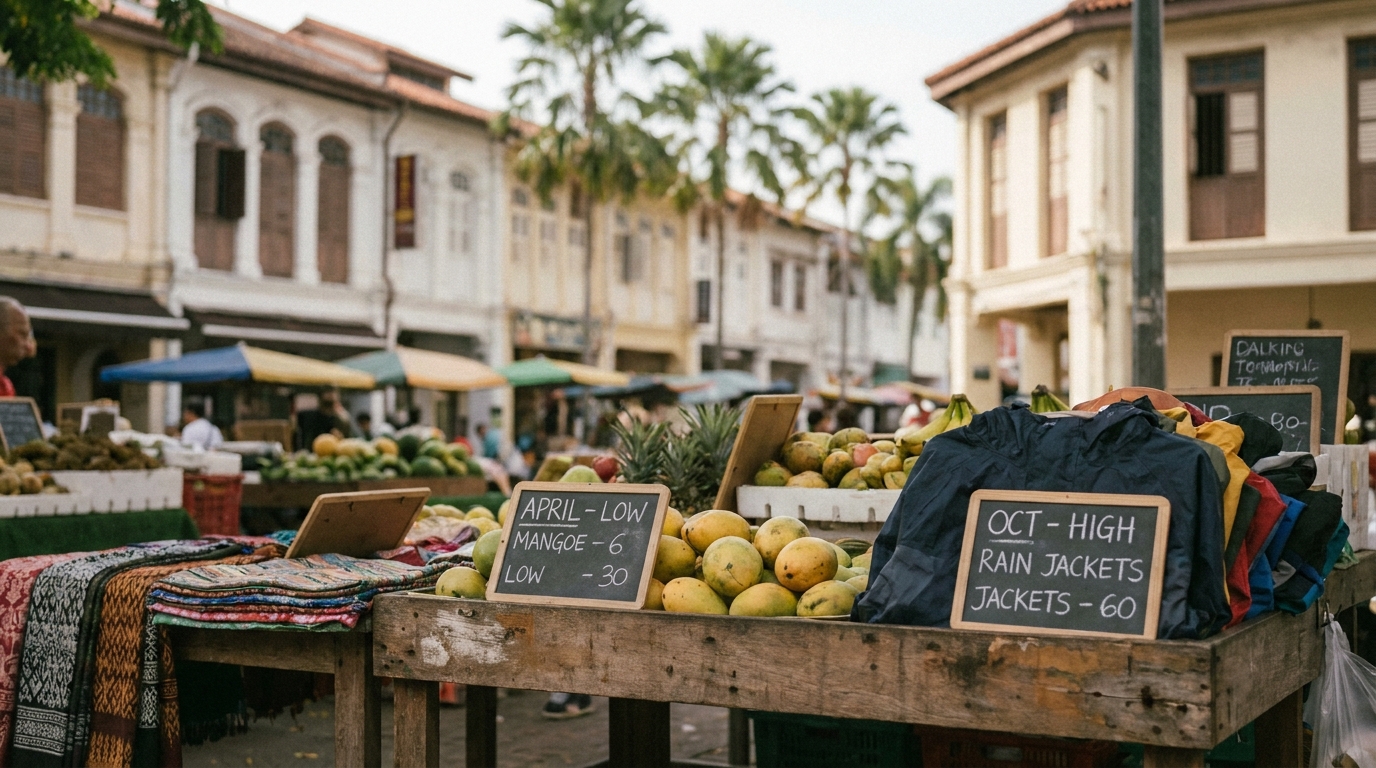
| Season | Accommodation premium | Boat reliability | Crowds |
|---|---|---|---|
| July–August (peak) | +25–35% | High | High |
| May–June, Sep–Oct | Standard | High | Medium |
| March–April | −10–20% | Good | Low |
| Nov–Feb (wet) | −30–50% | Variable | Very low |
Is Lombok Really Drier Than Bali?
Travellers choosing between the two islands often ask whether Lombok’s weather is genuinely better than Bali’s, or just less crowded. The honest answer: modestly drier, not dramatically different.
Both islands sit in the same eastern Indonesian monsoon belt and share the same broad pattern, dry roughly May to October and wet roughly November to April.
Lombok’s dry season tends to run a little longer at the edges. It stays drier into early November and recovers to reliable dry conditions a touch earlier in April than comparable parts of Bali.
Lombok also receives less annual rainfall overall and runs marginally less humid than Bali, particularly during the peak dry months of July and August. The difference shows up over a week-long trip, not within a single afternoon.
During the core wet-season months the gap narrows further. Some experienced travellers rate Bali’s wet-season weather as marginally more forgiving at the same time of year, since its geography breaks up some of the heavier downpours.
Sea temperature is one area where the two islands are almost identical. Both stay in the high-20s Celsius year-round, so a diving or snorkelling trip is not the deciding factor between them.
Humidity is the detail most visitors notice first, more than rainfall totals. Lombok’s slightly lower humidity in the shoulder months can make a hot day feel more comfortable than the same temperature in Bali, even when the forecast numbers look similar.
The month-by-month guide above remains the better planning tool than a blanket comparison. If a trip includes both islands, expect Lombok’s south coast and Gili side to stay slightly drier for slightly longer at the shoulders of the season, rather than a dramatically different climate overall.
Either island works well for a beach-and-weather-focused trip. The choice usually comes down to cost, crowds and ferry logistics rather than climate.
Frequently Asked Questions
What is the best month to visit Lombok?
September or May — both offer dry-season conditions without July–August peak pricing or crowds. September is the stronger recommendation: trails are dry, seas calm, and accommodation readily available.
Is Lombok good in December?
Not ideal. Rinjani closes December 1, and seas can be rough for Gili boat transfers. The Christmas–New Year period brings a crowd spike without corresponding good weather. Better to visit in shoulder or dry season.
Can you visit Lombok in the rainy season?
Yes, with adjusted expectations. The Gili Islands are still enjoyable. Rinjani is off. Rain typically comes in afternoon bursts rather than all-day — mornings are often clear. Budget travelers can find accommodation 30–50% cheaper than peak.
How hot is Lombok?
Coastal areas stay 28–33°C year-round. The Sembalun Valley (Rinjani base at 1,200m) drops to 15–20°C at night — bring a layer. Rinjani crater rim (2,600m) can reach 5–10°C at night during dry season.
Affiliate Disclosure: This post may contain affiliate links. We earn a small commission at no extra cost to you if you book through these links.
Sources:
1. Indonesia Meteorology Agency (BMKG) — Nusa Tenggara seasonal forecasts, 2025
2. Rinjani National Park — official closure schedule, 2025
3. Indonesia.travel — Lombok weather guide, 2025