Bali Transportation Guide 2026: Getting Around Bali
By TravelguidestipUpdated 11 min readHow we earn
Hotel buttons open Stay22 (Booking.com, Agoda and others) and tour buttons open GetYourGuide. We may earn a commission at no extra cost to you.
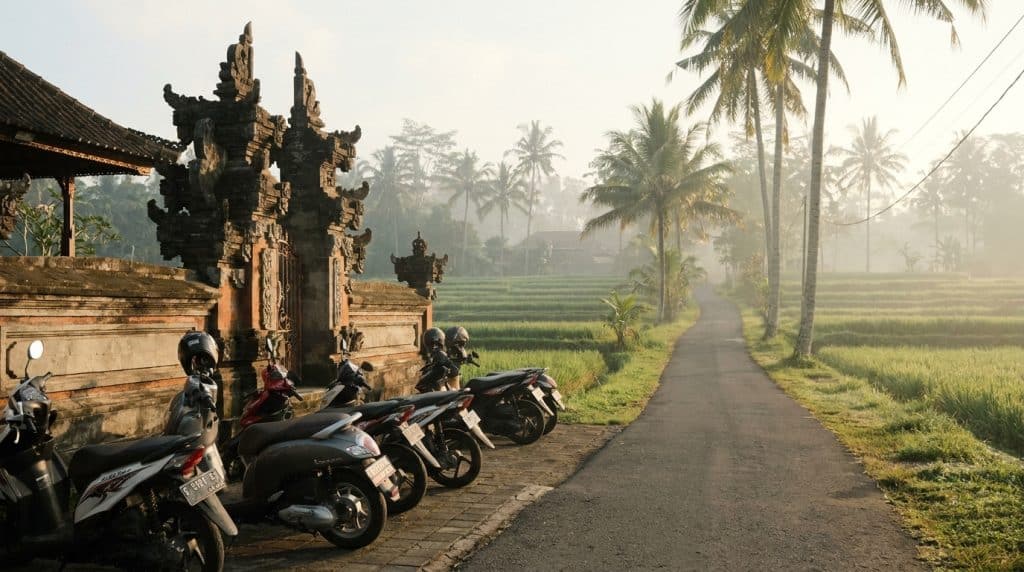
In short
- Scooter rental is the cheapest option at 70,000-100,000 IDR ($4.40-$6.25) per day, but requires an IDP
- Private drivers cost 600,000-800,000 IDR ($37.50-$50) for a full day and solve Bali’s navigation challenges
- Grab/Gojek work in tourist areas but have limited coverage in rural zones
- Airport taxis charge fixed rates: 150,000-350,000 IDR depending on destination (Angkasa Pura I, 2025)
- An eSIM keeps navigation and ride-hailing apps working from the moment you land
Bali has no public rail system, no metro, and no reliable bus network. That makes transport one of the most important things to figure out before you arrive. Ngurah Rai International Airport handled 21.5 million passengers in 2024 (Angkasa Pura I, 2025), and every single one of those travelers needed a plan for getting around an island with narrow roads and unpredictable traffic.
This bali transportation guide breaks down every option, from airport transfers to inter-island ferries. You’ll find real prices, practical tips, and the scams to watch for. Whether you’re a confident scooter rider or prefer the comfort of a private driver, we’ve got your options covered.
See our complete Bali travel guide
We only recommend services we genuinely trust. Learn more.
Find your Bali hotel on the map
Live prices from Booking & Airbnb — tap a pin to compare stays around Seminyak and Ubud and beyond.
How Do You Get from Bali Airport to Your Hotel? — Bali Transportation Guide
Quick answer: Bali has no train or metro, so getting around means an airport taxi or a ride-hailing app (Grab or Gojek) for short hops, a hired private driver at roughly 600,000-800,000 IDR per day for temple and waterfall tours, or a rented scooter for full independence. Grab and Gojek are the cheapest way to move but face informal local pickup bans in a few tourist zones, and fast boats link Bali to Nusa Penida and the Gili Islands.
Ngurah Rai Airport (DPS) sits on Bali’s southern tip, just 15 minutes from Kuta and 90 minutes from Ubud. The airport processed 21.5 million passengers in 2024, making it Indonesia’s second-busiest hub after Jakarta (Angkasa Pura I, 2025). Your transfer option depends on destination, budget, and how much luggage you’re carrying.
Airport Transfer Comparison Table
| Option | Time to Kuta | Time to Ubud | Cost (IDR) | Cost (USD) | Best For |
|---|---|---|---|---|---|
| Official Airport Taxi | 15-20 min | 60-90 min | 150K-350K | $9.40-$21.90 | Most travelers |
| Grab/Gojek | 15-20 min | 60-90 min | 80K-250K | $5-$15.65 | Budget travelers |
| Hotel Shuttle | 15-20 min | 60-90 min | 200K-500K | $12.50-$31.25 | Convenience |
| Pre-booked Transfer | 15-20 min | 60-90 min | 250K-450K | $15.65-$28.15 | Groups, late arrivals |
Official Airport Taxis
The prepaid taxi counter is in the arrivals hall. Fixed rates by destination: Kuta 150,000 IDR, Seminyak 200,000 IDR, Canggu 300,000 IDR, Ubud 350,000 IDR, Sanur 200,000 IDR. No negotiation needed. Metered taxis are banned from operating inside the airport zone.
Using Grab from the Airport
Grab and Gojek technically work at the airport, but drivers must pick up from designated ride-hailing zones outside the parking area. Walk past the taxi touts and follow signs to the ride-hailing pickup point. Prices are typically 30-40% cheaper than official airport taxis. The tradeoff is a 5-10 minute walk to the pickup zone.
We’ve used both airport taxis and Grab on different arrivals. The airport taxi is faster and less stressful, especially after a long flight. But if you’re on a tight budget, the Grab savings of 50,000-100,000 IDR ($3-6) might justify the extra walk. Just make sure your eSIM is already activated so Grab works immediately.
Ngurah Rai Airport processed 21.5 million passengers in 2024, making it Indonesia’s second-busiest airport after Soekarno-Hatta in Jakarta (Angkasa Pura I, 2025). Official prepaid taxis charge fixed rates starting at 150,000 IDR ($9.40) to Kuta and 350,000 IDR ($21.90) to Ubud.
Should You Rent a Scooter in Bali?
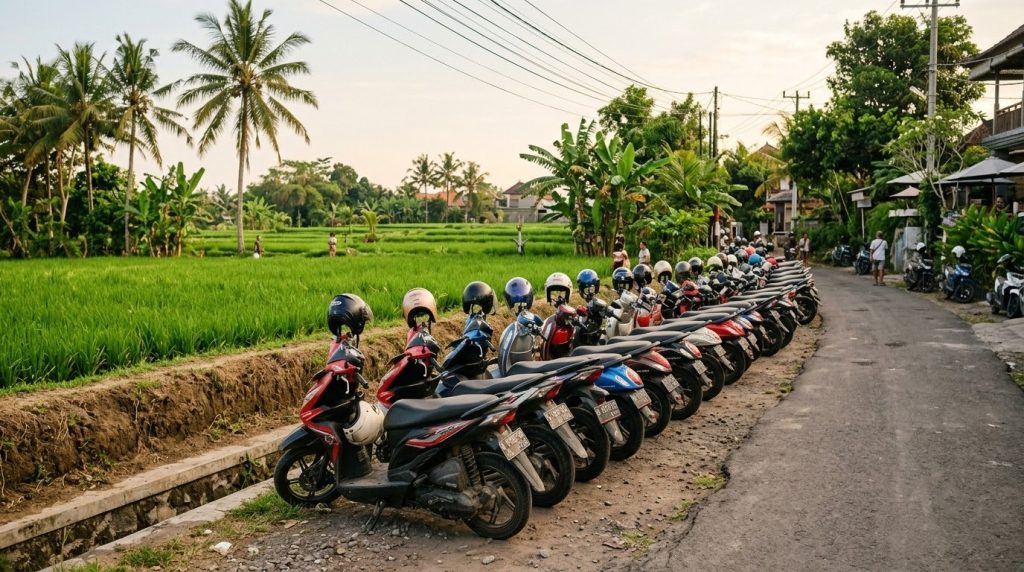
Scooter rental is Bali’s most popular transport option among independent travelers. Approximately 70% of foreign visitors rent a scooter at some point during their stay, according to the Indonesian Ministry of Tourism (Indonesian Ministry of Tourism, 2024). It’s also the cheapest and most flexible way to get around.
Rental Costs
- Daily rental: 70,000-100,000 IDR ($4.40-$6.25)
- Weekly rental: 400,000-600,000 IDR ($25-$37.50)
- Monthly rental: 1,200,000-1,800,000 IDR ($75-$112.50)
- Fuel: Approximately 15,000-20,000 IDR ($0.95-$1.25) per day
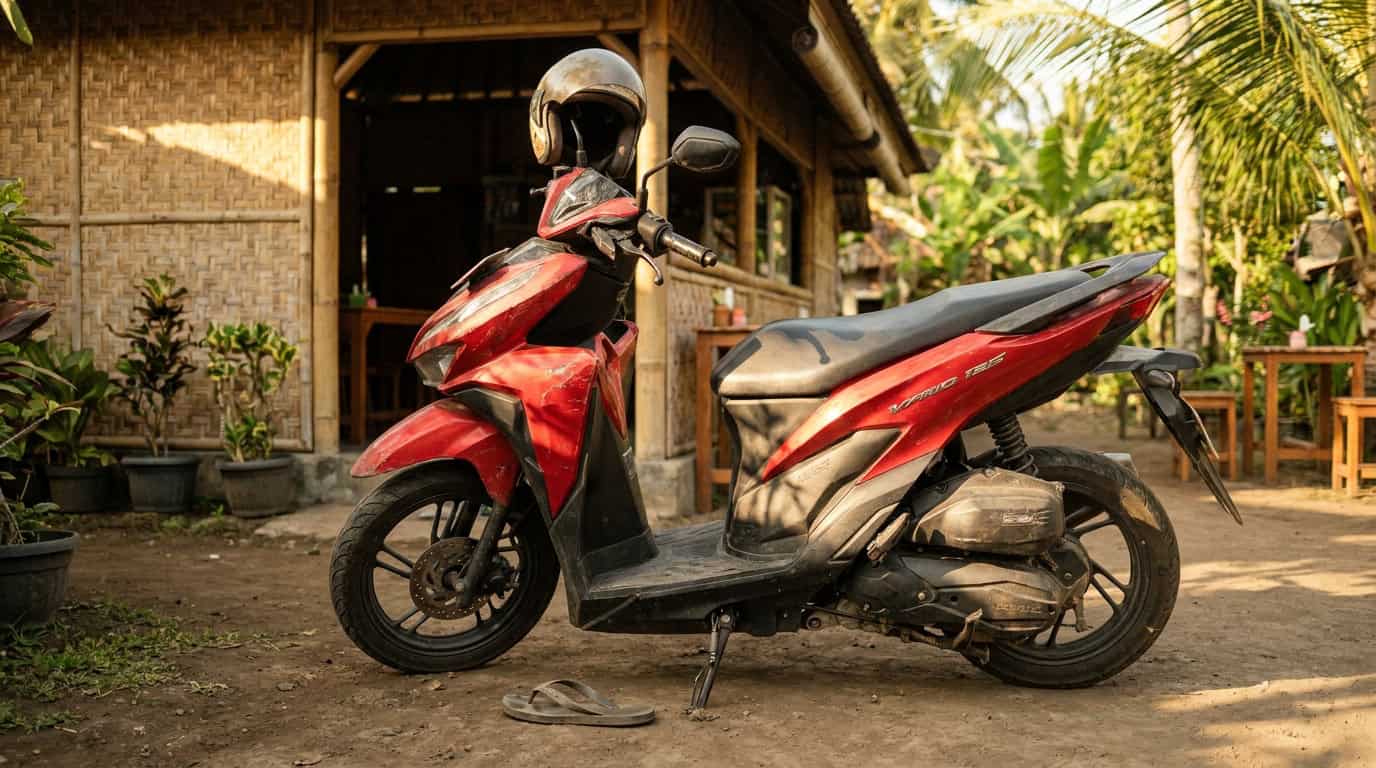
Honda Vario 125cc and Yamaha NMAX 155cc are the most common rental bikes. Ask your accommodation. Most guesthouses either rent scooters directly or know a trusted rental shop nearby.
License Requirements (Important)
You need an International Driving Permit (IDP) with motorcycle endorsement to legally ride in Bali. Indonesian police run checkpoints, particularly around Kuta, Canggu, and the Denpasar-Ubud corridor. Fines for riding without an IDP are typically 500,000 IDR ($31). More importantly, most travel insurance policies won’t cover scooter accidents if you don’t hold a valid IDP.
Safety Considerations
Bali’s roads are narrow, uneven, and shared with trucks, dogs, and ceremonial processions. Scooter accidents are the leading cause of tourist injuries on the island. Wear a helmet (it’s the law). Avoid riding at night. Don’t carry more than one passenger. And honestly, if you haven’t ridden a scooter before, Bali’s chaotic traffic isn’t the place to learn.
The scooter license situation in Bali creates a real dilemma. Most rental shops won’t check your IDP. Police rarely fine you outside checkpoints.
And the vast majority of tourists ride without valid documentation. But the moment you have an accident without an IDP, you’re looking at uncovered medical bills that can reach tens of thousands of dollars. Get the IDP before you leave home. It costs $20 and takes 10 minutes.
Approximately 70% of independent travelers in Bali rent a scooter during their stay at 70,000-100,000 IDR ($4.40-$6.25) per day, according to the Indonesian Ministry of Tourism (2024). An International Driving Permit is legally required, and riding without one invalidates most travel insurance policies.
How Do Private Drivers Work in Bali?
Hiring a private driver for a full day is the most comfortable and stress-free way to explore Bali. It’s also the most practical option for temple tours, waterfall visits, and routes through the central highlands where ride-hailing coverage is spotty.
Costs
- Full day (8-10 hours): 600,000-800,000 IDR ($37.50-$50)
- Half day (4-5 hours): 350,000-450,000 IDR ($21.90-$28.15)
- Airport transfer only: 200,000-350,000 IDR ($12.50-$21.90)
- Fuel: Included in the price
- Tip: Optional, 50,000-100,000 IDR ($3.10-$6.25) appreciated for good service
How to Find a Good Driver
Ask your accommodation for a recommendation. Most hotels and guesthouses work with trusted drivers they’ve vetted over years. You can also find drivers through Google Maps reviews, TripAdvisor, or WhatsApp groups. Avoid touts at tourist attractions who approach you unsolicited.
What’s Included
A private driver typically provides air-conditioned transport, basic English conversation, route suggestions, and local knowledge about where to eat and what to see. They don’t guide you through temples (hire a separate guide for that), but many know the best photo spots and timing for popular attractions.
Have you ever tried navigating Bali’s unlabeled one-lane roads with Google Maps losing signal every few kilometers? That’s why private drivers exist. They know the shortcuts, the road closures, and which temple parking lots are actually free.
We hired a driver named Wayan through our guesthouse in Ubud for a full-day north Bali trip covering Sekumpul Waterfall, Ulun Danu Beratan, and Jatiluwih. He drove for 10 hours, suggested stops I hadn’t planned, and charged 700,000 IDR ($43.75). Splitting between two travelers, that’s $22 each. Cheaper than two Grab rides.
Compare the best Bali tour options
How Do Grab and Gojek Work in Bali?
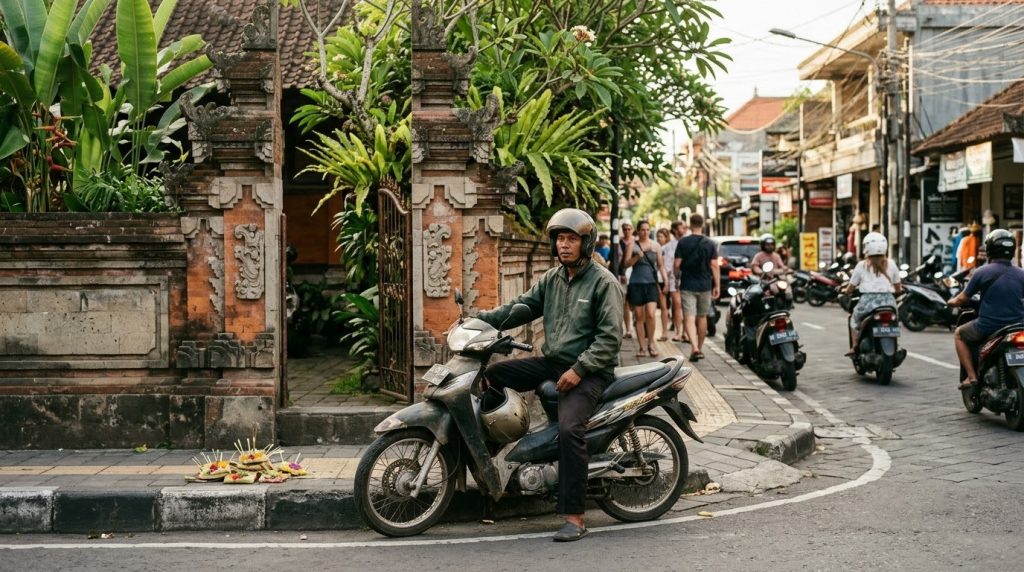
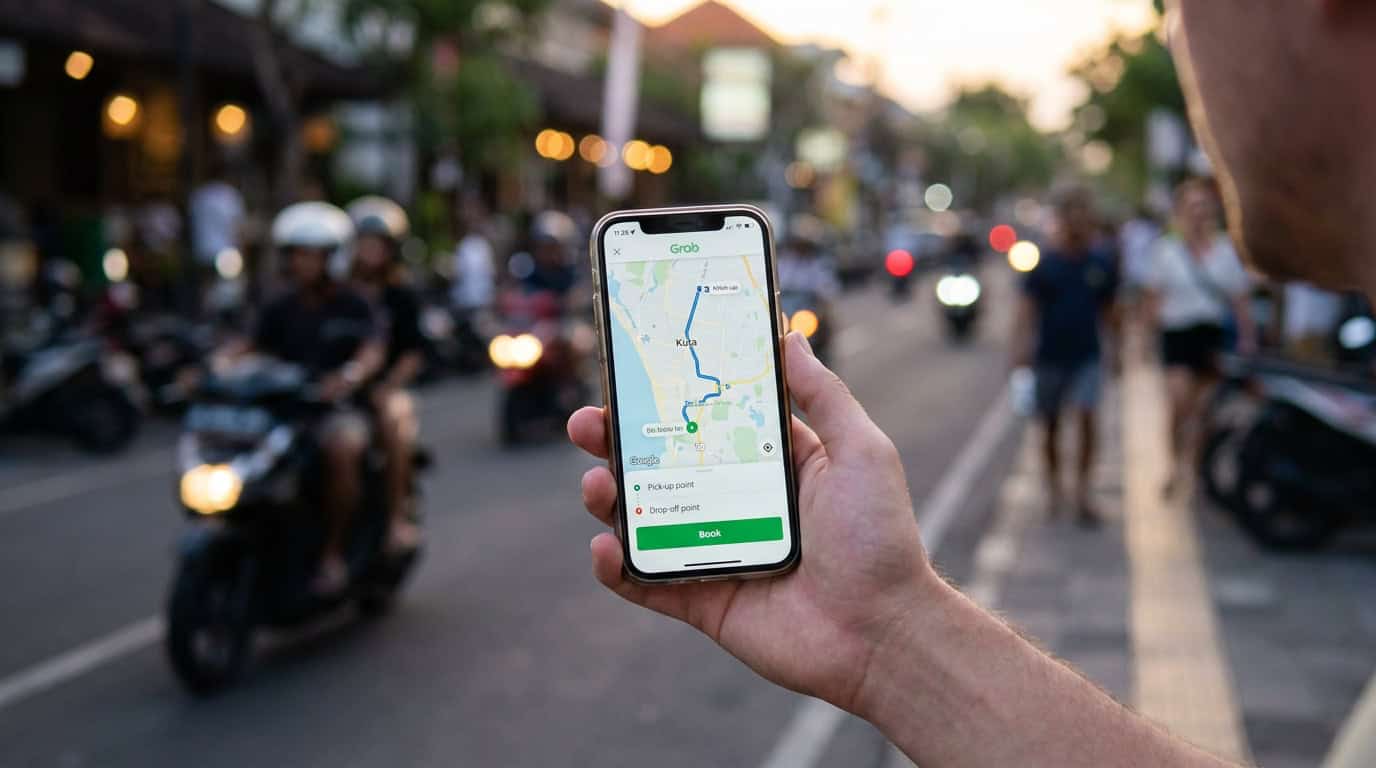
Grab and Gojek are Southeast Asia’s ride-hailing apps, similar to Uber. Both operate in Bali, with Gojek generally offering slightly lower prices. Together, they handle an estimated 150,000+ daily rides across the island (Gojek Indonesia, 2024).
Coverage
Both apps work reliably in Kuta, Seminyak, Canggu, Sanur, Denpasar, and parts of Ubud. Coverage drops significantly in northern Bali, the east coast (Amed, Sidemen), and the Bukit peninsula (Uluwatu area). If you’re heading to rural areas, arrange transport before you leave.
Pricing
A 10 km ride in a tourist area costs roughly 30,000-50,000 IDR ($1.90-$3.10). Prices surge during peak hours and rain. The car option (GrabCar, GoRide) costs more than the motorbike option (GrabBike, GoRide). Both apps accept cash and credit cards.
The Taxi Mafia Issue
Bali has a well-documented conflict between ride-hailing apps and local taxi cooperatives. In some areas, particularly around Uluwatu, Tanah Lot, and parts of Ubud, local drivers block Grab and Gojek pickups. You might need to walk a few hundred meters to a main road before a driver will accept your booking. It’s frustrating but manageable.
Comparing 15 Grab rides versus 15 Gojek rides on the same routes in Bali over two weeks, Gojek was 10-20% cheaper on average for car rides. For motorbike rides, prices were nearly identical. Both apps showed consistent pricing outside surge hours.
Grab and Gojek handle an estimated 150,000+ daily rides across Bali according to Gojek Indonesia (2024). Coverage is strong in tourist areas but drops in rural zones, and local taxi cooperatives restrict ride-hailing access near some major attractions including Uluwatu and Tanah Lot.
How Do You Get to Nusa Penida, Nusa Lembongan, and the Gili Islands?
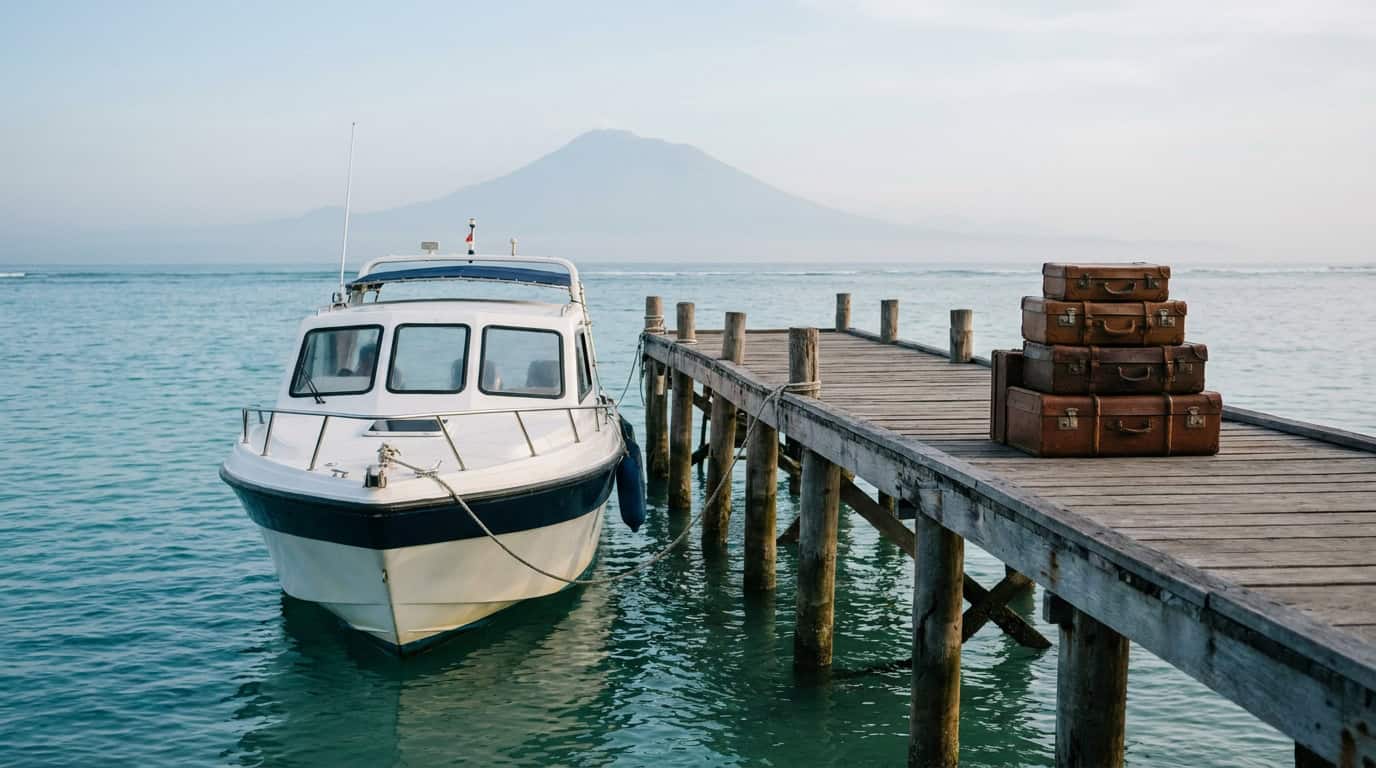
Bali’s ferry connections link the island to several popular offshore destinations. The Sanur-Nusa Penida fast boat route alone carries over 500,000 passengers annually (Nusa Penida Port Authority, 2024), making it Bali’s busiest ferry connection.
To Nusa Penida
- Departure: Sanur Beach harbor
- Duration: 30-45 minutes by speedboat
- Cost: 150,000-250,000 IDR ($9.40-$15.65) one way
- Frequency: Departures every 30-60 minutes from 7 AM to 4 PM
- Operators: Multiple companies.
To Nusa Lembongan
- Departure: Sanur Beach harbor
- Duration: 25-30 minutes by speedboat
- Cost: 150,000-200,000 IDR ($9.40-$12.50) one way
- Frequency: Multiple daily departures
To Gili Islands and Lombok
- Departure: Padang Bai harbor (east Bali)
- Duration: 1.5-2.5 hours by fast boat to Gili Trawangan
- Cost: 400,000-650,000 IDR ($25-$40.65) one way
- Alternative: Slow ferry from Padang Bai to Lembar (Lombok), 5 hours, 46,000 IDR ($2.90)
- Note: Fast boats to the Gili Islands are weather-dependent and may cancel during rough seas (common November-March)
Inter-Island Safety
Fast boats in Indonesia have variable safety records. Check that life jackets are available (ask before departure). Avoid the cheapest operators during rough weather. Seasickness pills are a good idea for the Gili crossing.
Why do experienced Bali travelers always book boat transfers in advance? Because walk-up passengers get the leftover seats, which during peak season means standing on a rocking speedboat for 45 minutes. Not recommended.
View our Nusa Penida day trip ideas
Why Is an eSIM Essential for Getting Around Bali?
Google Maps and Grab both need mobile data. Without a reliable connection, you’re stuck guessing which road leads to Tegallalang or negotiating blind with taxi drivers who know you can’t check prices. An eSIM solves this before you even land.
Airalo offers Indonesia eSIM plans starting at $5 for 1 GB, activated instantly on your phone. Install it before departure, and you’ll have data working the moment your plane touches down at Ngurah Rai. No hunting for SIM card shops in the arrivals hall.
Having constant data access means real-time route planning, Grab fare comparisons, and Google Maps navigation for drives between temples. It’s the single most useful travel tool for getting around Bali.
Indonesia’s 4G network covers 95% of Bali’s tourist areas according to Kominfo (2024), and eSIM options like Airalo offer 1 GB plans from $5, eliminating the need to queue for a physical SIM at the airport.
What Transport Scams Should You Watch For?
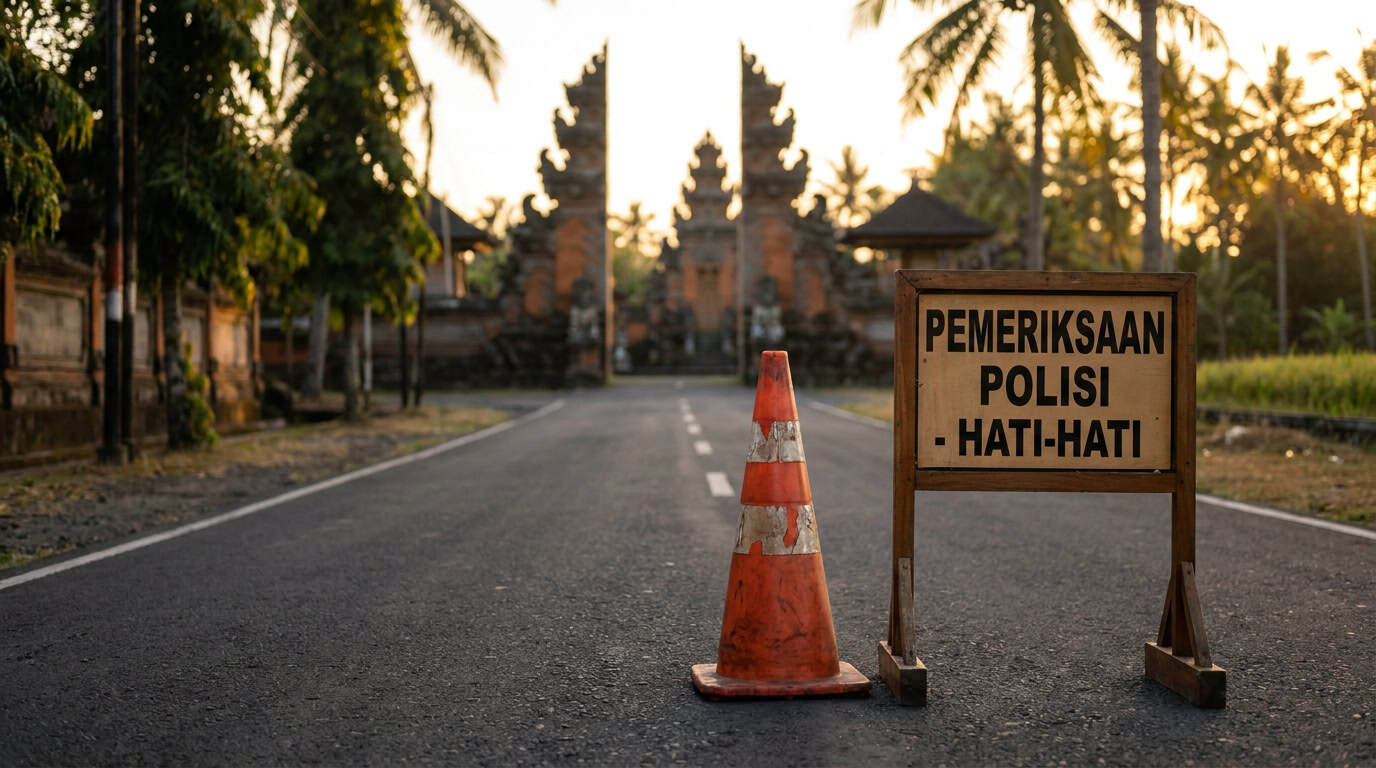
Bali’s transport scams are predictable, which means they’re easy to avoid once you know the patterns.
Common Scams
- “Metered” taxis without meters: Some taxis in Kuta and Seminyak “forget” to start the meter and quote inflated flat fares. Only use Blue Bird taxis (or their Bali equivalent) if hailing from the street.
- Scooter deposit scams: A few rental shops hold your passport as a deposit, then claim you damaged the bike and demand payment. Never leave your passport. Leave a photocopy or a cash deposit instead.
- Fake damage claims: Rental shops claiming pre-existing scratches are new damage. Photograph the scooter thoroughly before riding away. Date-stamped photos protect you.
- Ferry ticket touts: At Sanur and Padang Bai, touts sell “VIP” tickets at inflated prices for the same boat.
How to Protect Yourself
Use Grab for price transparency. Screenshot your routes on Google Maps. Book boats and drivers through trusted sources. And photograph everything, your scooter, your ferry ticket, your hotel rate.
Check the best time to visit Bali
About the author: Travelguidestip has been covering Southeast Asia travel since 2023. Read our editorial policy for how we research and verify our guides.
Book Your Bali Trip
Use these trusted platforms to book your Bali trip at the best prices:
- Tours & Activities: Browse Bali experiences on GetYourGuide — day trips, food tours, skip-the-line tickets.
- Hotels: Compare Bali hotels on Booking.com — free cancellation on most bookings.
- eSIM / Stay Connected: Airalo eSIM — affordable data plans, no roaming fees.
Frequently Asked Questions
What’s the cheapest way to get around Bali?
Scooter rental is the cheapest option at 70,000-100,000 IDR ($4.40-$6.25) per day plus fuel. Grab motorbike rides are the cheapest on-demand option at 10,000-30,000 IDR per ride. For budget travelers who can’t ride scooters, combining Grab with occasional private drivers offers the best balance of cost and convenience.
Do you need an international driving permit for Bali?
Yes. Indonesian law requires an International Driving Permit with motorcycle endorsement to ride a scooter legally. Police checkpoints issue 500,000 IDR ($31) fines. More critically, most travel insurance won’t cover scooter accident injuries without a valid IDP (Indonesian Ministry of Tourism, 2024).
Is Grab available everywhere in Bali?
Grab works well in Kuta, Seminyak, Canggu, Denpasar, Sanur, and central Ubud. Coverage is limited in northern Bali, the east coast, and parts of the Bukit peninsula near Uluwatu. Local taxi cooperatives sometimes block ride-hailing pickups near major tourist attractions.
How much does a private driver cost for a day in Bali?
A full-day private driver (8-10 hours) costs 600,000-800,000 IDR ($37.50-$50), including fuel. Half-day rates run 350,000-450,000 IDR ($21.90-$28.15). Ask your accommodation for driver recommendations. Splitting the cost between 2-4 travelers makes this option surprisingly affordable.
How do you get from Bali to Nusa Penida?
Fast boats depart from Sanur harbor every 30-60 minutes from 7 AM to 4 PM. The crossing takes 30-45 minutes and costs 150,000-250,000 IDR ($9.40-$15.65) one way. The Sanur-Nusa Penida route carries over 500,000 passengers annually (Nusa Penida Port Authority, 2024).
Getting Around Bali: The Bottom Line
Bali’s lack of public transit means you need a transport plan before you arrive. Scooter rental works if you’re experienced and carry an IDP. Private drivers handle the long-distance temple tours and waterfall visits. Grab fills the gaps in tourist areas. And boat transfers to Nusa Penida and the Gili Islands are straightforward when booked in advance.
Start with a pre-booked airport transfer. Decide between scooter and driver for your first few days. Download Grab and Gojek before you arrive. And get an eSIM so your navigation apps work the moment you land.
The island rewards travelers who move with a plan. With this guide, you’re ready.
Follow our 7-day Bali itinerary Find where to stay in Bali
Related Travel Guides
According to the Indonesia Tourism Board (2025), Bali continues to be one of the world’s most visited destinations, drawing millions of international travelers each year.