Best Time to Visit Bali in 2026: A Month-by-Month Guide
The short answer: April through October is Bali’s dry season — and it’s the best time to visit for most travelers. July and August are the driest months, but they’re also the most crowded and expensive. If you want great weather without the chaos, aim for May, June, or September.
That said, Bali’s wet season isn’t as bad as people think. Showers are usually brief, the island’s lush green, hotels are cheaper, and the surf’s pumping.
This guide breaks down every month so you can pick the right time based on your priorities — not just the weather.
Key Takeaways
- Best overall months: May, June, September (dry season, fewer crowds than July–August)
- Peak season: July–August (driest, most crowded, highest prices — up to 60% premium)
- Best for budget travelers: November–March (wet season deals, 20–30% cheaper hotels)
- Best for surfers: May–September (southwest swells, offshore winds at Uluwatu)
- Best for rice terrace photos: January–March (greenest after peak rains)
- Best for festivals: March (Nyepi), June–July (Galungan + Bali Arts Festival)
- Bali’s driest month: August (only 15mm rainfall)
- Bali’s wettest month: January (350mm rainfall)
- Temperature: Consistent 23.5–31.7°C year-round — it’s always warm
Bali’s Two Seasons Explained
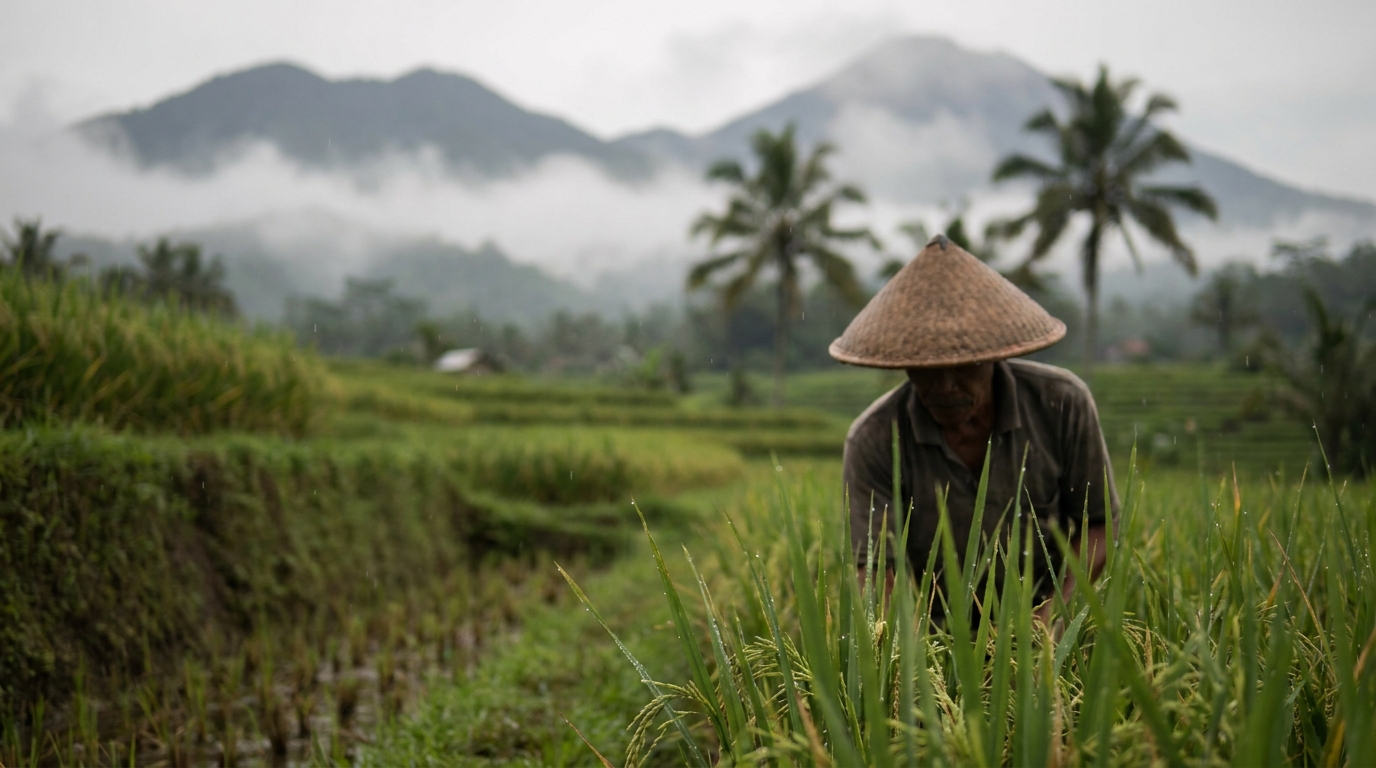
Bali has a tropical climate with two distinct seasons. The temperature barely changes year-round — daily highs stay between 29–32°C regardless of season. What changes is the rain.
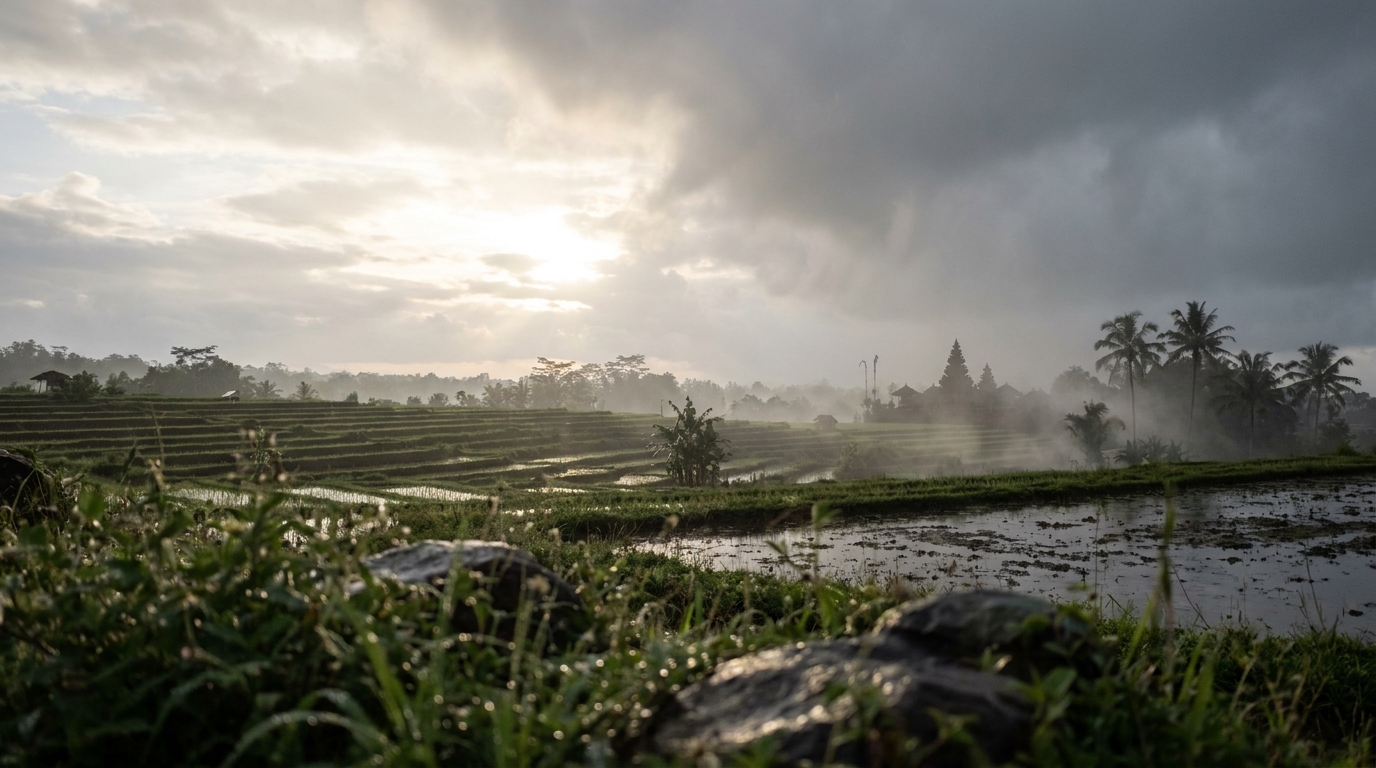
Dry season (April–October): Less rain, lower humidity, clearer skies. This is when most tourists visit.
Wet season (November–March): More rain, higher humidity, lusher landscapes. Rain usually falls in afternoon downpours, not all-day drizzle. Mornings are often clear and sunny.
Bali gets about 1,715mm of rainfall per year — heavily concentrated in the wet months. January averages 350mm while August gets just 15mm — a 23x difference. That’s a dramatic swing, but it doesn’t mean you can’t visit in the wet season. It means you plan differently.
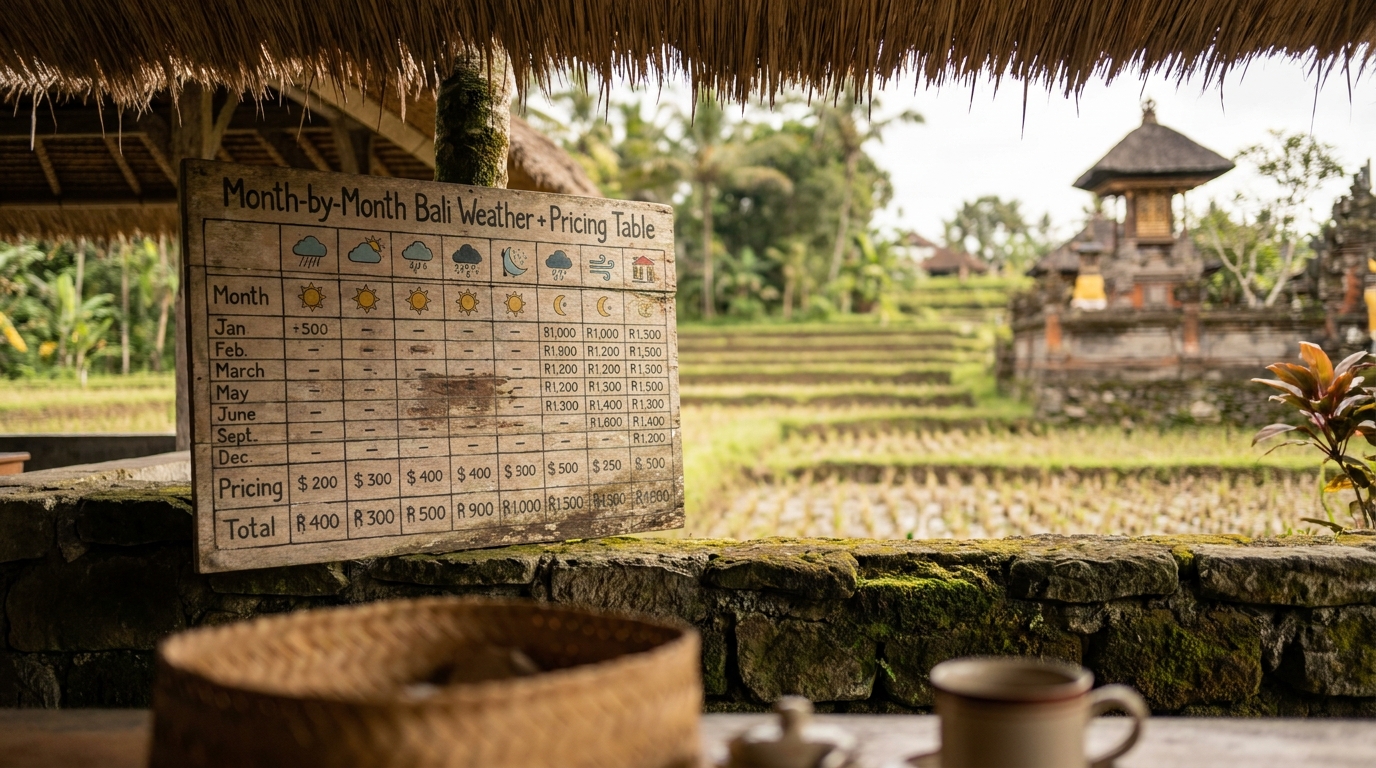
Monthly Rainfall and Temperature Chart
Month-by-Month Breakdown
January — Wet Season Peak (But Budget Traveler’s Dream)
January is Bali’s wettest month with 350mm of rainfall. That sounds intimidating, but here’s what it actually looks like: heavy afternoon downpours lasting 1–2 hours, then clearing skies. Mornings are often bright and sunny.
The upsides? Hotels are 20–30% cheaper than peak season. Tourist sites aren’t packed. The rice terraces at Tegallalang are vivid green. And if you’re into spa days and culinary experiences, you won’t miss the outdoor stuff.
Best for: Budget travelers, rice terrace photography, yoga retreats, spa lovers Avoid: Surfing at beach breaks, multi-day trekking
February — Wet but Valentine’s Busy
February’s rainfall eases slightly to 280mm, but it’s still firmly wet season. February is surprisingly popular for couples (Valentine’s Day), so beach clubs and romantic restaurants book up. Hotels stay cheap outside that week.
It’s also the lushest month for jungle landscapes. If you’re heading to Ubud, February’s rice paddies and waterfalls are at their most dramatic.
Best for: Couples on budget, waterfall photography, Ubud cooking classes Avoid: Full-day beach plans, outdoor festivals
March — Transition Month (and Nyepi!)
March sees rainfall drop to 215mm — still wet, but clearly improving. More importantly, March 19, 2026 is Nyepi — Bali’s Day of Silence and Hindu New Year. It’s one of the world’s most unique cultural experiences.
For 24 hours, the entire island shuts down. No flights land or depart from Ngurah Rai Airport. No one goes outside. Locals meditate and fast. It’s eerie and beautiful. The night before (March 18) features the Ogoh-ogoh parade — giant demon effigies carried through the streets to ward off evil spirits.
Best for: Experiencing Nyepi, witnessing Ogoh-ogoh parade, cultural immersion Avoid: Arriving on March 19 (you’ll be stuck at your hotel — plan accordingly)
April — The Sweet Spot Opens Up
Rainfall drops sharply to 90mm in April. The dry season is starting, crowds haven’t arrived yet, and prices are still reasonable. Skies clear noticeably, beaches start to look their best, and you can comfortably plan full-day outdoor activities.
It’s one of the most underrated months to visit Bali. Good weather, manageable crowds, shoulder-season pricing.
Best for: Value-seekers wanting good weather, beach days, snorkeling in Amed and Nusa Penida Avoid: Nothing major — this is genuinely a great month
May — Best Month for First-Timers
May hits the sweet spot: rainfall down to 75mm (mostly brief showers), humidity lower, crowds lighter than June–August, and hotel rates still reasonable. The southwest swells start building for surfers.
You can do everything in May — temples, rice terraces, beaches, volcano hikes, diving. The weather’s reliable without the July–August price premiums.
Best for: First-time visitors, couples, families, surfers (intermediate+) Avoid: Nothing — May is excellent across the board
June — Dry Season Hits Its Stride
June’s rainfall falls to 70mm and the weather is consistently excellent. It’s when European summer holidays start, so crowds grow from mid-June. Book accommodation early.
Galungan (estimated June 3, 2026) is one of Bali’s most important Hindu festivals — you’ll see bamboo poles decorated with offerings lining every road, and temples are beautifully lit. This is the best time to experience authentic Balinese culture.
The Bali Arts Festival (Pesta Kesenian Bali) typically runs late June through mid-July at Taman Budaya Cultural Centre in Denpasar — showcasing traditional dance, music, and crafts from across Bali.
Best for: Culture lovers, surfers, family trips with kids (school holidays in some countries) Avoid: Booking last minute — popular hotels fill up fast
July — Peak Season Begins
July is one of the driest months (50mm) and the crowds arrive in force. It’s Australian and European summer holidays. Villa and hotel rates jump 40–60% above base prices. Kuta and Seminyak beaches are packed. Popular temples like Tanah Lot and Uluwatu have queues.
That said, July is genuinely excellent weather. If you’re okay with higher prices and busier sites, you’ll have a great time. Just book everything months in advance.
Best for: Beach lovers, surfers (peak swell season), those who don’t mind crowds Avoid: Expecting solitude at popular spots — it won’t happen
August — Driest Month, Biggest Crowds
August averages just 15mm of rainfall — it’s the driest month in Bali by a wide margin. The sky is almost always blue, the sea is calm and clear, and the whole island is buzzing.
The downside: August is also the most expensive and crowded month. Prices peak. Traffic in Seminyak and Kuta can be genuinely frustrating. Popular spots like the Tegallalang swing and Instagram viewpoints have long queues.
Book your accommodation 3–4 months in advance if you plan to visit in August.
Best for: Beach resorts, diving (crystal-clear water visibility), guaranteed sunshine Avoid: Budget travel, spontaneous trips, anyone who hates crowds
September — The Hidden Gem Month
September is arguably Bali’s best-kept secret. Rainfall is just 40mm, weather is excellent, and the August crowds are gone. Prices drop back to shoulder-season rates. You get near-August quality weather without the August price tag or tourist density.
Surfers still get good swells through September. Diving visibility stays excellent. It’s shoulder season in terms of booking pressure, but the experience is peak.
Best for: Experienced travelers who’ve done their research, honeymooners, surfers, divers Avoid: Nothing — September is genuinely outstanding
October — Dry Season Winding Down
October sees rainfall tick back up to 90mm as the wet season approaches. Weather is still largely good, especially in the first half of the month. The second half can get some early wet-season showers.
Crowds have thinned considerably from peak season. Prices are reasonable. It’s a solid month, especially for travelers who want to avoid both the wet season and the peak-season chaos.
Best for: Value hunters, those who want good weather without peak crowds Avoid: Planning lots of outdoor activities in the last week of October
November — Wet Season Returns (But Deals Are Back)
November marks the return of wetter weather with 150mm of rainfall. The upside: hotel rates drop sharply, tourist sites clear out, and Bali feels more like itself again. Afternoons bring rain, but mornings and evenings are often clear.
If you’re visiting Ubud for its arts scene, cooking classes, and yoga retreats, November’s overcast skies don’t matter much.
Best for: Budget travelers, spa-focused trips, yoga/wellness retreats Avoid: Beach-heavy itineraries, reliable outdoor photography
December — Christmas Rush Meets Wet Season
December is a contradiction: it’s the wet season (290mm rainfall), but also one of the busiest months. Christmas and New Year drive a huge spike in Western tourists. Prices in late December rival peak-season rates.
Early December is actually decent — you get wet-season prices before the holiday rush. From December 20 onwards, expect high prices, full hotels, and crowded beach clubs.
Best for: Christmas/NY celebrations, those who don’t mind splurging, families with school-age kids Avoid: Budget travel in late December, arriving without bookings
Bali Crowd and Cost Index by Month
Best Time to Visit Bali by Activity
Not everyone comes to Bali for the same reason. Here’s when to go based on what you’re planning:
Surfing
Bali’s best surf runs from May through September. The southwest swells hit Uluwatu, Padang Padang, Bingin, and Medewi hardest during these months, with offshore winds keeping faces clean in the mornings. July and August see the largest, most consistent swells — great for experienced surfers, but not ideal for beginners.
If you’re learning to surf, Kuta and Legian beaches have gentler waves throughout April–October. Avoid peak wet season (December–February) for surfing — swells are inconsistent and winds are onshore.
Diving and Snorkeling
Bali’s dive sites — Tulamben’s USAT Liberty wreck, Nusa Penida’s Manta Point, Amed’s Japanese wreck — are best visited April through November when seas are calmer and visibility peaks. Water temperature stays warm year-round (27–29.5°C), so you won’t need a thick wetsuit regardless of season.
July through September offers the chance to spot Mola Mola (ocean sunfish) around Nusa Penida — a bucket-list dive for many visitors.
Rice Terrace Photography
Counter-intuitively, January through March gives you the most stunning rice terraces. The heavy rains keep the paddies intensely green, and the mist hanging over Tegallalang and Jatiluwih creates a dramatic, moody atmosphere. Come early morning to beat the clouds.
Hiking Mount Agung and Mount Batur
Stick to the dry season (April–October) for volcano hikes. Cloud cover on Agung (3,031m) during wet season means you’ll often climb to a white-out summit. Batur (1,717m) is more forgiving year-round but still best in dry season for clear sunrise views.
Cultural Festivals
- Nyepi (Day of Silence): March 19, 2026 — the island shuts down completely for 24 hours. Extraordinary to experience but requires planning.
- Galungan: Estimated June 3, 2026 — bamboo offerings line every road, temples are decorated and packed, gamelan music fills the air.
- Bali Arts Festival: Late June–mid July 2026 at Taman Budaya, Denpasar — traditional dance, music, painting exhibitions.
- Kuta Carnival: September/October — beach festival with food, music, and water sports.
Spa and Wellness Retreats
Honestly? Wet season (November–March) is ideal for Ubud retreats, spa days, and yoga programs. The rain gives you permission to stay indoors. Prices are lower. The town is quieter. And the jungle sounds better in the rain.
How Crowded Does Bali Actually Get?
Here’s the thing people don’t realize: Bali welcomed around 6.3 million foreign visitors in 2024. At peak season, popular spots genuinely feel overwhelmed. Tanah Lot at sunset has hundreds of people. The Tegallalang swing has a 30-minute queue. Seminyak beach clubs are elbow-to-elbow.
If crowds bother you, avoid July–August and aim for April–June or September–October. Or visit popular sites at 6–7am before tour groups arrive.
Final Verdict: When Should You Actually Go?
Go in May or September if you want the best balance of weather, price, and crowd levels. Both months give you dry-season conditions without peak-season prices or crowds.
Go in July or August only if you don’t mind paying more and sharing popular sites with thousands of other tourists. The weather’s genuinely great, but the crowds are real.
Go in the wet season (November–March) if you’re on a budget, doing a yoga/wellness retreat, or primarily visiting Ubud. Brief afternoon showers won’t ruin your trip — they’ll actually make it feel more authentic.
Visit during Nyepi (March 19, 2026) at least once in your life. It’s unlike anything else on Earth.
Plan your Bali trip: book tours and tickets through Klook, and stay online with an Airalo eSIM from the moment you land.
Frequently Asked Questions
What’s the best month to visit Bali for the first time?
May or September. You’ll get reliable dry weather, manageable crowds, and prices that won’t break the bank. May is especially good for first-timers who want to do a bit of everything — beaches, temples, rice terraces, and volcano hikes.
Is Bali’s rainy season really that bad?
No. Rain typically falls in afternoon downpours lasting 1–2 hours, not all day. Mornings are often sunny. The island’s gorgeous and green, hotels are cheaper, and tourist sites aren’t packed. If you’re flexible with your plans, wet season is actually a great time to visit.
Can I visit Bali during Nyepi?
Yes — but plan around it carefully. Ngurah Rai Airport closes for 24 hours on Nyepi Day (March 19, 2026). All shops, restaurants, and roads shut down. You’ll be expected to stay in your hotel or villa. Book accommodation that can provide food and entertainment. The Ogoh-ogoh parade the night before is spectacular.
When is Bali the cheapest to visit?
November through February (excluding Christmas–New Year week) offers the lowest hotel rates — typically 20–30% below peak season pricing. January and February are the cheapest, though also the wettest.
When’s the best time to see manta rays at Nusa Penida?
Manta rays are present at Manta Point year-round, but you’re most likely to spot them during calmer seas from April to November. The Mola Mola (sunfish) season runs roughly July–October.
Is August really that crowded?
Yes. Genuinely. Seminyak traffic can add 30–45 minutes to short journeys. Popular restaurants need advance reservations. Instagram viewpoints have queues. If you’re set on August, lean into the beach-club-and-resort vibe — it’s actually fantastic for that. Just don’t expect quiet.
Plan Your Bali Trip
Now that you know when to go, here’s everything you need to plan the perfect Bali trip:
- Ultimate Bali Travel Guide 2026 — full overview of everything Bali
- Best Beaches in Bali — which beach suits your vibe
- Bali Bucket List: 25 Things to Do — don’t miss these experiences
- 5 Days in Bali Itinerary — day-by-day plan for a short trip
- 7 Days in Bali Itinerary — extended trip with more depth
- Where to Stay in Bali — best areas for every travel style
- Bali Travel Budget — how much does Bali actually cost
- Best Hotels in Bali — top picks across all budgets
Sources & Further Reading: indonesia.travel, weather.com, worldweatheronline.com.