Where to Stay in Puerto Viejo: Best Areas & Where to Book
By TravelguidestipUpdated 13 min readHow we earn
Hotel buttons open Stay22 (Booking.com, Agoda and others) and tour buttons open GetYourGuide. We may earn a commission at no extra cost to you.
Our top choice
First time in Puerto Viejo? Stay in the village.
Flat, compact and walkable: dinner, live music, bike hire and tours all sit within a few blocks, no car needed.
Our pick there: Cabinas Los Almendros: Centre of Puerto Viejo, about 2 minutes' walk from the bus stop
5 areas: where to sleep, what to book nearby
Quick answer: Stay in the village itself if it is your first time, since you can walk to dinner, rent a bike and be near everything; take the road south toward Manzanillo if you are a couple who wants quiet beaches, jungle and dark, star-heavy nights.
Check prices: live rates and availability for your dates
Puerto Viejo de Talamanca is the Caribbean side of Costa Rica, and it feels like a different country from the Pacific coast most people picture. Deciding where to stay in Puerto Viejo really comes down to one road and how far along it you want to be. The other thing that trips people up is the weather, which follows its own calendar here.
The areas at a glance
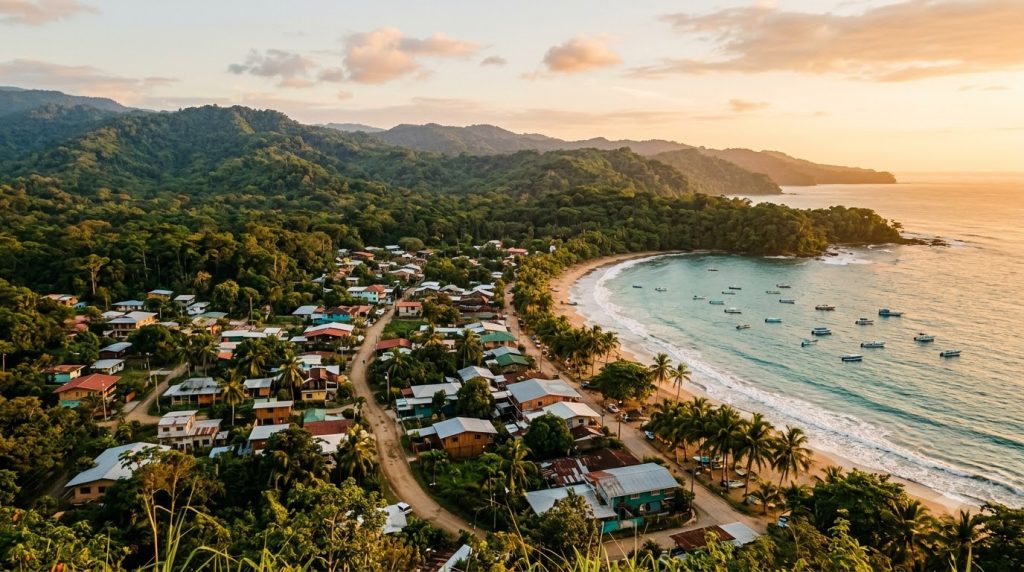
There is basically one coastal road, and almost everything hangs off it. The village sits at the top, then the road runs south past a string of beaches, Playa Cocles, then Playa Chiquita, then Punta Uva, before it ends at the tiny village of Manzanillo and the wildlife refuge.
North of the village is Playa Negra, a short walk from the centre. The further south you go, the quieter and greener it gets, and the more you need a bike or a car to reach a restaurant.
Almost every decision about where to stay in Puerto Viejo is really a decision about how far down that road you want to be.
The village itself
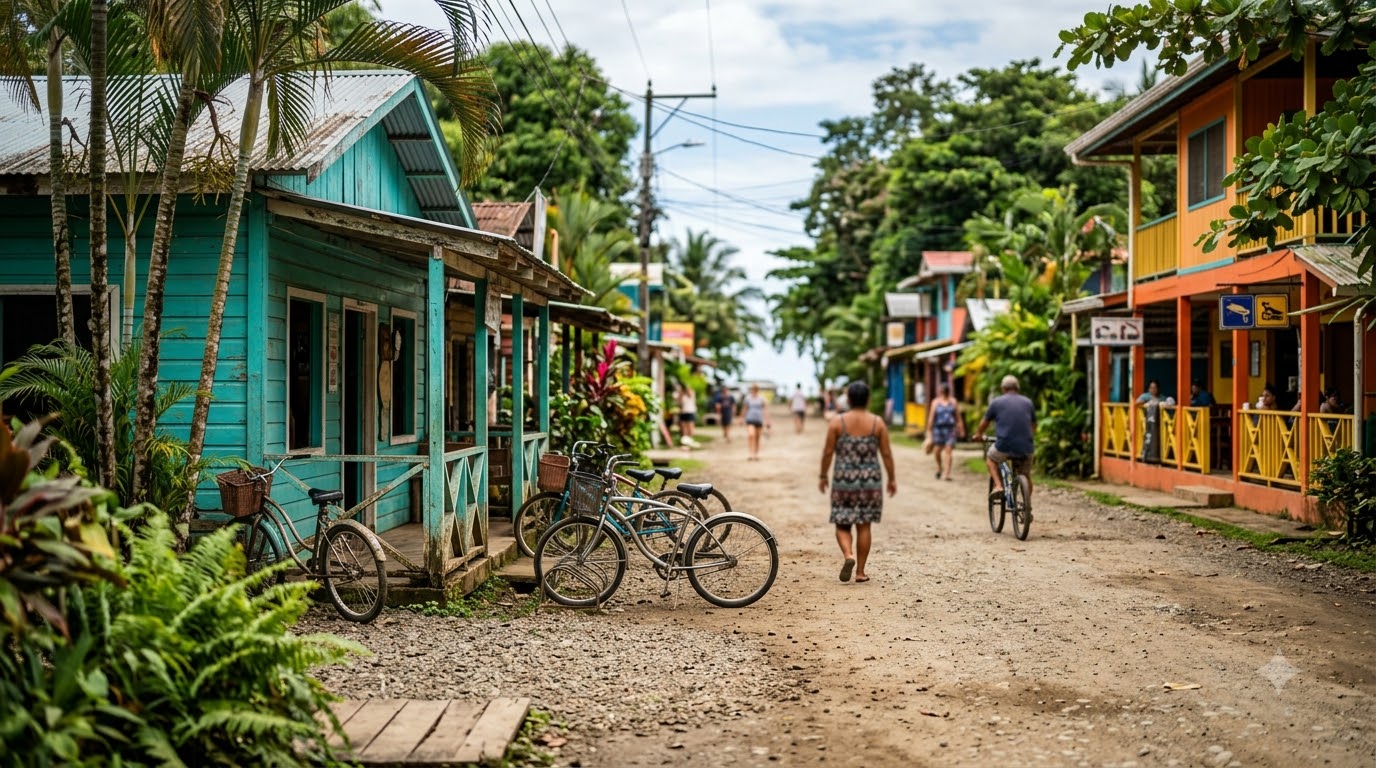
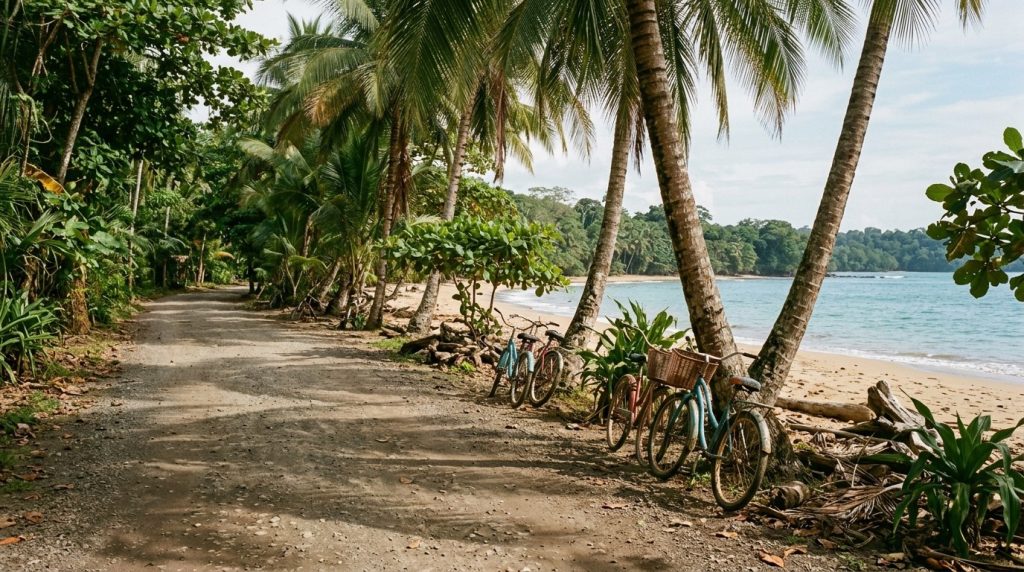
The village is the obvious pick for a first trip, and for good reason. It is flat, compact and made for a bike, which is how most people get around. You can walk to dinner, walk to a bar with live music, hire a bike in five minutes and sort a tour without a car. Restaurants, sodas, dive shops and grocery stores all sit within a few blocks.
The trade-off does not show in listing photos: the village is the loud part of town. On weekends the bars run late, and rooms near the main strip get the bass whether you want it or not.
If you sleep lightly, look one or two streets back from the water, or ask about the room’s position relative to the bars before you book. This is also where Puerto Viejo hotels cluster at the budget and backpacker end, so it is the cheapest base if price is the deciding factor.
Our pick in The village: Cabinas Los Almendros (Centre of Puerto Viejo, about 2 minutes' walk from the bus stop).
Playa Negra
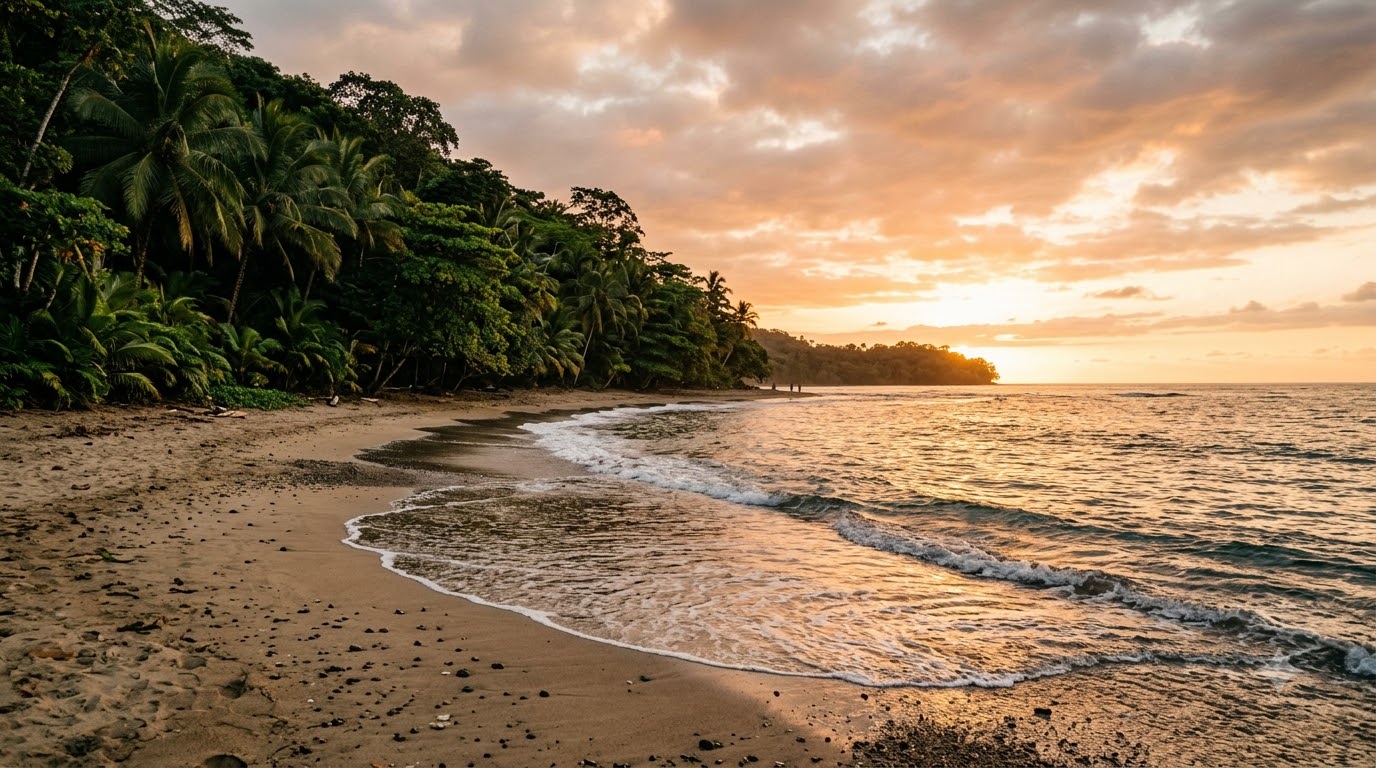
Playa Negra sits just north of the village, close enough to walk in but far enough to lose most of the noise. The sand here is dark, almost black in places, which is where the name comes from. It is a calmer stretch with a more residential feel, a few guesthouses and small hotels, and easy access back into town on foot or by bike.
This is a good middle ground if the village sounds too loud but the far south sounds too remote. You still get to walk to the centre for dinner, yet you sleep somewhere quiet. The catch is that the swimming and surf conditions vary a lot along this beach, so it is worth asking what the water is doing in the season you are visiting.
Playa Cocles
Playa Cocles is the first real beach south of the village and the one many surfers head for. It is a long, open stretch with proper waves, which makes it popular with beginners taking lessons and with people who want to be near the sand rather than the bars. A cluster of places to stay, a few restaurants and surf schools give it a small hub of its own.
The honest trade-off is that Cocles has a strong shore break and currents, so it is not a gentle swimming beach for small kids on every day. Lifeguard coverage is not guaranteed, so read the flags and ask locally. You are a short bike ride from the village here, close enough for a night out, far enough for a quiet morning.
Playa Chiquita
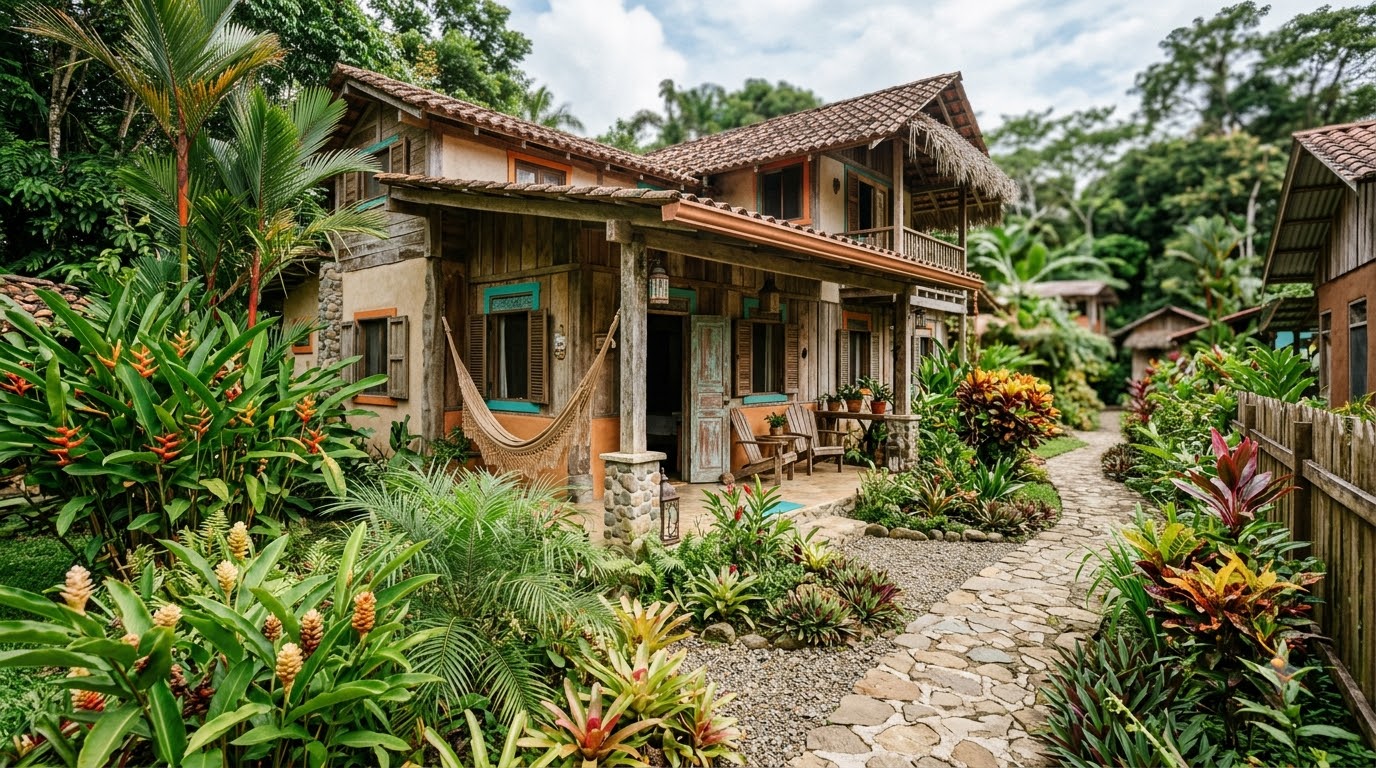
Playa Chiquita is further south again, and the feel shifts noticeably. This is the jungle-lodge stretch: smaller boutique places, rentals set back in the trees, howler monkeys as an alarm clock, and coves rather than one long beach. Couples and people who want calm tend to end up here, and it is a common pick for a slower, quieter Caribbean stay.
You will want a bike or a car in Playa Chiquita. It is too far to walk to the village comfortably for dinner, and taxis add up over a week. The upside is real quiet and real jungle right outside the door. The downside is that spontaneity costs a ride, so plan groceries and nights out rather than wandering out for them.
The road south toward Manzanillo
Keep going and the road reaches Punta Uva and finally Manzanillo, the last village before the Gandoca-Manzanillo Wildlife Refuge. This is the quietest and most beautiful end, with some of the best swimming and snorkelling water on this coast, plus a coastal trail into the reserve. Rooms here run from simple cabinas to a few higher-end jungle stays.
This end is for people who genuinely want to switch off. There is very little at night, few restaurants, and you are committed to your transport for everything. A car makes it easy; a bike works if you are fit and do not mind riding back in the dark.
If your idea of a Caribbean trip is star-heavy skies, jungle and empty beach over nightlife, this is where to stay in Puerto Viejo.
Getting to Puerto Viejo
Most visitors fly into San José’s main international airport and continue overland from there, since Puerto Viejo de Talamanca has no airport of its own on this side of the country.
The public MEPE bus company runs a direct route from Terminal San José (Avenida 9, Calle 12) to Puerto Viejo, priced at around AUD 21 · USD 15 (CRC 6,760) one way for a regular adult fare, with a reduced fare for seniors.
Private shared shuttles, run by operators such as Caribe Shuttle, cost more than the public bus but collect passengers directly from a San José hotel and drop them at the accommodation booked in Puerto Viejo, which suits travellers arriving with a late flight or a lot of luggage.
Renting a car in San José and driving down is the third option, and it gives the most flexibility for stopping along the coastal road once you reach the Caribbean side, including side trips to Cahuita, covered further down this page.
The same MEPE network also runs a separate San José–Sixaola route, Sixaola being the land border crossing into Panama, so travellers continuing on to Bocas del Toro after Puerto Viejo use the same bus company for the next leg rather than switching operators.
Getting Around Puerto Viejo
Once in Puerto Viejo, a single coastal road links the village to Playa Negra, Playa Cocles, Playa Chiquita and the road south toward Manzanillo, so getting around mostly means choosing between a bike, a car, or a taxi for that one stretch of road.
Bike hire shops cluster in the village itself, and a rented bike is the standard way to reach Playa Cocles and short hops within the village without arranging a car.
Taxis and informal shared rides cover the longer stretch south toward Playa Chiquita and Manzanillo, useful for a single trip or a night out, but they add up over several days compared with a rental car booked for the whole stay.
Travellers based south of Playa Cocles who skip a car should expect to plan dinners and grocery runs around a ride rather than walking out on a whim, since the jungle stretch of the road has far fewer shops and restaurants than the village.
The coastal road itself is a single route with no major junctions to navigate, so orientation is simple even on a first visit: everything either sits on this road or a short track off it, and the ocean is always on one side.
Best area for families, food and nightlife
Distances from the village matter more here than the beach names, because the single coastal road decides how easily you reach dinner, a bar or a wildlife visit. The figures below are approximate distances from the village, taken from visitor guides.
| Area | Distance from village | Best for |
|---|---|---|
| Village | 0 km | Widest choice of restaurants and the only real nightlife hub |
| Playa Cocles | About 3 km | Surfing, with a bike ride of roughly 10 minutes into town |
| Playa Chiquita | 5 to 7 km | Quiet jungle lodges and tide pools |
| Punta Uva | 8 to 9 km | Calm, clear swimming water |
| Manzanillo | About 13 km | Snorkelling and the edge of the wildlife refuge |
Families
Punta Uva has the calmest water on this coast and a quiet, spread-out feel. Cahuita is the other family option. Playa Cocles has strong rip currents, so it is better for older children and for watching surfers.
Food
The village offers Caribbean, Italian, Thai, vegan and seafood places, plus simple local sodas. Cocles and Chiquita have scattered restaurants that suit a bike ride. Several well-regarded restaurants close one or two days a week, so check before you head out.
Nightlife
Only the village centre has a proper night scene. Sleeping a few streets back keeps the music out of the bedroom.
Which area is right for you
| Traveller type | Best area | Why |
|---|---|---|
| First-timer | The village | Walk to everything, bike easily, cheapest base |
| Couples | Playa Chiquita | Quiet jungle stays, coves, slower pace |
| Families | Playa Negra or Manzanillo end | Calmer water and lower noise, still reachable |
| Budget / backpacker | The village | Most hostels and cheap rooms cluster here |
| Nightlife | The village | Bars and live music are all in the centre |
| Car-free surfers | Playa Cocles | Waves and lessons a short bike ride from town |
What to book first
Book your room first, because Puerto Viejo has a limited stock and the good places on the road south fill early in high season.
Decide on transport second: if you are staying south of Playa Cocles, rent a car or commit to a bike, because taxis get expensive over several days and the village is not a walk from Chiquita or Manzanillo. Book tours, snorkelling, wildlife walks or a chocolate tour, last, once you know your base and how you will move around.
The live map below shows real prices by area so you can compare the village against the quieter road south before you commit.
Live nightly prices from Booking, Airbnb, Hotels.com and more across every Puerto Viejo area — move the map or change your dates to compare.
Where not to stay in Puerto Viejo
Some places on a booking site look fine and work badly in practice. Visitor guides flag four to be cautious about.
- Hone Creek. It has supermarkets and the area’s only petrol station, but it is a functional town and not a tourist base.
- Isolated jungle properties without transport. The setting is lovely, but every meal and tour means a taxi or a long ride along an unlit road.
- Roadside rooms on Route 256. Between Cocles and Manzanillo the road carries traffic, and noise is a common complaint for rooms close to the road.
- Anywhere you plan to walk alone at night. Guides advise taking a taxi, wherever you sleep.
Before booking, check the distance to the nearest restaurant, whether the property can lock bicycles, and how you will travel after dark. Message the host if the listing is vague.
Cahuita: A Quieter Town North of Puerto Viejo
Cahuita is a small Caribbean village a short way north of Puerto Viejo, and many visitors base themselves in one town and visit the other as a day trip rather than splitting a short stay between both.
The main draw is Cahuita National Park, a protected stretch of coastline covering about 1,106 hectares of land and roughly 22,300 hectares of marine reserve, known for an easy coastal trail, howler monkeys, sloths, and a reef just offshore.
Cahuita National Park is the only national park in Costa Rica that charges no fixed admission fee at its Cahuita entrance, relying on voluntary donations instead, which makes it one of the cheapest wildlife outings on this coast.
The park’s land and marine sections sit side by side along the same stretch of coast used for the trail, so a single morning visit typically covers both the forest path and a look at the reef without needing a separate boat trip.
Cahuita has a slower, smaller-town feel than Puerto Viejo, with fewer bars and a shorter strip of restaurants, so travellers who found the village too lively in the sections above may prefer it as a base, using Puerto Viejo’s beaches and nightlife as the day trip instead.
Hotel vs Lodge vs Apartment: What’s Better in Puerto Viejo?
A hotel room near the village suits a short stay built around walking to dinner and bike rides to the nearest beach, since most hotels here are small, independently run properties rather than large resort-style blocks.
A jungle lodge, the more common style around Playa Chiquita and the road toward Manzanillo, trades that walkability for privacy, a bigger plot of land, and the sounds of howler monkeys and birdlife rather than bar noise at night.
An apartment or self-catering cabina works best for a longer stay or a group, since Puerto Viejo’s farmers’ market and grocery stores make cooking at least some meals straightforward, and splitting one larger unit between several people is usually cheaper per person than separate hotel rooms.
None of the three styles is the automatically better choice; the right one tracks the same decision already covered above, how far down the coastal road you want to be and how much you plan to cook versus eat out.
Checking whether a listing includes air conditioning or only a ceiling fan is worth doing regardless of style, since the Caribbean coast runs warmer and more humid at night than the Pacific side most visitors compare it to.
Staying safe and getting the most from your base
Puerto Viejo is generally relaxed, but visitor guides rate petty theft as the main risk, particularly on beaches and at holiday rentals. A few habits remove most of the risk.
- Use the room safe for passports, cash and electronics.
- Choose accommodation with lockable doors and windows, and lock your bike every time, even for a short stop.
- Do not leave bags unattended on the sand.
- Avoid walking or cycling after dark and take a taxi back from bars, ideally in a group.
- Swim only where lifeguards patrol, and respect the flags at Cocles.
Weather and timing
The Caribbean coast stays warm and humid all year, with daytime temperatures around 27 to 29 degrees Celsius. Rain does not follow the Pacific coast’s wet and dry seasons, so it is hard to predict. One guide reports September and October as among the driest months.
Things to do from your base
- Bike rentals were quoted at about AUD 7–14 · USD 5–10 per day.
- The Jaguar Rescue Center in Playa Chiquita offers tours for about AUD 42 · USD 30 per person.
- Snorkel the reef at Punta Uva, surf Salsa Brava (strong reef break), or take a chocolate tour near Playa Cocles.
- Cahuita National Park is about 15 minutes north.
What to Pack for Puerto Viejo
Lightweight, quick-dry clothing matters more here than anywhere else in Costa Rica, since the Caribbean side runs hot and humid year-round and the coastal road between beaches often means walking or cycling in direct sun.
A reef-safe sunscreen is worth packing specifically for Cahuita National Park and the snorkelling spots further south, since the reef systems on this coast are part of the reason those areas are protected.
A dry bag or a simple rain cover for a daypack earns its space given the Caribbean’s own rain pattern, which does not follow the Pacific coast’s calendar and can bring a sudden downpour even in a nominally dry month.
Insect repellent, a reusable water bottle, and sandals that can handle both sand and a bike pedal round out the basics; heavier hiking boots and rain jackets built for colder climates are unnecessary weight for this stretch of coast.
Cash in small denominations of colones helps for the sodas, bike rentals, and bus fares covered above, since not every small business along the coastal road takes a card.
Related where-to-stay guides
- Where to Stay in Santa Teresa
- Where to Stay in Tortuguero
- Where to Stay in Samara
- Where to Stay in La Fortuna
- Where to Stay in Monteverde
Frequently asked questions
Is Puerto Viejo expensive?
Puerto Viejo is one of the more affordable beach bases in Costa Rica, especially in and around the village where budget rooms and cheap sodas are easy to find. Prices climb as you move south into the boutique jungle stays. Check the live map for current rates, since they swing hard between high and green seasons.
Do you need a car in Puerto Viejo?
No, if you stay in the village, where a bike covers everything and tours pick you up. Yes, effectively, if you stay south toward Playa Chiquita or Manzanillo, because dinners, groceries and beaches are spread along the road. A bike works for the fit; a car makes the south much easier.
How many days should you spend in Puerto Viejo?
Three to five days suits most people: a day or two around the village and beaches, one for the wildlife refuge or a snorkelling trip, and a slow day. Add more if you want to base here and do nothing but ride between beaches, which is a fair reason to come.
What is the weather like, and when is the rainy season?
This is the thing first-timers get wrong. The Caribbean does not follow the Pacific calendar, so the wettest Pacific months can be pleasantly dry here, and September and October are often the sunniest window on this coast. Check current patterns on Visit Costa Rica before you lock dates, and plan around the Caribbean’s own rhythm, not the national one.
Which area is best for a first-time visitor?
The village. It is walkable, cheap, close to bike hire and tour operators, and it puts you near the food and music without needing a car. Once you know the coast you can move south for a quieter second trip, but for a first stay the village keeps everything within reach.