Hanoi vs Ho Chi Minh City: Which to Choose (2026)
By TravelguidestipUpdated 7 min readHow we earn
Hotel buttons open Stay22 (Booking.com, Agoda and others) and tour buttons open GetYourGuide. We may earn a commission at no extra cost to you.
Pick this if
Hanoi
You prioritize history, culture and a slower, more locally-textured experience.
See hotels in Hanoi →Pick this if
Ho Chi Minh City
You want more nightlife and a bigger international dining scene.
See hotels in Ho Chi Minh City →
Hanoi vs Ho Chi Minh City comes down to two numbers: the two cities sit 1,160 km apart at opposite ends of the country, and a direct domestic flight between them takes only around 2 hours. Vietnam’s two biggest cities feel like different countries rather than different neighbourhoods of the same one, and most first-time visitors end up doing both instead of choosing.
Quick answer: Comparing Hanoi and Ho Chi Minh City? Open live hotel prices in each to weigh cost against location:
| Criterion | Hanoi | Ho Chi Minh City |
|---|---|---|
| Feel | Older, atmospheric, chaotic-charming | Bigger, faster, business-driven |
| Signature district | Old Quarter and Hoan Kiem Lake | District 1 and the Landmark 81 skyline |
| Best for | History, colonial architecture, lakes | Nightlife, dining, modern energy |
| Winter | Real cool season, January lows near 14.7°C | No winter, January lows near 23°C |
| Gateway to | Halong Bay, Sapa, Ninh Binh | Mekong Delta, Cu Chi Tunnels |
| Getting between them | 1,160 km apart, about a 2-hour flight either way |
Hanoi for history, atmosphere and the north
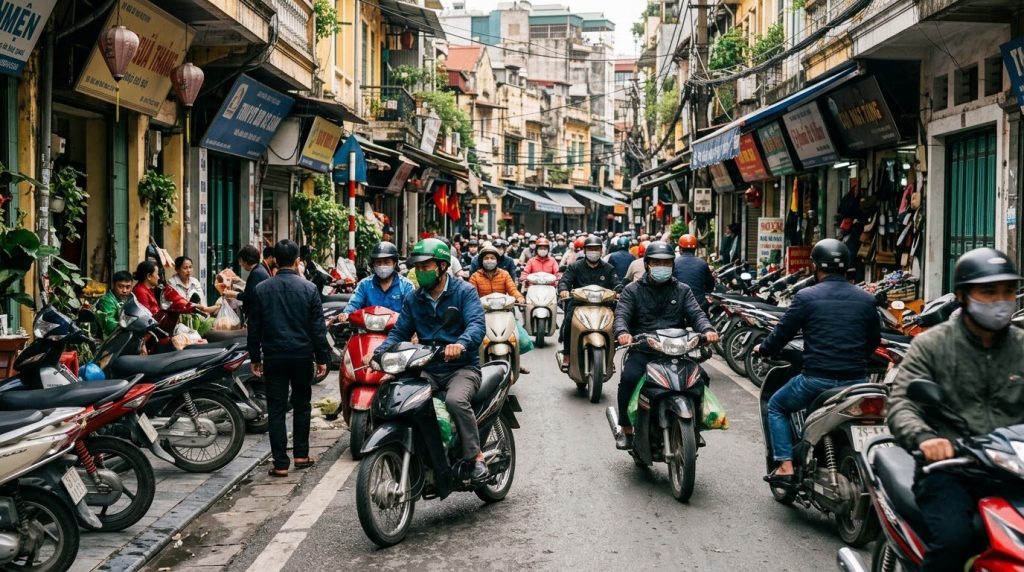
Hanoi is the pick for travellers who want history, atmosphere and a jumping-off point for northern Vietnam’s landscapes. The Old Quarter is a maze of narrow streets, each historically tied to a single trade, packed with street food stalls, colonial-era shophouses and motorbike traffic that never fully stops.
Hoan Kiem Lake sits at the centre of it, ringed by walking paths and the red Huc Bridge, and gives the old city a slower, more atmospheric core than anything in the south.
French colonial architecture survives across the city in buildings like the Hanoi Opera House and the wide boulevards of the French Quarter, a layer of history Ho Chi Minh City has largely built over.
Hanoi is also the standard gateway to northern Vietnam’s biggest drawcards, with Halong Bay, Sapa and Ninh Binh all reachable as day trips or short overnight add-ons rather than separate flights. The Temple of Literature, Vietnam’s first national university, and the calmer paths around West Lake give the city a second, quieter register once the Old Quarter’s noise gets tiring.
A three-day Hanoi itinerary covers the Old Quarter, the lake and a first temple visit without feeling rushed, and the best hotels in Hanoi cluster tightly around the Old Quarter so most sights stay walkable.
Ho Chi Minh City for energy, food and the south
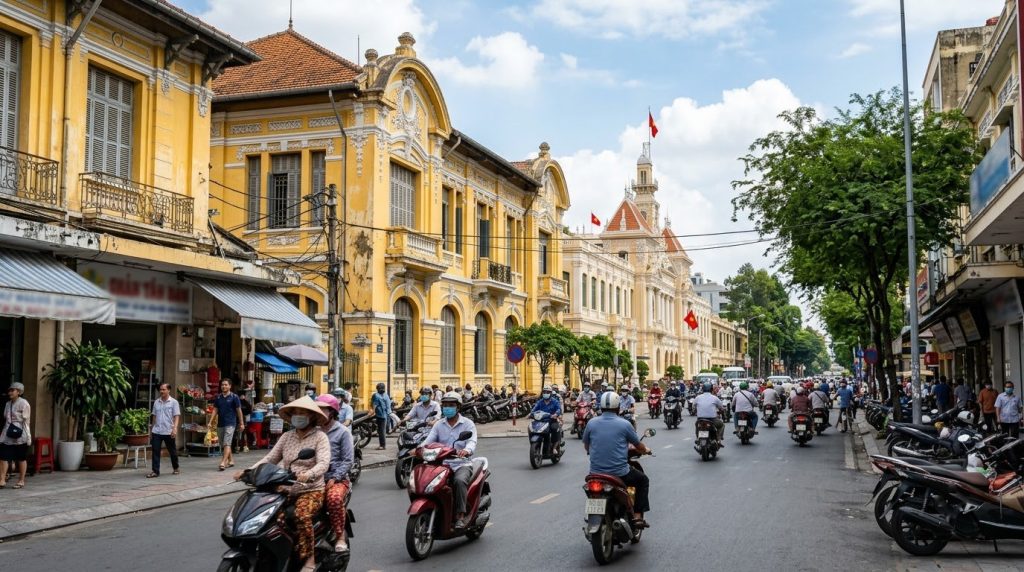
Ho Chi Minh City is the pick for travellers who want a bigger, faster city with a stronger dining and nightlife scene and easier day trips into the south. Landmark 81 rises 461 metres over District 1, the tallest building in Vietnam and the clearest signal that this is the country’s commercial engine rather than its historic capital.
The dining scene runs wider than Hanoi’s, from streetside pho stalls to a dense cluster of international restaurants and rooftop bars, and the nightlife in District 1 and around Bui Vien street runs later and louder.
Ho Chi Minh City is also the practical base for two of southern Vietnam’s biggest day trips, the Mekong Delta’s floating markets and canals, and the Cu Chi Tunnels used during the war, both close enough to visit and return by evening.
Ben Thanh Market and the surrounding streets add a shopping and street-food layer that feels denser and more commercial than anything in Hanoi’s Old Quarter, another sign of how much faster this city moves.
A four-day Ho Chi Minh City itinerary builds in time for both day trips alongside the city itself, and the best time to visit Ho Chi Minh City guide breaks down the wet and dry seasons that matter more here than temperature ever does.
Climate — the one has a winter, the other does not
Hanoi has a real cool season and Ho Chi Minh City does not, so climate alone can decide which city suits a given month. Hanoi’s coldest month is January, with average lows around 14.7°C and morning temperatures that can dip below 10°C, plus a persistent grey mist that settles over the Old Quarter for days at a time.
That cool, damp stretch runs roughly December through February and changes what belongs in the suitcase, layers and a light jacket rather than the singlets and sandals that work everywhere else in the country. Ho Chi Minh City never gets that break.
Its coldest month, also January, still averages a low around 23°C, and the annual average sits near 27°C, so the only real seasonal split in the south is wet versus dry rather than hot versus cold.
That gap matters for what goes in the suitcase and for which city suits a December or January trip better, since Hanoi’s mist and chill can catch travellers packed only for the tropics off guard. A trip that includes both cities in the same week should plan for genuinely different weather at each end, not just a change of scenery.
You probably do both
Most first-time visitors do not choose between Hanoi and Ho Chi Minh City, they fly into one and out of the other and see both.
Vietnam’s shape makes this the obvious routing: the country is long and narrow, the two cities anchor opposite ends of it, and backtracking to the same airport wastes a day that could go toward Halong Bay, the Mekong Delta or a stop in central Vietnam along the way.
The open-jaw flight itself is short and inexpensive by regional standards, with the Hanoi–Ho Chi Minh City route flown multiple times daily and a direct flight taking around 2 hours in either direction.
Budget one-way fares on carriers such as Vietjet commonly start from around AUD 62 · USD 45 (VND 1,170,000), rising well beyond that for full-service carriers or peak-season dates, so it is worth comparing fares before locking in which city to enter and which to exit from.
Most itineraries fly into Hanoi first to front-load the history and the Halong Bay side trip while energy is high, then finish in Ho Chi Minh City, where the nightlife suits the last few days of a trip better than an early-morning departure the next day.
Travellers with extra time sometimes break the route by train or a short flight through Da Nang or Hoi An, but the two-city version above is the simplest, and it is the one most first-time visitors actually book.
Cost of living: Hanoi vs Ho Chi Minh City
Ho Chi Minh City runs more expensive than Hanoi on most cost trackers, typically by somewhere in the order of 5 to 15 percent depending on the source and the basket of goods compared, with the bigger gaps showing up in rent and dining out rather than everyday groceries.
The difference is modest enough that it rarely changes which city gets more nights on a short trip, but it is worth knowing for travellers budgeting a longer stay in one city over the other, since a month based in Ho Chi Minh City’s District 1 costs meaningfully more than the same month in Hanoi’s Old Quarter.
For a standard multi-day visit rather than an extended stay, both cities offer the same spread from backpacker dorms to five-star hotels, and a traveller’s own choice of accommodation tier affects the daily budget far more than which of the two cities it happens to be booked in.
Street food and local transport stay cheap in both cities by regional standards, so the cost gap shows up mainly in mid-range dining, ride-hailing during peak surge pricing, and the small daily extras that add up faster in Ho Chi Minh City’s busier, more commercial districts than in Hanoi’s older quarters.
Safety: Hanoi vs Ho Chi Minh City
Both cities are generally safe for travellers, and the practical risks in each are petty theft and traffic rather than violent crime.
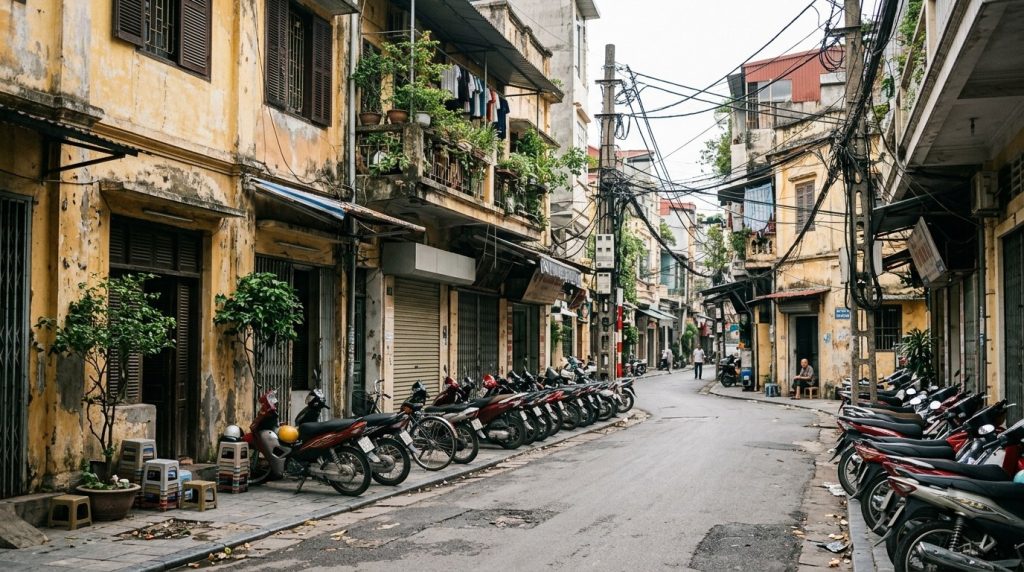
Bag-snatching and phone theft by passing motorbike are the most commonly reported issues in both, with Ho Chi Minh City’s District 1 and Bui Vien street, and Hanoi’s Old Quarter, the two areas where dense foot traffic and distracted tourists create the most opportunities.
Keep bags and phones away from the road-facing side when walking or sitting at a street-side cafe in either city, since a motorbike grab-and-run happens fast and close to the curb.
Crossing the street is the other safety issue both cities share, and it catches first-time visitors off guard more than theft does: traffic does not stop for pedestrians in either city, and the standard local technique is a slow, steady, predictable walk across a gap in the traffic rather than waiting for a clear road or expecting vehicles to brake.
This applies equally in Hanoi’s Old Quarter and Ho Chi Minh City’s District 1, and it is worth practising on a quieter side street before tackling a main road in either city.
Choose Hanoi if / choose Ho Chi Minh City if
Choose Hanoi if history, atmosphere and a cooler climate matter more than nightlife, and if Halong Bay or Sapa are already on the list, since both add on easily from there.
Choose Ho Chi Minh City if a bigger, faster city with stronger dining and nightlife suits the trip better, and if the Mekong Delta or the Cu Chi Tunnels are higher priorities than the north.
Most travellers should stop trying to pick a winner and instead fly into one city and out of the other, since the 2-hour hop between them costs little next to what backtracking would waste.
Compare Hanoi and Ho Chi Minh City hotels on the map
Live prices from Booking, Airbnb and more — move the map or change dates to compare stays.