Koh Lanta Travel Budget 2026: How Much Does It Cost?
By TravelguidestipUpdated 8 min readHow we earn
Hotel buttons open Stay22 (Booking.com, Agoda and others) and tour buttons open GetYourGuide. We may earn a commission at no extra cost to you.

Quick answer: A Koh Lanta trip runs roughly 1,050 THB/day ($30) for budget travelers on fan bungalows and local food, up to 8,750 THB/day ($250) for comfort stays. Most independent visitors land in the middle once they add a motorbike (200–300 THB/day) and a diving day (1,800–2,500 THB). The island stays noticeably cheaper than Phuket.
Key Takeaways: A Koh Lanta travel budget runs from 1,050 THB/day ($30) for budget travelers to 8,750 THB/day ($250) for comfort stays. Food is cheap at local restaurants (80–150 THB per dish), accommodation varies from 350 THB fan bungalows to 20,000 THB resort villas. Diving is the biggest discretionary expense — a 2-dive day at Hin Daeng runs 1,800–2,500 THB.
Transport to and within the island is modest. The island is significantly cheaper than Phuket and slightly cheaper than Koh Phi Phi.
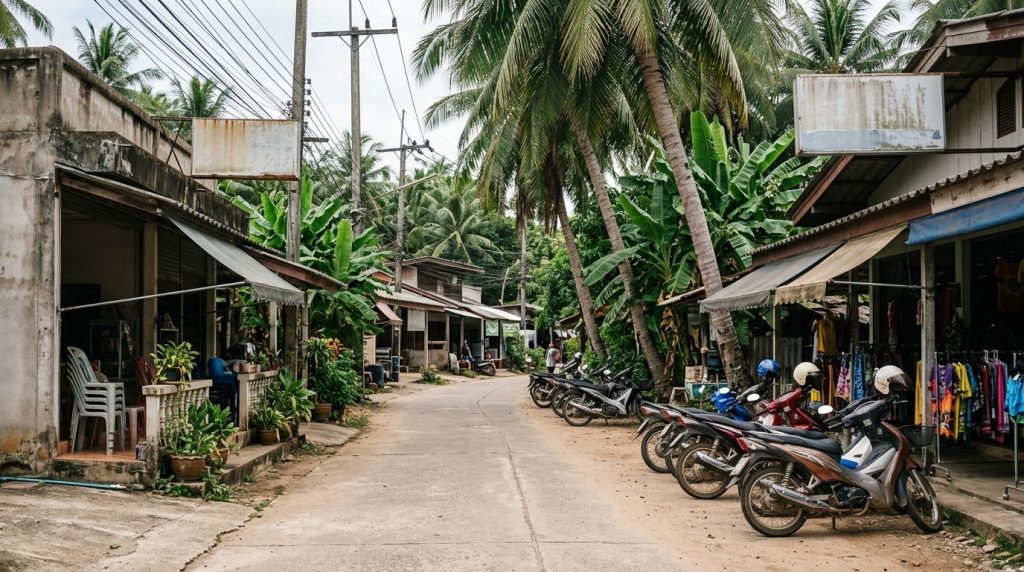
The Thai Baht exchange rate in 2026 is approximately 35 THB per USD. Koh Lanta’s high season (November–April) sees modest price increases versus shoulder season, but unlike Phuket, hotels don’t typically surge-price dramatically. The island’s limited land transport (no public buses, no rideshare apps) makes motorbike rental (200–300 THB/day) effectively mandatory for independent exploration. Diving day trips require full-day commitment (7:30am–5pm) at 1,800–2,500 THB including equipment and lunch.
For accommodation details, see Where to Stay in Koh Lanta. For full trip planning, see Koh Lanta Itinerary.
Koh Lanta Daily Budget Overview

| Budget tier | Daily cost (THB) | Daily cost (USD) | What’s included |
|---|---|---|---|
| Budget | 1,050–1,400 | $30–40 | Fan bungalow + local food + motorbike |
| Mid-range | 2,100–3,150 | $60–90 | A/C hotel + mixed dining + one dive day |
| Comfort | 4,200–8,750 | $120–250 | Boutique resort + restaurant dining + tours |
| Luxury | 8,750–17,500+ | $250–500+ | Pimalai + fine dining + private tours |
Find your Koh Lanta hotel on the map
Live prices from Booking & Airbnb — tap a pin to compare stays around Long Beach (Phra Ae) and beyond.
Accommodation Costs

Accommodation is the biggest variable in a Koh Lanta budget. The range from cheapest to most expensive is extreme.
| Type | Price (THB/night) | USD/night | Example |
|---|---|---|---|
| Fan bungalow (budget) | 350–700 | $10–20 | Bee Bee Bungalow, Klong Khong |
| Basic guesthouse | 700–1,200 | $20–34 | Lanta Sand Resort |
| Mid-range A/C bungalow | 1,200–2,500 | $34–71 | Lanta Castaway, Lanta Riviera |
| Boutique hotel | 2,500–5,000 | $71–143 | Costa Lanta, Rawi Warin |
| Luxury resort | 6,000–20,000 | $171–571 | Pimalai Resort and Spa |
Budget tip: Klong Khong has the cheapest beachside accommodation on the island — fan bungalows from 350 THB. A/C adds 200–400 THB per night at most properties.
Food Costs

Koh Lanta food costs are controlled by where you eat. Local restaurants and markets run 60–150 THB per dish. Beach tourist restaurants run 150–400 THB.
Local restaurants and markets
| Item | Price (THB) |
|---|---|
| Rice dish (pad thai, khao man gai) | 80–120 |
| Massaman curry + rice | 80–150 |
| Khao yam (herb rice salad) | 60–80 |
| Roti with egg | 30–50 |
| Roti with banana + condensed milk | 40–70 |
| Thai coffee (Old Town) | 40–60 |
| Fresh coconut | 60–80 |
| Night market meal (Saladan) | 100–150 |
Budget meal day: 300–450 THB (breakfast + lunch + dinner at local spots).
Beach and tourist restaurants
| Item | Price (THB) |
|---|---|
| Pad thai (tourist restaurant) | 120–180 |
| Grilled fish (400–600g) | 200–350 |
| Tom yum seafood (pot, serves 2) | 200–350 |
| Western breakfast | 150–250 |
| Cocktail or cocktail bucket | 150–250 |
| Chang beer (restaurant) | 80–120 |
| Chang beer (7-Eleven) | 50–65 |
Mid-range meal day: 600–900 THB (mix of local and tourist restaurants).
Transport Costs

Getting to Koh Lanta
| Route | Cost (THB) | Time |
|---|---|---|
| Krabi Town → Koh Lanta (minivan + ferry) | 300–400 | 1.5h |
| Koh Phi Phi → Koh Lanta (speedboat) | 350–500 | 1h |
| Phuket → Koh Lanta (minivan + ferry) | 500–700 | 3–4h |
Getting around Koh Lanta
| Method | Cost (THB) |
|---|---|
| Motorbike rental (per day) | 200–300 |
| Petrol (full tank) | 100–150 |
| Songthaew (per trip) | 50–100 |
| Tuk-tuk (local trip) | 100–200 |
Recommendation: Budget 200–300 THB/day for motorbike + 100–150 THB for petrol on a full island loop day. Two people can share one motorbike and split the cost.
Activity Costs
Activities are a major budget variable. Divers should budget 1,500–2,500 THB per dive day.
| Activity | Cost (THB) |
|---|---|
| Hin Daeng/Hin Muang diving (2 dives, equipment, lunch) | 1,800–2,500 |
| Koh Rok snorkeling day trip (equipment, lunch) | 1,200–1,800 |
| Trang Islands day trip (4 stops, lunch) | 1,500–2,000 |
| Kayak mangroves (guided, 3h) | 300–500 |
| Thai cooking class (3–4h) | 1,000–1,500 |
| Koh Lanta National Park entry | 200 |
| Koh Phi Phi day trip (ferry + entrance) | 800–1,500 |
Budget note: Snorkeling trips (Koh Rok, Trang Islands) deliver most of the marine experience at roughly half the cost of diving. Non-divers can fill 5–7 days without spending more than 1,500–2,000 THB on any single day.
5-Day Budget Scenarios
Budget traveler (fan bungalow + local food + one snorkel day)
| Day | Main spend | Cost (THB) |
|---|---|---|
| Day 1 | Arrive + Long Beach | 700 |
| Day 2 | Beaches + local food | 500 |
| Day 3 | Motorbike loop + Old Town | 700 |
| Day 4 | Koh Rok snorkel | 1,400 |
| Day 5 | Morning activity + ferry | 500 |
| Total | 5 nights accommodation (500 THB avg) + activities | ~6,300 THB ($180) |
Mid-range traveler (A/C bungalow + mix dining + one dive day)
| Day | Main spend | Cost (THB) |
|---|---|---|
| Day 1 | Arrive + Long Beach | 1,000 |
| Day 2 | Hin Daeng diving | 2,200 |
| Day 3 | Motorbike loop + Old Town | 900 |
| Day 4 | Koh Rok snorkel | 1,600 |
| Day 5 | Cooking class + ferry | 1,200 |
| Total | 5 nights accommodation (1,800 THB avg) + activities | ~15,900 THB ($455) |
Money-Saving Tips
Eat at Saladan market (evening): Cheapest food on the island. Grilled meats, local curries, fresh fruit. 100–150 THB for a full meal.
Book day trips direct with operators: Walk-in to Long Beach dive shops or snorkel operators and ask their current rate. Often cheaper than booking through your hotel concierge.
Share motorbike: Two people on one motorbike splits the 200–300 THB daily rental in half. The motorbike loop is the best budget activity on the island.
Old Town for breakfast: Traditional coffee + roti in Old Town costs 80–120 THB total — cheaper and more interesting than a hotel breakfast.
7-Eleven for drinks: Beer and water at 7-Eleven is 40–50% cheaper than at beach bars.
The biggest budget drain on Koh Lanta isn’t any single expense — it’s eating exclusively at tourist beach restaurants for every meal. Switching even two out of three daily meals to local spots (Saladan market, Old Town, roadside restaurants on the main road) cuts food spending by 40–60%. On a week-long trip, that’s 3,000–5,000 THB saved — roughly the cost of an additional snorkel day trip.
Visa and entry costs for Koh Lanta
Most Western passport holders, Australians included, currently get visa-exempt entry to Thailand covering stays of up to 30 days, with no advance visa needed for a standard holiday. That exemption can change with little notice, so confirm the current allowance for your passport with an official source before you book, rather than relying on last year’s rule.
Entry itself is free for the visa-exempt stamp; the cost that catches people out on Koh Lanta specifically is the Mu Ko Lanta National Park fee on the island’s southern tip, a foreigner entrance charge plus a smaller scooter fee if you ride in rather than walk.
Extending a stay beyond the visa-exempt period means a visit to an immigration office on the mainland, generally in Krabi Town, and is worth planning for in advance if your trip runs long, since Koh Lanta itself has no full immigration office of its own.
Overstaying carries a daily fine and can affect future entry, so track your exact arrival stamp date rather than counting loosely from your flight date, especially if your trip includes an island-hopping leg that adds a day or two you did not plan for.
Keep a photo of your entry stamp and boarding pass on your phone; immigration offices on the mainland ask for both if you need to extend or if there is any question about your arrival date.
Safety, scams and staying connected
Koh Lanta has a reputation as calmer and less scam-prone than Phuket or Krabi Town, but it is not risk-free. The most common issue is longtail boat operators quoting a higher private-only rate when a cheaper shared boat is also running the same route; always ask if a shared option exists before booking.
Scooter rental disputes are the other recurring complaint. Photograph every panel of the bike before you ride off, including existing scratches, so a shop cannot blame you for damage that was already there.
Physical risks matter more than scams on Koh Lanta specifically. Roads are poorly lit outside the main strip, potholes are common, and rip currents affect some west-coast beaches in the monsoon months, so riding at night and swimming past the flags are the two habits worth dropping.
Serious medical cases transfer to Krabi, roughly one and a half to two hours away, since Koh Lanta’s own medical facilities handle only routine cases, which makes travel insurance with evacuation cover more important here than on islands with their own hospital.
SIM cards and eSIMs are easier to buy in Krabi Town or Phuket before you cross over than on Koh Lanta itself, where stock runs thinner than the bigger tourist hubs. Coverage along the main west-coast beaches is solid; it gets patchier inside the national park and around Old Town.
Currency and Payments
Cash vs card: ATMs are available at Saladan and along Long Beach. Most mid-range and luxury properties accept cards. Local restaurants, markets, and street stalls are cash only. Bring enough baht for a day’s spending when venturing away from Long Beach.
ATM fees: Thai ATMs charge 220–250 THB per foreign card withdrawal. Use a Wise, Revolut, or Charles Schwab card to avoid fees, or withdraw larger amounts less frequently.
Currency exchange: Exchange at the bank or licensed money changers in Saladan — better rates than hotel exchange desks.
Frequently Asked Questions
Is Koh Lanta expensive?
No — by Western standards, Koh Lanta is affordable. A budget traveler can live on 1,050–1,400 THB/day including accommodation. The island is cheaper than Phuket and roughly equivalent to Koh Phangan.
How much money should I bring to Koh Lanta?
For a 5-day trip: 15,000–25,000 THB ($430–715) covers budget-to-mid-range travel including accommodation, food, one dive or snorkel day, and transport. Add 10,000 THB if adding a second dive day or staying at a boutique property.
Is Koh Lanta cheaper than Phuket?
Yes — significantly. Accommodation on Koh Lanta is 30–50% cheaper than equivalent properties in Phuket. Food at local restaurants is similar in price, but tourist restaurant prices on Koh Lanta are lower. Transport within Koh Lanta (motorbike) is cheaper than Phuket taxis.
Affiliate Disclosure: This post does not contain affiliate product links. For hotel bookings, see Where to Stay in Koh Lanta.
Sources:
1. Tourism Authority of Thailand — Koh Lanta travel costs, 2025
2. Bank of Thailand — THB exchange rate data, 2026
3. Krabi Tourism — island access transport costs, 2025