Best Things to Do in Koh Lanta 2026: 12 Experiences Worth the Trip
By TravelguidestipUpdated 13 min readHow we earn
Hotel buttons open Stay22 (Booking.com, Agoda and others) and tour buttons open GetYourGuide. We may earn a commission at no extra cost to you.
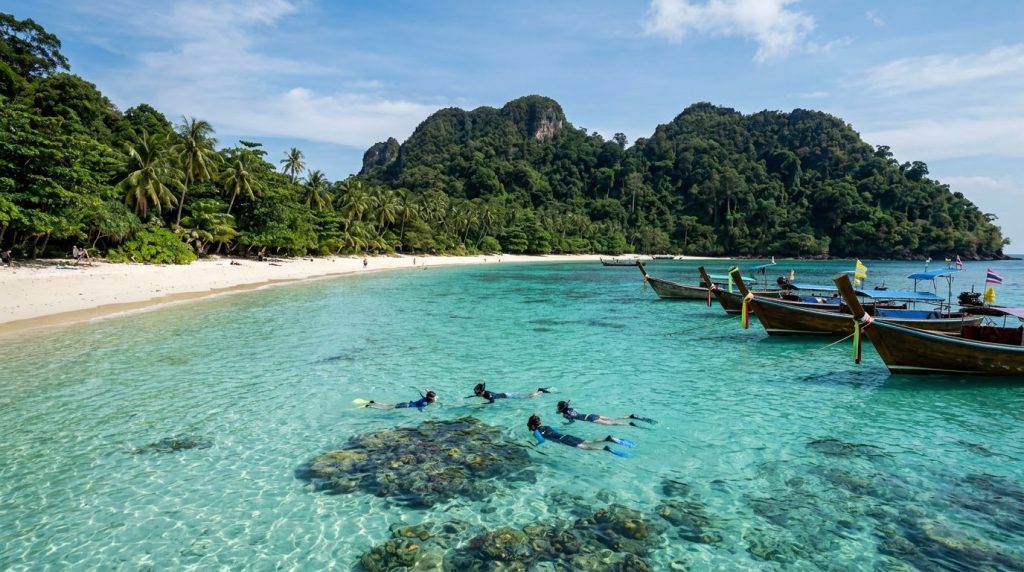
Quick answer: The standout things to do in Koh Lanta are diving the deep pinnacles of Hin Daeng and Hin Muang (best November–April, when manta rays and whale sharks are possible), snorkeling the clear Andaman water around Koh Rok, and kayaking the mangroves near Baan Koh Lanta. On land, wander Koh Lanta Old Town, ride the motorbike loop, and catch sunset from the long west-coast beaches. Non-divers can fill five to seven days without repeating an experience.
Key Takeaways: The best things to do in Koh Lanta split between water activities (diving at Hin Daeng/Hin Muang, snorkeling Koh Rok, kayaking mangroves) and land exploration (Old Town, National Park, motorbike loop).
Diving is the main reason serious underwater travelers choose Lanta over other Thai islands — Hin Daeng and Hin Muang are among Southeast Asia’s best dive sites, with manta rays and whale sharks possible November–April. Non-divers have enough to fill 5–7 days without repeating experiences.
Hin Daeng (“Red Rock”) and Hin Muang (“Purple Rock”) are submerged pinnacles 40km south of Koh Lanta — Hin Muang has a vertical wall dropping past 70m, making it Thailand’s deepest recreational dive site. Both are in the Mu Koh Lanta Marine National Park. Manta ray sightings at Hin Daeng/Hin Muang are most reliable December–April.
Koh Rok Nai and Koh Rok Nok (the “Rok Islands”) are 47km south of Koh Lanta — accessible only by boat, uninhabited, with some of the clearest water in the Andaman Sea (visibility up to 30m).
For full trip context, see Koh Lanta Travel Guide. For trip planning, see Koh Lanta Itinerary.
1. Dive Hin Daeng and Hin Muang — Best Things To Do In Koh Lanta
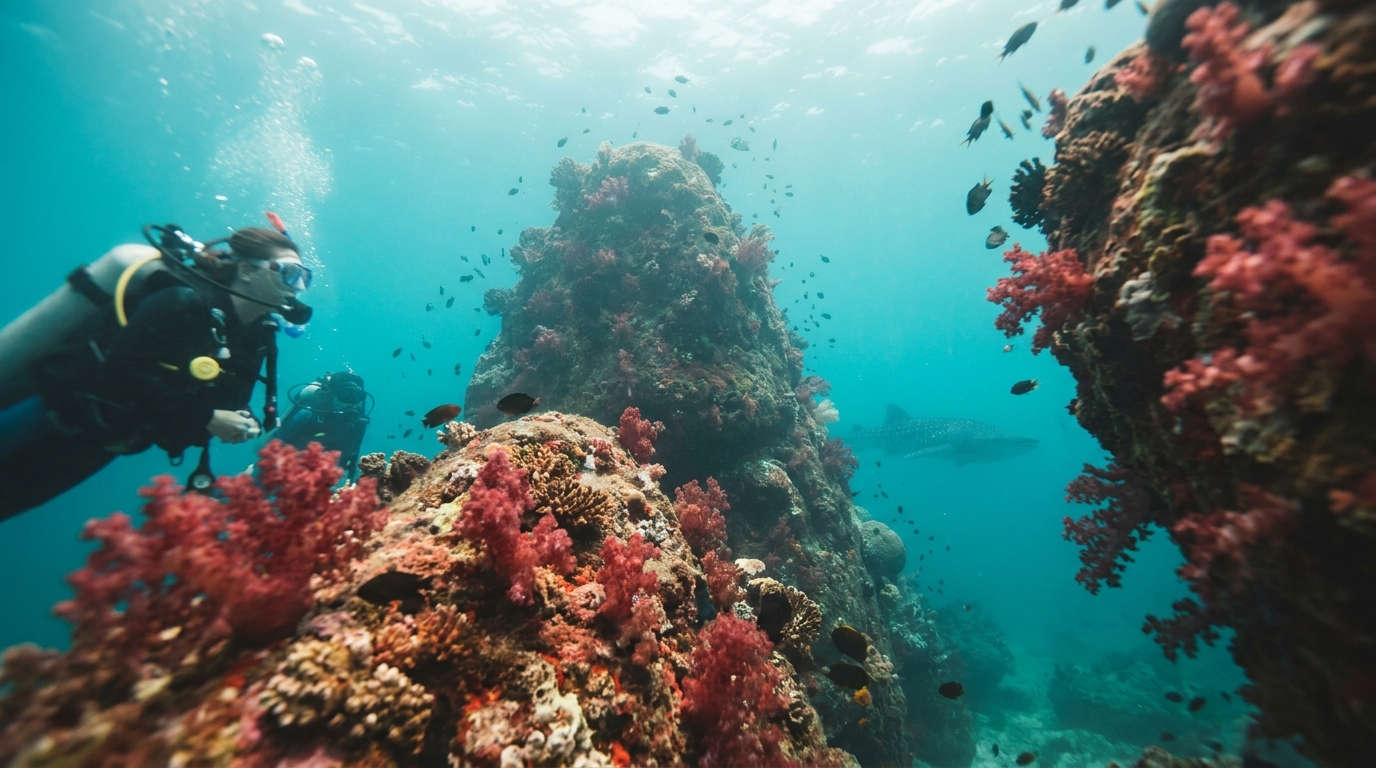
Time: Full day | Cost: 1,800–2,500 THB for a 2-dive day trip | Level: Open Water certified+
The highlight of Koh Lanta for any diver. Hin Daeng has a sloping reef covered in soft corals dropping to 30m+, with regular manta ray, reef shark, and (November–April) whale shark encounters. Hin Muang’s vertical wall is one of Thailand’s most dramatic dives — the wall drops into blue water, with schools of barracuda, tuna, and occasional thresher sharks.
Logistics: Dive shops depart from Long Beach or Saladan pier around 7:30–8am. Journey to the sites is 1.5–2h by speedboat. Full day trip includes 2 dives, lunch, and equipment.
Best operators: Blue Planet Divers, Lanta Diver, and Scubafish Koh Lanta are consistently well-reviewed.
2. Snorkel at Koh Rok
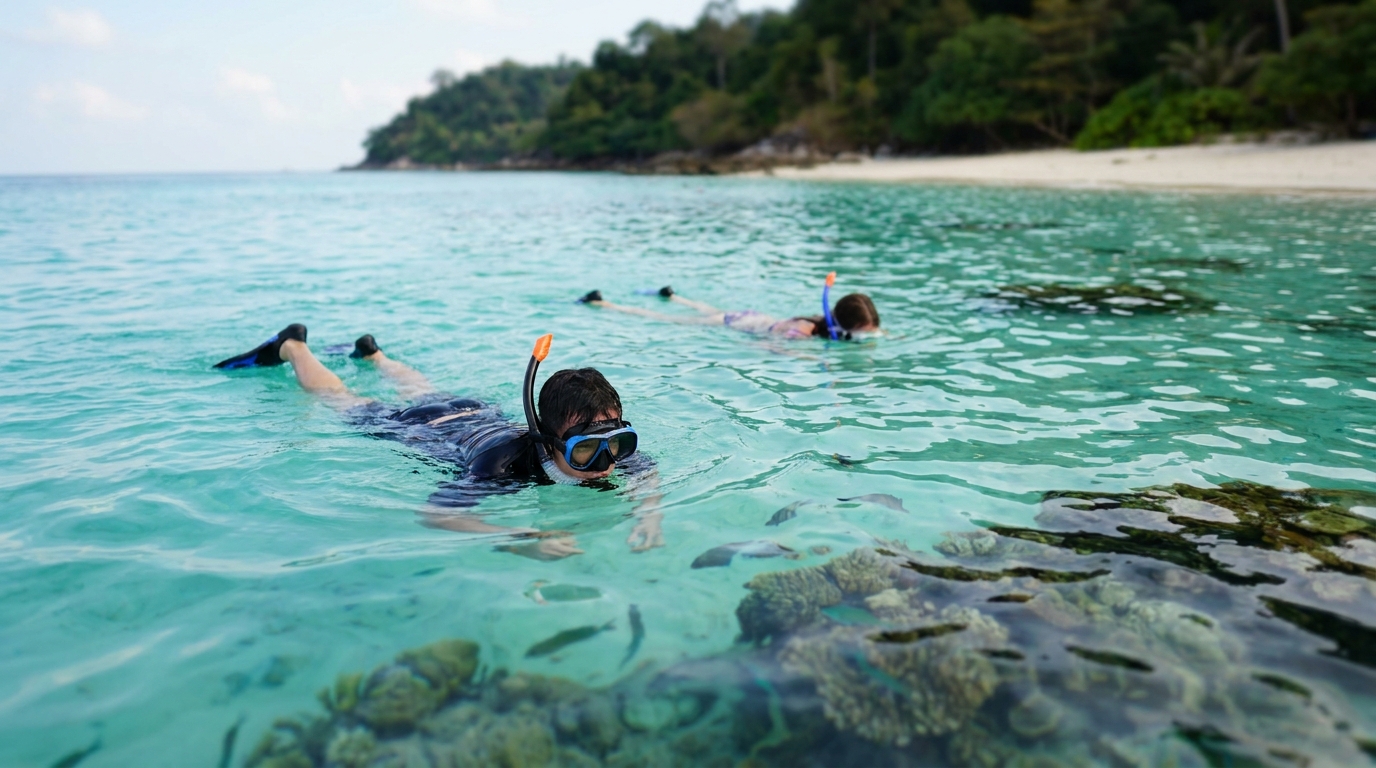
Time: Full day | Cost: 1,200–1,800 THB for a snorkel day trip | Location: 47km south
The Rok Islands are two uninhabited islands with a sheltered bay between them. Snorkeling here is excellent — shallow coral gardens, high fish density, and water visibility regularly reaching 20–30m. The islands are part of a protected marine park (entry fee 400 THB included in most tours).
Best for: Snorkelers and beginner divers who want clear water without the current intensity of Hin Daeng. The sheltered bay means conditions are gentler than open-water sites.
Logistics: Full-day speedboat tours from Koh Lanta, typically stopping at 2–3 snorkel spots including Koh Rok. Depart 8am, return 5pm. Includes lunch on the island.
3. Kayak the Mangroves at Baan Koh Lanta
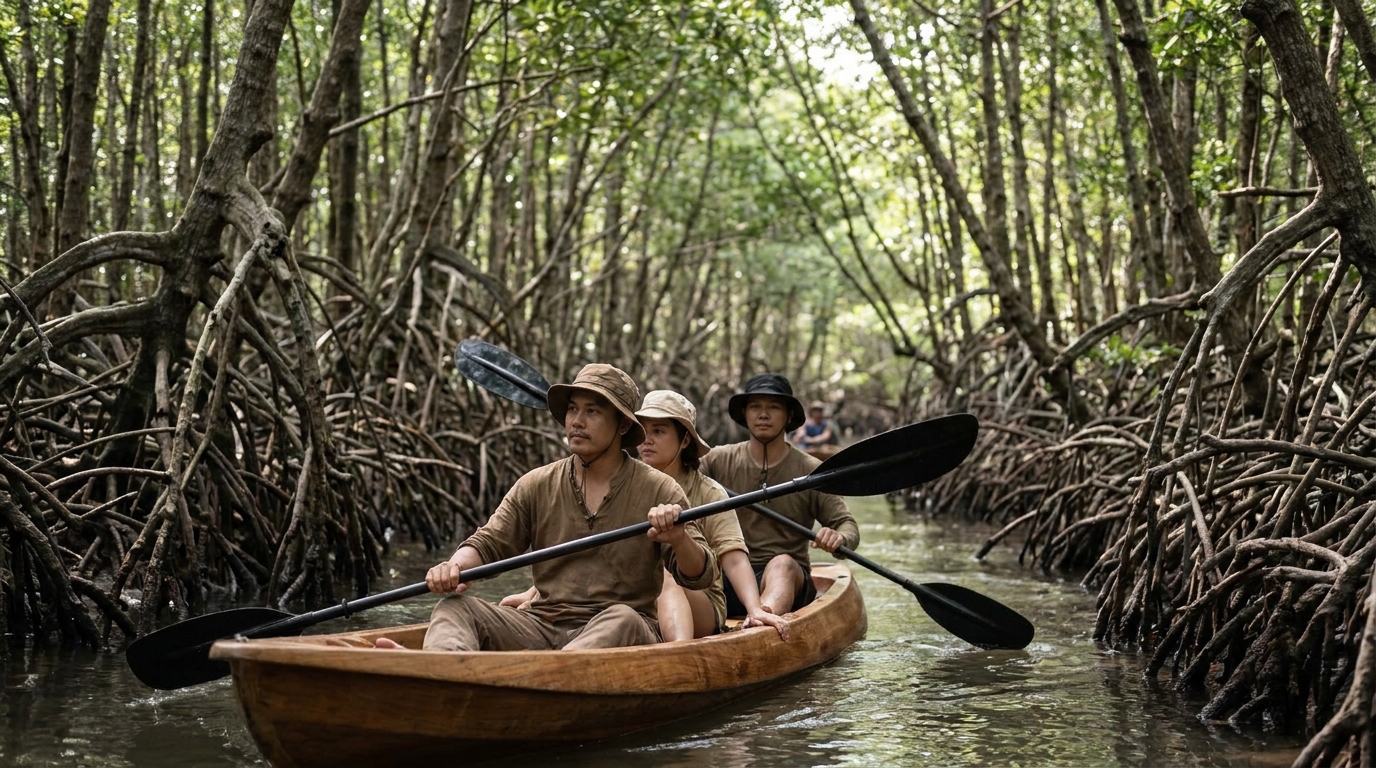
Time: 2–3 hours | Cost: 300–500 THB for guided kayak tour | Location: East coast, near Old Town
The east coast of Koh Lanta has a network of mangrove channels navigable by kayak. The channels are narrow, overhung with roots, and entirely quiet — a complete contrast to the west coast beaches. Morning tours (low tide) are best for wildlife: kingfishers, monitor lizards, and mudskippers visible in the roots.
Best time: Early morning (7–9am) for light and wildlife activity.
4. Explore Koh Lanta Old Town
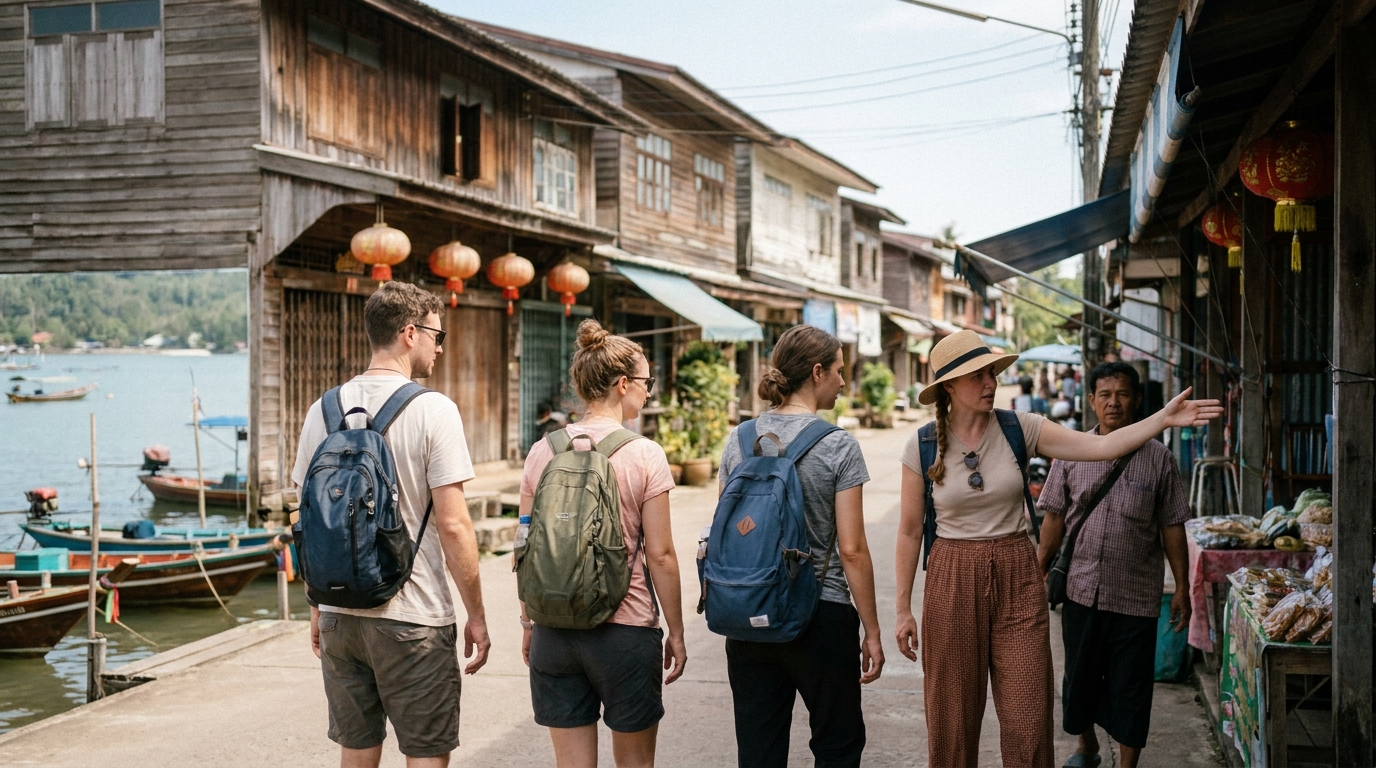
Time: 2–3 hours | Cost: Free | Location: Baan Ko Lanta, east coast
A 200-year-old Chinese-Malay fishing village built on stilts over the water. The main street has wooden shophouses — some still operating as traditional coffee shops, hardware stores, and small restaurants. The community is a mix of Thai-Chinese descendants and Malay-Muslim fishing families.
What to see: The pier (longtail boats, fishing activity in the morning), the wooden mosque, Old Town coffee shops serving traditional Thai coffee and roti, and the stilted houses extending over the water at high tide.
When to go: Morning for the fishing pier atmosphere. Not a tourist-heavy experience — Old Town is a living community, not a museum.
5. Motorbike Around the Island
Time: Full day | Cost: 200–300 THB motorbike rental | Route: Full island loop
Renting a motorbike and riding the full island is one of Koh Lanta’s best experiences. The west coast road runs the full length — 30km from Saladan in the north to the National Park entrance in the south. The ride covers all the main beaches, viewpoints, and the National Park access road.
Highlights of the loop:
– Klong Dao → Long Beach → Klong Khong → Klong Nin → Kantiang Bay
– Viewpoint above Kantiang Bay (10 min up a steep road — worth it)
– National Park entrance and Tiger Cave viewpoint
– Old Town (east coast — adds 45 min via the cross-island road)
Practical: Petrol stations at Saladan and along the main road. The south road into the National Park has a rough stretch — go slowly. Full loop takes 5–6 hours with stops.
6. Visit Koh Lanta National Park
Time: 2–3 hours | Cost: 200 THB entry | Location: South tip of the island
The park covers the southern third of Koh Lanta — jungle, mangroves, a lighthouse at the southern tip, and a small beach below the lighthouse. The viewpoint from the lighthouse looks south toward the Rok Islands.
Trails: 2–3km of marked trails through jungle. Wildlife: macaques, monitor lizards, hornbills. The beach below the lighthouse is quiet and relatively pristine — worth a swim if the tide is right.
Combine with: The motorbike island loop — the National Park is the natural end point of a south Koh Lanta ride.
7. Island Hop to Koh Ngai, Koh Muk, Koh Kradan
Time: Full day | Cost: 1,500–2,000 THB for a 4-island tour | Location: North (Trang Islands)
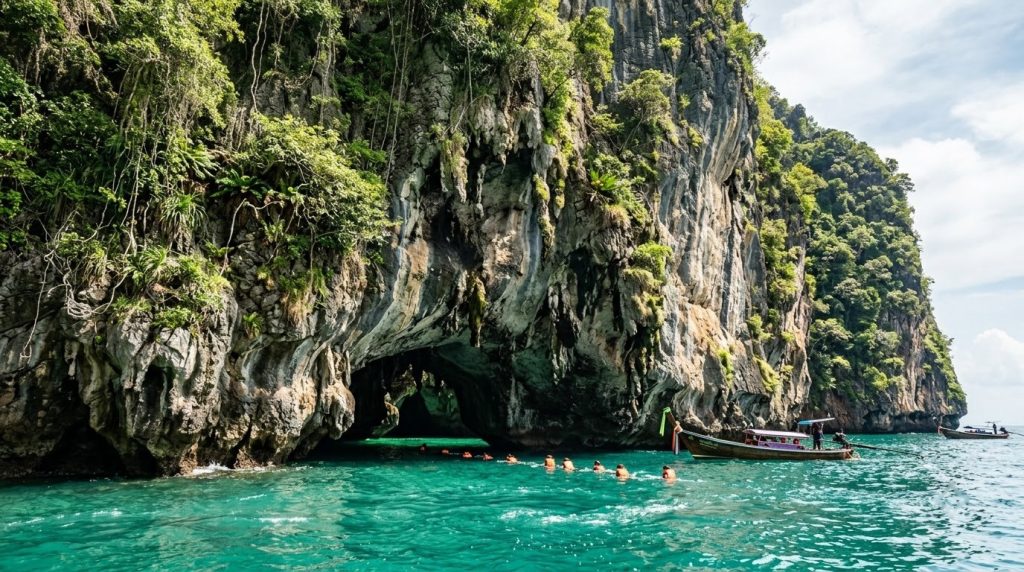
The Trang Islands north of Koh Lanta include some of Thailand’s most beautiful small islands:
– Koh Ngai: Coral reef, excellent snorkeling, clear water
– Koh Muk: Emerald Cave (Tham Morakot) — swim through a dark tunnel to reach a hidden beach
– Koh Kradan: Long stretch of fine white sand, excellent snorkeling
The Emerald Cave is the highlight — a 80m swim through a dark limestone tunnel at sea level, emerging in a hidden lagoon with a small beach surrounded by cliffs. Torch required (usually provided by the tour).
8. Take a Cooking Class
Time: 3–4 hours | Cost: 1,000–1,500 THB | Location: Various operators along Long Beach
Several Koh Lanta cooking schools offer half-day classes covering Thai and southern Thai cuisine: pad thai, green curry, massaman curry (a southern Thai specialty), and tom yum. Classes typically start with a market visit to source ingredients.
Why Lanta specifically: Southern Thai food uses more coconut milk and turmeric than central Thai food, giving it a distinctive flavor profile. Learning to make massaman or a good yellow curry on Koh Lanta gives you a regional recipe, not a generic Bangkok version.
9. Watch the Sunset from Long Beach
Time: 1 hour | Cost: Free (beer optional) | Location: Hat Phra Ae / Long Beach
Koh Lanta’s west-facing beaches give unobstructed Andaman Sea sunsets. Long Beach has the best concentration of beach bars with sunbeds at the water’s edge. Arrive 30 minutes before sunset, order a drink, watch the sun drop into the sea.
The two quietest beaches for sunset — with the best light and fewest people — are actually Klong Nin and Kantiang Bay, not Long Beach. Long Beach has the infrastructure (bars, food) but also the crowd. If you have a motorbike, Kantiang Bay’s sunset from the hillside viewpoint above the bay is the best on the island.
10. Snorkel at Bamboo Island (Koh Phai)
Time: Half day | Cost: 800–1,200 THB | Location: 20 min north by speedboat
A small island north of Koh Lanta with good snorkeling and a sandy beach. Less dramatic than Koh Rok or the Trang Islands, but a shorter journey — accessible as a half-day trip rather than a full-day commitment.
11. Eat at Night Market in Saladan
Time: Evening | Cost: 100–300 THB for a full meal | Location: Saladan town, north Koh Lanta
The small night market near Saladan pier has local food stalls serving grilled seafood, pad thai, southern Thai curries, and fresh fruit. Primarily for locals — prices are lower than the beach restaurant strip. The freshest seafood on the island comes through Saladan pier in the morning.
12. Day Trip to Koh Phi Phi
Time: Full day | Cost: 800–1,500 THB ferry + activities | Location: 1h by speedboat
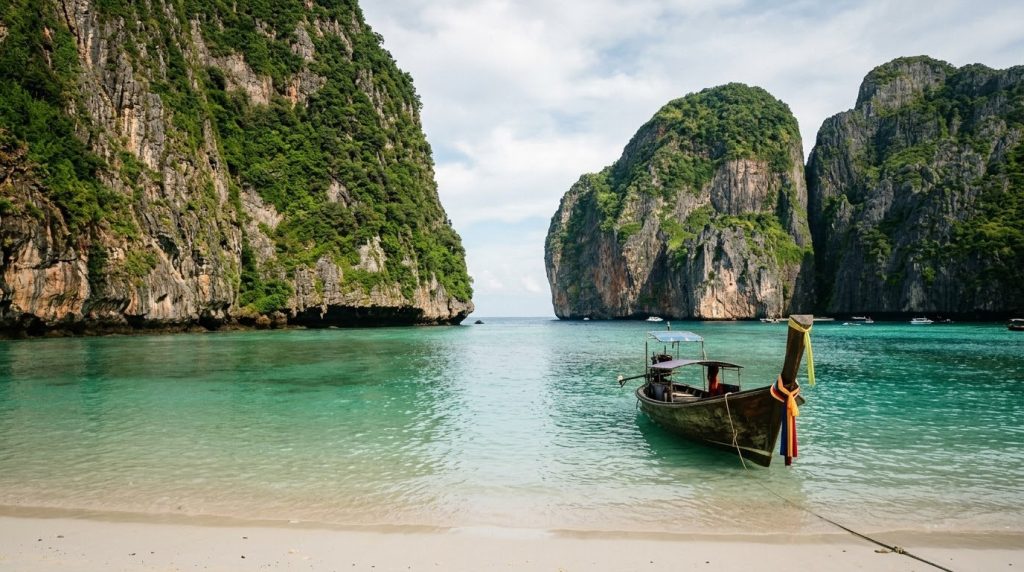
Koh Phi Phi (Maya Bay, the Phi Phi viewpoint, Monkey Beach) is easily accessible as a day trip from Lanta. The return speedboat runs through multiple operators. This works well for travelers based in Lanta who want to see Phi Phi without committing to its party atmosphere overnight.
More to Do on Land: Waterfall, Culture and Classes
Beyond the dive boats and island trips, Koh Lanta has a handful of low-cost land activities that fill a rainy or recovery day.
Khlong Chak Waterfall
A jungle trail leads to Khlong Chak waterfall in the south of the island. Expect monkeys and a bat cave along the way. The flow is weak in the dry season, so the falls look best after rain, and sturdy shoes help on the wet trail. Wear insect repellent, and bring water.
Urak Lawoi culture
The Urak Lawoi are a sea-dwelling community with deep roots on the Andaman coast. A small museum on a hill above Sangka-U village on the east-coast road preserves their culture, and the museum is run by local people. Entry is free, with a small donation suggested. The village itself is a home, not an attraction, so ask before taking photos.
Laanta Lanta Festival
Lanta Old Town hosts the Laanta Lanta Festival, a multi-day event held in March that features music, folk games and Southern Thai food. The dates have moved from year to year, so check the current dates before booking flights. Old Town is crowded that weekend, and accommodation fills early.
Classes
- Muay Thai gyms around Klong Dao and Phra Ae Beach take drop-in learners, and some host spectator fights on weekends.
- Yoga studios around Saladan run daily classes in several styles.
- Cooking schools on Khlong Dao teach Thai dishes if you want a rainy-day option.
Ask each studio about current prices and class times, since small operators change them often.
Best time to visit Koh Lanta
Koh Lanta runs on a sharply seasonal calendar that affects almost everything on this list. High season runs November through April, when the sea is calm enough for the boat trips to Hin Daeng, Hin Muang, Koh Rok and the Trang Islands to run reliably.
From roughly May to October, monsoon winds bring rough Andaman seas, and a large share of the island’s dive shops, boat operators and even some restaurants close for the season. Many passenger-ferry and speedboat routes also stop or cut back to a reduced schedule during these months.
This window lines up closely with when manta ray sightings at Hin Daeng and Hin Muang are most reliable, already noted earlier in this guide, so divers chasing that specific sighting have extra reason to time a trip for the December-to-April stretch.
If you visit in the low season anyway, confirm with your dive shop or tour operator that the specific trip you want, especially the longer runs out to Hin Daeng and Hin Muang or the Trang Islands, is actually operating rather than assuming it matches the high-season itinerary above. Overland access via the Krabi car-ferry crossings through Koh Lanta Noi stays the most reliable way onto the island during the low season, even when some direct boat routes from other islands are suspended.
13. Visit Lanta Animal Welfare Centre
A nonprofit on Long Beach dedicated to sterilising, vaccinating and caring for the island’s stray dogs and cats. Since it was founded in 2005, the centre says it has helped more than 15,000 animals.
Visitors can walk a dog, spend time with the cats in the on-site Kitty City, or just stop for a drink at the attached Kitty Cafe; all proceeds go back into the centre’s animal care work. Guided tours run mid-morning to mid-afternoon, and the centre is open daily from 9am to 5pm at its site on Haad Phra Ae.
The centre relies partly on donations and volunteer labour, so a small entry contribution or a purchase at the cafe goes directly toward vet care and sterilisation costs for animals that would otherwise roam the island’s beaches and villages.
It is a good half-hour to hour stop to pair with a Long Beach sunset, covered earlier in this guide, or with the motorbike loop, since it sits right on the main west-coast road. Longer-term volunteering and animal sponsorship are also options if a single visit is not enough.
Where to Stay on Koh Lanta: Beach by Beach
All the main beaches sit on the west coast, and each has a different feel. Picking the right one matters more than picking the right hotel.
| Beach | Best for | Notes |
|---|---|---|
| Klong Dao | Families, first-timers | The most developed beach, with good dining and shops, and the closest to the Saladan ferry port |
| Phra Ae (Long Beach) | All budgets | The longest beach, with options from backpacker places to resorts, and a favourite for sunset walks |
| Klong Khong | Backpackers | Beach bars and fire shows most nights, and less suited to families |
| Klong Nin | Quieter stays | A middle ground with some places to eat |
| Kantiang Bay | Boat tours, scenery | Quieter and a convenient base for departures to the southern islands |
| Bamboo Bay | Seclusion | The most remote, with few amenities nearby |
Low season (May to September) brings large resort discounts, but many restaurants, hotels and tours reduce their services in that period.
Getting to Koh Lanta and Getting Around
Krabi Airport is the closest airport. Shared minibuses from the airport drop you at your hotel, and a private taxi is faster and more comfortable for late arrivals or heavy luggage. Allow roughly two hours for the transfer, longer for the far south. Ferries also run from Krabi, but they are less convenient.
On the island, a single main road circles the coast with a couple of cross-island routes. A rented scooter is the easiest and cheapest way to explore, though potholes are common and traffic is light. Rent through your accommodation where possible, and expect some shops to ask for your passport as a deposit.
Safety and insurance
- Check that your travel insurance covers motorbike riding, and that your licence class is accepted.
- Wear a helmet, and avoid riding after dark on unlit roads.
- If you do not ride, tuk-tuks, a rental car or a bicycle are alternatives. Cycling is hilly and hot in the south.
High season runs from November to March, with higher prices. April is a good shoulder month. Ferries to other islands stop in the rainy season, so check operators before you plan a day trip. Market days vary by village, so ask your hotel which one is on that day.
How many days do you need for this list
Ticking off everything above takes longer than a quick beach stop. Budget at least five days if you want to fit in the Hin Daeng and Hin Muang dive trip, a separate day for Koh Rok or the Trang Islands, the Koh Phi Phi day trip, and still have time left for the Old Town, the motorbike loop and a slower day on the beach.
If beach time matters more than covering every item on this list, two or three days is enough to pick two or three highlights, the motorbike loop plus one boat trip is a common combination, without feeling rushed.
Because several of the best entries here, the dive sites, Koh Rok, the Trang Islands and Phi Phi, are all full-day boat trips, they cannot be combined on the same day. Spacing them out, with a land-based day in between, makes for a less exhausting trip than stacking boat days back to back.
Travellers short on time sometimes try to combine the motorbike loop with a boat trip on the same day; because boats typically leave early and return mid-to-late afternoon, this is possible but leaves little room for stops along the loop itself.
Find your Koh Lanta hotel on the map
Live prices from Booking & Airbnb — tap a pin to compare stays around Long Beach (Phra Ae) and beyond.
Frequently Asked Questions
Is Koh Lanta good for snorkeling?
Yes — especially on day trips to Koh Rok (47km south, excellent visibility) and the Trang Islands (Koh Muk Emerald Cave). Shore snorkeling directly from Lanta beaches is limited by murky conditions near most beaches. Plan at least one boat-based snorkel trip.
Is diving in Koh Lanta worth it?
Yes — Hin Daeng and Hin Muang rank among Thailand’s best dive sites and are only accessible from Koh Lanta as a base (or Koh Phi Phi). If diving is your priority, Lanta is the best base in the Krabi region. Manta ray encounters are most reliable December–April.
What is Koh Lanta best known for?
Relaxed beaches, world-class diving at Hin Daeng/Hin Muang, the Chinese-Malay Old Town, and being the least crowded major Thai island in the Andaman coast region.
Sources:
1. Tourism Authority of Thailand — Koh Lanta activities, 2025
2. Mu Koh Lanta Marine National Park — Hin Daeng and Hin Muang, 2025