Best Time to Visit Koh Lanta 2026: Month-by-Month Guide
By TravelguidestipUpdated 9 min readHow we earn
Hotel buttons open Stay22 (Booking.com, Agoda and others) and tour buttons open GetYourGuide. We may earn a commission at no extra cost to you.
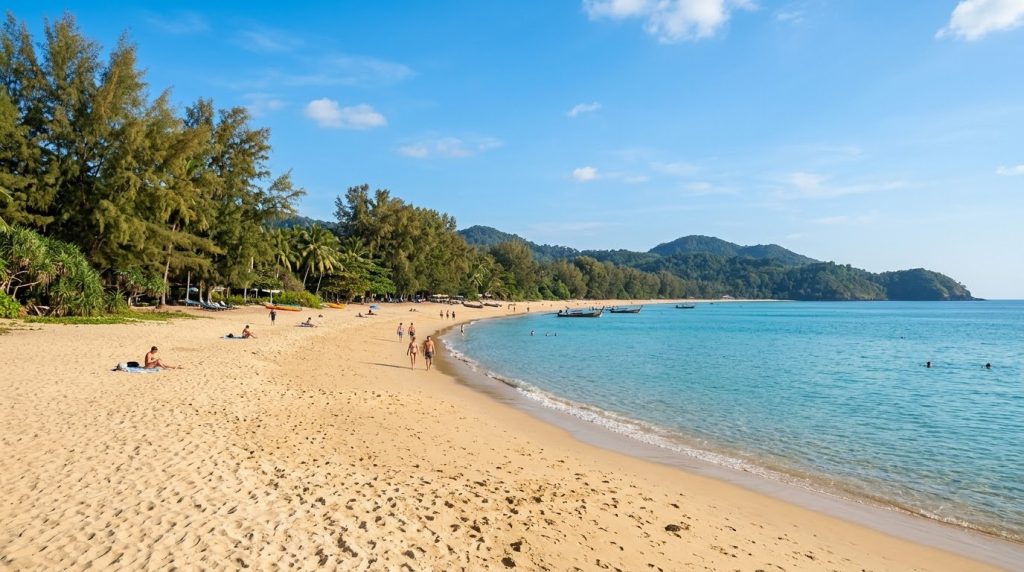
Quick answer: The best time to visit Koh Lanta is November through April, the dry season when the Andaman Sea is calm, diving is at its best, and every hotel and restaurant is open. December and January bring the most reliable sunshine but peak crowds and prices, while November and April give you the same good weather with better value and fewer tourists.
Key Takeaways: The best time to visit Koh Lanta is November through April — the dry season when the Andaman Sea is calm, diving conditions are optimal, and all hotels and restaurants are open. December and January have the most reliable weather but also peak prices and crowds.
November and April offer the best value: good weather, fewer tourists, and full facilities still operating. Avoid May through October entirely — most of the island shuts down for monsoon season.
Koh Lanta receives approximately 2,500mm of annual rainfall, the vast majority falling between May and October (southwest monsoon). The island has a shorter dry season than the Gulf of Thailand islands (Koh Samui, Koh Tao) — which is why Koh Lanta’s tourist season is strictly November–April. Sea surface temperatures range from 26°C (December–January) to 30°C (April).
The Hin Daeng/Hin Muang dive sites are only accessible when seas are calm — typically December through March for optimal conditions, with November and April as transitional months.
For trip planning, see Koh Lanta Itinerary. For full destination context, see Koh Lanta Travel Guide.
Koh Lanta Season Overview — Best Time To Visit Koh Lanta
| Season | Months | Weather | Facilities | Prices |
|---|---|---|---|---|
| Peak | December–February | Best | All open | High |
| Shoulder | November, March–April | Good | All open | Medium |
| Monsoon (avoid) | May–October | Rough, rainy | Most closed | — |
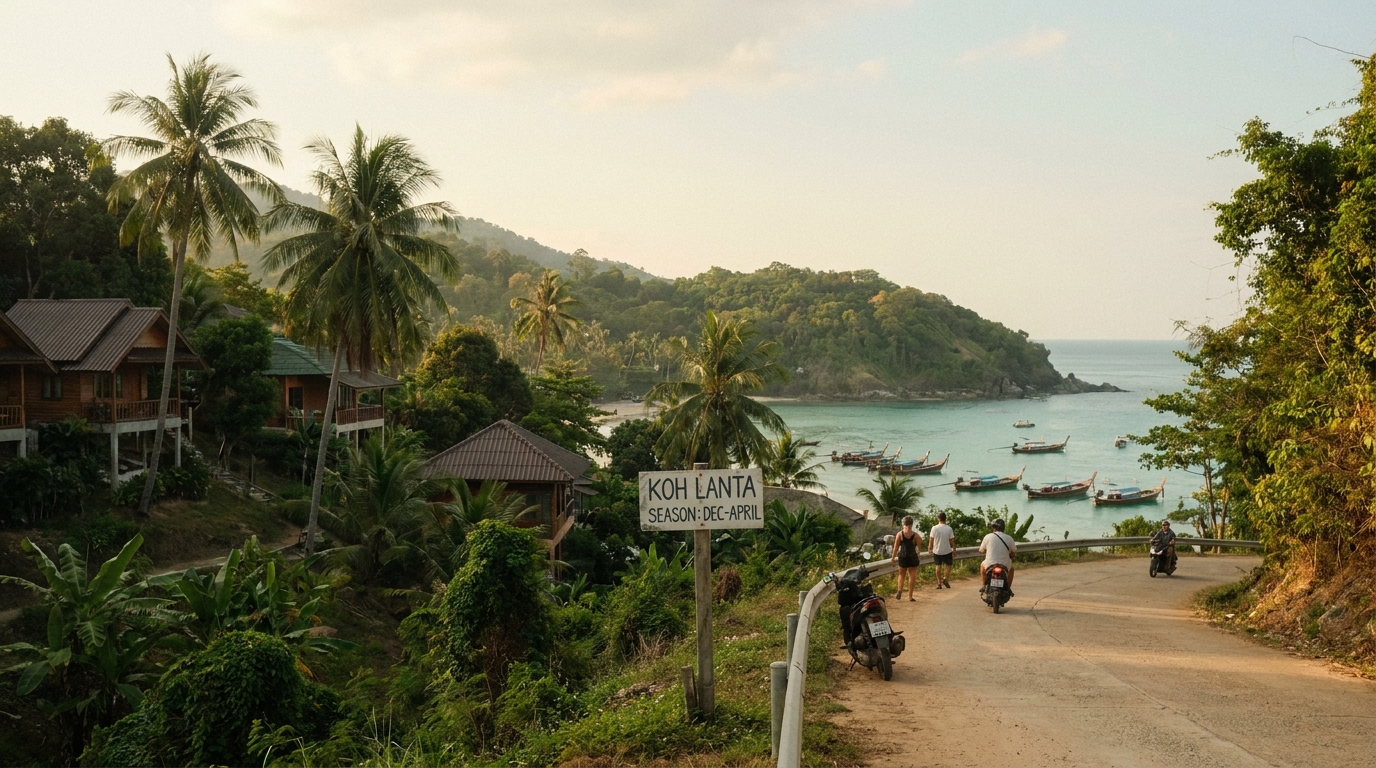
The divide is sharp: Koh Lanta doesn’t have a gradual “shoulder season” that transitions slowly. Most businesses close within a week of May 1 and reopen in November. Do not book without confirming your property is open.
Find your Koh Lanta hotel on the map
Live prices from Booking & Airbnb — tap a pin to compare stays around Long Beach (Phra Ae) and beyond.
Month-by-Month Breakdown

November — Shoulder Season Start (Recommended)
The island reopens from monsoon. Weather stabilizes through the month — early November can have residual rain and choppy seas, but by mid-month conditions are typically excellent. All hotels and restaurants are open, prices are 20–30% below December peak.
Best for: Divers who want uncrowded sites. Budget travelers who want full facilities at off-peak prices.
Diving: Hin Daeng/Hin Muang accessible from mid-November onward. Water clarity building but not yet at peak December levels.
Downsides: Early November still carries weather risk. Sea may be choppy on some days.
December — Peak Season Begins
The transition to full peak season. Christmas and New Year (Dec 25–Jan 5) see the highest prices and fullest hotels of the year. Book 6–8 weeks in advance for Long Beach and Kantiang Bay accommodation.
Weather: Excellent — dry, hot, calm seas. Water visibility at Hin Daeng reaches 20–30m.
Best for: Families, divers, first-time visitors who want guaranteed good weather.
Prices: 30–50% above November. Some properties at full occupancy over Christmas week.
January — Peak Season (Driest Month)
The driest month of the year. Statistically the lowest rainfall and most consistent sunshine. January is the safest weather bet for a Koh Lanta trip.
Weather: Excellent, slightly cooler than December (25–28°C daytime). Evenings comfortable without A/C.
Manta rays: January–March is the most reliable window for manta ray sightings at Hin Daeng — the main reason serious divers plan around this period.
Crowds: High season, but slightly less crowded than December.
February — Peak Season
Similar to January. Dry, sunny, excellent diving. Chinese New Year falls in January or February — can briefly increase Chinese tourist presence but overall impact on Koh Lanta is limited compared to Phuket.
Best for: Divers targeting manta rays. Families wanting predictable sunshine.
March — Late Peak / Start of Shoulder
Weather remains very good in March — still dry, still calm seas. Crowds thin slightly as European school holidays end. Prices begin to ease from peak.
Best for: The best combination of good weather and reduced crowds. Often the sweet spot for experienced travelers.
Diving: March is the last reliably excellent month for Hin Daeng/Hin Muang before seas start building.
April — Shoulder Season End (Recommended)
Weather is hot (30–32°C) but typically still dry and sunny. Songkran (Thai New Year) falls mid-April — celebrated across the island with water fights. Sea conditions remain acceptable for diving and island hopping.
Best for: Budget travelers who want warm weather with the fewest crowds of the open season.
Caution: Some smaller guesthouses and restaurants start closing late April. Confirm your booking.
Diving: Early April still good. Late April conditions can be variable as the monsoon approaches.
May–October — Monsoon (Avoid)
The island effectively closes. Hotels shut, dive shops close, restaurants close. The few properties that stay open operate at reduced capacity with limited menus. Seas are rough — boat trips to Koh Rok, Hin Daeng, or the Trang Islands are cancelled. A Koh Lanta trip in monsoon season is not recommended unless you have a specific reason (e.g., attending to a property you own on the island).
Why the shutdown is so complete: Koh Lanta’s tourism industry is built almost entirely on the west-facing Andaman Sea experience. The southwest monsoon hits the Andaman coast directly — waves up to 3m make beaches unusable and boat trips dangerous. Unlike Koh Samui (Gulf of Thailand, different monsoon pattern), there’s no “other side of the island” that stays sheltered.
Air Temperature by Month
The sea-temperature and rainfall patterns above tell part of the story; daytime air temperature is the other half of planning what to pack and when to schedule outdoor time, since a hot, sticky afternoon on land can still sit under a perfectly calm, diveable sea.
| Month | Typical daytime range |
|---|---|
| January | 28-32°C |
| February | 28-34°C |
| March | 30-35°C |
| April | 34-36°C |
| May | 30-34°C |
| June | 28-32°C |
| July | 27-31°C |
| August | 27-31°C |
| September | 27-30°C |
| October | 28-32°C |
| November | 28-32°C |
| December | 27-31°C |
April is the hottest month on land, even though it’s still inside the recommended dry-season window — pair the heat advice above with shade breaks and extra water if travelling then. September, within the monsoon window, is typically the wettest month of the year, with heavier rain and storms than the rest of the May-October stretch.
Best Time to Visit for Specific Activities
| Activity | Best months | Why |
|---|---|---|
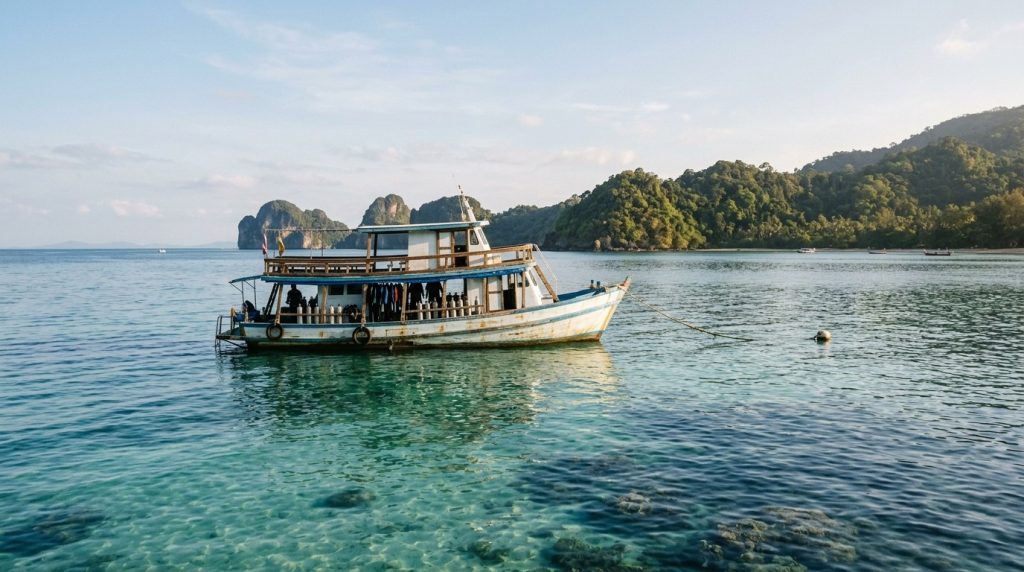
| Diving (Hin Daeng/Hin Muang) | January–March | Calm seas, peak manta ray sightings |
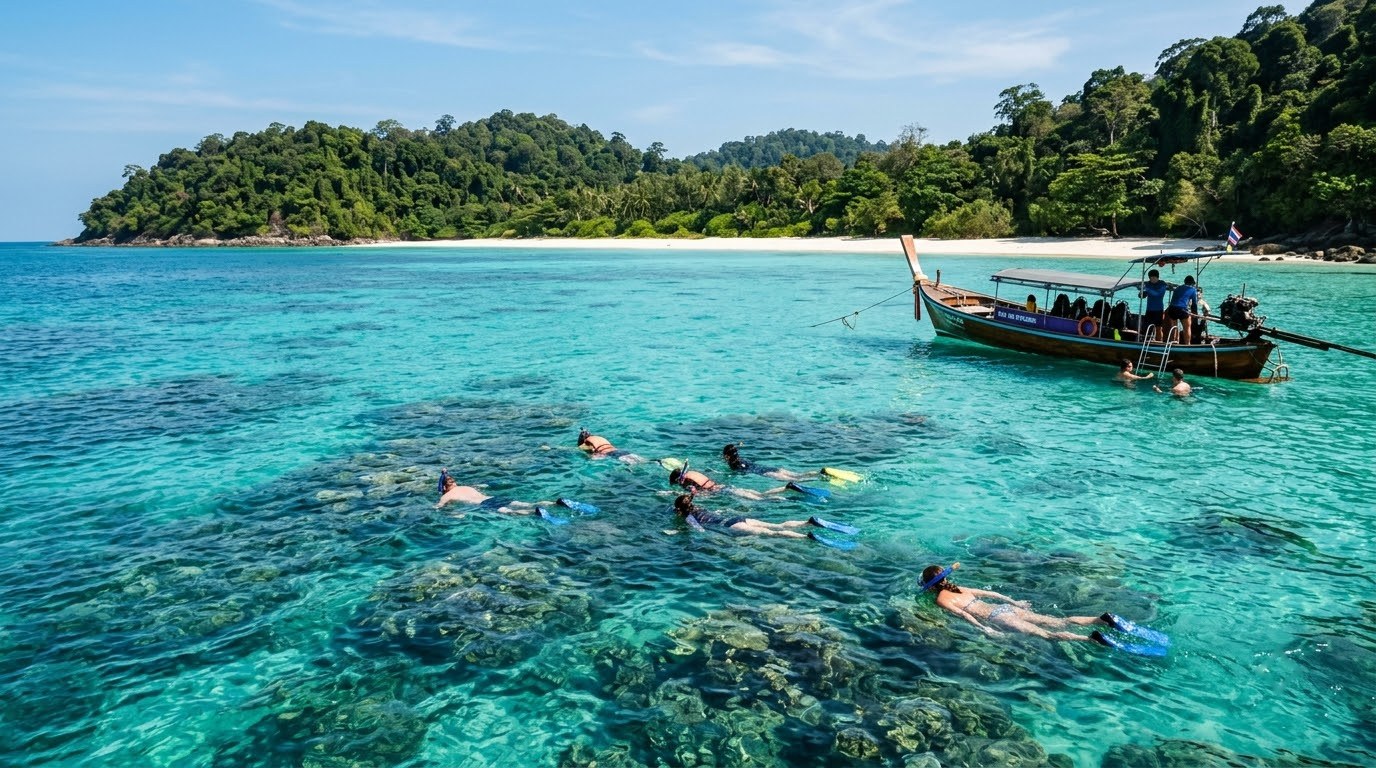
| Snorkeling (Koh Rok) | December–April | Clear water, calm seas |
| Budget travel | November, April | Full facilities, lowest in-season prices |
| Families | December–February | Guaranteed sun, calm water |
| Motorbike island loop | November–April | Dry roads, all attractions open |
| Avoiding crowds | November, April | Shoulder season |
Price Comparison: When to Go for Value

Koh Lanta’s “value window” is narrow but real. Early November and mid-April are the two moments when you get dry-season weather at monsoon-adjacent prices. A bungalow that costs 1,800 THB in January drops to 1,100 THB in late April.
The risk: late April has a small chance of early monsoon rain. But statistically, most late April stays on Koh Lanta are dry and sunny — the monsoon pattern is less precise than people assume.
| Period | Budget room | Mid-range room | Notes |
|---|---|---|---|
| Peak (Dec–Jan) | 1,200–2,000 THB | 2,500–5,000 THB | Book weeks ahead |
| High (Feb–Mar) | 1,000–1,800 THB | 2,000–4,000 THB | Good availability |
| Shoulder (Nov, Apr) | 700–1,200 THB | 1,500–3,000 THB | Best value |
| Monsoon | — | — | Most closed |
Flights and Ferries From Australia: Seasonal Availability
There’s no direct flight from Australia to Krabi, the gateway airport for Koh Lanta, so every route involves a connection.
Scoot connects via Singapore, AirAsia and Firefly connect via Kuala Lumpur, and Thai AirAsia and Bangkok Airways connect via Bangkok — all workable layover cities for an Australian departure, with Singapore or Kuala Lumpur usually the shorter overall routing.
From Krabi Airport, reaching Koh Lanta means a minivan-and-ferry combination or, increasingly, a minivan using the car ferry crossings, which run year-round regardless of season.
The seasonal catch is on the water, not in the air: during the May-October monsoon, smaller tour operators and passenger ferries reduce services or stop running boat trips altogether when seas are rough, as noted above. Flights into Krabi keep running through monsoon season — it’s the boat and tour side of the trip that scales back, not the flight connections that get Australians there in the first place.
What to Pack for Each Season
What belongs in the bag changes more with the season than with the month-to-month temperature swings shown above.
- Dry season (November-April): light, breathable clothing, reef-safe sunscreen, and a hat — April’s 34-36°C days are the hottest stretch, so add extra water and a cooling towel if travelling then
- Peak diving window (December-March): your own mask if you’re particular about fit, and a light wetsuit top for the Hin Daeng/Hin Muang boat rides, where the open-water breeze can be cool despite warm air temperatures
- Monsoon season (May-October): a proper rain jacket rather than a travel poncho, dry bags for electronics, and quick-dry clothing — expect to spend more time undercover given how few beach restaurants and bars stay open, as covered above
- Songkran (mid-April): clothing you don’t mind getting soaked, and a waterproof phone pouch if you’re out during the water-fight days
Across every season, pack reef-safe sunscreen specifically for the Koh Rok and Hin Daeng boat trips mentioned above, where you’ll spend the most time in the water.
Australian Travel Timing: Holidays and Daylight
Australian summer school holidays, roughly mid-December through late January, land squarely inside Koh Lanta’s peak season and its highest prices, as outlined above — book well ahead if travelling in that window with family.
The Easter break, which shifts year to year but usually falls in March or April, tends to overlap with the tail end of peak season or the start of the recommended April shoulder window, depending on the year — check the calendar for the specific year you’re booking rather than assuming it lines up with Songkran.
There’s no major time-zone adjustment to plan around: Thailand sits 1-4 hours behind Australia depending on the state and daylight saving, which is a minor factor compared with the seasonal weather and pricing swings covered above.
Frequently Asked Questions
What month is best for Koh Lanta?
January is the driest and most statistically reliable month. November and April offer the best value. For divers specifically targeting manta rays, December through March is the prime window.
Is November OK for Koh Lanta?
Yes — from mid-November, conditions are generally good. Early November carries some weather risk as the monsoon fully clears, but most years mid-November is dry and calm. All facilities are open for the season.
Can you visit Koh Lanta in May?
Possible, but not recommended. Most hotels, restaurants, and dive shops close in May. Seas are rough, making boat trips impractical. The few properties that stay open offer a very limited experience.
Is April a good time to visit Koh Lanta?
Yes — April has warm, typically dry weather, fewer crowds than peak season, and lower prices. The second half of April sees some properties closing, so confirm availability before booking.
Affiliate Disclosure: This post does not contain affiliate product links. For hotel bookings, see Where to Stay in Koh Lanta.
Sources:
1. Tourism Authority of Thailand — Koh Lanta seasonal information, 2025
2. Thai Meteorological Department — Krabi province weather data, 2025
3. Mu Koh Lanta Marine National Park — seasonal access, 2025