Ultimate Phuket Travel Guide 2026: Beaches, Budget & Beyond
By TravelguidestipUpdated 20 min readHow we earn
Hotel buttons open Stay22 (Booking.com, Agoda and others) and tour buttons open GetYourGuide. We may earn a commission at no extra cost to you.
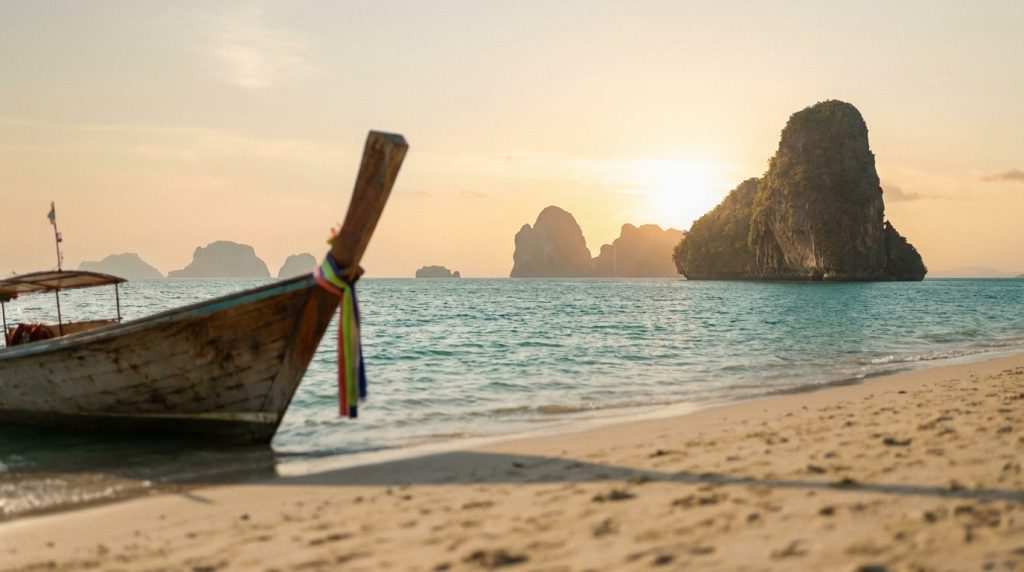
Quick answer: Phuket is Thailand’s largest island and the Andaman Sea’s main tourism hub, packing beaches, nightlife, Old Town heritage, and Phang Nga Bay island-hopping into 576 square kilometers. It works for every budget, from $8 hostels to $1,000 pool villas, so it suits backpackers, honeymooners, families, and digital nomads alike. Base yourself in lively Patong for nightlife, Kata or Karon for balanced beaches, or the quieter south around Rawai and Nai Harn for a calmer stay.
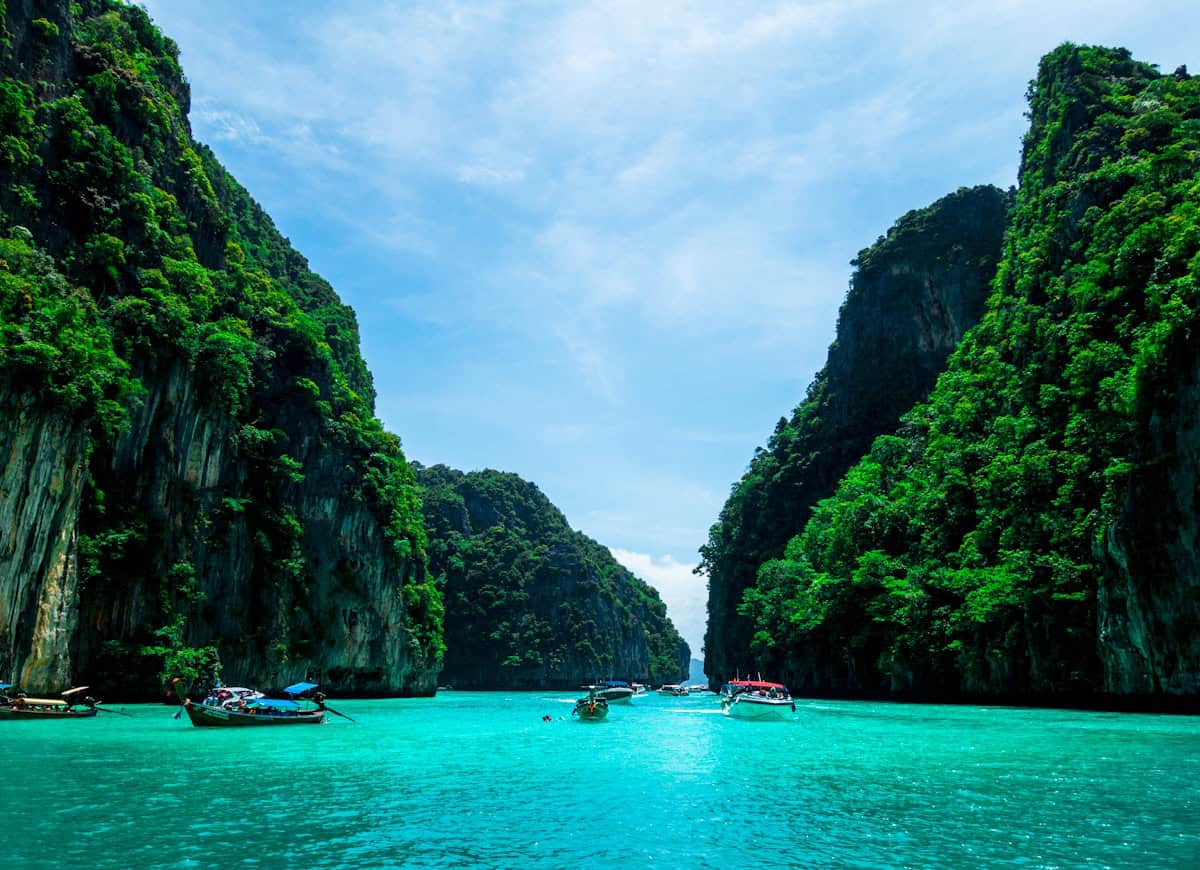
This Phuket travel guide covers everything you need to plan a trip in 2026. Thailand welcomed 32.97 million international visitors in 2025 (Wikipedia: Tourism in Thailand, 2025). Phuket sits at the heart of that wave. The island’s airport processed 17.2 million passengers in 2024, a 23% jump from the year before (Phuket Airport Authority, 2024).
What keeps pulling people back? Phuket packs more variety into 576 square kilometers than most countries manage across their entire coastline. You’ll find $8 hostels and $1,000-a-night pool villas on the same stretch of road. Night markets selling pad thai for 60 baht sit five minutes from Michelin-recognized restaurants.
This guide covers everything you need for a trip in 2026: beach picks, budget breakdowns, transport hacks, and food you shouldn’t miss. Whether you’re a backpacker stretching every baht or a honeymooner chasing the perfect sunset suite, we’ve organized it all by budget tier so you can skip to what matters.
Phuket rewards travelers who venture past Patong. The real magic hides in quieter southern beaches, Old Town’s Sino-Portuguese alleyways, and the islands scattered across Phang Nga Bay.
For a detailed day-by-day plan, check out our 5 days in Phuket itinerary with activities, restaurants, and transport mapped out.
Stay connected: grab a travel eSIM from Airalo before you go so you have data the moment you land.
What Makes Phuket Thailand’s Top Island Destination?
Any Phuket travel guide starts with the numbers. Phuket attracted 9.89 million visitors in 2019, ranking it 14th among the world’s most-visited cities (Wikipedia: Tourism in Thailand, 2019). That pre-pandemic benchmark keeps climbing back. International airport traffic hit 10.57 million passengers in 2024 alone. It’s Thailand’s largest island and the Andaman Sea’s undisputed tourism hub.
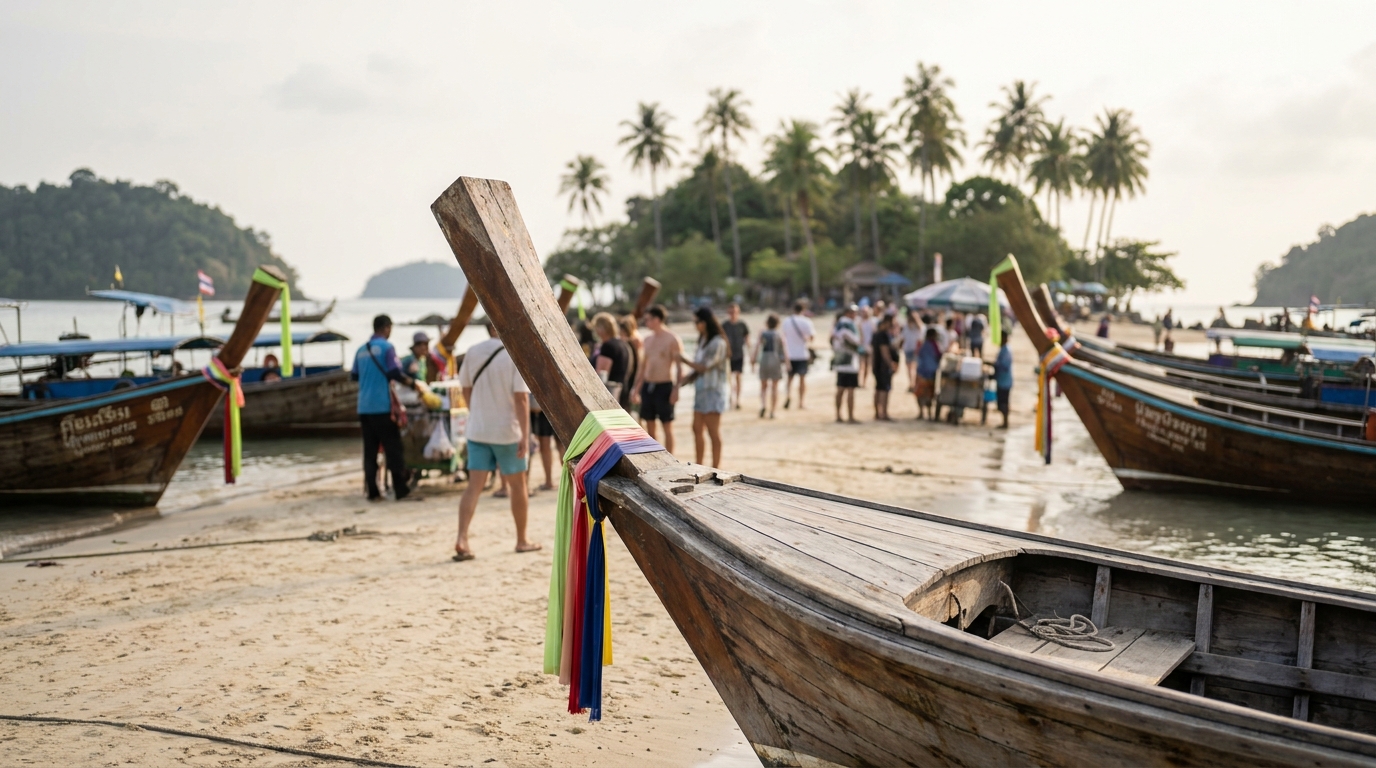
What sets Phuket apart from Koh Samui or Krabi? Scale and infrastructure. The island has a full international airport with direct flights from Europe, Australia, and across Asia. You won’t find that level of connectivity on any other Thai island.
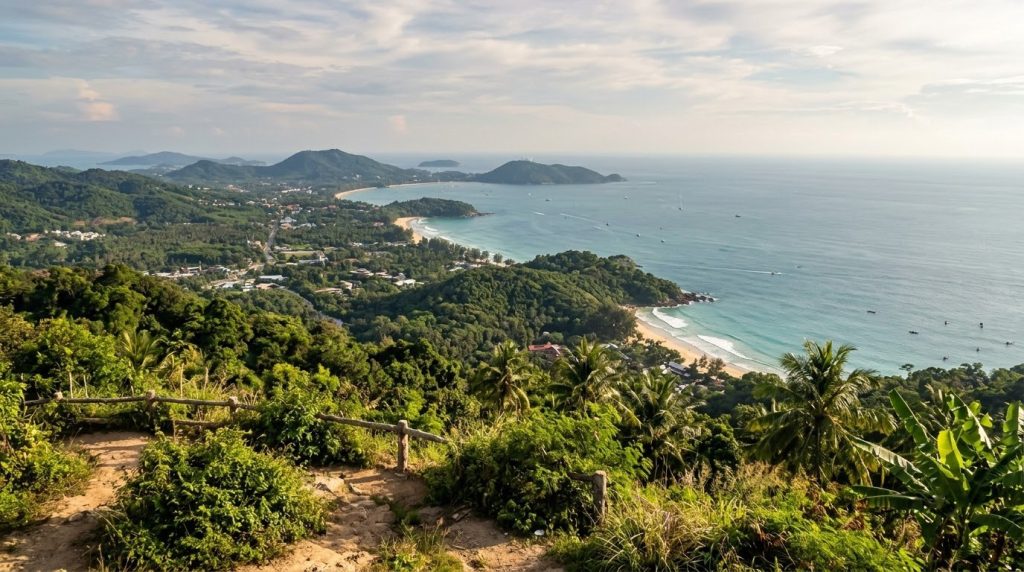
The west coast faces the open Andaman Sea, delivering the best sunsets and biggest waves. The east coast stays calmer, home to marinas, mangroves, and quieter residential areas. Between them sit jungle-covered hills, a historic Old Town, and more than 30 beaches, each with its own personality.
Here’s something most Phuket travel guides miss: Phuket works best as a gateway, not just a destination. From here, you can day-trip to Phi Phi Islands, Phang Nga Bay, the Similan Islands, and Krabi. Think of it as your base camp for the entire Andaman coast.
Don’t confuse Phuket Town with the beach zones, though. They’re separate worlds. The town is heritage architecture and local food. The beaches are resort territory. Many first-timers stick to Patong and miss the rest. That’s a mistake every Phuket travel guide warns against.
With 60+ airlines serving Phuket International Airport (Wikipedia: Phuket Airport, 2024), getting here has never been easier. Direct connections from Singapore, Kuala Lumpur, Shanghai, and dozens of European cities mean competitive fares year-round.
Wondering how different areas compare? Read our Patong vs Kata vs Karon breakdown to find your ideal beach zone.
Watch: Traveler’s Video Guide to Phuket
Get a visual preview of what to expect. This traveler vlog showcases highlights that complement our written guide below:
When Is the Best Time to Visit Phuket?
November through February is Phuket’s dry season, with monthly rainfall dropping to just 24-82mm and temperatures around 32-34 degrees Celsius (Thai Meteorological Department, 2024). These four months deliver the clearest skies, calmest seas, and best conditions for beach days and island hopping.
But does that mean you should skip the rest of the year? Not necessarily. This section of the Phuket travel guide breaks down each season’s trade-offs.
Peak Season (November-February)
This is when Phuket shines. Literally. Expect sunshine most days, calm Andaman waters, and comfortable humidity around 74-79%. February is the driest month at just 24mm of rain. Hotel prices peak during Christmas and New Year, but January and February offer excellent weather at slightly lower rates.
Late January hits the sweet spot: dry weather, post-holiday prices, and thinner crowds than December.
Shoulder Season (March-May)
March stays reasonably dry at 80.7mm of rainfall. April and May mark the transition, with temperatures hitting their annual peak of 34.4 degrees in March. April brings Songkran, Thailand’s famous water festival. It’s hot. Really hot. But hotel prices drop 20-30% from peak, and the beaches aren’t packed.
Monsoon Season (June-October)
September is the wettest month at 350.4mm, averaging 19 rainy days. Sounds rough, right? Here’s the thing: monsoon rain in Phuket usually hits in intense afternoon bursts. Mornings are often clear. Hotel prices drop 40-60% from peak season, and the island feels more authentically Thai without the crowds.
West coast beaches can have strong currents and red-flag warnings during this period. East coast stays calmer, and indoor activities like Old Town exploring, cooking classes, and spa days don’t care about rain.
Phuket receives 2,271.5mm of annual rainfall across 146 rainy days (Thai Meteorological Department, 2024). That sounds like a lot, but tropical rain comes and goes fast. Don’t let it scare you off the low-season deals — our Phuket travel guide recommends shoulder months for the best value.
Not sure what to pack? Our Phuket packing list covers essentials for every season, from monsoon rain gear to dry-season reef shoes.
How Much Does a Phuket Trip Cost in 2026?
Budget planning is the backbone of any Phuket travel guide. Estimated monthly costs for a single person in Phuket run about 22,646 baht ($647) excluding rent (Numbeo, 2026). Daily budgets range from $30 for backpackers to $500+ for luxury seekers. The beauty of Phuket is that it genuinely works at every price point.
Budget Travelers ($30-50/Day)
Phuket won’t win cheapest-in-Thailand awards, but it’s still very doable on a tight budget. Hostel dorms run $8-15 per night. Street food meals cost $1-3, and a basic restaurant meal averages around 200 baht ($5.70). Songthaew shared trucks charge just $1-2 per ride. Skip the cocktail bars and you’ll stretch every dollar.
Where to save the most? Accommodation. Book a fan-cooled room in Phuket Town instead of beachfront, and you’ll cut costs by 40-50% while landing closer to the best local food.
Mid-Range Travelers ($80-150/Day)
This is the sweet spot for most visitors. A comfortable 3-star hotel with a pool costs $40-80 per night. Restaurant dinners for two run about 1,350 baht ($38.50). Grab rides average $3-10 per trip, and a full-day island hopping tour costs about 1,000 baht ($29).
You’ll eat well, stay comfortably, and still have budget for 2-3 activities per day. This tier gives you 90% of the Phuket experience at 30% of the luxury price.
Luxury Travelers ($250-500+/Day)
Five-star beachfront resorts start around $150-400+ per night. Fine dining runs $30-80 per meal. Private longtail boat charters, yacht tours, and exclusive spa treatments fill the rest. Phuket has some of Southeast Asia’s best luxury properties, many with private beach access and infinity pools overlooking the Andaman.
Money-Saving Tips
- Eat where locals eat. Phuket Town’s street markets beat beach road restaurants on both price and quality.
- Travel in shoulder season. March and November offer decent weather at 20-30% lower hotel rates.
- Use Grab, not tuk-tuks. Tuk-tuk drivers in tourist areas rarely use meters. Grab shows the price upfront.
- Book activities through GetYourGuide. Compare Phuket tours on GetYourGuide before paying walk-up rates.
- Stay inland. A 10-minute drive from the beach can save 50% on accommodation.
A cappuccino in Phuket averages 101 baht ($2.90), and a domestic beer at a restaurant runs about 70 baht ($2), per Numbeo’s March 2026 data (Numbeo, 2026). Compare that to Bali, where similar items cost 15-20% more, and Phuket’s value proposition becomes clear.
Want a detailed cost breakdown? Read our full Phuket travel budget and find out is Phuket expensive compared to other destinations.
Which Phuket Beaches Should You Visit?
No Phuket travel guide would skip the beaches. Phuket’s west coast holds more than 30 beaches spread across 50 kilometers of Andaman coastline. Each attracts a different crowd. Patong draws nightlife seekers; Freedom Beach rewards those willing to hike.
Patong Beach
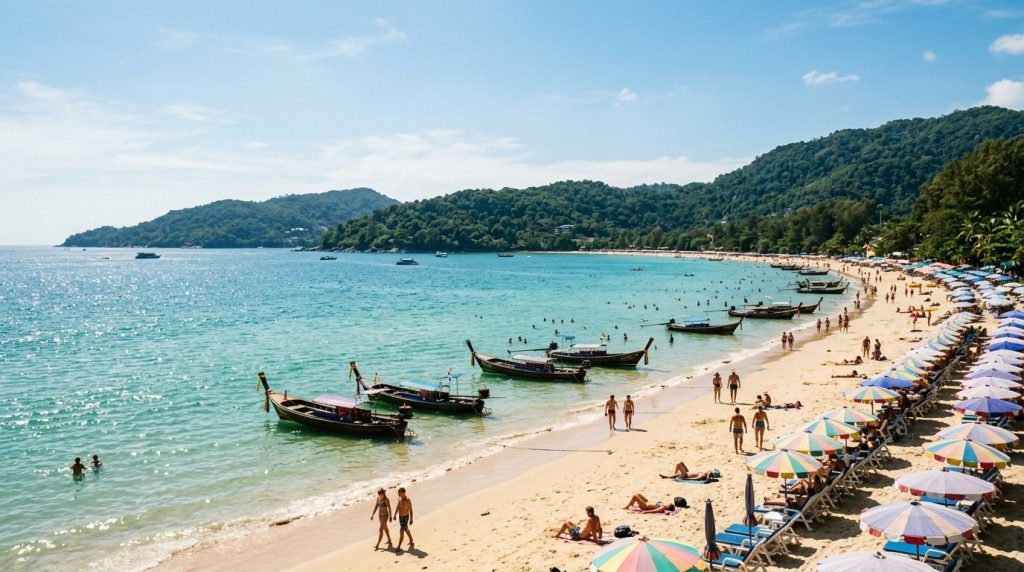
Patong is Phuket’s busiest beach and the center of its nightlife. Bangla Road comes alive after dark with bars, clubs, and street performers. The beach stretches about 3.5 kilometers with every water sport imaginable. If you want quiet, this isn’t it. If you want convenience and action, nowhere beats Patong. If you settle on Patong, our shortlist of the best hotels in Patong covers each budget.
Kata Noi Beach
Smaller and calmer than neighboring Kata Beach, Kata Noi works well for families and couples. Swimming is generally safe with a gradual slope into the water. A handful of beachfront restaurants keep things relaxed. This tends to be where travelers who “don’t like Phuket” end up loving it.
Freedom Beach
Getting here requires a 15-minute jungle hike or a longtail boat from Patong. That barrier keeps crowds thin and water pristine. White sand, turquoise water, almost no development. Bring your own snacks and water. There’s one small vendor, and that’s it.
Nai Harn Beach
Tucked into Phuket’s southern tip, Nai Harn draws a local crowd alongside tourists. Snorkeling is excellent along the rocky edges. A lake behind the beach connects to Nai Harn Monastery, adding character you won’t find at busier spots. Parking fills up on weekends.
Surin Beach
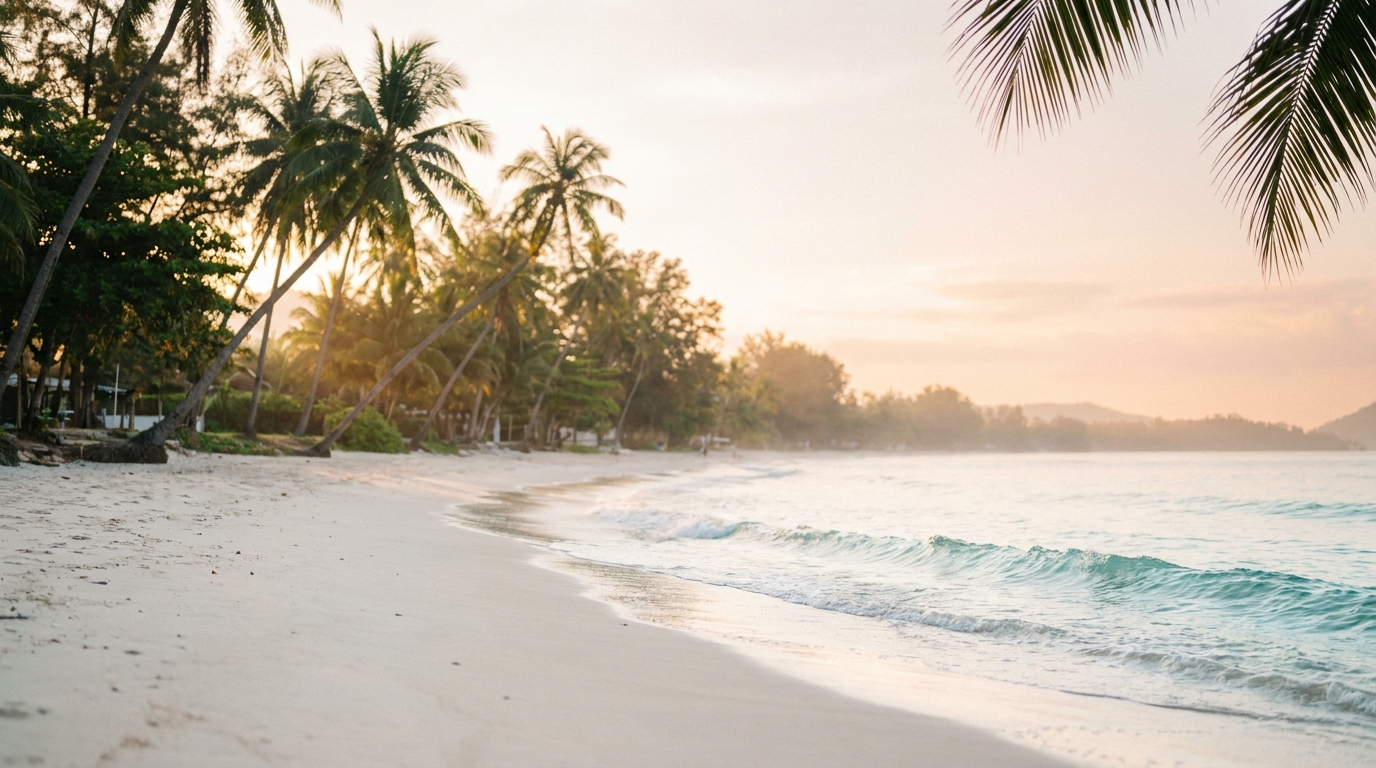
Surin attracts the upscale crowd without the Patong chaos. Beach clubs line the shore, sunset cocktails are practically mandatory, and the sand is some of the finest on the island. Swimming conditions change seasonally, so check the flags before wading in.
Explore all 30+ options in our complete guide to the best beaches in Phuket, including a few hidden gems most tourists miss.
What Are the Top Things to Do in Phuket?
Activities make or break a Phuket travel guide. Thailand’s tourism industry contributed approximately 17.7% of the country’s GDP pre-pandemic, with a government target to push that to 30% by 2030 (Wikipedia: Tourism in Thailand, 2019). Phuket’s activity scene is a big reason why. The island offers far more than beach lounging.
Island Hopping
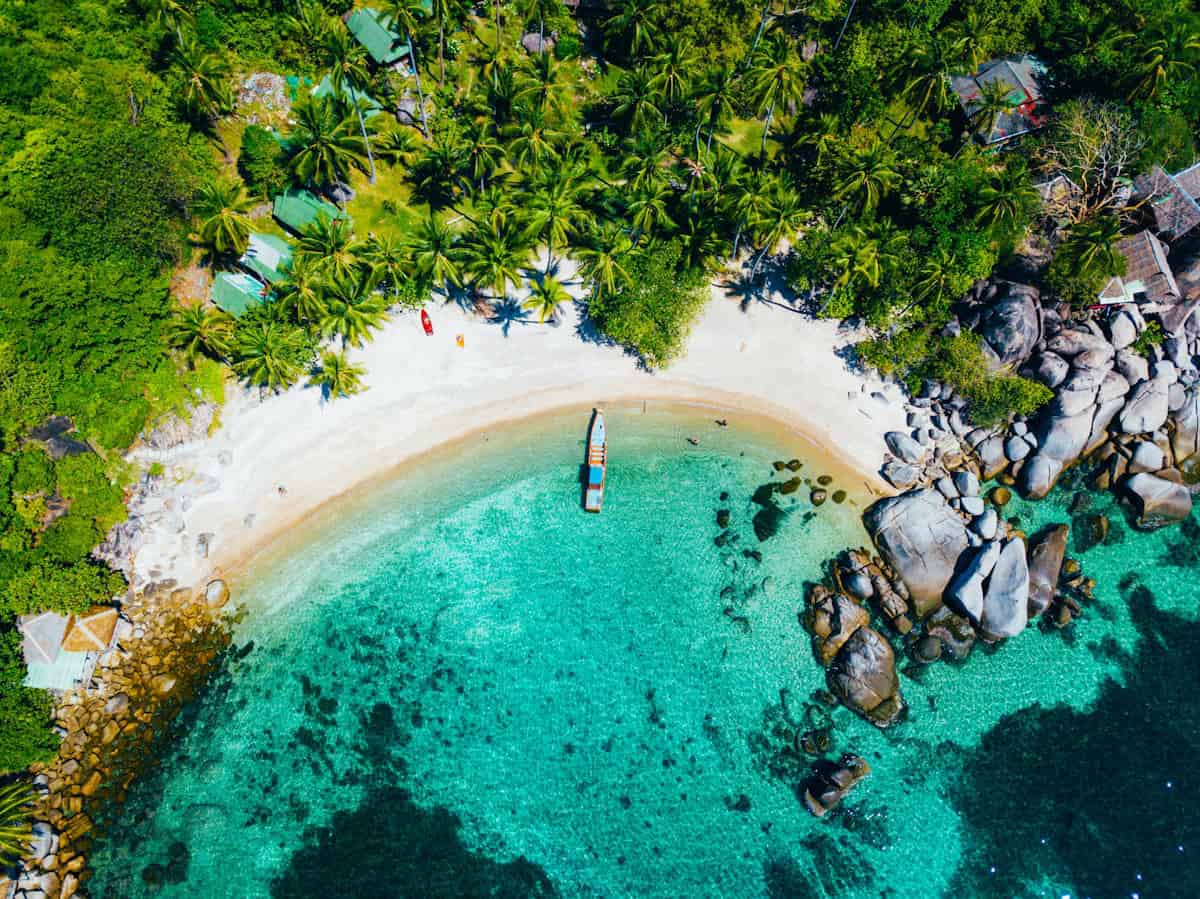
This is the must-do. Phi Phi Islands sit about 45 minutes away by speedboat. Maya Bay, the famous cove from “The Beach,” reopened with daily visitor caps to protect coral. James Bond Island in Phang Nga Bay is touristy but worth seeing once. For serious divers, the Similan Islands (open November-May) offer some of the best underwater visibility in Southeast Asia.
Full-day island hopping tours run 1,500-3,000 baht ($43-86) per person. Private longtail boat charters cost 3,000-5,000 baht for small groups, splitting nicely among 4-6 people.
Big Buddha and Wat Chalong
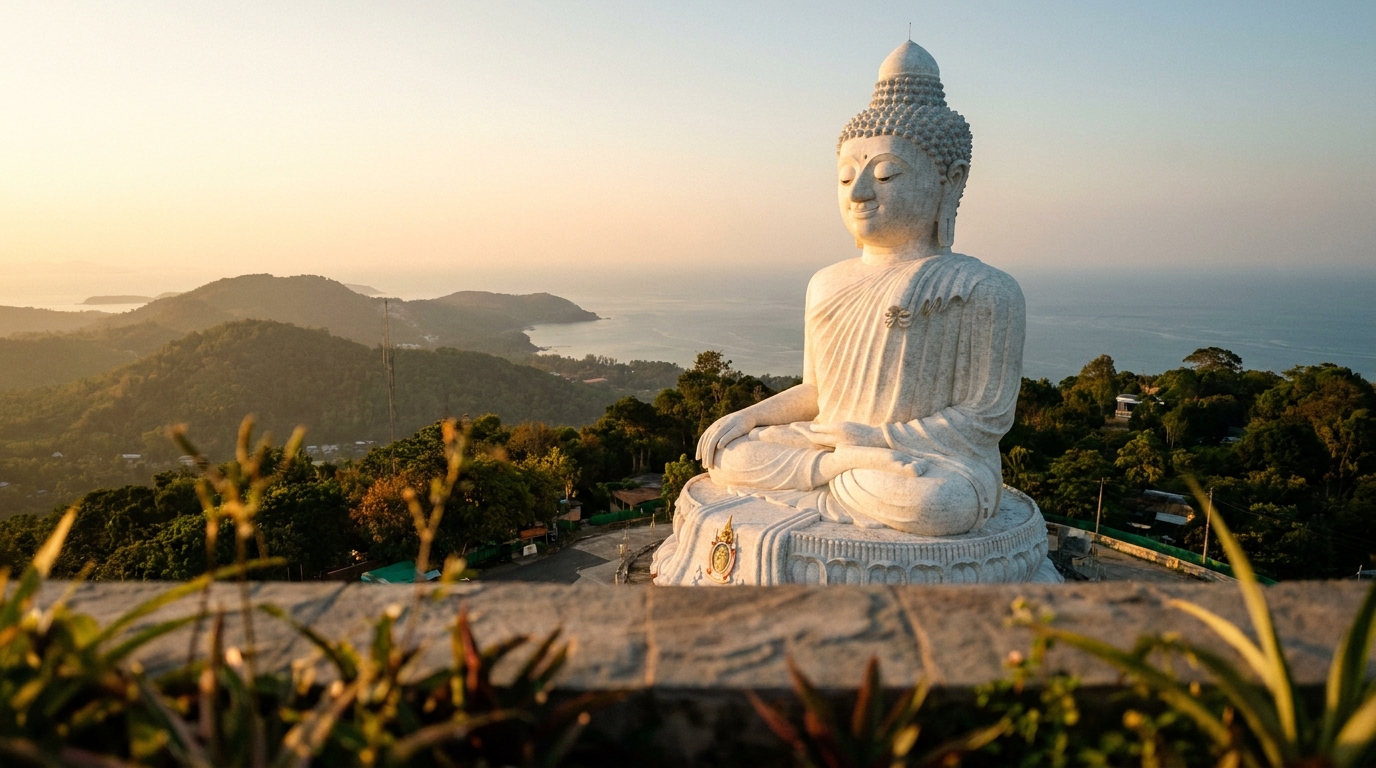
The 45-meter Big Buddha statue on Nakkerd Hill is visible from half the island. Free to visit. Wrap up in modest clothing (free sarongs at the entrance) and go before 10am to beat the crowds. Wat Chalong, Phuket’s most important Buddhist temple, sits at the base of the hill. Both combine easily into a half-day trip.
Old Town Phuket
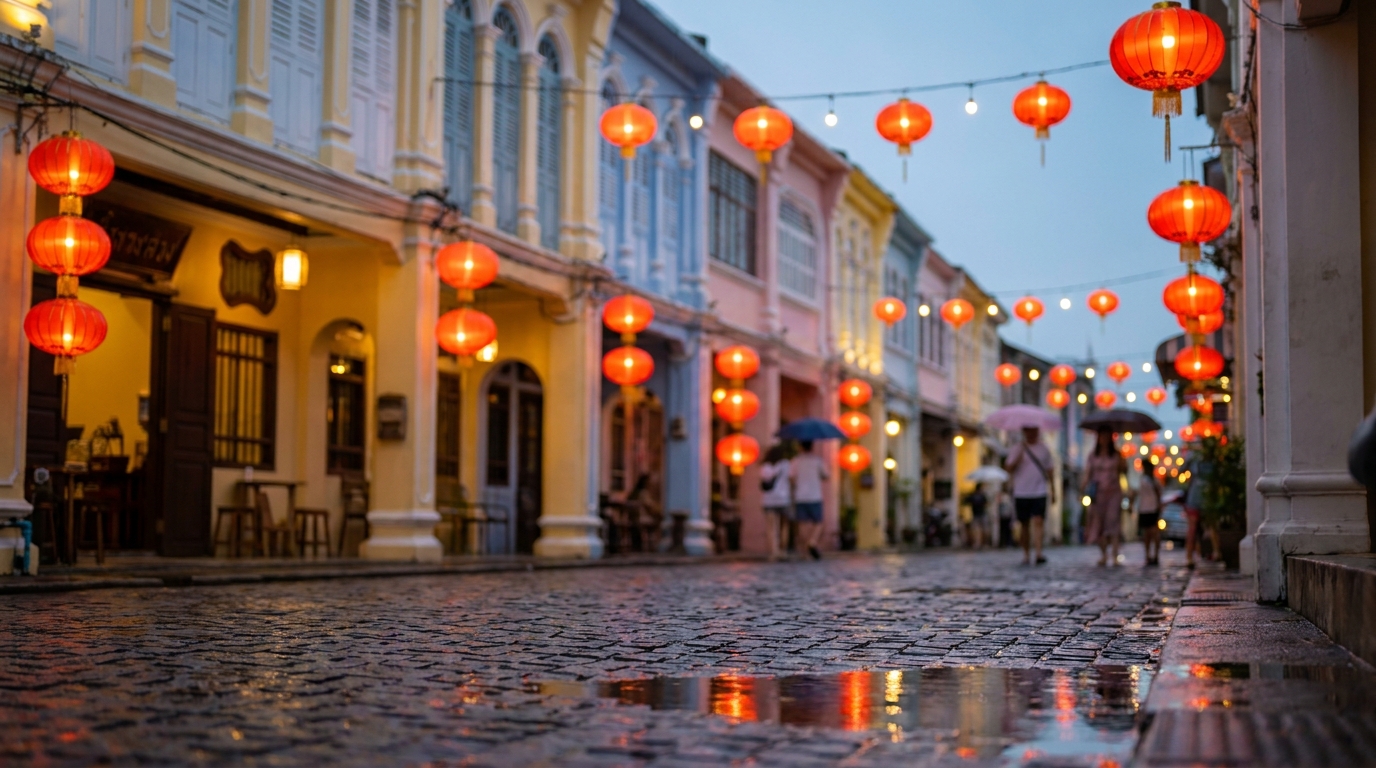
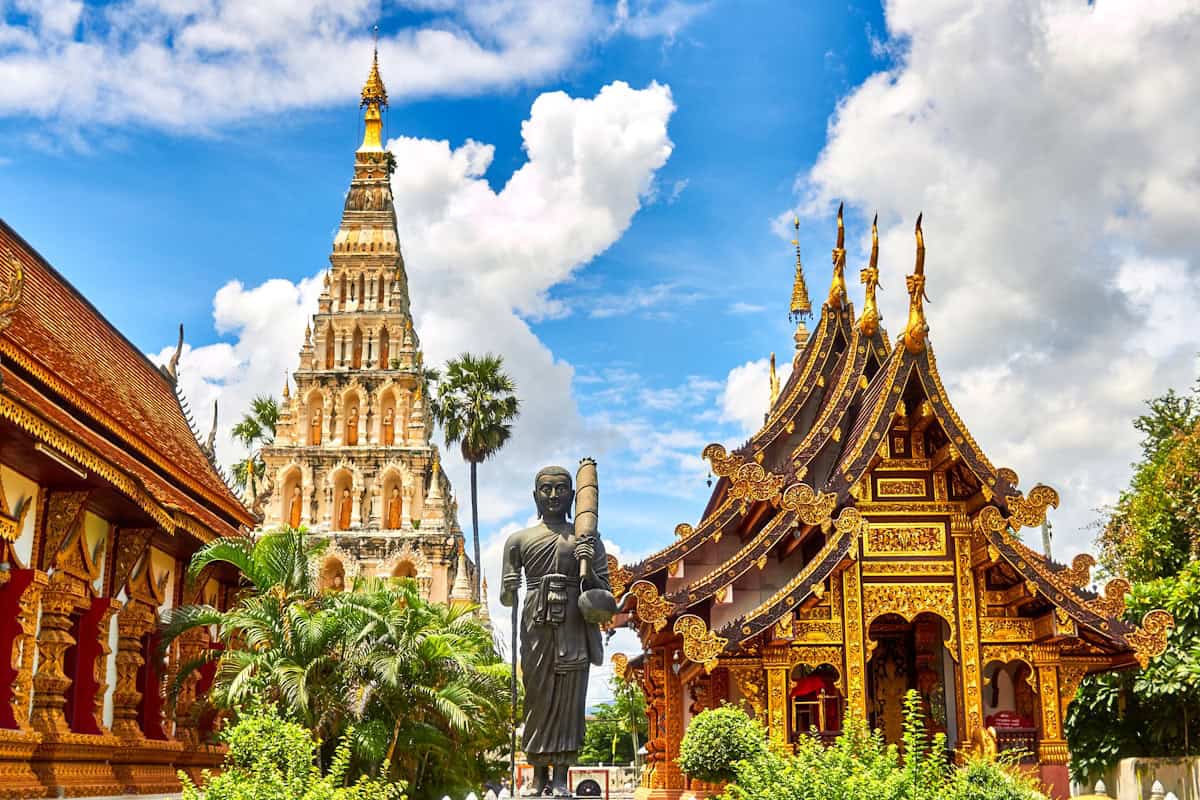
Sino-Portuguese shophouses painted in pastels line the streets of Soi Romanee and Thalang Road. Sunday walking street markets (4-9pm) fill the area with food stalls, live music, and local crafts. The street art scattered through the neighborhood makes for great photos. This area feels nothing like the beach zones. It’s quieter, more cultural, and the food is genuinely better.
From what we’ve seen, travelers who spend at least one evening in Old Town come away with a completely different impression of Phuket than those who stay beachside the entire trip. The town has soul.
Other Top Activities
- Thai cooking classes ($25-50 per person): learn to make pad thai, green curry, and mango sticky rice
- Muay Thai: watch a fight at Patong Boxing Stadium or try a beginner class
- Night markets: Naka Weekend Market and Chillva Market for local goods and street food
- Elephant sanctuaries: ethical, no-riding sanctuaries like Phuket Elephant Sanctuary
- Snorkeling and diving: PADI open water courses start around $300-400
How many of these can you fit in a week? More than you’d think. Use this Phuket travel guide to mix beach days with activity days for the best balance.
For more, see our full Phuket bucket list: 20 best things to do and the best tours in Phuket for booking tips.
Browse our top picks for best day trips from Phuket, including Phi Phi, Phang Nga Bay, and Similan Islands.
How Do You Get Around Phuket?
No Phuket travel guide is complete without mentioning transport. Phuket International Airport processed 103,675 aircraft movements in 2024, an 18.75% increase from the previous year (Wikipedia: Phuket Airport, 2024). Getting to the island is easy. Getting around it? That’s where planning helps.
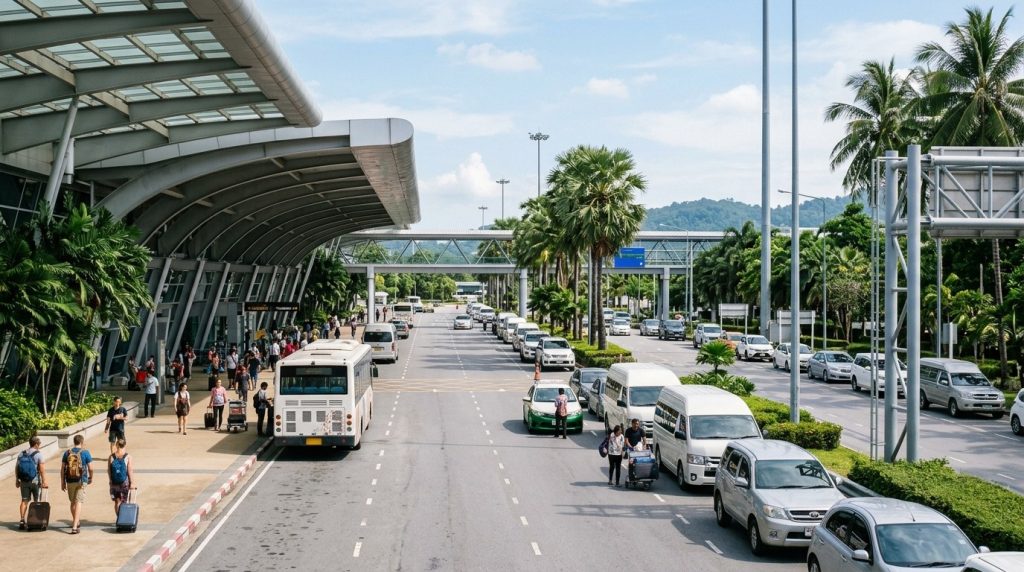
Grab is your best friend here. The ride-hailing app works across Phuket and gives upfront pricing. Airport to Patong runs about 600-800 baht ($17-23). Compare that to the taxi counter inside the airport, which charges fixed rates of 800-1,200 baht for the same routes.
Transport Options Compared
Grab: Most reliable option. Air-conditioned, metered, receipts provided. Works for short and long distances. Download the app before you land.
Tuk-tuks: Phuket tuk-tuks are nothing like Bangkok’s. They’re red trucks or modified pickups. Drivers don’t use meters and often quote inflated prices. Always agree on a fare before getting in. Short trips should cost 200-400 baht.
Songthaew (shared trucks): The cheapest option. Blue or pink trucks run fixed routes along the coast for 30-50 baht per person. Slow and irregular, but perfect if you’re not in a hurry. The main route connects Phuket Town to the beaches.
Scooter rental: About 250-350 baht per day. Convenient and popular, but Phuket’s hilly roads and aggressive traffic make it riskier than it looks. Wear a helmet (it’s the law, 500 baht fine without one) and carry your international driving permit.
Car rental: From 800-1,500 baht per day with insurance. Makes sense for groups or families planning multi-beach days. Driving is on the left. Roads are decent but hilly with blind curves.
The single biggest transport mistake tourists make is not having Grab installed before arrival. Airport taxi counters charge 30-50% more than Grab for the same routes, and tuk-tuk negotiation wastes time and energy.
Read our detailed guide on airport transfers for step-by-step instructions from landing to hotel check-in.
Find your Phuket hotel on the map
Live prices from Booking & Airbnb — tap a pin to compare stays around Patong and Kata Beach and beyond.
Where Should You Stay in Phuket?
Phuket’s daytime walking safety rates 83.07 out of 100, categorized as “Very High” (Numbeo, 2025). The island is generally safe across all areas, so your choice of neighborhood comes down to what kind of trip you want. For scams, road risks and areas to watch, read is Phuket safe.
Patong
Best for: nightlife, first-timers, solo travelers. The most developed area with the widest range of accommodation, from $10 hostels to major resort chains. You can walk to restaurants, bars, shopping, and the beach. The trade-off? Noise. Patong doesn’t sleep.
Kata and Karon
Best for: families, couples, mid-range travelers. These neighboring beaches sit about 20 minutes south of Patong. Cleaner, quieter sand. Plenty of family-friendly resorts with pools. Restaurants and shops within walking distance, but nightlife stays low-key.
Rawai and Nai Harn
Best for: repeat visitors, long-stay travelers, local vibes. The southern tip of Phuket feels residential. Rawai’s seafood market on the waterfront is a must. Nai Harn Beach is gorgeous. Fewer tourists, more expats. You’ll need transport (scooter or Grab) to get around.
Kamala and Surin
Best for: honeymooners, luxury seekers, quiet relaxation. Kamala is home to several five-star resorts. Surin has upscale beach clubs. Both areas are quieter than Patong with a more refined atmosphere. Limited budget options here.
Phuket Old Town
Best for: culture lovers, food enthusiasts, digital nomads. Heritage architecture, the best local food on the island, coffee shops, and co-working spaces. No beach within walking distance (15-20 minutes by motorbike), but you’ll eat better and spend less than anywhere else.
Which area sounds right for your trip style?
Read our in-depth guide on where to stay in Phuket and our head-to-head Patong vs Kata vs Karon comparison.
What Should You Eat in Phuket?
Food is a highlight of any Phuket travel guide. An inexpensive restaurant meal in Phuket averages 200 baht ($5.70), while a mid-range dinner for two runs about 1,350 baht ($38.50) (Numbeo, 2026). Those prices help explain why Phuket’s food scene punches so far above its weight. The island has its own cuisine, distinct from Bangkok or northern Thai food.
Must-Try Local Dishes
Mee Hokkien Phuket: Thick yellow noodles in a rich, slightly sweet broth with pork and shrimp. It’s Phuket’s signature dish and you’ll find it at street stalls across Old Town. Don’t leave without trying it.
Oh Tao (Oyster Omelet): Crispy-edged egg pancake loaded with fresh oysters. Sounds simple, tastes incredible. Best found at the night markets.
Roti: Phuket-style roti is flaky, buttery, and served with condensed milk, banana, or egg. The Muslim community here perfected this over generations. Street stalls near the mosques sell the best versions.
Fresh Seafood: Rawai seafood market lets you pick live seafood from vendors, then walk it to a cooking stall next door. They’ll grill, fry, or steam it however you like. A full seafood dinner for two costs 500-1,000 baht ($14-29).
Where to Eat by Budget
Street food ($1-3/dish): Old Town walking street markets, Chillva Market, and stalls along Ranong Road serve authentic local food at local prices. This is where the best flavors hide.
Mid-range restaurants ($5-15/dish): Beach road restaurants in Kata and Karon serve reliable Thai and international food. Look for places full of locals, not just tourists.
Fine dining ($30-80/dish): Phuket has earned Michelin recognition, with several restaurants now starred or recommended. PRU at Trisara Resort and Bampot Kitchen stand out for creative, locally-sourced menus.
Food Safety Tips
Stick to busy stalls (high turnover means fresh food). Avoid ice from buckets sitting in the sun. Drink bottled water. That said, food poisoning in Phuket is less common than you’d expect — a real concern for first-timers, but competition keeps vendors accountable.
Don’t miss the best sunset spots in Phuket and our list of instagrammable places in Phuket for photo-worthy locations.
Digital Nomad Phuket Travel Guide
Thailand’s Destination Thailand Visa (DTV) launched in mid-2024, offering a 5-year multiple-entry visa with 180-day stays per entry, extendable to 360 days (ExpatDen, 2025). The fee is 10,000 baht ($286), and applicants need to show 500,000 baht ($14,286) in funds. It’s built for remote workers and digital nomads.
Phuket’s co-working scene has grown fast. Spaces like Garage Society in Cherngtalay and Common Ground at Central Phuket offer day passes from 300-500 baht. Internet speeds average 50-100 Mbps at most locations, with fiber in newer developments.
Monthly costs for a digital nomad in Phuket break down roughly: apartment rent 15,000-25,000 baht ($430-715), co-working 3,000-5,000 baht ($86-143), food 8,000-12,000 baht ($229-343), transport 2,000-4,000 baht ($57-114). Total: $800-1,300/month for a comfortable life with beach access. That’s hard to beat globally.
Basic utilities for an 85-square-meter apartment run about 3,706 baht ($106) per month, and internet costs around 592 baht ($17) monthly (Numbeo, 2026).
Check out our complete Phuket travel cost breakdown for monthly expenses in every category.
Phuket Travel Guide: Essential Apps and Resources
These apps will make your Phuket trip smoother — and any good Phuket travel guide will tell you to install them before landing:
- Grab: Ride-hailing and food delivery. Your go-to for getting around without overpaying.
- Agoda: Best hotel deals in Southeast Asia, especially for last-minute bookings.
- GetYourGuide: Activities and tours. Book island hopping and cooking classes on GetYourGuide.
- Google Maps (offline): Download the Phuket map before you arrive. Cell data can be spotty in remote areas.
- XE Currency: Real-time THB/USD conversion so prices never surprise you.
- LINE: Thailand’s dominant messaging app. Many hotels and tour operators use LINE rather than WhatsApp.
For travel insurance, look for policies that specifically cover motorbike accidents (many standard policies exclude them). World Nomads and SafetyWing both offer Thailand-specific coverage starting around $40-60 per month.
How to Plan Your First Phuket Trip: A Quick-Start Guide
Not sure where to start? This three-step framework covers the basics:
Step 1: Book flights and check visa requirements. Australians and most other eligible nationalities now get 30 days visa-free (cut from 60 on 15 September 2026). For longer stays, apply for the DTV. Search flights on Google Flights or Skyscanner.
Direct flights from major Asian hubs tend to be cheapest; European routes often connect through Bangkok or Singapore. You can compare flights on Aviasales to find the cheapest dates and routes.
Step 2: Choose your area and accommodation. Match your travel style to a neighborhood (see the “Where Should You Stay” section above). Book 2-3 weeks in advance during peak season. Low season? You can often book same-week and get better rates.
Step 3: Plan 3-5 must-do activities. Don’t overschedule. Pick a mix: one island hopping day, one cultural day (Old Town and temples), one pure beach day, and one food-focused evening. Leave gaps for spontaneous discoveries. Phuket rewards flexibility.
Grab our Phuket travel checklist to make sure you don’t miss anything before departure, and see the best time to visit Phuket for month-by-month details.
Frequently Asked Questions
Is Phuket safe for solo travelers?
Yes. Phuket’s daytime walking safety rates 83.07 out of 100, categorized as “Very High,” with mugging concerns rated “Low” at 37.85 (Numbeo, 2025). Common sense applies: avoid unlit roads late at night, watch your drinks in bars, and use Grab instead of unlicensed taxis. Solo female travelers generally report feeling safe across most areas.
Do you need a visa for Thailand in 2026?
Most nationalities, including Australians, now get 30 days visa-free (cut from 60 days on 15 September 2026), extendable once by 30 days. Citizens from the US, UK, EU, Australia, and many Asian countries can enter without pre-arrangement. For stays beyond 60 days, the DTV costs 10,000 baht ($286) and allows up to 360 days with extensions (ExpatDen, 2025). Always double-check current requirements before booking.
Is Phuket expensive compared to other Thai islands?
Phuket runs about 15-25% pricier than Koh Samui or Krabi for similar accommodation. But budget travelers can still manage $30-50/day. A basic restaurant meal averages 200 baht ($5.70) and hostels start at $8/night (Numbeo, 2026). The infrastructure and flight connectivity often offset the small premium.
Can you drink the tap water in Phuket?
No. Stick to bottled water, which costs about 10-15 baht ($0.30-0.40) per 1.5-liter bottle at any convenience store. Ice at established restaurants is typically factory-made and safe. Ice from buckets at street stalls is a gamble. Most hotels provide complimentary bottled water daily.
How many days do you need in Phuket?
Five to seven days hits the sweet spot. That gives you time for 2 beach days, 1 island hopping trip, 1 cultural day (Old Town and temples), and 1-2 days for food tours, spa visits, or diving. Weekend warriors can do a worthwhile 3-day trip focused on one area, but you’ll leave wanting more.
Is Phuket good for families with kids?
Absolutely. Kata and Karon beaches have gentle waves and lifeguards during peak season. Family resorts with kids’ clubs are plentiful. Phuket Aquarium, Splash Jungle waterpark, and elephant sanctuaries keep children entertained. Many restaurants have kids’ menus, and baby gear rental services also operate on the island.
What’s the best way to get from Bangkok to Phuket?
Fly. Direct flights take about 1 hour 20 minutes and cost 1,200-4,000 baht ($34-115) on budget carriers like AirAsia, Nok Air, and Thai Lion Air. Book 2-4 weeks in advance for the best fares. Buses and trains take 12-14 hours and aren’t worth it unless you’re on an extremely tight budget with time to spare.
Conclusion
Phuket earned its place as Thailand’s top island for good reason. As this Phuket travel guide shows, with 17.2 million airport passengers in 2024 and growing, the island keeps attracting travelers across every budget level. Whether you’re here for $30-a-day backpacking, mid-range beach hopping, or a luxury resort retreat, the infrastructure supports it all.
The key to a great Phuket trip? Get past Patong. Explore the southern beaches. Spend an evening in Old Town. Take a boat to Phi Phi or Phang Nga Bay. The island’s depth surprises nearly everyone who gives it more than a surface-level visit.
Thailand’s 2026 tourism push means new flights, better infrastructure, and competitive hotel pricing. If Phuket’s been on your list, this is a strong year to go.
Ready to start planning? Bookmark this Phuket travel guide, share it with your travel crew, and check back for updates as we add new 2026 information throughout the year.
Need accommodation help? Browse our best hotels in Phuket, from budget hotels to luxury resorts.
See also: Phuket transportation guide | Best beach resorts
More Phuket Guides
- Best Food in Phuket 2026: 10 Must-Try Dishes + Markets
- Best Things to Do in Phuket 2026: 25 Top Activities
- Phuket Nightlife Guide: Bangla Road to Beach Clubs
- Best Time to Visit Phuket: Month-by-Month Guide (2026)
- Patong vs Kata vs Karon Beach Phuket: Which Area Fits You? (2026)
- 15 Most Instagrammable Places in Phuket Guide 2026 (Photo Tips)