Disclosure: Some links in this guide are affiliate links. If you book or buy through them, we may earn a small commission at no extra cost to you — it helps keep our guides free.
Quick answer: Stay in the village itself if it is your first time, since you can walk to dinner, rent a bike and be near everything; take the road south toward Manzanillo if you are a couple who wants quiet beaches, jungle and dark, star-heavy nights.
Puerto Viejo de Talamanca is the Caribbean side of Costa Rica, and it feels like a different country from the Pacific coast most people picture. Deciding where to stay in Puerto Viejo really comes down to one road and how far along it you want to be. The other thing that trips people up is the weather, which follows its own calendar here.
Affiliate Disclosure: This post contains affiliate links. We earn a small commission if you book through our links, at no extra cost to you.
The areas at a glance
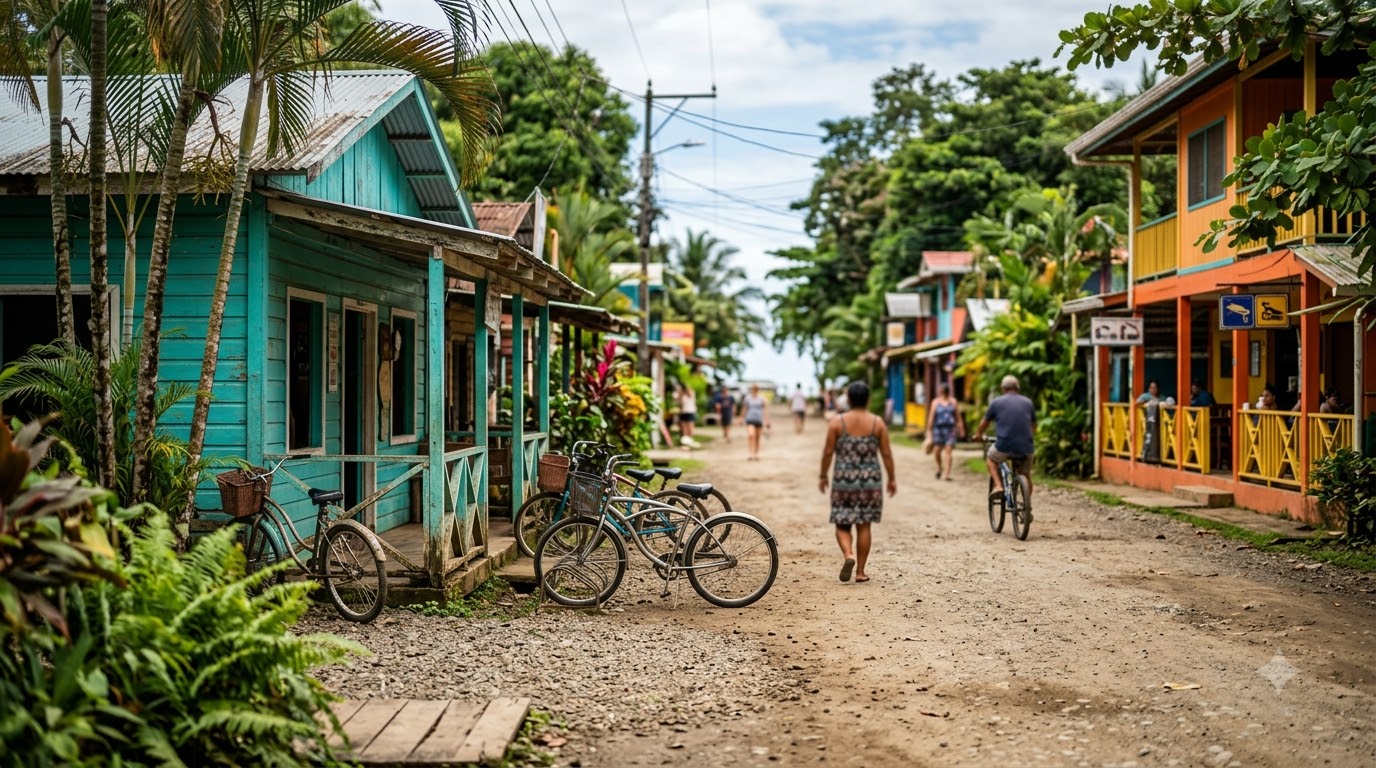
There is basically one coastal road, and almost everything hangs off it. The village sits at the top, then the road runs south past a string of beaches, Playa Cocles, then Playa Chiquita, then Punta Uva, before it ends at the tiny village of Manzanillo and the wildlife refuge. North of the village is Playa Negra, a short walk from the centre. The further south you go, the quieter and greener it gets, and the more you need a bike or a car to reach a restaurant. Almost every decision about where to stay in Puerto Viejo is really a decision about how far down that road you want to be.
The village itself
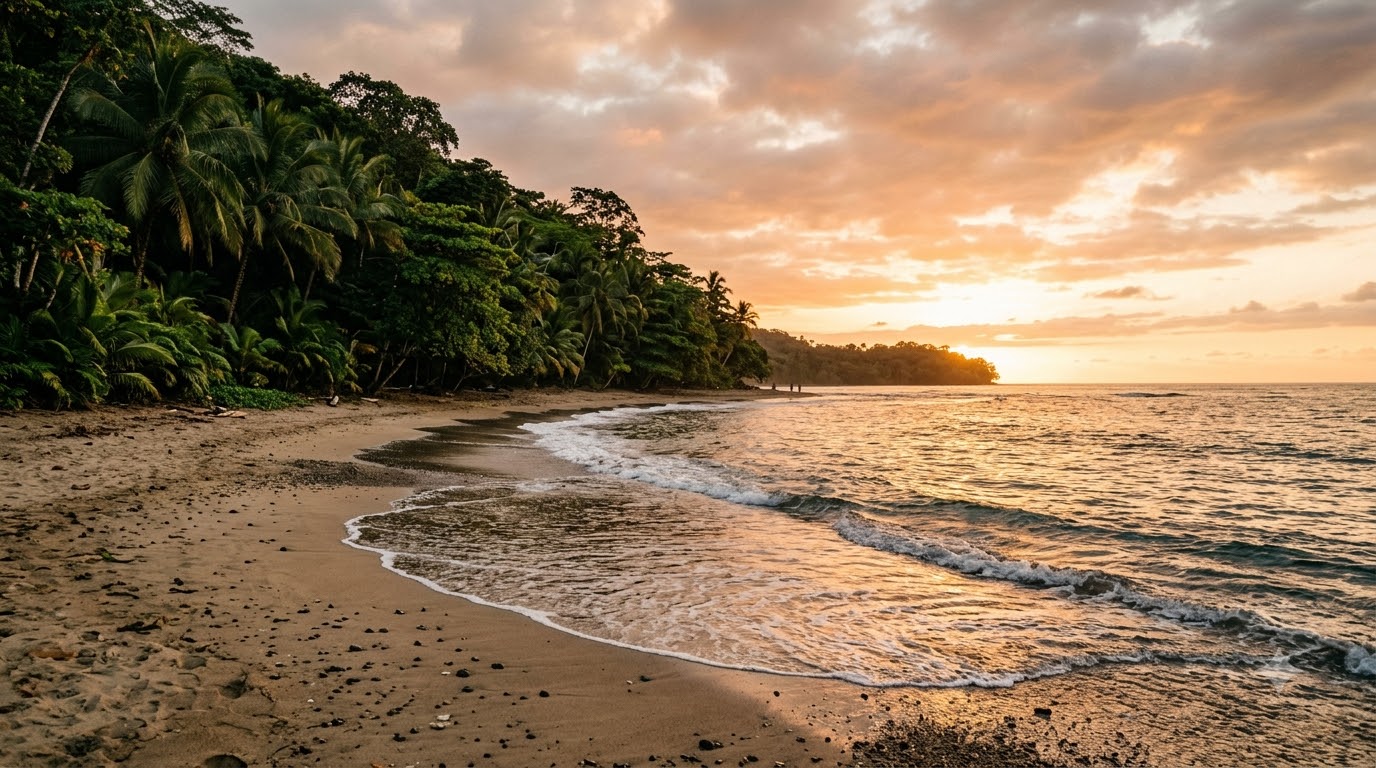
The village is the obvious pick for a first trip, and for good reason. It is flat, compact and made for a bike, which is how most people get around. You can walk to dinner, walk to a bar with live music, hire a bike in five minutes and sort a tour without a car. Restaurants, sodas, dive shops and grocery stores all sit within a few blocks.
The trade-off does not show in listing photos: the village is the loud part of town. On weekends the bars run late, and rooms near the main strip get the bass whether you want it or not. If you sleep lightly, look one or two streets back from the water, or ask about the room’s position relative to the bars before you book. This is also where Puerto Viejo hotels cluster at the budget and backpacker end, so it is the cheapest base if price is the deciding factor.
Playa Negra
Playa Negra sits just north of the village, close enough to walk in but far enough to lose most of the noise. The sand here is dark, almost black in places, which is where the name comes from. It is a calmer stretch with a more residential feel, a few guesthouses and small hotels, and easy access back into town on foot or by bike.
This is a good middle ground if the village sounds too loud but the far south sounds too remote. You still get to walk to the centre for dinner, yet you sleep somewhere quiet. The catch is that the swimming and surf conditions vary a lot along this beach, so it is worth asking what the water is doing in the season you are visiting.
Playa Cocles
Playa Cocles is the first real beach south of the village and the one many surfers head for. It is a long, open stretch with proper waves, which makes it popular with beginners taking lessons and with people who want to be near the sand rather than the bars. A cluster of places to stay, a few restaurants and surf schools give it a small hub of its own.
The honest trade-off is that Cocles has a strong shore break and currents, so it is not a gentle swimming beach for small kids on every day. Lifeguard coverage is not guaranteed, so read the flags and ask locally. You are a short bike ride from the village here, close enough for a night out, far enough for a quiet morning.
Playa Chiquita
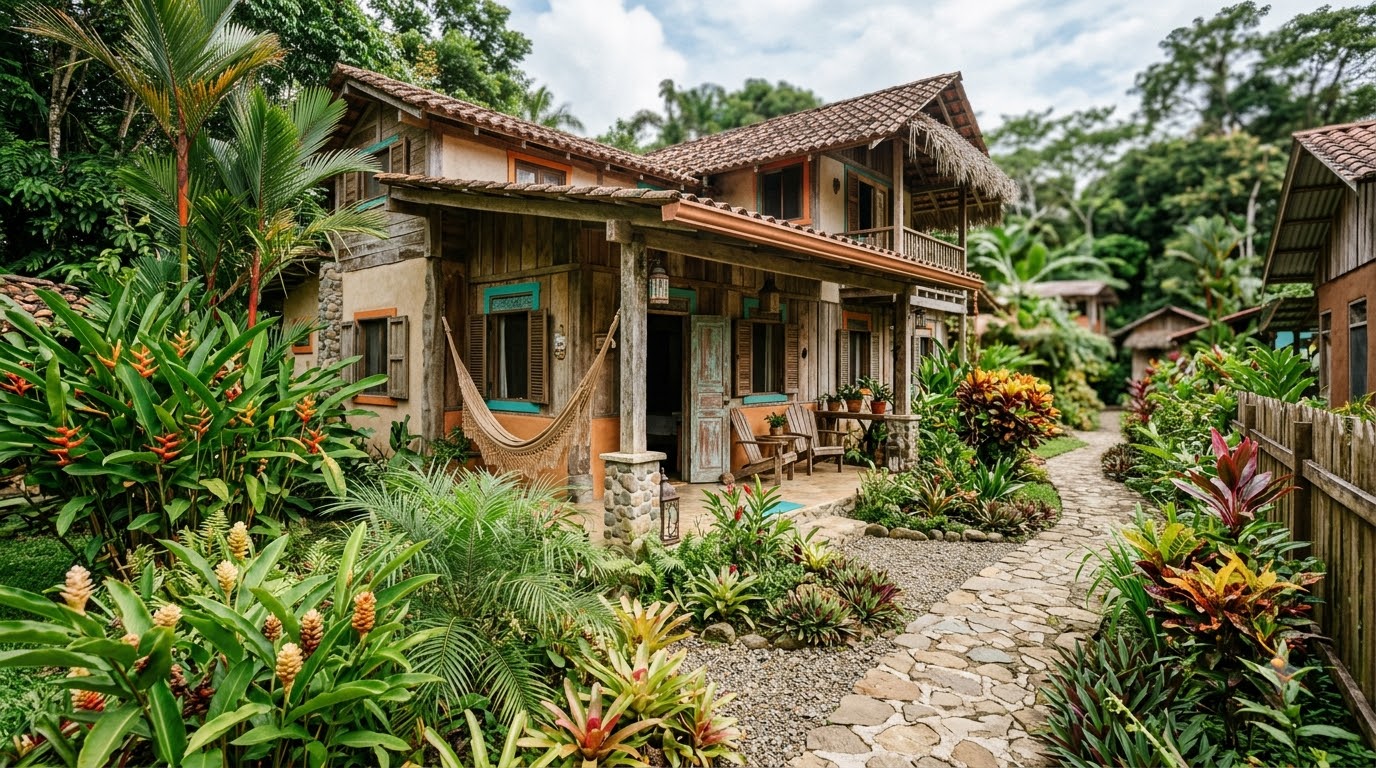
Playa Chiquita is further south again, and the feel shifts noticeably. This is the jungle-lodge stretch: smaller boutique places, rentals set back in the trees, howler monkeys as an alarm clock, and coves rather than one long beach. Couples and people who want calm tend to end up here, and it is a common pick for a slower, quieter Caribbean stay.
You will want a bike or a car in Playa Chiquita. It is too far to walk to the village comfortably for dinner, and taxis add up over a week. The upside is real quiet and real jungle right outside the door. The downside is that spontaneity costs a ride, so plan groceries and nights out rather than wandering out for them.
The road south toward Manzanillo
Keep going and the road reaches Punta Uva and finally Manzanillo, the last village before the Gandoca-Manzanillo Wildlife Refuge. This is the quietest and most beautiful end, with some of the best swimming and snorkelling water on this coast, plus a coastal trail into the reserve. Rooms here run from simple cabinas to a few higher-end jungle stays.
This end is for people who genuinely want to switch off. There is very little at night, few restaurants, and you are committed to your transport for everything. A car makes it easy; a bike works if you are fit and do not mind riding back in the dark. If your idea of a Caribbean trip is star-heavy skies, jungle and empty beach over nightlife, this is where to stay in Puerto Viejo.
Which area is right for you
| Traveller type | Best area | Why |
|---|---|---|
| First-timer | The village | Walk to everything, bike easily, cheapest base |
| Couples | Playa Chiquita | Quiet jungle stays, coves, slower pace |
| Families | Playa Negra or Manzanillo end | Calmer water and lower noise, still reachable |
| Budget / backpacker | The village | Most hostels and cheap rooms cluster here |
| Nightlife | The village | Bars and live music are all in the centre |
| Car-free surfers | Playa Cocles | Waves and lessons a short bike ride from town |
What to book first
Book your room first, because Puerto Viejo has a limited stock and the good places on the road south fill early in high season. Decide on transport second: if you are staying south of Playa Cocles, rent a car or commit to a bike, because taxis get expensive over several days and the village is not a walk from Chiquita or Manzanillo. Book tours, snorkelling, wildlife walks or a chocolate tour, last, once you know your base and how you will move around. The live map below shows real prices by area so you can compare the village against the quieter road south before you commit.
Live nightly prices from Booking, Airbnb, Hotels.com and more across every Puerto Viejo area — move the map or change your dates to compare.
Related where-to-stay guides
- Where to Stay in Santa Teresa
- Where to Stay in Tortuguero
- Where to Stay in Samara
- Where to Stay in La Fortuna
- Where to Stay in Monteverde
Frequently asked questions
Is Puerto Viejo expensive?
Puerto Viejo is one of the more affordable beach bases in Costa Rica, especially in and around the village where budget rooms and cheap sodas are easy to find. Prices climb as you move south into the boutique jungle stays. Check the live map for current rates, since they swing hard between high and green seasons.
Do you need a car in Puerto Viejo?
No, if you stay in the village, where a bike covers everything and tours pick you up. Yes, effectively, if you stay south toward Playa Chiquita or Manzanillo, because dinners, groceries and beaches are spread along the road. A bike works for the fit; a car makes the south much easier.
How many days should you spend in Puerto Viejo?
Three to five days suits most people: a day or two around the village and beaches, one for the wildlife refuge or a snorkelling trip, and a slow day. Add more if you want to base here and do nothing but ride between beaches, which is a fair reason to come.
What is the weather like, and when is the rainy season?
This is the thing first-timers get wrong. The Caribbean does not follow the Pacific calendar, so the wettest Pacific months can be pleasantly dry here, and September and October are often the sunniest window on this coast. Check current patterns on Visit Costa Rica before you lock dates, and plan around the Caribbean’s own rhythm, not the national one.
Which area is best for a first-time visitor?
The village. It is walkable, cheap, close to bike hire and tour operators, and it puts you near the food and music without needing a car. Once you know the coast you can move south for a quieter second trip, but for a first stay the village keeps everything within reach.