Disclosure: Some links in this guide are affiliate links. If you book or buy through them, we may earn a small commission at no extra cost to you — it helps keep our guides free.
Quick answer: Stay in the Viking Triangle in the city centre if it is your first visit and you want museums, restaurants and the Greenway trailhead on foot. Pick Tramore or Dunmore East instead if you came for the beach and the coast.
Waterford is the oldest city in Ireland, and most people who book here are not really coming for the city. They come for what is just outside it. Figuring out where to stay in Waterford means deciding whether you want to sleep in the compact old quarter and day-trip out, or base yourself on the water from the start.
Affiliate Disclosure: This post contains affiliate links. We earn a small commission if you book through our links, at no extra cost to you.
The areas at a glance
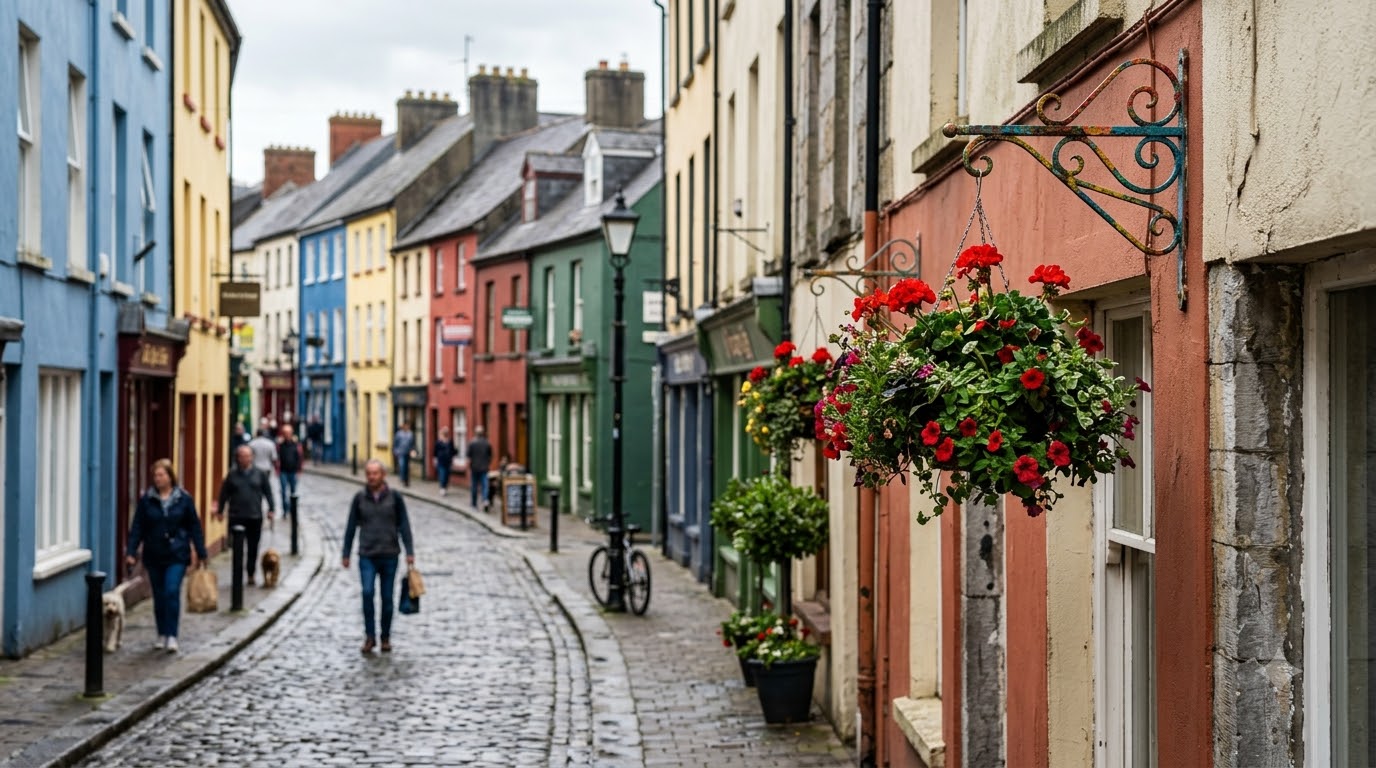
Waterford is small, and the choices split cleanly. The historic core, called the Viking Triangle, sits on the south bank of the River Suir, with the quays running right along the water beside it. That is the walkable, no-car zone. Everything else is a short drive south toward the sea: Tramore for the surf beach, Dunmore East for the fishing-village look, and the Copper Coast for the cliffs and coves. The single fact that shapes the whole decision is this: the Waterford Greenway starts in the city and the best coast is a few kilometres out, so people come for what is outside the city and then wonder where to sleep.
The Viking Triangle (city centre)
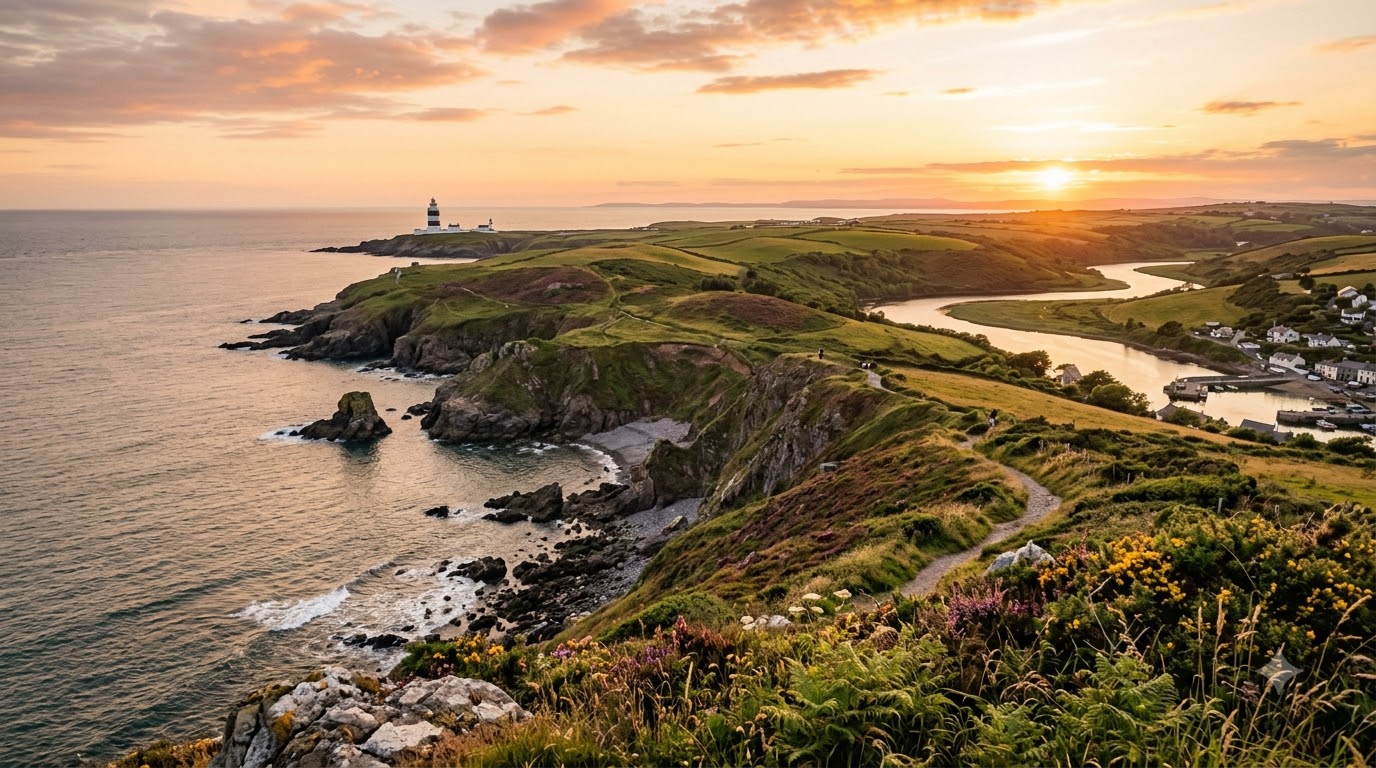
This is the old core, a tight cluster of medieval streets, the three Waterford Treasures museums, Reginald’s Tower and the cathedral, all inside a few hundred metres. If it is your first time, stay here. You can walk to dinner, walk to a pub with live music, and walk to the start of the Waterford Greenway, the 46-kilometre traffic-free cycling and walking route that follows an old railway line out toward Dungarvan. No car needed for any of it.
The trade-off the photos hide: this is a working city centre, not a resort. Some streets are quiet and handsome, others are ordinary retail and can feel flat on a Sunday evening. You are near the sights but not near the sea, so if the beach is your main reason for coming, you will be driving or cycling out every day. Weekend nights near the quays can get loud with the pub crowd. For a first visit, that is a fair price for being able to leave the car parked.
The quays
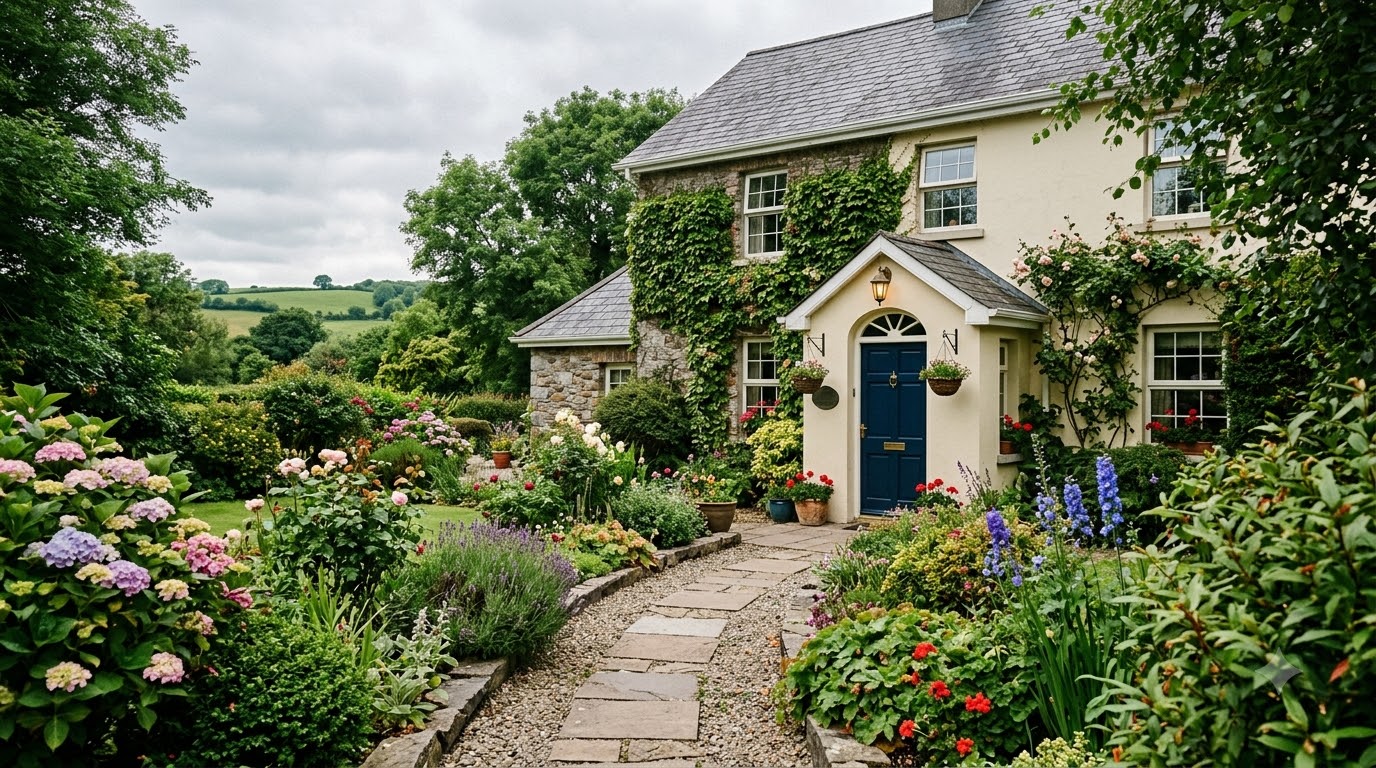
The quays run along the River Suir, a long waterfront strip on the northern edge of the old city. Waterford hotels along here put you right on the water with the city behind you, and you are still an easy flat walk into the Viking Triangle. This suits people who want a river view and a bit more space than the tight medieval streets, without giving up walkability.
The honest catch: the quays are also the main road through town and the arrival point for buses, so the view comes with traffic noise on the busy stretches. Ask for a room set back or higher up. It is a genuinely nice place to watch the river, but it is not a quiet lane. For car-free travellers who still want to feel like they are on the water, it is the best of both.
Tramore
Tramore is the beach town, a few kilometres south of the city on a wide sweep of sand, and in summer it is where local families and surfers go. If you came to Ireland’s south east for the coast rather than the history, base here. There is a long promenade, a big beach, an amusement area, and enough restaurants and pubs to fill an evening. It has a proper seaside-town feel that the city centre does not.
What the listing photos do not tell you: Tramore is busy and a little brash in high summer, more candyfloss than heritage, and the town spreads uphill away from the beach, so “near the sea” can still mean a walk down and a slog back up. You will want a car to reach the Greenway trailhead, the museums, and the quieter coves. As a base for beach days with kids, though, it earns its place.
Dunmore East
Dunmore East is the pretty one, a working fishing village at the mouth of the harbour with thatched cottages, a small strand and cliff paths above the water. It is calmer and more upmarket in feel than Tramore, and it suits couples and anyone after a quiet coastal base with good seafood. This is the postcard version of the Waterford coast.
The trade-off is straightforward: it is small, so choice is limited and it books out fast in summer, and there is genuinely nothing to do at night beyond a good dinner and the harbour wall. You need a car. It is a dead end on the coast road, not a through-town, which is exactly why people who want quiet love it and people who want buzz find it flat. Know which one you are before you book.
The Copper Coast
West of Tramore, the Copper Coast UNESCO Global Geopark runs along a stretch of cliffs, coves and old mining history between the villages of Annestown, Bonmahon and Stradbally. Staying out here means small guesthouses and self-catering rather than hotels, and it is for people who want space, dark skies and empty beaches over anything walkable. This is the quiet, scenic end.
Be clear-eyed about it: this is rural. You are fully car-dependent, shops and restaurants are sparse, and you drive to everything including a proper dinner. Phone signal can be patchy in the coves. But it is the most beautiful part of the county and the least crowded, and the Greenway threads through this landscape on its way to Dungarvan. For a slow, self-sufficient few days, nothing else here compares.
Which area is right for you
| Traveller type | Best area | Why |
|---|---|---|
| First-timer | Viking Triangle | Museums, restaurants and the Greenway start all on foot |
| Couples | Dunmore East | Quiet harbour village, seafood, cliff walks |
| Families | Tramore | Big beach, promenade, plenty to keep kids busy |
| Beach over history | Tramore or Dunmore East | You wake up by the sea, not in the city |
| Car-free | Viking Triangle or the quays | Walk everywhere, cycle the Greenway from the door |
| Quiet and scenic | The Copper Coast | Empty coves, dark skies, self-catering |
What to book first
Lock the room first, especially for summer weekends, because the good coastal spots in Dunmore East and along the Copper Coast are few and go early. Decide on the car second: if you are staying in the Viking Triangle or on the quays and only want the city plus the Greenway, you can skip it, but anything coastal effectively requires one. Book tours and Greenway bike hire last, once you know your base, since pickup and drop-off points depend on where you are sleeping. The live map below shows real Waterford hotels prices for each area so you can compare the city core against the coast.
Live nightly prices from Booking, Airbnb, Hotels.com and more across every Waterford area — move the map or change your dates to compare.
Related where-to-stay guides
- Where to Stay in Ennis
- Where to Stay in Sligo
- Where to Stay in Donegal
- Where to Stay in Clifden
- Where to Stay in Kenmare
Frequently asked questions
Is Waterford expensive?
Waterford is one of the better-value bases in the Irish south east, cheaper on the whole than Kilkenny or the Cork and Kerry tourist towns. City-centre rooms span budget to mid-range, while the coastal villages skew higher in summer because supply is tight. The live map shows real prices by area and season.
Do you need a car in Waterford?
Not for the city itself. The Viking Triangle and the quays are walkable, and the Greenway is car-free by design, so you can cycle straight out of town. But the beach at Tramore, the village of Dunmore East and the Copper Coast all sit outside the city, and a car makes those far easier to reach.
How many days do you need in Waterford?
Two to three nights suits most people. One day covers the Viking Triangle and its museums, a second gives you the full Greenway ride or a beach day, and a third lets you explore the Copper Coast and Dunmore East without rushing. Add a night if you want slow coastal time.
What is the best area for a first-time visitor?
The Viking Triangle. It puts the museums, the restaurants, the live music and the Greenway trailhead within a short walk, so you can leave the car parked and still see the best of the city. From there you can day-trip out to the coast, which is what most visitors actually come for.
When is the best time to visit Waterford?
Late spring through early autumn gives you the best odds for the beach, the Greenway and the coast paths. July and August are busiest, so book coastal stays early. Shoulder months are quieter and cheaper, and the city sights and the Greenway work fine even in cooler, damper weather.