Things to Do in Fiji in: 14 Island, Reef & Adventure Picks
By TravelguidestipUpdated 10 min readHow we earn
Hotel buttons open Stay22 (Booking.com, Agoda and others) and tour buttons open GetYourGuide. We may earn a commission at no extra cost to you.
In short
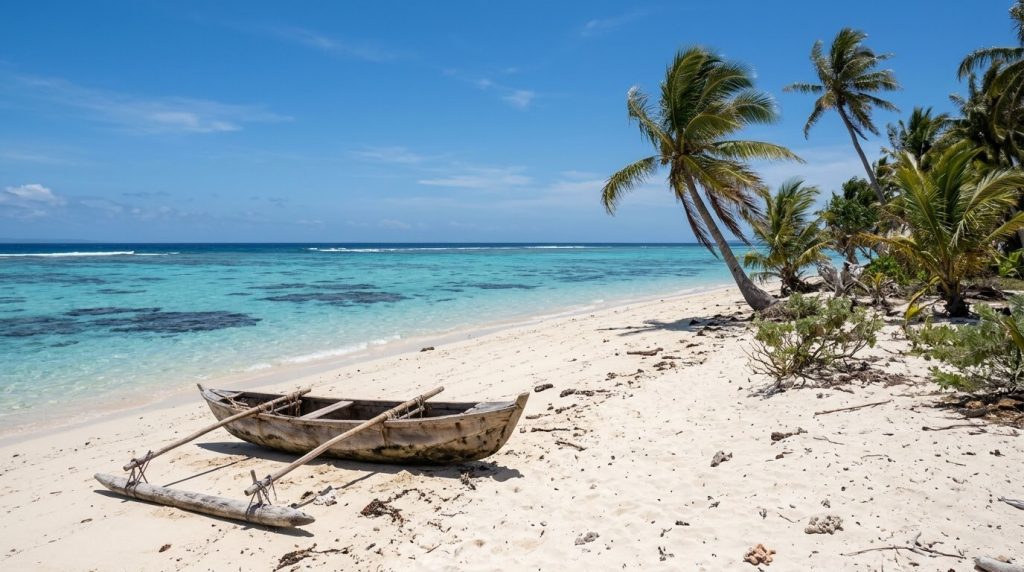
- Most highlights are offshore: the Mamanuca and Yasawa island groups, not Nadi town, hold the reefs, sandbars, and beaches that define a Fiji trip.
- A full-day catamaran cruise with snorkeling runs about FJ$220-320 ($97-141), while the hop-on Yasawa Flyer pass starts near FJ$450 ($198) for a multi-stop route.
- Diving is the headline draw, with two-tank reef dives around FJ$350-420 ($154-185) and world-class soft coral in the Somosomo Strait and Beqa Lagoon.
- Cloud 9, the floating bar and pizzeria off the Mamanucas, costs about FJ$220 ($97) for the round-trip boat transfer, with food and drinks paid separately.
- The Sabeto mud pools and hot springs cost roughly FJ$35-45 ($15-20), one of the cheapest and most memorable half-days near Nadi.
The best things to do in Fiji in 2026 center on the water, the reefs, and the villages rather than the big resort towns. Island-hop by catamaran through the Mamanuca and Yasawa chains, snorkel or dive some of the healthiest soft-coral reefs on the planet, soak in the geothermal Sabeto mud pools, chase inland waterfalls, and share a bowl of kava in a highland village. Almost every highlight involves leaving the main island of Viti Levu, which is why most people treat Nadi and Denarau as a launchpad rather than a destination.
Fiji is an archipelago of more than 330 islands, of which roughly a third are inhabited, scattered across about 1.3 million square kilometers of the South Pacific. The Great Sea Reef, known locally as Cakaulevu, stretches more than 200 km off the northern coast and ranks among the longest barrier reef systems in the world. This guide covers island hopping, snorkeling and diving, waterfalls, village visits and kava, the floating Cloud 9 platform, the Sabeto mud pools, and inland zip-lining, with realistic 2026 prices in Fijian dollars so you can budget a trip without guessing. For timing, pair it with our guide to the best time to visit Fiji.
We spent eleven days split between a Mamanuca island, the southern Yasawas, and two nights inland near Nadi. The moment that stuck wasn’t a resort beach but a village kava ceremony in the Sabeto valley, where we sat cross-legged on pandanus mats for two hours. What surprised us most was how quickly the “island time” pace resets you, by day three we’d stopped checking the time at all.
What are the best things to do in Fiji?
The best things to do in Fiji divide into three buckets: island and reef trips, inland adventure, and cultural experiences. If you only have a few days, prioritize one offshore island stay, a full day of snorkeling or diving, and a single mainland half-day such as the Sabeto mud pools. With a week or more you can layer in the Yasawas, a village visit, and a waterfall hike without ever feeling rushed.
Here is the shortlist we steer first-time visitors toward:
- Mamanuca island hopping: short catamaran rides to beaches, sandbars, and snorkel reefs, day trips from around FJ$220 ($97).
- Yasawa Islands: wilder, quieter chain reached by the Yasawa Flyer, best for a multi-night hop.
- Snorkeling the house reefs: most island resorts sit on a fringing reef you can swim to for free.
- Scuba diving: soft-coral walls in the Somosomo Strait and shark dives in Beqa Lagoon.
- Cloud 9: a floating two-story bar and wood-fired pizzeria moored on a Mamanuca reef.
- Sabeto mud pools and hot springs: geothermal mud baths near Nadi, around FJ$35-45 ($15-20).
- Waterfalls: the Tavoro falls in Bouma (Taveuni) and the Biausevu falls on the Coral Coast.
- Village visit and kava ceremony: a sevusevu welcome with the traditional pepper-root drink.
- Zip-lining and off-road: canopy tours and buggy rides in the forested hills behind Pacific Harbour and Nadi.
Why is island hopping the Mamanucas and Yasawas worth it?
Island hopping is worth it because Fiji’s postcard scenery, the white sandbars, palm-fringed lagoons, and fringing reefs, sits offshore rather than on the main island. The Mamanuca group lies just 30-60 minutes by boat from Denarau Marina, making it the easy choice for day trips and short stays. The Yasawas stretch farther north into a chain of 20-odd volcanic islands, wilder and less developed, reached by the daily Yasawa Flyer catamaran.
We did both and found them genuinely different trips. The Mamanucas are compact and social, close enough that you can do a full-day cruise with multiple snorkel stops and be back for dinner. The Yasawas reward patience: longer transfers, fewer crowds, and backpacker-to-boutique lodges strung along the chain. The Bula Pass and Flyer tickets let you hop between islands on a single fare, which is how most multi-night travelers string together three or four stops.
| Island trip | Typical 2026 price | Duration | Notes |
|---|---|---|---|
| Mamanuca full-day cruise | FJ$220-320 ($97-141) | Full day | Includes lunch and snorkel gear on most boats |
| South Sea Island day trip | FJ$190-250 ($84-110) | Full day | Tiny sandbar island, popular with families |
| Yasawa Flyer (one way, far north) | From FJ$250 ($110) | 4-5 hours | Hop-off access along the chain |
| Bula Pass (hop-on, multi-day) | From FJ$450 ($198) | 5-15 days | Unlimited stops within the pass window |
| Private speedboat charter | From FJ$900 ($396) | Half day | Best for groups wanting flexible timing |
Source: Fiji catamaran and transfer operator pricing, 2026. Fares vary by season and distance along the chain.
Where is the best snorkeling and diving in Fiji?
Fiji is widely called the “soft coral capital of the world,” and the reefs back up the nickname. Snorkeling is often free: most island resorts sit directly on a fringing house reef you can reach by swimming off the beach, with parrotfish, reef sharks, and turtles common in shallow water. For serious underwater scenery, the Somosomo Strait between Vanua Levu and Taveuni, home to the famous Rainbow Reef and Great White Wall, is the single best-known dive area in the country.
Divers also chase the Beqa Lagoon shark dive off the south coast, one of the few places you can see up to eight shark species on a single baited dive. We snorkeled daily from our island beach and did one two-tank reef dive, and the color difference below 10 meters was startling, walls of purple, orange, and yellow soft coral that simply don’t photograph as vividly as they look.
| Underwater activity | Typical 2026 price | Where | Notes |
|---|---|---|---|
| House-reef snorkeling | Free at most resorts | Everywhere | Gear rental FJ$15-25 ($7-11) if not included |
| Guided snorkel trip | FJ$80-140 ($35-62) | Mamanucas, Coral Coast | Boat to a deeper reef or drop-off |
| Two-tank reef dive | FJ$350-420 ($154-185) | Taveuni, Mamanucas | Certified divers; gear often extra |
| Beqa Lagoon shark dive | FJ$500-650 ($220-286) | Pacific Harbour | Bucket-list baited dive, multiple species |
| Open Water certification | FJ$1,400-1,800 ($616-792) | Islandwide | 3-4 days, theory plus open-water dives |
Source: Fiji dive and watersports operator pricing, 2026. Confirm certification requirements before booking.
Can you visit Fiji’s waterfalls and villages?
Yes, and the inland experiences are where many travelers find the trip’s heart. The Tavoro (Bouma) waterfalls in Taveuni’s national heritage park are the most famous, a three-tier walk through rainforest to swimmable plunge pools. On Viti Levu’s Coral Coast, the Biausevu waterfall is an easier guided hike that usually includes a village stop. Entry to most falls runs a small community fee of around FJ$20-40 ($9-18), which goes directly to the landowning village.
Village visits almost always center on a sevusevu, the welcome ceremony where you present a bundle of kava root to the chief and share a bowl of the mildly numbing, earthy drink. It is a genuine protocol, not a show, so dress modestly, cover your shoulders, and remove hats and sunglasses. We joined a ceremony that ran far longer than the “30 minutes” we were promised, and it was the single most memorable afternoon of the trip. For a sense of what a week like this costs in total, see whether is Fiji expensive for your style of travel.
What is Cloud 9 and is it worth it?
Cloud 9 is a floating two-story platform moored on a reef in the Mamanuca waters, part bar, part wood-fired pizzeria, part swim-and-snorkel base. The round-trip boat transfer costs about FJ$220 ($97) from Denarau, with food and drinks paid on top, and the platform sits over shallow coral so you can snorkel straight off the deck between pizzas. It has become one of Fiji’s most photographed day trips, which cuts both ways.
Is it worth it? If you like a social, party-ish atmosphere with a swim-up bar and a DJ, yes, especially on a calm, sunny day. If you want solitude, skip it: the platform fills up by late morning in peak season and the vibe is closer to a pool club than a desert island. We went on a midweek day, arrived early, and had an hour of near-empty water before the crowds, which is the move we’d recommend to anyone on the fence.
Are the Sabeto mud pools and hot springs worth visiting?
The Sabeto mud pools are one of the best-value half-days in Fiji, costing roughly FJ$35-45 ($15-20) for entry to a series of geothermal mud baths and hot spring pools about 20 minutes from Nadi. You wade into a warm, silty pool, coat yourself in mineral mud, let it dry in the sun, then rinse off in a progressively hotter spring pool. It is messy, communal, and a lot of fun, the kind of thing that photographs terribly and feels great.
The site sits in the Sabeto valley beneath the Sleeping Giant mountain range, and many tours pair it with the nearby Garden of the Sleeping Giant orchid gardens. Bring a swimsuit you don’t mind staining, a towel, and flip-flops for the muddy paths. Because it’s close to the airport, it works well as a first-day or last-day activity when you’re not committing to an island transfer.
What are the best adventure activities inland?
Beyond the water, Fiji’s forested interior offers zip-lining, river trips, and off-road tours, mostly concentrated behind Nadi and around Pacific Harbour, the self-styled adventure capital. Canopy zip-line courses in the hills above Nadi send you across valleys and waterfalls on a series of cables, typically costing around FJ$200-260 ($88-114) including transfers and a short rainforest walk. It is accessible for complete beginners and a good rainy-season alternative when reef visibility drops.
Pacific Harbour, on the south coast of Viti Levu, is the base for jet-boat runs up the Navua River, white-water rafting through the Upper Navua gorge, and quad-bike or buggy tours. We did a half-day canopy tour on an overcast morning and found it an easy, genuinely scenic couple of hours, a useful backup when the boats weren’t running. Most inland operators include hotel pickup from Nadi or Denarau, so you don’t need a rental car to reach them.
What’s the best plan for a week in Fiji?
The best one-week plan in Fiji balances one offshore island stay with a couple of mainland days so you catch both the reefs and the culture. Front-load the islands while you’re fresh, then use your last days near Nadi for the easy-access activities before your flight. This keeps long boat transfers away from your departure day.
A simple, flexible week:
- Days 1-2: land in Nadi, recover, and do the Sabeto mud pools plus a village or orchid-garden visit.
- Days 3-5: transfer to a Mamanuca or Yasawa island for snorkeling, a reef dive, and beach time.
- Day 6: Cloud 9 day trip or a Coral Coast waterfall hike, depending on weather.
- Day 7: inland zip-lining or a Navua River trip, then back to Nadi for the night.
If you’re still shaping the trip, decide your travel window first; our guide to the best time to visit Fiji explains how the dry and wet seasons change reef visibility and island ferry schedules.
Find your Fiji hotel on the map
Live prices from Booking, Airbnb and more — move the map or change dates to compare stays across Fiji.
Frequently Asked Questions
How many days do you need in Fiji?
Seven days is the sweet spot for most visitors. That gives you two or three nights on an offshore island, a full day of snorkeling or diving, and a couple of mainland days for mud pools, a village visit, or zip-lining. With ten days or more you can add the Yasawas or Taveuni’s waterfalls without rushing the boat transfers.
Is Fiji expensive to visit?
Fiji spans a wide range. House-reef snorkeling is free, the Sabeto mud pools cost around FJ$35-45 ($15-20), and local meals and buses are cheap. The big costs are flights, island resort rooms, and boat transfers, which add up fast. Mixing a backpacker island stay with mainland guesthouses keeps a trip affordable. See our full is Fiji expensive breakdown for real budgets.
When is the best time to visit Fiji?
The dry season from May to October brings cooler, sunnier weather, calmer seas, and the clearest reef visibility, making it the best window for diving and island hopping. The wetter November-to-April months are hotter and carry a cyclone risk but also lower prices. For a month-by-month breakdown, see our best time to visit Fiji guide.
Can you snorkel directly from the beach in Fiji?
Yes. Most island resorts sit on a fringing house reef you can reach by swimming off the beach, often for free, with gear rental around FJ$15-25 ($7-11) if it isn’t included. Parrotfish, reef sharks, and turtles are common in shallow water. Ask staff about tides and currents, as some reefs are best snorkeled near high water.
Do you need to visit a village and drink kava?
It isn’t required, but a village visit with a kava ceremony is one of Fiji’s most authentic experiences. You present a bundle of kava root to the chief in a sevusevu welcome, then share the earthy, mildly numbing drink. Dress modestly, cover your shoulders, and remove hats and sunglasses out of respect. Most visits are arranged through a guide or your resort.
Fiji rewards travelers who get off the main island early. The reefs, sandbars, and villages that make the country memorable sit a boat ride away from Nadi, and the best days mix a morning on the water with an afternoon in the hills. Whether you spend your week island hopping the Mamanucas, diving the soft-coral walls, or simply sharing a slow bowl of kava on a woven mat, the “bula” welcome and the island-time pace tend to stay with you long after the tan fades.