Disclosure: Some links in this guide are affiliate links. If you book or buy through them, we may earn a small commission at no extra cost to you — it helps keep our guides free.
Best Time To Visit Chiang Mai: Month-by-Month Guide 2026
Quick answer: November and December are the best months to visit Chiang Mai — cool nights around 13-16C, clear blue skies, and the Yi Peng and Loy Krathong lantern festivals lighting up the city. January stays crisp before smoke builds, so target these cool-dry months and avoid the hazy February-to-April stretch.
Chiang Mai rewards travelers differently depending on the month you arrive — from cool misty mornings in December to the spectacular Loy Krathong lantern festival in November. This guide covers every month of the year with real weather data, price windows, and festival schedules so you can choose the timing that fits your trip best.
Burning season shapes more than the weather, as our guide to whether Chiang Mai is safe explains.
Key Takeaways
- The best overall months are November through February, when temperatures average 18-28°C and rainfall drops below 20mm/month. (Thai Meteorological Department, 2024)
- Peak season hotel rates in Chiang Mai run 40-70% higher than low season; booking 60+ days ahead cuts costs significantly. (Agoda Price Index, 2025)
- The Songkran Water Festival (April 13-15) and Yi Peng Lantern Festival (November full moon) are the two most visited events, each drawing over 100,000 tourists. (Tourism Authority of Thailand, 2024)
- Smoke season from agricultural burning peaks February through April, with PM2.5 regularly exceeding 150 AQI in March. (IQAir Thailand Report, 2024)
- Airalo eSIM Thailand plans start at $4.50 for 1GB — significantly cheaper than roaming or airport SIM kiosks.
Understanding Chiang Mai’s Three Seasons
Related: best day trips from Chiang Mai.
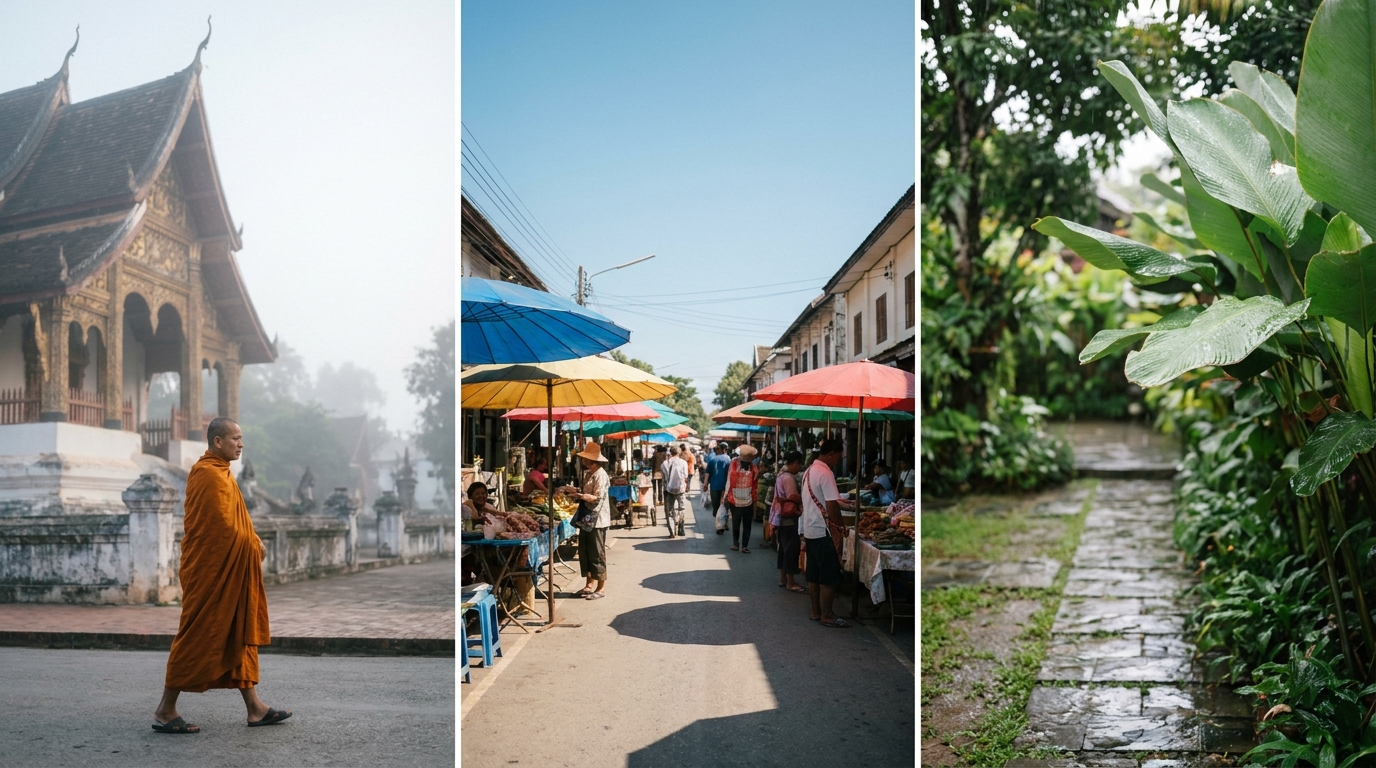
Chiang Mai has three distinct seasons that shape every aspect of your trip. The cool dry season (November to February) is the most comfortable, the hot season (March to May) brings intense heat and smoke, and the wet season (June to October) delivers lush green landscapes alongside daily afternoon rain. Knowing which trade-offs matter to you — crowds, prices, weather, or festivals — makes choosing easier.
The city sits at 300m above sea level in a mountain-ringed valley. That elevation keeps temperatures 3-5°C cooler than Bangkok year-round. Average annual rainfall is around 1,100mm, but 80% falls between June and October. During peak cool season (December-January), temperatures dip to 12-15°C at night, so pack a light jacket even if you’re coming from the tropics.
November and December: The Sweet Spot for Most Travelers
Related: getting to Chiang Mai.
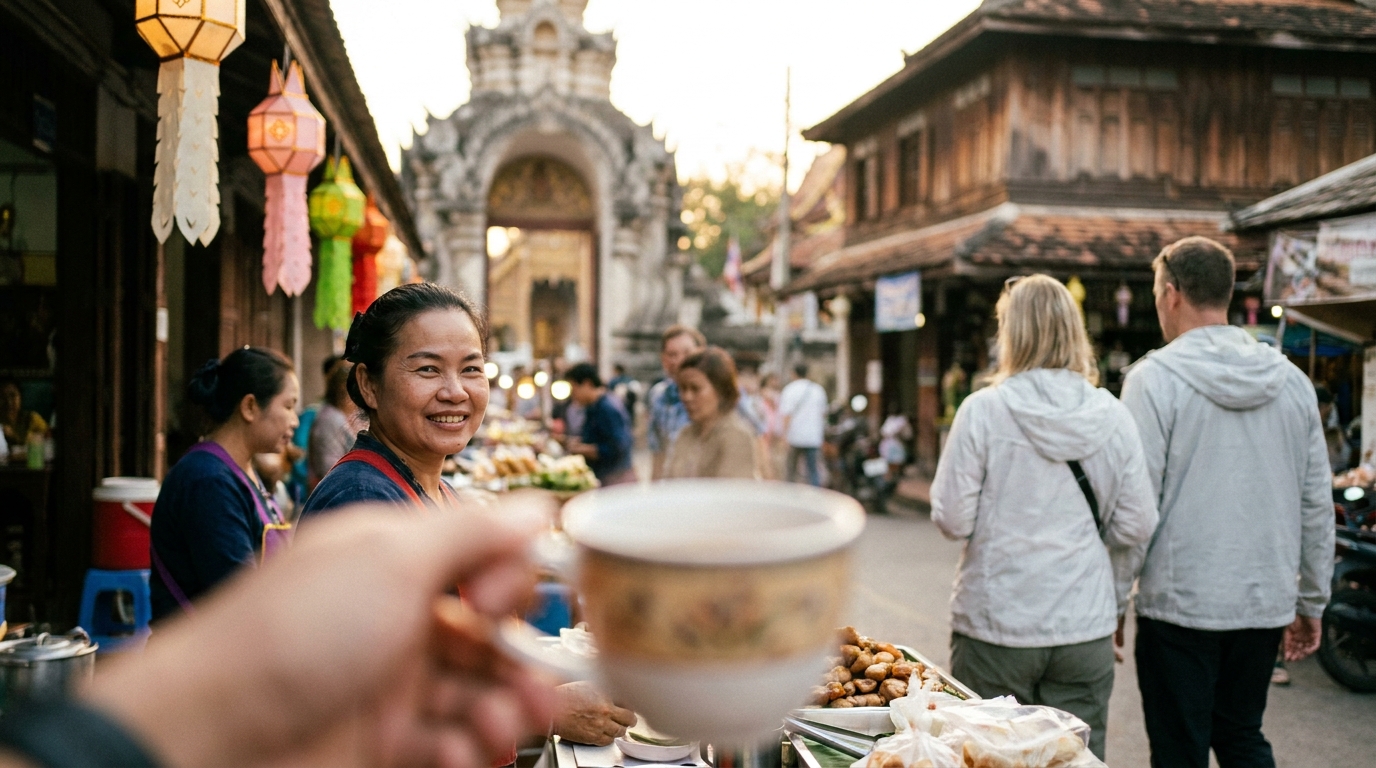
November and December offer the best combination of weather, festivals, and atmosphere in Chiang Mai. Temperatures range from 15°C at night to 28°C during the day, skies are clear blue, and the rice harvest gives the countryside a golden glow. Hotel occupancy climbs steeply, so book at least 6 weeks ahead.
November brings Yi Peng (the lantern festival) on the full moon — typically the second week of the month. Thousands of paper lanterns rise over Ping River, creating one of Asia’s most photographed events. Official ticketed lantern release ceremonies at the Mae Jo University grounds sell for around $35-50 per person through Klook.
December adds the Chiang Mai Winter Festival around Tha Phae Gate, with live music, food stalls, and craft markets running the last two weeks of the month.
| Month | Avg High (°C) | Avg Low (°C) | Rain Days | Budget Hotel Avg/Night (USD) |
|---|---|---|---|---|
| November | 28 | 16 | 6 | $28 |
| December | 27 | 13 | 3 | $32 |
January and February: Cool Weather, Rising Smoke
Related: best food in Chiang Mai.
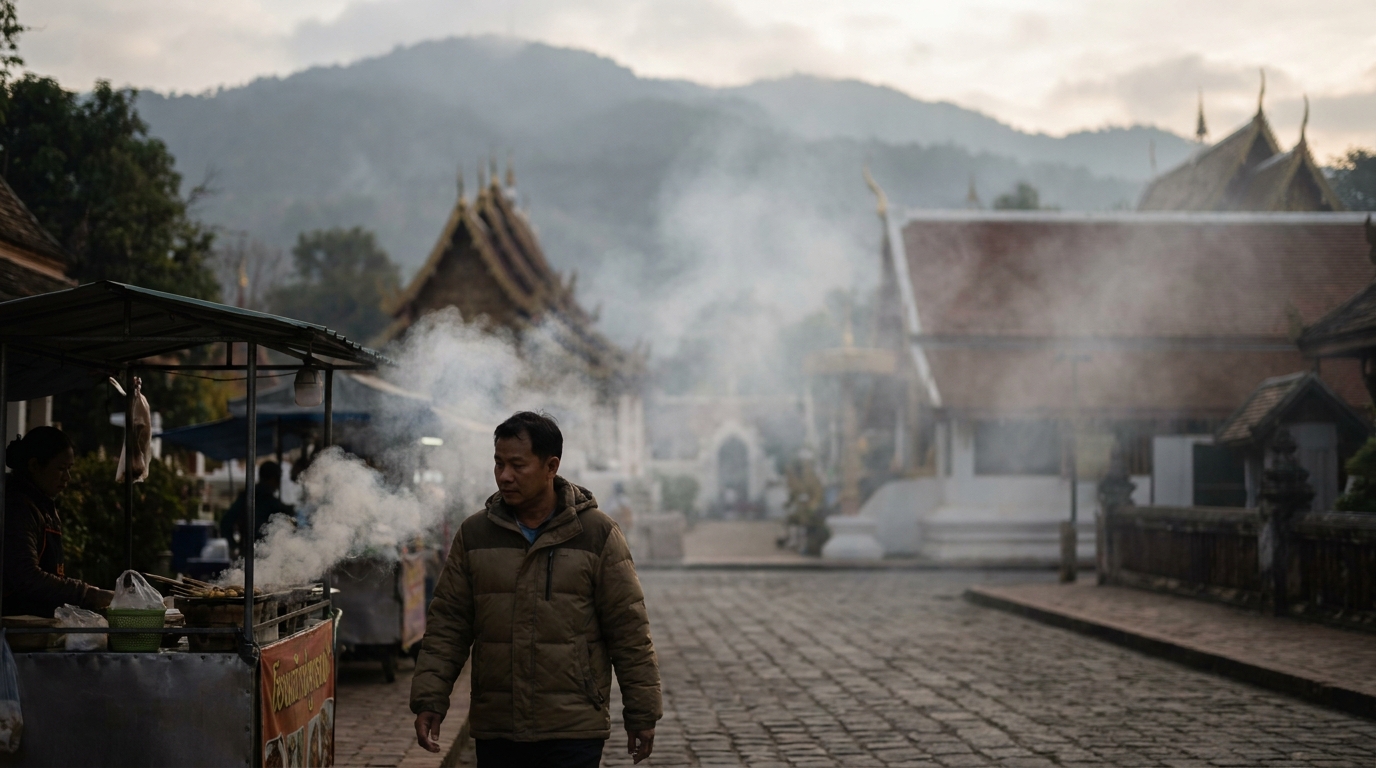
January is peak season in Chiang Mai — the coolest, driest month with daytime highs around 29°C and near-zero rainfall. Expect the highest hotel prices of the year, with decent guesthouses near Nimman Road running $35-55/night on Booking.com and boutique hotels in the Old City area touching $80-120/night. Book the Chiang Mai Sunday Night Market tour early, as group sizes fill fast.
February marks the beginning of the smoke problem. Farmers in surrounding provinces start burning fields before the planting season, and the valley geography traps particulates. Air quality worsens progressively through February, with AQI readings above 100 becoming common by month’s end.
If you have respiratory sensitivities, factor this in. The Chinese New Year festival (date shifts annually, usually late January or February) brings red lanterns, dragon dances, and excellent street food along Warorot Market. (Tourism Authority of Thailand, 2024)
Find your Chiang Mai hotel on the map
Live prices from Booking & Airbnb — tap a pin to compare stays around the Old City and Nimman and beyond.
March and April: Hot, Smoky, and Songkran Season
Related: Chiang Mai packing list.
March is widely considered the worst month for air quality in Chiang Mai. PM2.5 readings regularly exceed 200 AQI — hazardous levels that warrant an N95 mask outdoors. Temperatures also climb toward 38-40°C by mid-afternoon.
Despite this, budget travelers appreciate that hotel prices drop 20-30% from peak levels and popular temples are less crowded. See our guide on things to do in chiang mai for activities that work even during hot season.
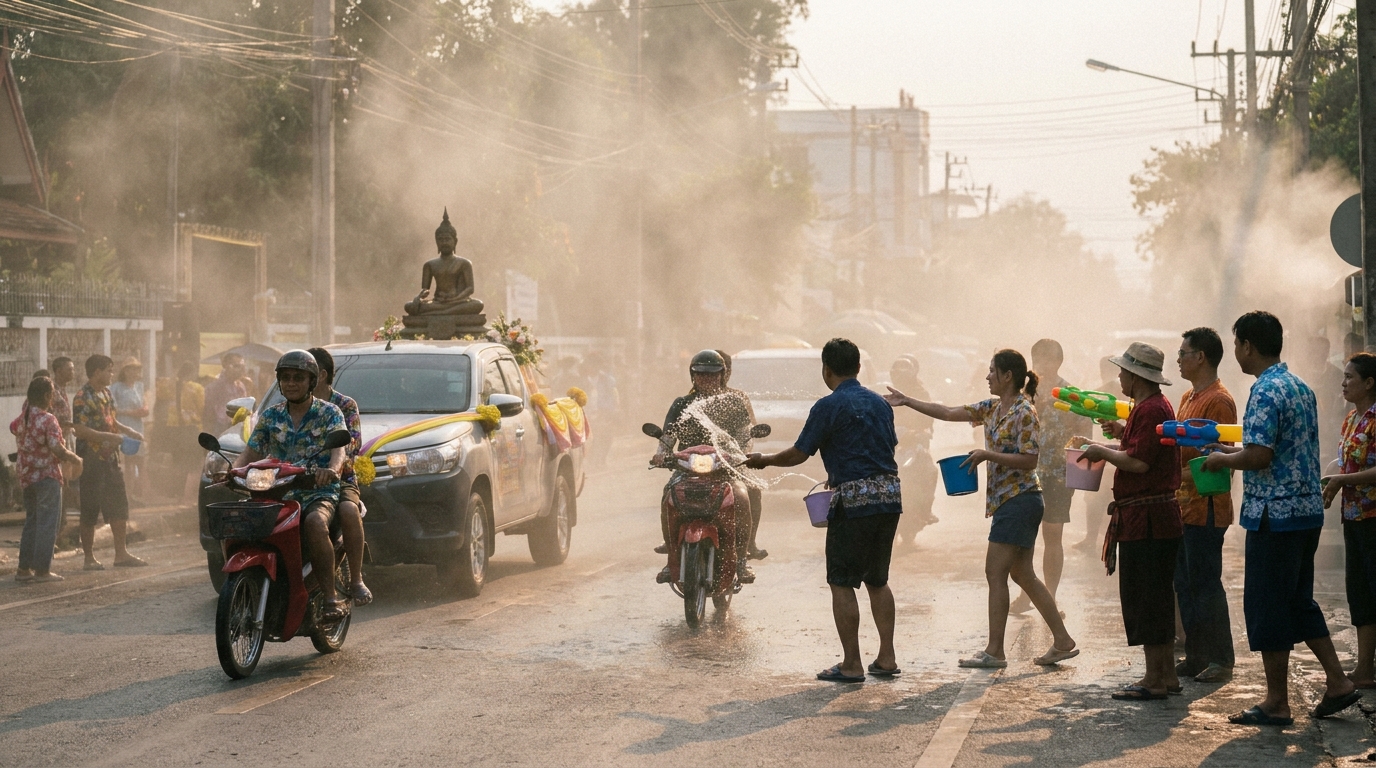
April 13-15 is Songkran — Thailand’s traditional New Year water festival. Chiang Mai’s celebration is legendary, turning the Old City moat into a massive multi-day water fight. Expect total hotel rate spikes of 50-80% for those specific dates.
Budget for $40-70/night minimum even at modest guesthouses. If you plan to be in Chiang Mai for Songkran, book accommodation 3-4 months ahead and buy a waterproof phone pouch ($5-8 at any Night Bazaar stall). Connecting onward to things to do in phuket or koh samui travel guide after Songkran makes a logical itinerary.
May and June: Low Season Begins, Green Returns
Related: hidden gems in Chiang Mai.
May bridges hot season and the monsoon onset. Rains start arriving in late May, temperatures moderate slightly to 34-36°C by day, and tourist numbers fall sharply. Hotel prices hit their annual low — solid 3-star hotels near Nimman drop to $25-40/night on Agoda. This is an underrated window if you don’t mind the occasional afternoon downpour and can tolerate residual smoke early in the month.
June signals the full arrival of the wet season. Rain falls almost daily in the afternoon and evening (average 15 rain days/month), keeping everything lush and the surrounding national parks green. Doi Inthanon — Thailand’s highest peak at 2,565m — is especially scenic in June with waterfalls running at full force.
A Klook day-trip to Doi Inthanon with transport and guide runs around $40-55 per person. Waterfalls near chiang mai day trips reach their most dramatic from June onward.
July, August, and September: Deep Wet Season
Related: Bali travel guide.
These three months receive Chiang Mai’s heaviest rainfall — September averages 220mm across 19 rain days. The heat is tempered, sitting around 30-32°C, and the countryside looks its absolute greenest.
Trekking routes to hill tribe villages around Mae Chaem or Mae Hong Son can become muddy and slippery, but elephant sanctuaries such as Elephant Nature Park operate year-round with covered areas for wet-weather visits. Book ethical sanctuary visits through Klook — prices are $75-100/person for a half-day, similar year-round.
Flooding in low-lying riverside areas can occasionally affect access to the Night Bazaar or some riverside restaurants in August and September. For cooking class bookings — a popular Chiang Mai activity at $30-45 for a half-day session — rain rarely disrupts anything since classes happen indoors or under cover. Hotel prices remain 30-40% below peak throughout July-September, making it the most affordable stretch for longer stays.
October: Transition Month and Vegetarian Festival
Related: Da Nang travel guide.
October sits in the transition between wet and dry season, with rainfall tapering from September’s highs and the first hints of cool air arriving in the final week. Average temperatures ease to 29°C by day and 20°C by night toward month’s end.
The famous Vegetarian Festival (nine days in late September or early October, date shifts with the Chinese lunar calendar) transforms parts of Chiang Mai with white-clad devotees, firewalking ceremonies, and hundreds of vegan street food stalls offering tofu dishes for $1-3 per portion.
October is a good value month — crowds are lower than November, yet the weather is improving daily. Pair a Chiang Mai stay with a side trip to Pai up in the mountains; the winding Highway 1095 is clear and the valley views are excellent after the rains. Renting a scooter for the Chiang Mai-Pai loop costs around $8-12/day from most guesthouses.
Frequently Asked Questions
What is the absolute best month to visit Chiang Mai?
November is widely the best single month: the Yi Peng lantern festival happens on the full moon, temperatures average 16-28°C with almost no rain, and the air quality is clean after the monsoon. Book at least 6 weeks ahead because hotels sell out fast, especially around the lantern festival weekend.
Is Chiang Mai worth visiting during the rainy season?
Yes, particularly July and August. Rain typically falls in short afternoon bursts rather than all-day downpours, mornings are usually clear, prices are 30-40% lower than peak season, and crowds at temples and markets thin noticeably. Pack a light rain jacket and plan outdoor activities for the morning.
How bad is the smoke in Chiang Mai?
Smoke from agricultural burning is worst from late February through April, with March typically recording the highest AQI readings — sometimes above 200, which is hazardous. Sensitive travelers should avoid this window or bring an N95-rated mask. Air quality improves sharply once the rains arrive in May. Check IQAir or AirVisual for real-time readings before and during your trip.
How many days do I need in Chiang Mai?
Four to five days covers the main highlights comfortably: Old City temples, a cooking class, one elephant sanctuary visit, and the Night Bazaar area. Add two more days if you want a day trip to Doi Inthanon National Park or a slow morning cycling the moat area. A full week suits travelers who want to combine Chiang Mai with a scooter trip to Pai.
What eSIM should I use for Chiang Mai?
We recommend Airalo for Thailand travel. Their AIS-powered Thailand plan starts at $4.50 for 1GB (7 days) or $9 for 3GB (30 days). Activate before landing — it works immediately on arrival at Chiang Mai International Airport. Coverage is strong throughout the Old City, Nimman, and major tourist areas.
Is Chiang Mai safe to visit solo?
Chiang Mai consistently ranks among Thailand’s safest cities for solo travelers, including solo women. The Old City and Nimman neighborhoods are well-lit, well-patrolled, and full of cafes and co-working spaces used by digital nomads year-round. Standard precautions apply: secure your valuables, use metered taxis or Grab app, and avoid accepting rides from unlicensed tuk-tuks at night.
How do I get from Bangkok to Chiang Mai?
The most popular options are: overnight train (12-13 hours, $15-30 for a sleeper berth — bookable at 12go.asia), domestic flight (1.5 hours, $25-60 on AirAsia or Thai Lion Air when booked in advance), or VIP bus (10-11 hours, $18-28). Flights are fastest and often cheapest when booked 3-4 weeks ahead. Check bangkok to chiang mai transport guide for a full comparison.
The Bottom Line: Timing Your Chiang Mai Trip
Related: best hotels in Chiang Mai.
For most travelers, November through February delivers the best overall experience in Chiang Mai — comfortable temperatures, low rainfall, and a calendar packed with festivals. November is the peak of this window with the Yi Peng lantern festival; January is the coolest and most photogenic month for temple and countryside visits. Whatever month you choose, our Chiang Mai or Chiang Rai base guide notes that Chiang Rai is also affected by the February to April smoke.
If your priority is budget over weather, the early wet season (June-July) offers the same temples, cooking classes, and elephant sanctuaries at 30-40% lower prices with thinner crowds.
Avoid March and April if air quality is a health concern — the smoke season is real and can significantly affect outdoor enjoyment. But for Songkran in April, the trade-off is worth it for many travelers who want to experience one of Asia’s most energetic festivals.
Ready to book? For a full breakdown of what to do once you’re there, see our things to do in chiang mai guide.