Disclosure: Some links in this guide are affiliate links. If you book or buy through them, we may earn a small commission at no extra cost to you — it helps keep our guides free.
Best Time to Visit Lombok 2026: Month-by-Month Weather Guide
Quick answer: The best time to visit Lombok is the dry season, May through September, when clear skies, calm seas for snorkeling, and open Mount Rinjani trekking trails line up. July and August are the busiest and priciest weeks but still very manageable, while May and September–October deliver near-identical weather with thinner crowds. Skip December–February for Rinjani: the national park officially closes December 1 to February 28.
Key Takeaways: The best time to visit Lombok is May through September — the dry season brings clear skies, calm seas for snorkeling, and open Rinjani trekking trails. July–August is peak but manageable. Avoid December–February for Rinjani treks; the trails close. The Gili Islands are viable year-round. Surf season (Desert Point) runs June–September.
Lombok lies in the eastern Indonesian monsoon zone. Dry season: May–October (dominated by southeast trade winds from Australia). Wet season: November–April (northwest monsoon). Average annual rainfall: 1,500–2,000mm in coastal areas, 3,000+ mm on Rinjani slopes. Lombok International Airport (LOP) rarely closes due to weather. Sea temperatures remain 27–30°C year-round. Rinjani National Park officially closes December 1 – February 28 annually.
For full trip context, see Lombok Travel Guide and Lombok Itinerary.
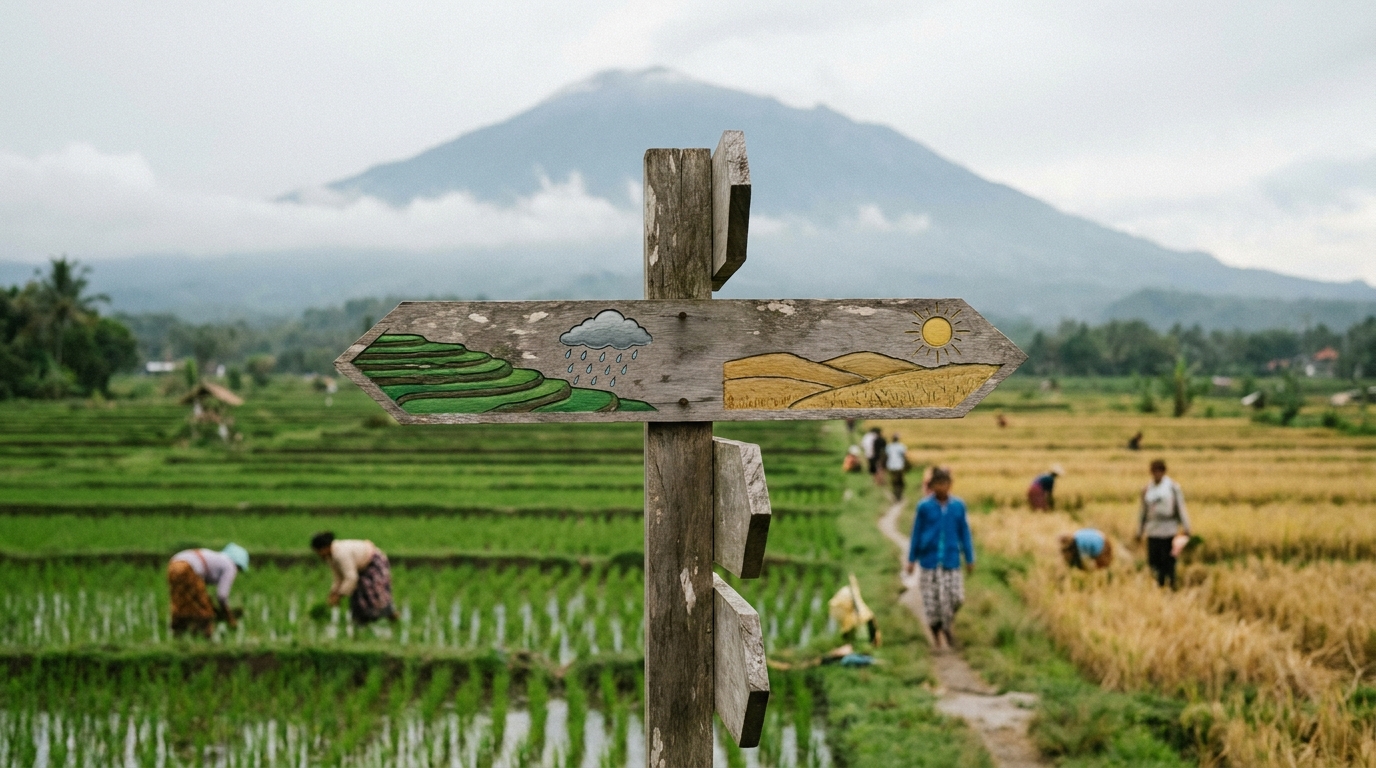
Lombok Seasons at a Glance — Best Time To Visit Lombok
| Season | Months | Weather | Activities |
|---|---|---|---|
| Dry (best) | May–October | Sunny, calm | Rinjani, Gilis, surf |
| Shoulder | March–April | Mixed | Gilis OK, Rinjani risky |
| Wet | November–February | Rain, rough seas | Limited |
The 4-Day Lombok Itinerary
The plan we use ourselves — sent straight to your inbox.
- Day-by-day route
- Where to stay
- Real 2026 costs
Free · No spam · Unsubscribe anytime
Find your Lombok hotel on the map
Live prices from Booking & Airbnb — tap a pin to compare stays around Kuta Lombok and Senggigi and beyond.
Month-by-Month Guide
January–February: Wet Season Peak
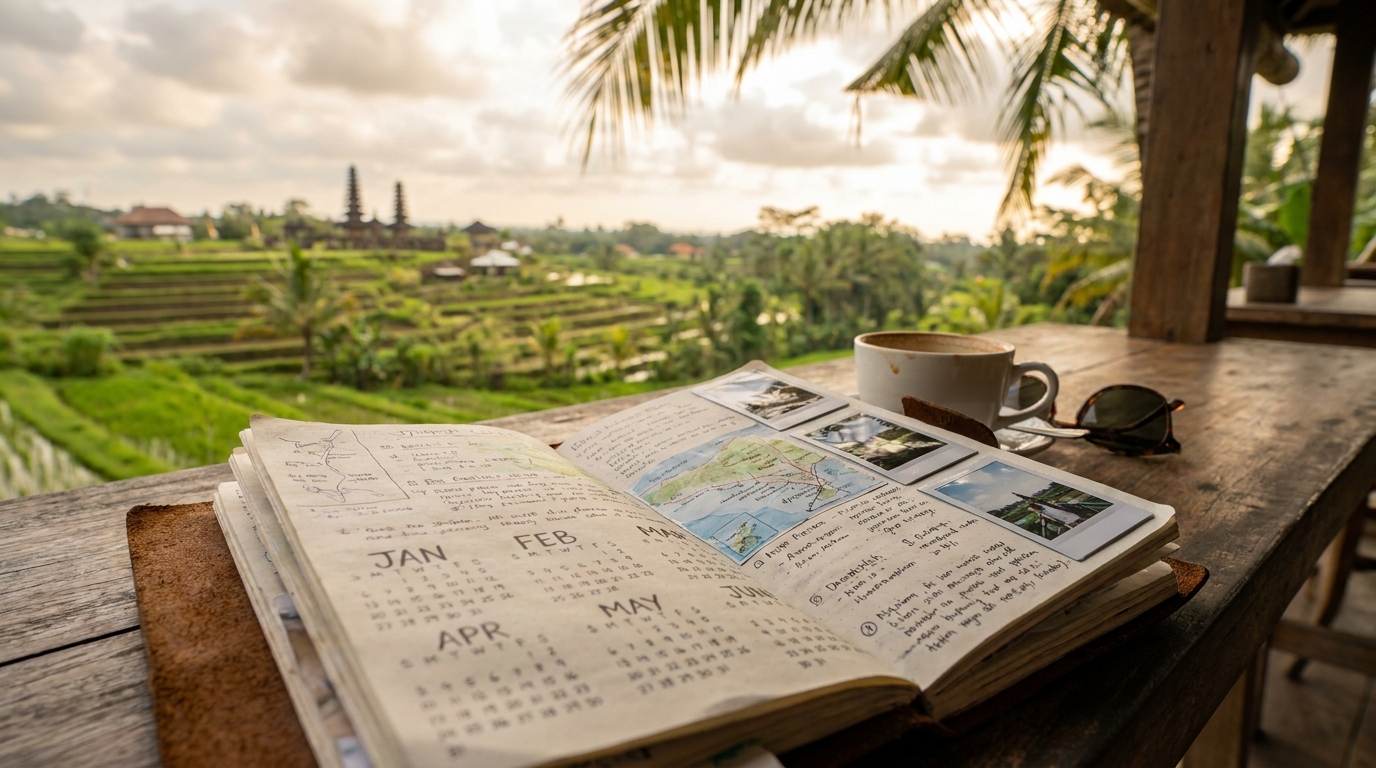
The wettest months. Rain is typically afternoon and evening (not all-day), but seas can be rough. Rinjani is officially closed January–February. Fast boats to the Gili Islands sometimes cancel in bad weather.
What still works: Gili Island beach time between rain, cultural sites (Sade village, Mataram temples), Senggigi restaurants.
Who comes: Almost no tourists. Accommodation 30–50% cheaper than peak. If you’re flexible on activities, this is the best value window.
Avoid if: Rinjani is on your itinerary, or you need reliable Gili boat schedules.
March–April: Transition (Shoulder)
Rain decreases through March, drying out significantly by April. Seas calm down. Rinjani remains officially closed until March 1 (opens March–April cautiously — confirm with operators before booking).
Good for: Gili Islands with fewer crowds than May–September. Kuta surf begins picking up in April.
Practical: Some Rinjani operators resume limited treks from mid-March depending on trail conditions.
May: Start of Dry Season (Excellent)
Consistent dry weather begins. Rinjani open and trails are in good condition after the closed season. Seas calm, visibility high for snorkeling (15–25m). Crowds start building but not yet peak July–August levels.
Best combination month: Rinjani trek + Gili snorkel in the same trip. Weather predictable enough to plan around.
Accommodation: Mid-season pricing — better deals than July–August.
June: Peak Surf + Strong Conditions (Very Good)
Desert Point (Bangko Bangko) starts firing with strong Indian Ocean swells. Dry, low humidity, ideal for trekking. July–August crowds haven’t arrived yet — the sweet spot for experienced travelers who want good conditions without the peak crowd.
Note: Desert Point is expert-only. If surf isn’t the reason you’re here, June is simply the best balance of conditions + crowd levels.
July–August: Peak Season (Great Conditions, Higher Prices)
The most popular months. Dry, sunny, minimal cloud on Rinjani summit mornings. Gili Islands at maximum vibrancy — sunset bars packed, fire shows every night.
Downsides: Gili T accommodation books 2–3 weeks ahead for mid-range. Peak-season pricing across the island (20–35% premium vs shoulder). Rinjani permits hit daily cap (40 trekkers/day via Sembalun, 50/day via Senaru) — book 2–3 weeks ahead.
Best for: First-timers who want guaranteed good weather and the full social atmosphere.
September–October: Late Dry Season (Excellent)
Conditions remain excellent — dry and clear. September is arguably better than July–August: same weather, 20–30% fewer visitors, lower accommodation pricing, Rinjani permits easier to secure. Surf season winds down at Desert Point by late October.
Recommended: Experienced Lombok travelers consistently rate September as their preferred month.
November: Transition (Acceptable)
First rains begin, typically light and brief. Seas start to get choppy by late November — fast boat cancellations possible. Rinjani still open early November; operators begin to close from late November.
Fine for: Short Gili Islands stays, Kuta Lombok beaches (south coast typically stays drier longer). Not recommended for Rinjani.
December: Wet Season Start (Limited)
Rinjani closes December 1. Seas rougher — Gili boat services less reliable. Rain increases significantly. December 20–January 5 is paradoxically a small crowd spike (Christmas–New Year international visitors + premium pricing), despite poor conditions.
If you must visit December: Kuta Lombok, Senggigi restaurants, cultural sites. Avoid scheduling anything weather-dependent.
What the Season Affects
Gili Islands
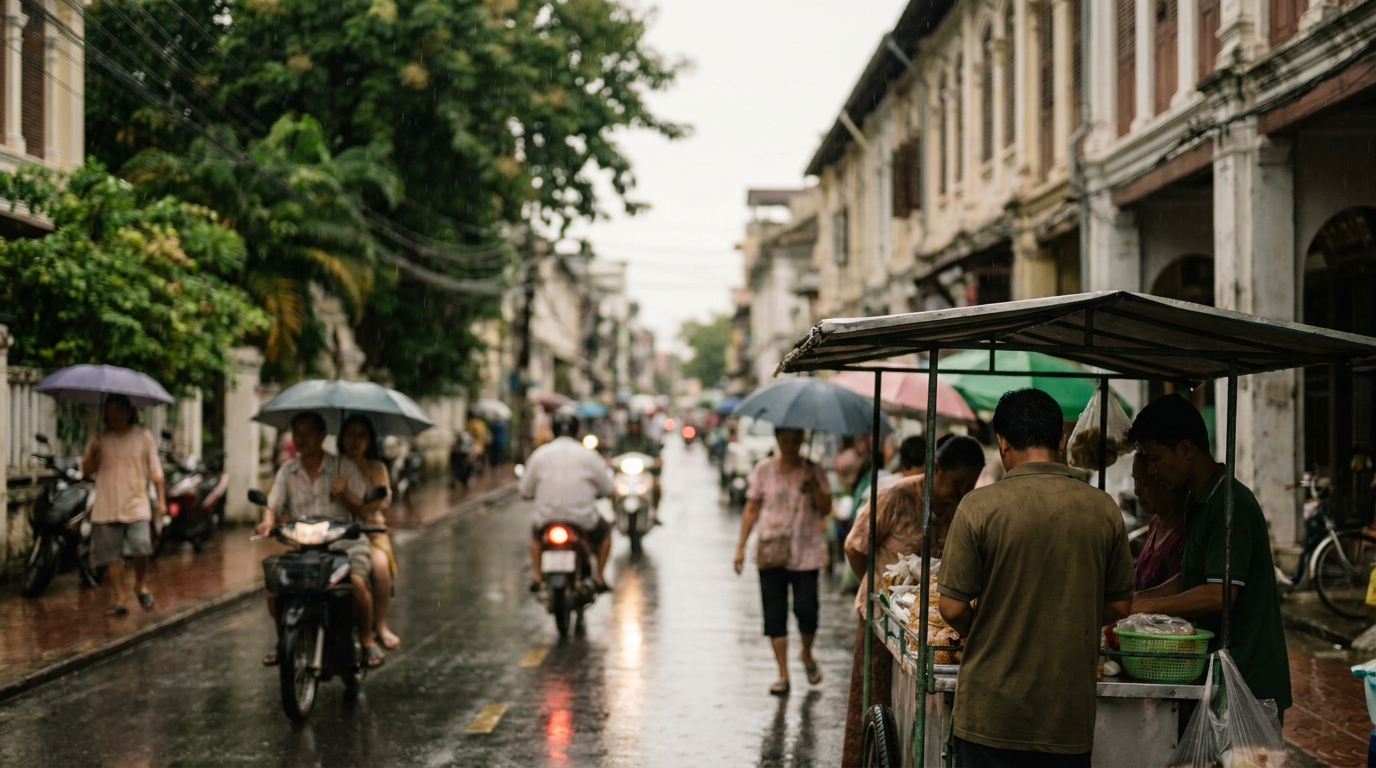
The Gili Islands are usable year-round — the islands are small enough that even in wet season, a few hours of afternoon sun exist most days. The main wet-season issue is boat service reliability, not the islands themselves. July–August brings the best energy and the most international visitors.
Mount Rinjani
Rinjani is the most weather-sensitive activity in Lombok. The national park enforces a hard close December–February (sometimes extending to March depending on trail damage). Outside the closure, wet-season treks are dangerous: slippery volcanic scree, flooding river crossings, zero summit visibility. Only attempt Rinjani May–October.
Surfing
- Desert Point (Bangko Bangko): June–September. Left-hand barrel that requires specific Indian Ocean swells. Expert surfers only.
- Selong Belanak: Year-round, but April–October best for consistent swells.
- Mawi: April–October.
Snorkeling and Diving
Water temperature stays warm (27–30°C) year-round. Visibility is better in dry season (15–25m) vs wet season (5–10m due to runoff). Diving is still viable in wet season for experienced divers on days when seas allow.
Practical Costs by Season
| Season | Accommodation premium | Boat reliability | Crowds |
|---|---|---|---|
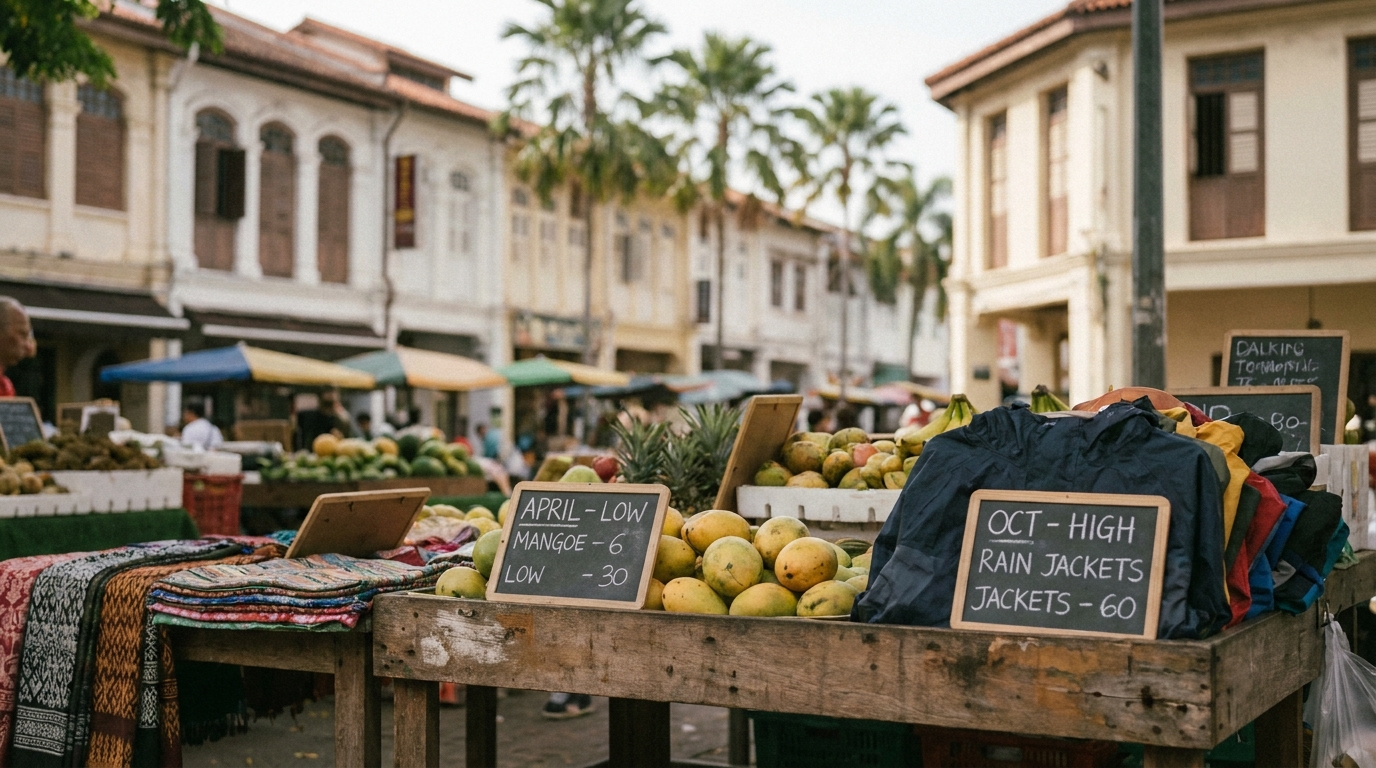
| July–August (peak) | +25–35% | High | High |
| May–June, Sep–Oct | Standard | High | Medium |
| March–April | −10–20% | Good | Low |
| Nov–Feb (wet) | −30–50% | Variable | Very low |
Frequently Asked Questions
What is the best month to visit Lombok?
September or May — both offer dry-season conditions without July–August peak pricing or crowds. September is the stronger recommendation: trails are dry, seas calm, and accommodation readily available.
Is Lombok good in December?
Not ideal. Rinjani closes December 1, and seas can be rough for Gili boat transfers. The Christmas–New Year period brings a crowd spike without corresponding good weather. Better to visit in shoulder or dry season.
Can you visit Lombok in the rainy season?
Yes, with adjusted expectations. The Gili Islands are still enjoyable. Rinjani is off. Rain typically comes in afternoon bursts rather than all-day — mornings are often clear. Budget travelers can find accommodation 30–50% cheaper than peak.
How hot is Lombok?
Coastal areas stay 28–33°C year-round. The Sembalun Valley (Rinjani base at 1,200m) drops to 15–20°C at night — bring a layer. Rinjani crater rim (2,600m) can reach 5–10°C at night during dry season.
Affiliate Disclosure: This post may contain affiliate links. We earn a small commission at no extra cost to you if you book through these links.
Sources:
1. Indonesia Meteorology Agency (BMKG) — Nusa Tenggara seasonal forecasts, 2025
2. Rinjani National Park — official closure schedule, 2025
3. Indonesia.travel — Lombok weather guide, 2025