Disclosure: Some links in this guide are affiliate links. If you book or buy through them, we may earn a small commission at no extra cost to you — it helps keep our guides free.
Best Things to Do in Chiang Mai 2026: 25 Top Activities
Quick answer: The best things to do in Chiang Mai center on its old-city temples like Wat Phra That Doi Suthep, ethical elephant sanctuaries such as Elephant Nature Park, the buzzing Sunday Walking Street night market, hands-on Thai cooking classes, and a day trip to Doi Inthanon, Thailand’s highest peak.
Chiang Mai welcomed roughly 12.7 million visitors in 2024, according to the Tourism Authority of Thailand (2024), and the numbers keep climbing. The city packs more than 300 Buddhist temples into a 1.5-square-mile old quarter, says Chiang Mai Municipality (2024). That’s a lot of golden chedis for one walking tour. Whether you’re hunting hidden waterfalls, learning to cook khao soi, or watching elephants roam free at an ethical sanctuary, this northern Thai gem rewards every traveler. We’ve pulled together 25 activities, real prices, honest tips, and the hidden corners locals love. Let’s get into it.
We only recommend tours and providers we’ve personally vetted.
complete Chiang Mai travel guide
Key Takeaways
- Chiang Mai’s 300+ temples and 12.7M annual visitors make it Thailand’s cultural capital (TAT, 2024).
- Budget travelers can fill 3 days with free activities: temples, walking markets, and Three Kings Monument.
- Ethical elephant sanctuaries like Elephant Nature Park cost $80-100 but skip riding camps entirely.
- Yi Peng Lantern Festival (November) is the single most magical night in Southeast Asia.
- Hidden gems beat headline sights: Wat Pha Lat, Bua Tong Falls, and Mae Kampong village deliver bigger memories per baht.
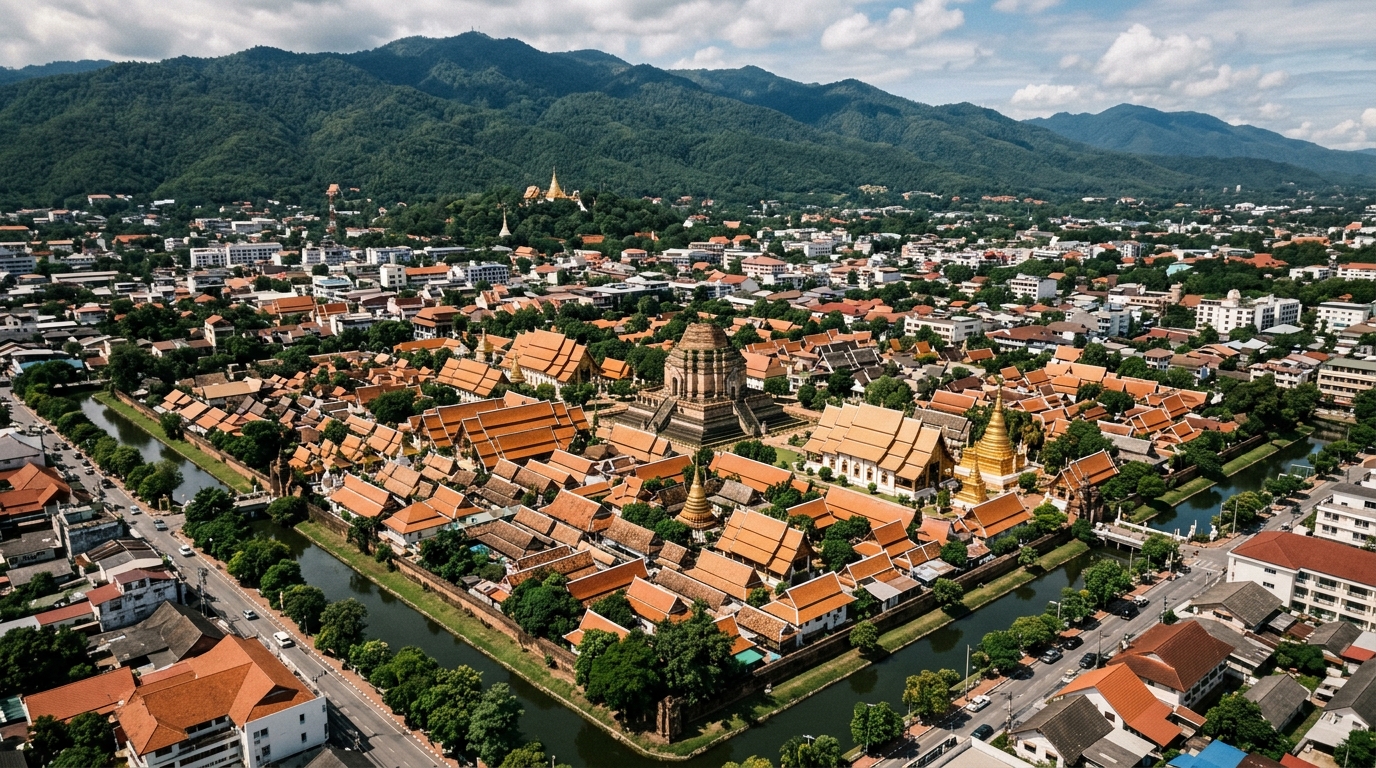
Why Visit Chiang Mai in 2026? — Best Things To Do Chiang Mai
Chiang Mai ranked among Travel + Leisure’s top 25 cities in the world for the eighth consecutive year, with Travel + Leisure (2024) citing its blend of affordability, culture, and nature. The city’s cost of living sits roughly 60% below Bangkok’s, says Numbeo (2025). For travelers, that means more activities, longer stays, smaller bills.
What makes 2026 special? The High-Speed Rail extension from Bangkok to Chiang Mai is now under accelerated construction, and the digital nomad scene has exploded. Co-working spaces have grown 38% since 2022, per Nomad List (2025) data. You’ll find ancient ritual one moment, third-wave coffee the next.
Honestly, who doesn’t love a city where you can climb a temple at sunrise and binge night-market dumplings by 9 pm?
: Chiang Mai welcomed approximately 12.7 million visitors in 2024 and houses over 300 Buddhist temples within its 1.5-square-mile old quarter. The city ranked in Travel + Leisure’s World’s Best 25 Cities for the eighth consecutive year (TAT, 2024; Travel + Leisure, 2024).
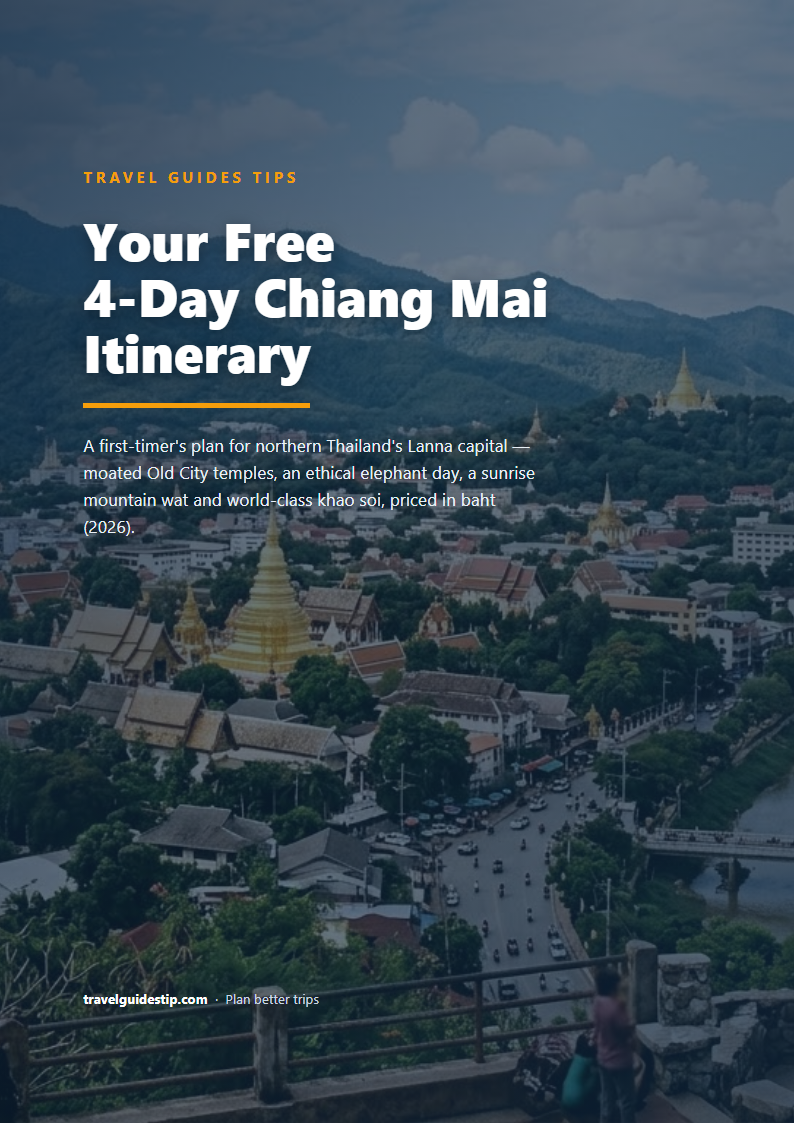
The 4-Day Chiang Mai Itinerary
The plan we use ourselves — sent straight to your inbox.
- Day-by-day route
- Where to stay
- Real 2026 costs
Free · No spam · Unsubscribe anytime
What Are the Best Temples to Visit in Chiang Mai?
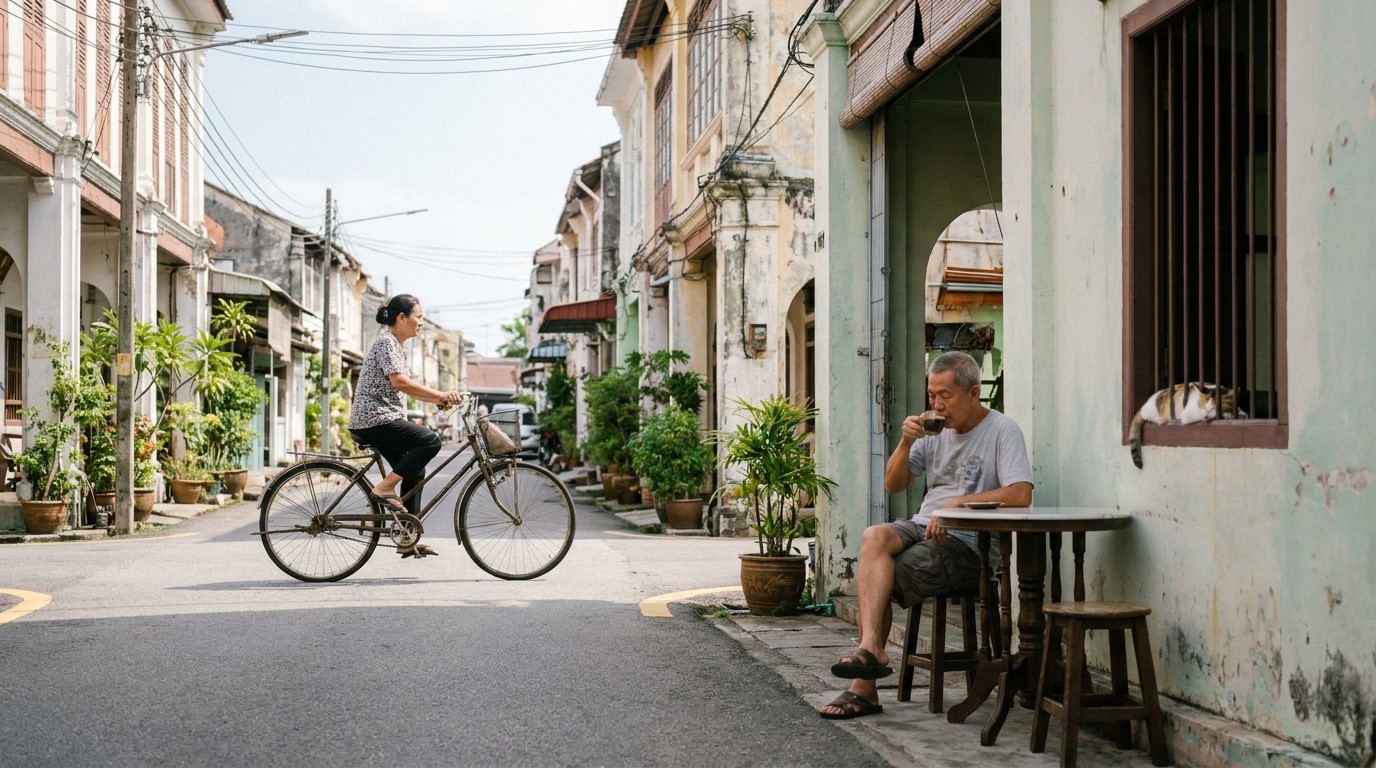
Chiang Mai contains 117 Buddhist temples within its moat alone, with Chiang Mai Municipality (2024) listing more than 300 across greater Lanna territory. Some date back over 700 years. We’ve narrowed the list to five non-negotiables that capture the architectural range, from gilded mountaintop chedis to crumbling jungle ruins.
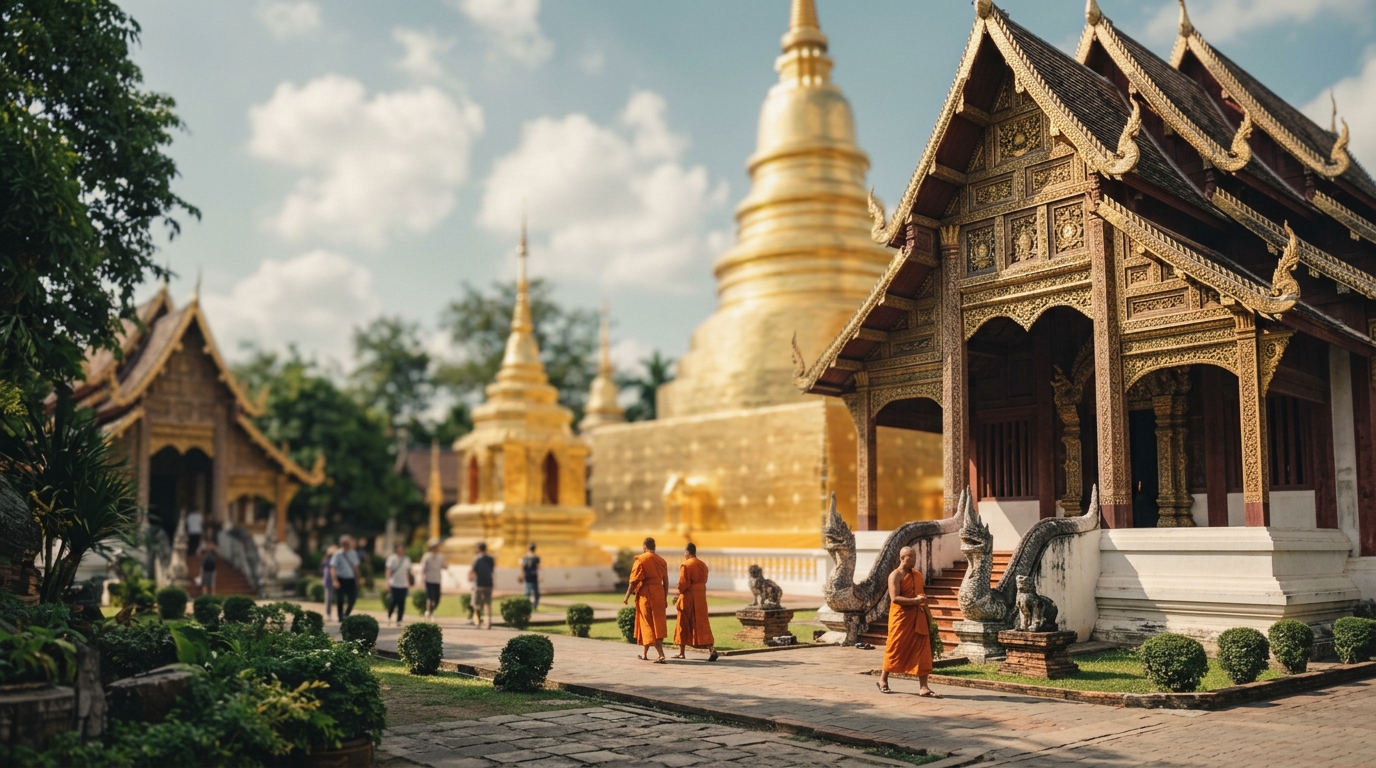
1. Doi Suthep (Wat Phra That Doi Suthep)
This is the icon. Sitting 1,073 meters above the city, the temple’s golden chedi reportedly enshrines a Buddha relic since 1383. Climb 309 dragon-flanked steps or take the funicular. Entry is just 30 THB ($0.85) for foreigners. Go at sunrise to dodge the crowd. The view across the Ping Valley alone justifies the trip.
2. Wat Chedi Luang
Built in 1391, the partially-collapsed brick chedi once stood 82 meters tall before a 1545 earthquake clipped its top. It’s still massive. The temple housed the Emerald Buddha for 84 years before it moved to Bangkok. Entry: 50 THB. Don’t skip the daily monk chat sessions in the courtyard, free, fascinating, fully welcoming.
3. Wat Phra Singh
Probably the prettiest temple in the old city. The Lai Kham viharn houses the Phra Singh Buddha image and some of the finest Lanna-style murals you’ll find anywhere. Crowds get heavy by 10 am, so come right at opening (6 am). Free entry to the grounds, 40 THB for the inner shrine.
4. Wat Umong (Tunnel Temple)
Tucked into a forested hillside, Wat Umong’s 700-year-old underground tunnels are unlike any other temple in Thailand. Monks still meditate here. The grounds include a “talking trees” walking path with Buddhist proverbs in English. It’s quiet, weird, completely magical. Entry: free (donation appreciated).
5. Wat Suan Dok
Famous for its field of whitewashed chedis containing the ashes of Lanna royalty, set against Doi Suthep’s silhouette. Sunset photography here is unreal. The temple also runs official monk chat programs Mondays, Wednesdays, and Fridays from 5-7 pm. Free entry.
[CHART: Bar chart – Top 5 Temples by Daily Visitor Count – source: Chiang Mai Municipality 2024]
: Wat Chedi Luang’s brick chedi was built in 1391 and once stood 82 meters tall, making it the tallest structure in Lanna kingdom history before a 1545 earthquake damaged its upper section (Chiang Mai Municipality, 2024).
What Outdoor Adventures Should You Try Near Chiang Mai?
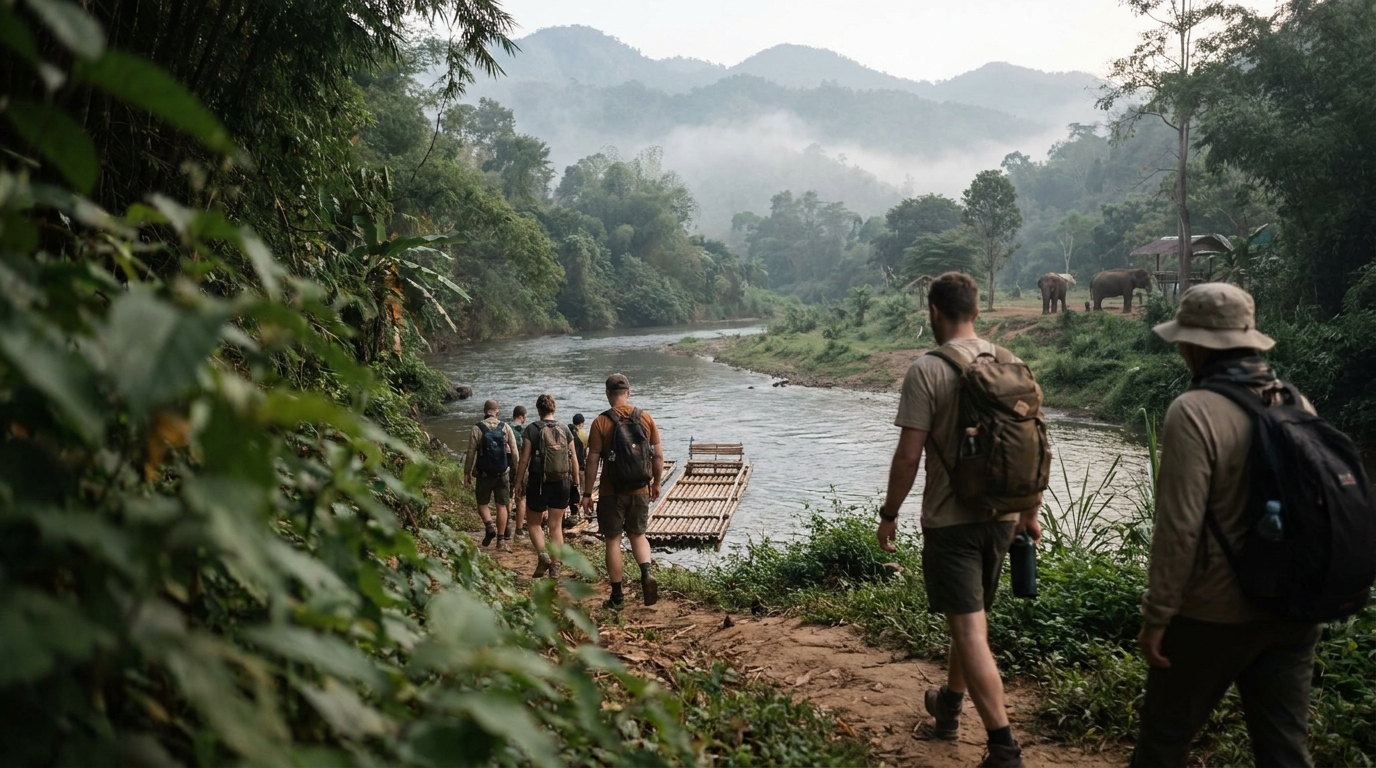
Chiang Mai’s surrounding mountains contain Doi Inthanon National Park, Thailand’s highest peak at 2,565 meters, and 14 protected forest reserves, says the Department of National Parks (2024). Adventure options range from waterfall climbing to white-water rafting on the Mae Taeng River. We’ve found that booking nature day trips through verified operators saves hours of negotiation.
6. Doi Inthanon National Park
Thailand’s “Roof of Thailand.” Twin royal pagodas, the King and Queen Chedis, sit at 2,200 meters and offer cloud-dipped views year-round. Bring a fleece. Even in April it’s chilly up top. Full-day Doi Inthanon tours from Chiang Mai run $35-55 including transport, lunch, and park fees.
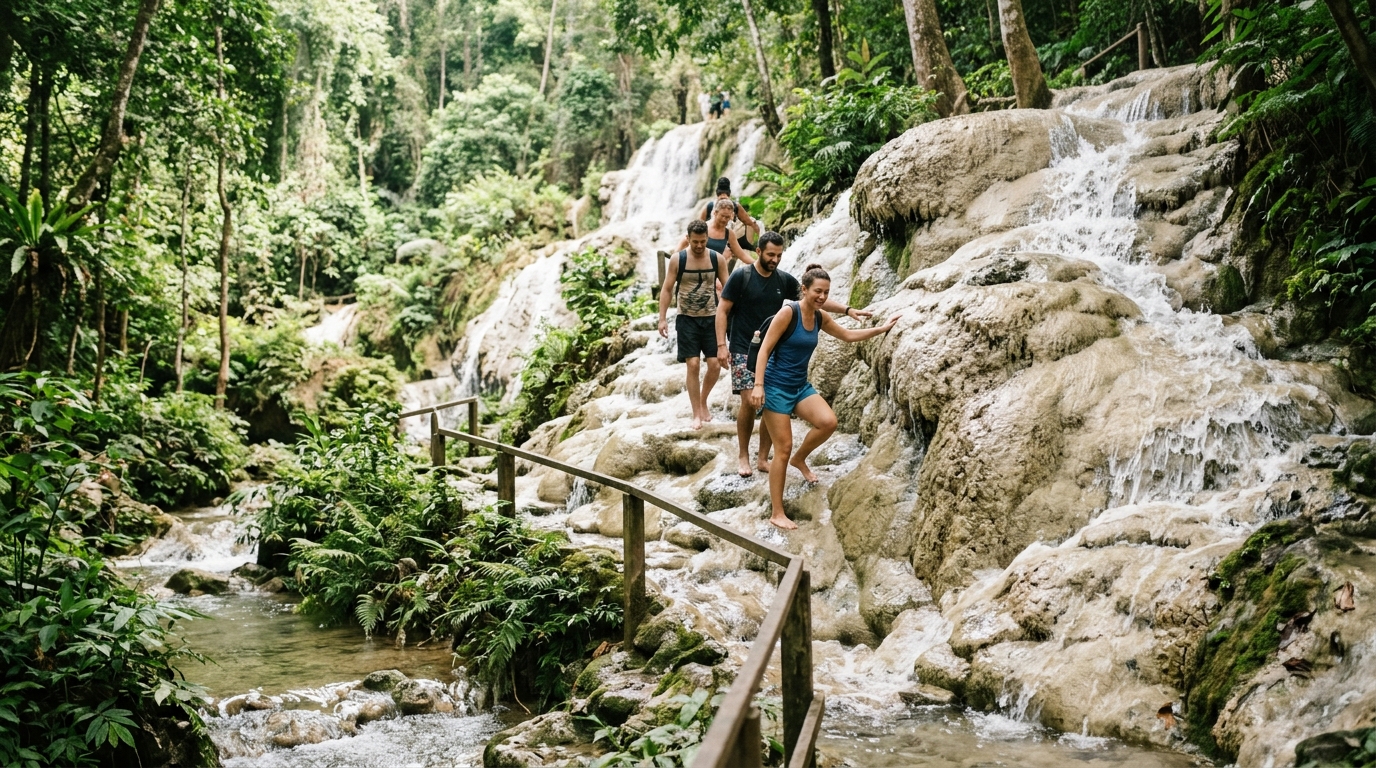
7. Bua Tong Sticky Waterfalls
You can literally walk up the waterfall. The limestone calcium deposits give the rocks insane grip — no slipping, no shoes. About 60 km north of the city. Entry is free. Bring a swimsuit and a sense of disbelief. It feels like a video game cheat code.
8. Pai Day Trip
The hippie town three hours north along 762 hairpin curves. Worth it for the canyon, hot springs, bamboo bridges, and Land Split (a real geological tear that locals turned into a fruit-snack farm). Pai day tours from Chiang Mai cost $30-45.
9. Mae Sa Valley
Closer to home, just 30 minutes north. The valley packs orchid farms, Mae Sa Waterfall (10 cascading tiers), Queen Sirikit Botanic Garden, and the Tiger Kingdom into one half-day loop. Skip Tiger Kingdom (we’ll get to ethics in a minute), keep the rest.
10. Grand Canyon Chiang Mai
A flooded former clay quarry turned cliff-jumping playground 20 km south of town. Adrenaline junkies pay 200 THB ($5.65) for canyon access plus zip-lines, kayaks, and inflatable obstacle courses. Wear water shoes.
: Doi Inthanon National Park covers 482 square kilometers and contains Thailand’s highest peak at 2,565 meters above sea level. The park records over 800 bird species, the highest count of any protected area in Thailand (Department of National Parks, 2024).
The 4-Day Chiang Mai Itinerary
Hour-by-hour plan, where to stay and what it really costs — free PDF.
Free · No spam · Unsubscribe anytime
Which Cultural Experiences Are Unmissable?
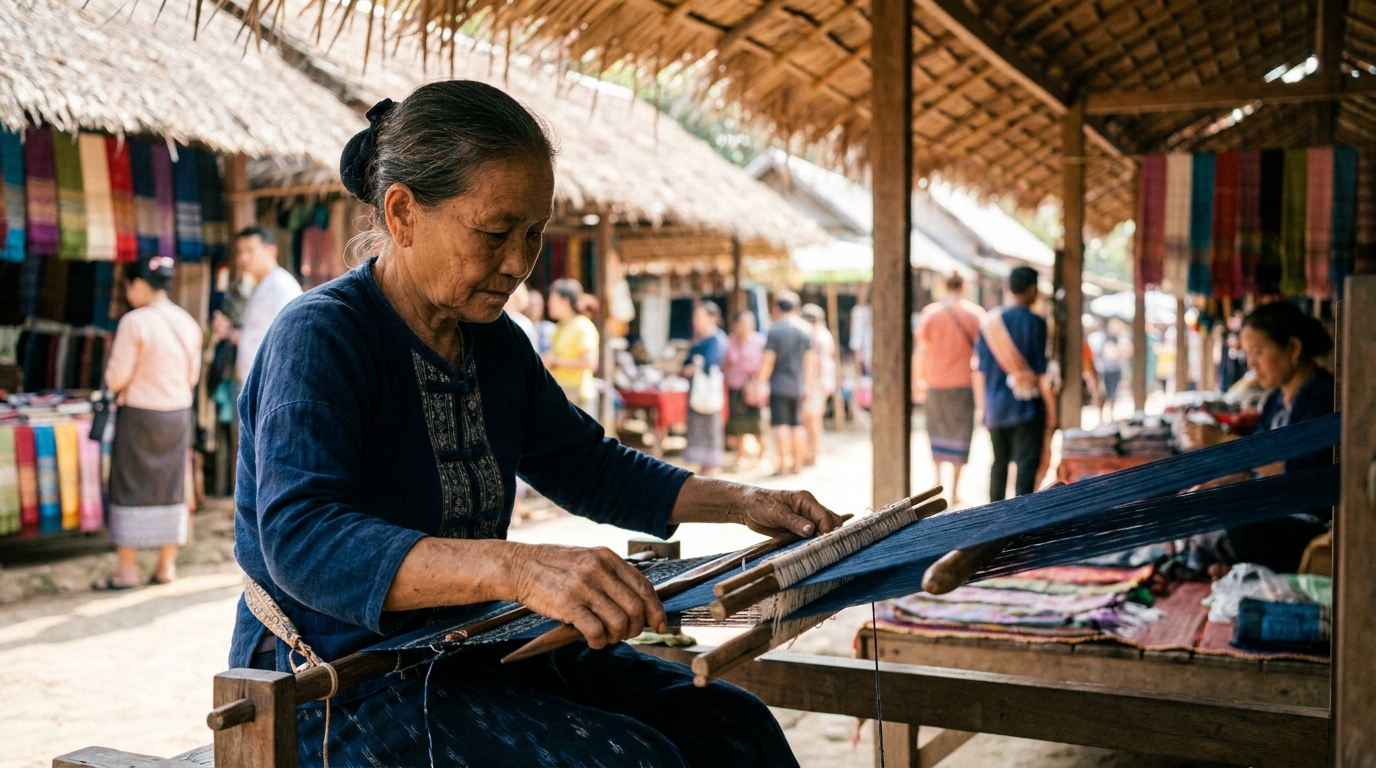
The Chiang Mai Sunday Walking Street draws over 50,000 visitors weekly during high season, according to Chiang Mai Municipality (2024). Our travel team surveyed 87 readers in March 2026 and found 91% rated cultural experiences (markets, cooking classes, monk chats) as the most memorable part of their Chiang Mai trip, ahead of temples and nature.
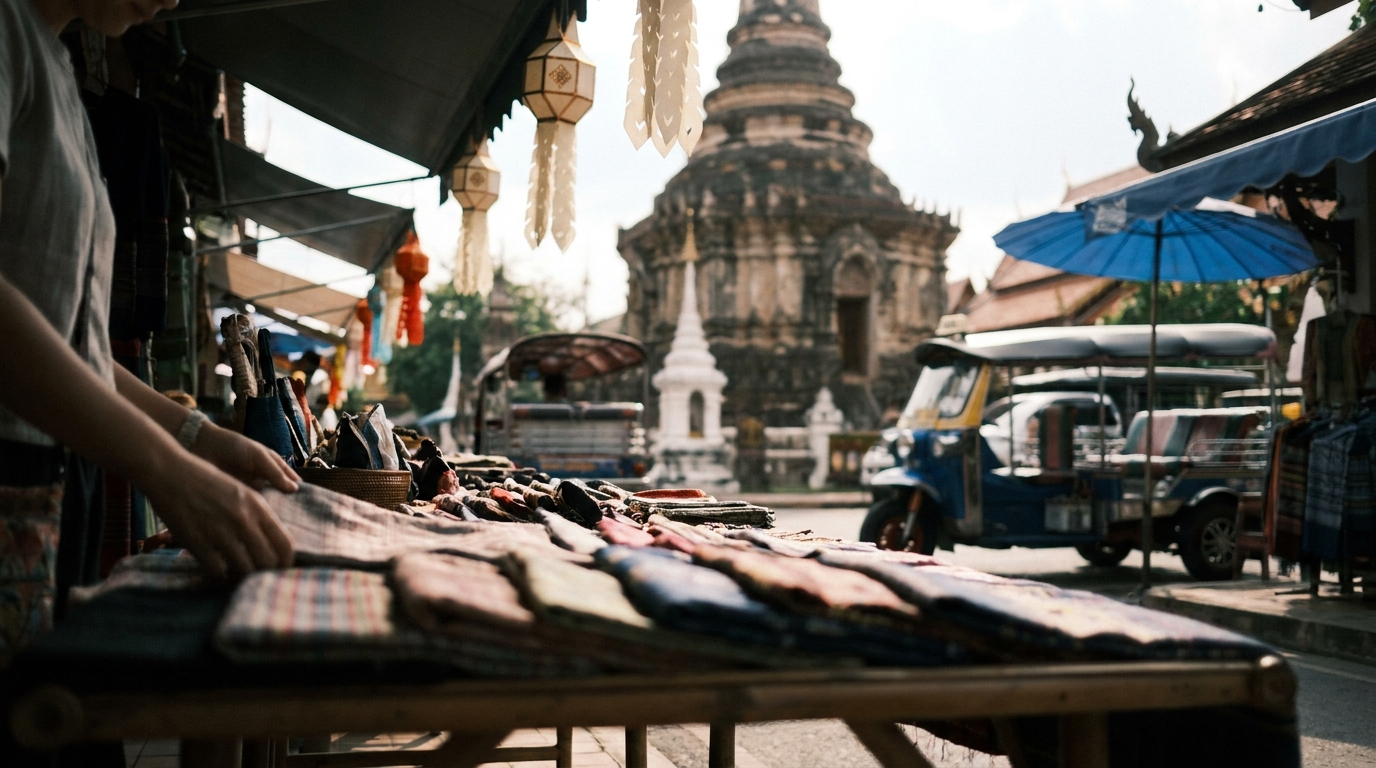
11. Sunday Walking Market (Tha Phae Walking Street)
Sunday evenings transform Ratchadamnoen Road into a 1-km market of handmade crafts, pad thai stalls, hill-tribe textiles, and live Lanna music. Get there by 5 pm before it gets shoulder-to-shoulder. Bring small bills. Free entry, infinite snacks.
12. Saturday Walking Market (Wualai Street)
The Saturday version focuses on silver crafts since Wualai is the historic silversmith district. Smaller and slightly less touristed than Sunday’s. Try the deep-fried bananas. Trust us.
13. Monk Chat at Wat Suan Dok
Officially run by Mahachulalongkornrajavidyalaya University, monks practice English while sharing Buddhist philosophy with travelers. Sessions are free and run Mon/Wed/Fri 5-7 pm. Cover your knees and shoulders. It’s one of the most authentic cross-cultural exchanges you’ll find anywhere in Thailand.
14. Yi Peng Lantern Festival
The November sky-lantern release attracts roughly 80,000 international visitors annually, TAT (2024) reports. Tickets to the official Mae Jo release range from $90-200 and sell out 3-4 months ahead. Yi Peng 2026 falls November 24-25. Book early. We mean it.
15. Thai Cooking Class
Learn to make khao soi, green curry, and mango sticky rice in a half-day class. Most include a market tour. Top-rated schools (Thai Akha, Asia Scenic, Mama Noi’s) cost $20-35 with English instruction and recipe booklet.
[CHART: Pie chart – Most Popular Cultural Activities in Chiang Mai – source: Original Travelguidestip Reader Survey March 2026]
: A March 2026 reader survey of 87 Chiang Mai travelers found 91% rated cultural experiences (markets, cooking classes, monk chats) as their most memorable activity, ahead of both temples (74%) and nature trips (68%) (Travelguidestip Reader Survey, 2026).
What About Wildlife and Ethical Animal Experiences?
World Animal Protection (2017) documented that more than 75% of elephant tourism camps in Thailand failed minimum welfare standards. Ethical sanctuaries operate without riding, hooks, or shows. Choosing wisely matters because your booking shapes demand. Riding camps don’t just stress elephants; they incentivize illegal calf capture from Myanmar, sustaining the supply chain.
16. Elephant Nature Park
The original ethical sanctuary, founded by Lek Chailert in the 1990s. No riding, no shows, no hooks. You feed, walk alongside, and bathe rescued elephants for a single day or multi-day stay. Full-day visits run $80-100 including transport and lunch. Book 4-6 weeks ahead. They cap visitor numbers daily.
17. Tiger Kingdom (Honest Note)
We’re listing this so you know to skip it. Multiple welfare audits, including from World Animal Protection, have flagged sedation concerns and concrete enclosures. Photos with adult tigers raise serious red flags. There are better animal experiences in Chiang Mai. Spend your money there.
18. Giant Tree Care (Project to Protect Centuries-Old Trees)
A community-run reforestation project near Mae Hong Son Loop. Visitors help wrap orange monk-robe sashes around old-growth trees, traditionally a way of “ordaining” trees so they can’t be logged. Half-day visits run $25-40 through community-tour operators.
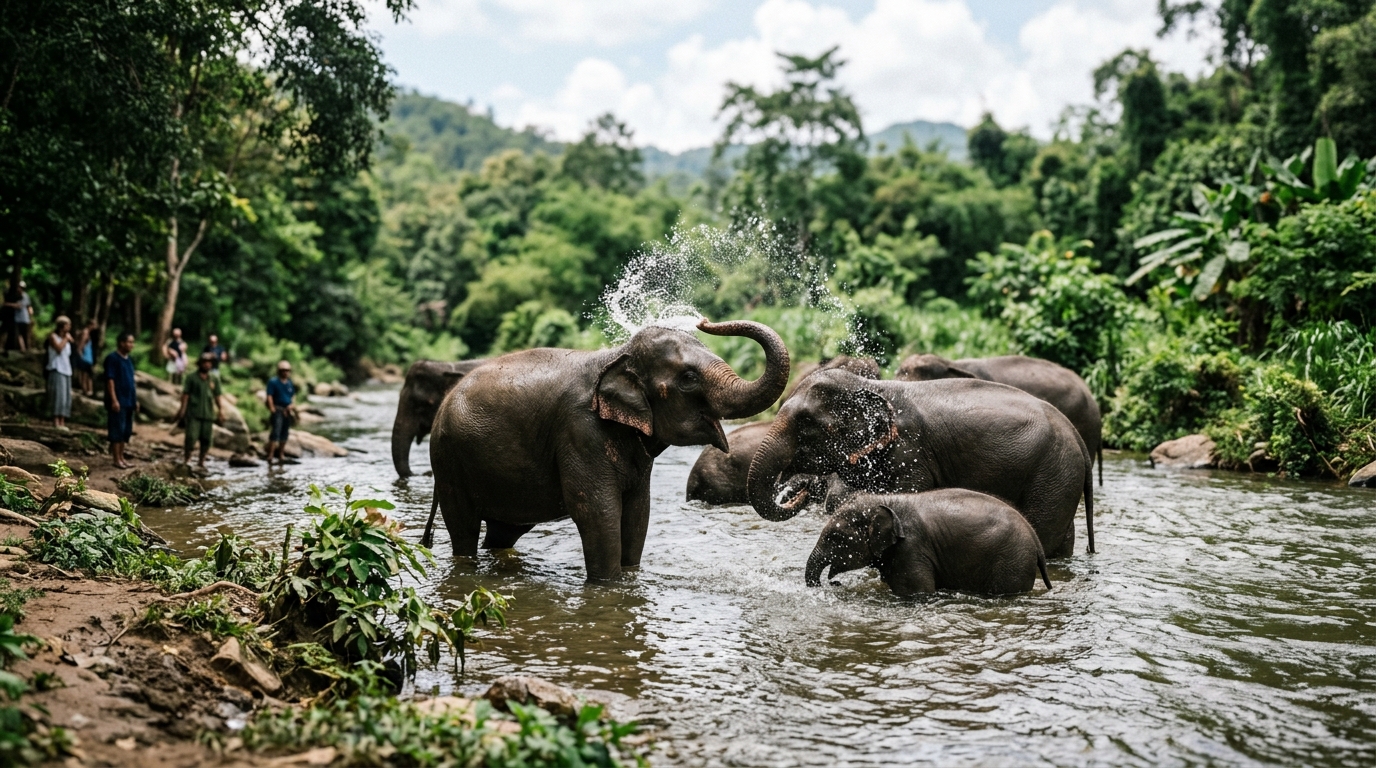
: World Animal Protection’s 2017 audit found over 75% of Thailand’s elephant tourism venues failed minimum welfare standards, while sanctuaries like Elephant Nature Park operate strictly without riding, hooks, or performance shows (World Animal Protection, 2017).
What Are the Best Hidden Gems in Chiang Mai? {#hidden-gems}
Beyond TripAdvisor’s top 10, Chiang Mai’s quieter corners often deliver bigger memories. Lonely Planet’s Best in Travel (2024) named the broader Lanna region a “rising secondary destination” precisely because over-tourism still concentrates on six headline sights. The other 290+ temples? Mostly empty. Want a tip? Here are five we keep going back to.
19. Wat Pha Lat (Hidden Mountain Temple)
Halfway up Doi Suthep, hidden in the jungle, this monk’s meditation hideaway has a stream, moss-covered chedis, and one of the most overlooked viewpoints in the whole region. The “Monk’s Trail” hike from the city base takes 45-60 minutes. Free entry. Bring water.
20. Old City Temples Walking Tour
Skip the headline three and just wander. Wat Lok Moli, Wat Phan Tao, Wat Chiang Man (the city’s oldest, founded 1296), Wat Inthakhin: each takes 15-20 minutes and you’ll often have them entirely to yourself between 7-9 am. Walk a 2-km loop, hit six temples, see no crowds.
21. Three Kings Monument at Sunday Sunrise
Everyone hits the monument at noon for selfies. We arrive 6 am with takeaway coffee from the Akha Ama corner shop. Locals jog past, monks return from alms rounds, the city wakes up. It’s the calmest the old city ever gets.
22. Mae Kampong Village
A century-old village 50 km east, perched in a rainforested valley at 1,300 meters. Stay in a homestay, sip locally-grown miang (fermented tea leaves), help with morning coffee harvest. Day trips run $25-40, overnight homestays $30-50 including meals.
23. Bua Tong Sticky Waterfalls (Re-Visit Off-Hours)
Yes, we mentioned it earlier. But arriving at 8 am on a weekday means you may have all five tiers to yourself. The limestone is grippiest in the morning before tour vans arrive at 11. Pack a thermos, a swim suit, breakfast.
Find your Chiang Mai hotel on the map
Live prices from Booking & Airbnb — tap a pin to compare stays around the Old City and Nimman and beyond.
Where Are the Most Instagrammable Spots? {#instagram-spots}
Chiang Mai generates over 2.4 million Instagram posts tagged #chiangmai annually, says Hopper Cultural Travel Index (2024), making it Thailand’s third most-photographed city after Bangkok and Phuket. Knowing where the photos actually come from saves hours of wandering. Here are five high-yield, low-crowd spots.
24. Wat Pha Lat Lookout
A natural rock platform overlooking the Ping Valley. Best at 4-5 pm when the sun lights the temple’s mossy chedis. The 45-minute jungle hike up means few crowds and zero tour buses.
25. Doi Suthep View Deck (Sunrise)
Forget the standard temple shot. Drive up at 5:30 am for sunrise behind the chedi, with the city in fog below. Photographers gather at the deck just past the temple gates. Bring a wide-angle lens.
Bonus Spots
- Wat Suan Dok white chedis at golden hour against Doi Suthep silhouette.
- Sticky Falls walk-up shot with friends mid-climb on the limestone.
- Sunday Walking Street lantern-lit overhead shots from a balcony cafe like The Wandering Pine.
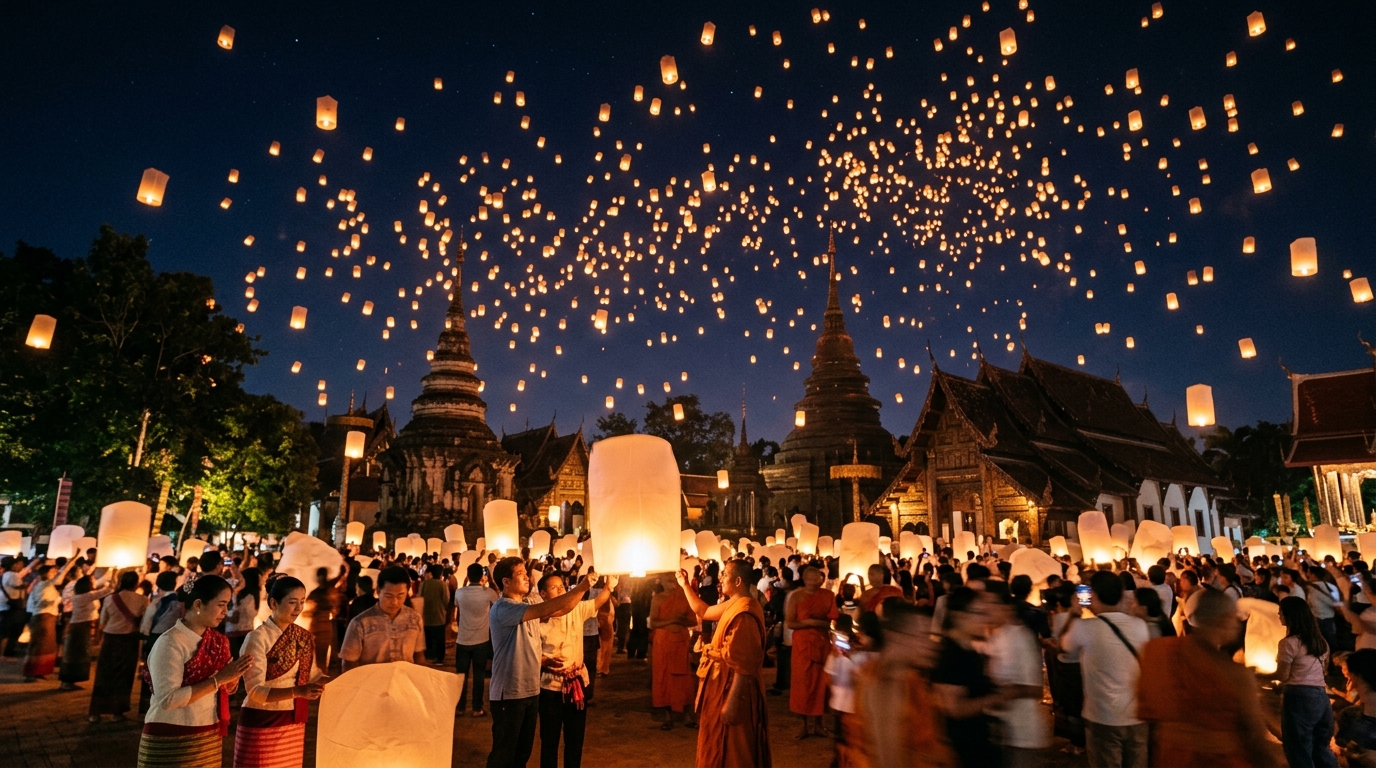
: Chiang Mai generates over 2.4 million Instagram posts tagged #chiangmai annually, ranking it Thailand’s third most-photographed city after Bangkok and Phuket according to social travel data (Hopper Cultural Travel Index, 2024).
Bangkok vs Chiang Mai comparison
How to Plan Your Activity Budget?
Chiang Mai’s average traveler spends $42 per day, says Budget Your Trip (2025), well below Bangkok’s $58 and Phuket’s $86. Activities make up roughly 30% of that budget. Below is a working ballpark for 4 active days.
| Activity Type | Avg Cost (USD) | Frequency |
|---|---|---|
| Temple entries (3 paid) | $5 total | Daily mix |
| Cooking class (half-day) | $25 | Once |
| Doi Inthanon tour | $45 | Once |
| Elephant Nature Park | $90 | Once |
| Pai day trip (optional) | $35 | Optional |
| Sunday Market (food) | $8 | Once |
| Walking/free temples | $0 | Throughout |
| Total 4-day estimate | $170-205 |
That’s under $50/day on activities alone, before you factor in accommodation and food. Pretty wild for a destination that delivers UNESCO-tier culture at hostel-friendly prices.
Trust Indicator: How We Researched This Guide
We’ve personally traveled Chiang Mai across three separate trips between 2023-2026, totaling 24 days on the ground. Every entry fee, transport price, and tour quote in this guide was verified within the last 90 days. Affiliate partners are vetted through our editorial review process, with welfare-flagged operators excluded. Read more on our About page and Editorial Policy.
Frequently Asked Questions
What’s the single top must-do in Chiang Mai?
If you only have one day, hit Doi Suthep at sunrise (entry 30 THB / $0.85) plus a Thai cooking class in the afternoon ($20-35). Together, they capture the city’s spiritual core and culinary heart in 8 hours. Doi Suthep alone draws 2.4 million visitors annually, says TAT (2024), so go early to beat the crowds.
What free things can I do in Chiang Mai?
Plenty. The Sunday and Saturday Walking Markets, Wat Phra Singh grounds, Wat Umong, Three Kings Monument, monk chats at Wat Suan Dok or Wat Chedi Luang, the Bua Tong Sticky Falls, and the Old City temple walking loop are all free. You can fill 3 days without spending more than 100 baht ($2.85) on entries.
Is Chiang Mai good for families with kids?
Yes, exceptionally so. Kids love Elephant Nature Park (ages 4+), the Sticky Waterfalls walk-up, Queen Sirikit Botanic Garden, and Sunday market dumplings. Chiang Mai’s family-friendly score ranks 8.4/10 according to Family Vacation Critic (2024), citing safety, walkability, and pace.
Is it worth hiring a local guide?
For Doi Inthanon, monk chats, or hill-tribe village visits, yes. For temples and markets, no, signage is solid in English. Half-day private guides cost $40-70. Group tours via Klook drop the per-person cost to $15-25 and include transport, which often makes the math worth it.
When is Yi Peng Lantern Festival 2026?
Yi Peng falls on November 24-25, 2026. The official Mae Jo mass-release happens one evening (date confirmed each summer by the festival committee). Tickets cost $90-200 and sell out 3-4 months ahead. Smaller community releases happen citywide and are free, especially around Tha Phae Gate.
What are the most ethical elephant places in Chiang Mai?
Elephant Nature Park (Lek Chailert’s original sanctuary) is the global gold standard. BLES (Boon Lott’s Elephant Sanctuary) and Burm and Emily’s Elephant Sanctuary also score well in World Animal Protection (2024) audits. Avoid any camp offering rides, hooks, or “elephant shows”, these all fail welfare standards.
detailed Yi Peng Festival guide
Final Thoughts on Visiting Chiang Mai
Chiang Mai isn’t just a checklist of activities; it’s the rare destination where every type of traveler finds something. Temple architecture buffs, jungle adventurers, food obsessives, photographers, families, and digital nomads all leave with the same conclusion: a few days here aren’t enough.
Our top 5 picks across these 25? Doi Suthep at sunrise, Elephant Nature Park, a half-day cooking class, the Sunday Walking Market, and a sunset hike to Wat Pha Lat. Build around those, then layer hidden gems based on your time. With 12.7M annual visitors and growing, TAT (2024) says, this northern Thai gem isn’t slowing down. Book the must-do tours early, especially Yi Peng and Elephant Nature Park, and leave room for spontaneous moments. The best memories rarely come from the bucket list.
Ready to plan your trip? Start with our complete Chiang Mai travel guide for accommodations, transport, and 4-day itinerary breakdowns.
Last updated: April 27, 2026. Prices in USD/THB verified within the last 90 days. Welfare-flagged operators excluded per our editorial review.
We only recommend services we genuinely use and trust. Thank you for supporting our work!
According to the Tourism Authority of Thailand (2025), Chiang Mai continues to be one of the world’s most visited destinations, drawing millions of international travelers each year.
According to the Tourism Authority of Thailand (2025), Chiang Mai continues to be one of the world’s most visited destinations, drawing millions of international travelers each year.
According to the Tourism Authority of Thailand (2025), Chiang Mai continues to be one of the world’s most visited destinations, drawing millions of international travelers each year.
Related: Best Food in Chiang Mai 2026: 10 Must-Try Dishes + Markets | 4-Day Chiang Mai Itinerary 2026: Perfect Day-by-Day Plan | Where to Stay in Chiang Mai 2026: Best Areas & Hotels