Is Singapore Safe?
By TravelguidestipUpdated 7 min readHow we earn
Hotel buttons open Stay22 (Booking.com, Agoda and others) and tour buttons open GetYourGuide. We may earn a commission at no extra cost to you.
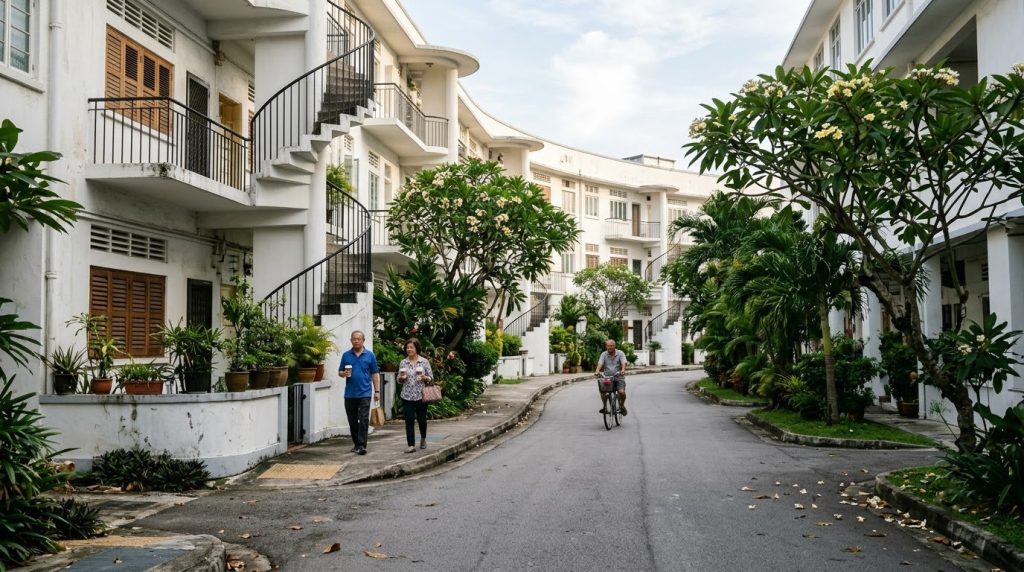
Singapore is safe. The real risk here is not crime, it is the law, since fines and even jail time for things like vaping, drug possession and littering catch out tourists who treat Singapore like anywhere else.
| Risk | Reality | What to do |
|---|---|---|
| Violent crime or mugging | Very rare · Low | Heavy policing and citywide CCTV |
| Vaping or e-cigarette possession | Common tourist mistake · High — fine, jail or deportation | Leave vapes at home before you fly |
| Littering, jaywalking or chewing gum | Common if careless · Low to moderate — on-the-spot fines | Basic awareness of local rules |
| Drug possession or trafficking | Rare among tourists · Severe — includes the death penalty for trafficking | Never carry, hold or transport unknown substances |
| Dengue fever | Present year-round · Moderate | Insect repellent and covering up at dawn and dusk |
What is low-risk
- Low crime. Most Australians will feel safer walking around Singapore at night than they do in their own city.
- Food hygiene. On the upside, food hygiene is high: hawker centres are graded and inspected by the National Environment Agency
- Transport. Singapore’s public transport is one of the safer and cleaner systems in the region
What to watch
- Strict laws. Singapore’s laws are strict and consistently enforced, so tourists get fined or arrested for things that are legal or barely policed back home.
- Vaping. possessing, using or importing a vape or e-cigarette is illegal for everyone, including tourists in transit
- Heat. Singapore’s climate causes more trip disruption than crime ever will.
- Dengue. Dengue fever is present in Singapore all year
Singapore is safe: the 2026 Global Peace Index ranks it 8th safest country in the world, and Australia’s Smartraveller rates it at the lowest of its four advisory levels, exercise normal safety precautions. The real risk here is not crime, it is the law, since fines and even jail time for things like vaping, drug possession and littering catch out tourists who treat Singapore like anywhere else.
| Risk | How likely | How serious | What actually prevents it |
|---|---|---|---|
| Violent crime or mugging | Very rare | Low | Heavy policing and citywide CCTV |
| Vaping or e-cigarette possession | Common tourist mistake | High — fine, jail or deportation | Leave vapes at home before you fly |
| Littering, jaywalking or chewing gum | Common if careless | Low to moderate — on-the-spot fines | Basic awareness of local rules |
| Drug possession or trafficking | Rare among tourists | Severe — includes the death penalty for trafficking | Never carry, hold or transport unknown substances |
| Heat exhaustion or dehydration | Common | Low to moderate | Water breaks, shade and light clothing |
| Dengue fever | Present year-round | Moderate | Insect repellent and covering up at dawn and dusk |
Crime is genuinely low – safer than home for most
Most Australians will feel safer walking around Singapore at night than they do in their own city. The 2026 Global Peace Index places Singapore 8th out of all countries measured, ahead of most of Western Europe and well ahead of Australia.
Singapore’s police force recorded 20,857 physical crime cases in 2025, a 4.4% rise on 2024’s 19,969, but the increase was driven mainly by scams and outrage-of-modesty cases, not violent crime, which stays close to zero.
Solo women travellers routinely rate Singapore among the most comfortable cities in Asia to walk through alone after dark, and families report the same ease of movement around transit and tourist zones.
It is normal to walk between attractions like Gardens by the Bay and Marina Bay Sands late at night, and most of the best things to do in Singapore sit in well-lit, well-patrolled areas that stay busy until midnight.
LGBTQ+ travellers face no legal risk from consensual relationships, since Singapore repealed the colonial-era law criminalising sex between men in 2022, though public attitudes remain more conservative than Australia’s and public displays of affection draw more attention than they would at home.
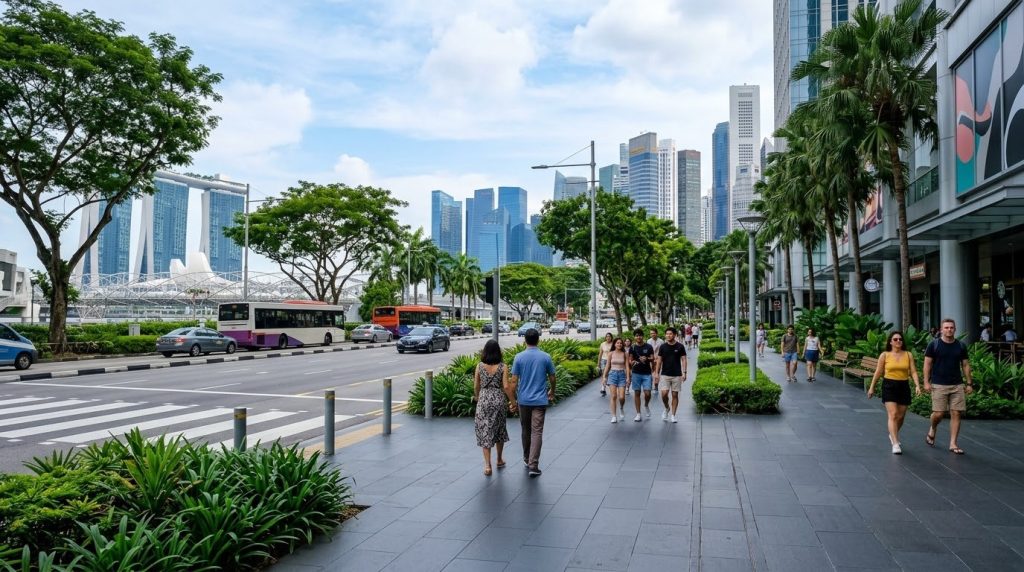
The real risk is the law, not criminals
Singapore’s laws are strict and consistently enforced, so tourists get fined or arrested for things that are legal or barely policed back home.
The clearest example is vaping: possessing, using or importing a vape or e-cigarette is illegal for everyone, including tourists in transit, and a conviction carries a fine of up to S$10,000 or up to six months in jail for a first offence, rising to S$20,000 or 12 months for a second, with convicted foreigners deported and barred from re-entry.
Singapore’s Immigration & Checkpoints Authority actively screens luggage for vapes at Changi Airport, so the only safe move is leaving them at home. Chewing gum is banned outright, and importing it carries a fine of up to S$10,000 or up to a year in jail for a first offence.
Littering draws fines up to S$1,000 for a first offence, rising to S$2,000 and S$5,000 for repeat offences, and jaywalking can bring a fine of up to S$500.
Drug offences sit in a different category entirely: Singapore’s Misuse of Drugs Act carries the death penalty for trafficking above set quantities, and Smartraveller warns this applies to foreigners as well as residents.
Vandalism is treated more seriously than most tourists expect too, since a conviction can add three to eight strokes of judicial caning on top of a fine and jail time, a penalty that applies to visitors as much as locals and has been used on tourists before. None of this makes Singapore dangerous, it makes it unforgiving of carelessness.
Heat, dengue and the practical stuff
Singapore’s climate causes more trip disruption than crime ever will. Average highs sit near 31°C year-round with humidity that regularly tops 80%, and heat exhaustion is the most common reason tourists cut a day short.
Dengue fever is present in Singapore all year, and the country recorded 938 cases between January and June 2026 alone, with the National Environment Agency running active outbreak clusters across several neighbourhoods. Covering up and using insect repellent at dawn and dusk, when the Aedes mosquitoes that carry dengue are most active, cuts the risk substantially.
On the upside, food hygiene is high: hawker centres are graded and inspected by the National Environment Agency, and tap water is safe to drink straight from the tap under standards set by national water agency PUB.
Medical care is another area where the risk is financial rather than physical, since Smartraveller notes Singapore’s hospitals match or exceed Australian standards but charge far more, often requiring payment upfront before treatment, which makes travel insurance worth arranging before you fly rather than after you land.
Building a slower pace into your Singapore itinerary, with an air-conditioned break in the early afternoon, does more for your trip than any safety precaution against crime.
The rare scams and tourist annoyances
Scams exist in Singapore, but they are rare and mostly avoidable with basic awareness. Licensed taxis and private-hire apps like Grab run on metered or fixed fares, so blunt overcharging is uncommon compared with much of Southeast Asia.
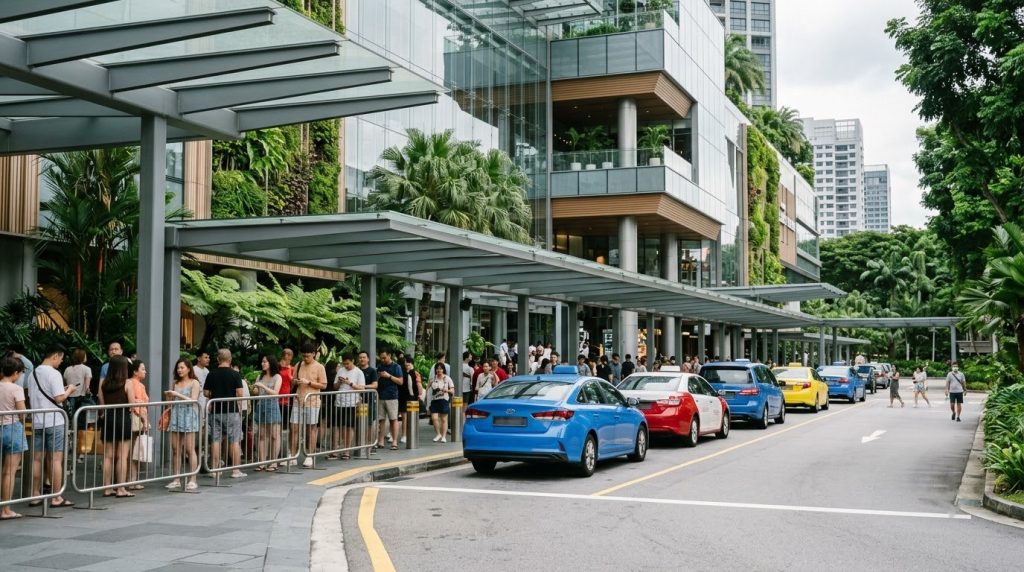
The scams that do turn up are low-key: unlicensed money changers offering rates that look too good, unofficial “tour guides” near Changi Airport pushing overpriced transfers, and the occasional fake charity collector in tourist areas. Late-night taxi surcharges and airport pickup surcharges are legitimate and published, not a scam, but they surprise visitors who have not checked fares in advance.
Knowing typical Singapore travel costs for taxis, attractions and meals makes it obvious the moment someone is trying to overcharge you, which is usually the only defence you need.
Who should think twice about Singapore
Singapore suits most travellers, but a few groups will find it frustrating rather than dangerous. Budget backpackers chasing cheap nightlife will find alcohol expensive and public drinking restricted in designated zones after 10:30pm under the Liquor Control Act, which changes the late-night scene compared with Bali or Bangkok.
Vapers and anyone who treats recreational drug use as a normal part of travel should stay away entirely, given the penalties covered above. Older travellers or anyone with respiratory or heart conditions should plan around the heat and humidity rather than pushing through full days outdoors, and should confirm travel insurance covers Singapore’s higher hospital costs before departure.
Long-stay visitors used to setting their own pace elsewhere in Southeast Asia may also find Singapore’s rules on public conduct, smoking zones and drinking hours more restrictive than expected over weeks rather than days.
None of this makes Singapore unsafe, it just means the trip needs planning around comfort and cost rather than around danger; a where to stay in Singapore guide is more useful here than a crime map would be.
Entry requirements and getting around safely
Australian passport holders do not need a visa for Singapore and can stay for up to 90 days, but entry is not automatic. Every traveller must hold a passport valid for at least six months beyond the travel dates and submit a free SG Arrival Card, which includes a health declaration, within three days before arrival.
The card costs nothing to submit directly through Singapore’s Immigration & Checkpoints Authority, and some third-party websites charge a fee to fill out the same free form on a traveller’s behalf, which is worth avoiding.
Printing or saving a copy of the confirmation before landing avoids delays at the arrival hall, where officers may ask to see it alongside the passport.
Singapore’s public transport is one of the safer and cleaner systems in the region, but it is not a 24-hour service. The MRT and most bus routes stop running around midnight, so anyone staying out later needs a backup plan rather than assuming a train will be waiting.
Licensed taxis and ride-hailing apps such as Grab pick up the gap after the trains stop, and the late-night taxi surcharges covered earlier apply on top of the metered fare rather than changing the fare itself. A small number of NightRider bus routes also run on weekend nights along popular nightlife corridors, though far less frequently than the daytime network.
Checking the last train time on a transport app before leaving a bar or event late avoids being stranded without one.
A couple of packing choices make the practical side of a trip easier rather than safer in the strict sense.
Light, breathable clothing suits the heat, but pack at least one modest option that covers the shoulders and knees for visits to active places of worship such as Sultan Mosque or Sri Mariamman Temple, both of which require covered shoulders and knees and provide free robes or wraps at the entrance for visitors who turn up in shorts or singlets.
A compact umbrella or light rain jacket is more useful than a heavy coat, since Singapore’s downpours tend to be short and sudden rather than prolonged.
Keeping a digital and printed copy of the SG Arrival Card confirmation, travel insurance details and passport photo page separate from the originals is a simple step that matters more in Singapore than the actual crime risk does.
Choosing where to stay
Safety in Singapore barely varies by neighbourhood, so choose based on what you want nearby rather than which area “feels safer.” Compare live prices across the city below.
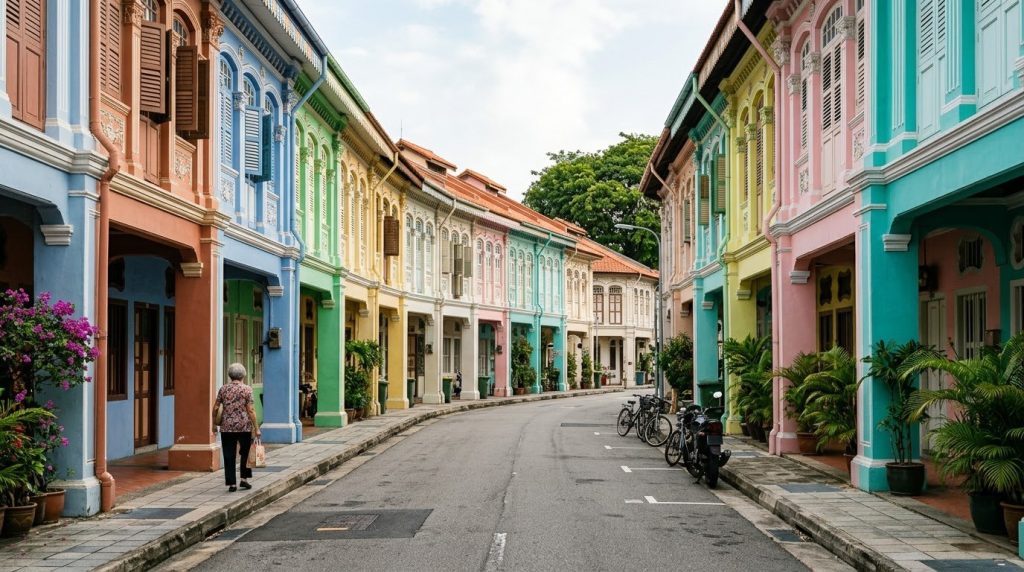
Find your Singapore hotel on the map
Live prices from Booking, Airbnb and more — move the map or change dates to compare stays across Singapore.