Disclosure: Some links in this guide are affiliate links. If you book or buy through them, we may earn a small commission at no extra cost to you — it helps keep our guides free.
Quick answer: Stay near Macrossan Street in the town centre. It is the one place where you can walk to dinner, to the beach, and to the reef and rainforest tour boats without a car. Couples who want quiet and a pool book the resorts spread out toward the highway instead.
Port Douglas is a small resort town wedged between the Great Barrier Reef and the Daintree rainforest, and it is small enough that being central actually changes your trip. That is the thing most first-timers get wrong when they decide where to stay in Port Douglas: they book on price, end up out on the edge of town, and then drive for every coffee. This guide walks through the real areas so you pick the right one the first time.
Affiliate Disclosure: This post contains affiliate links. We earn a small commission if you book through our links, at no extra cost to you.
The areas at a glance
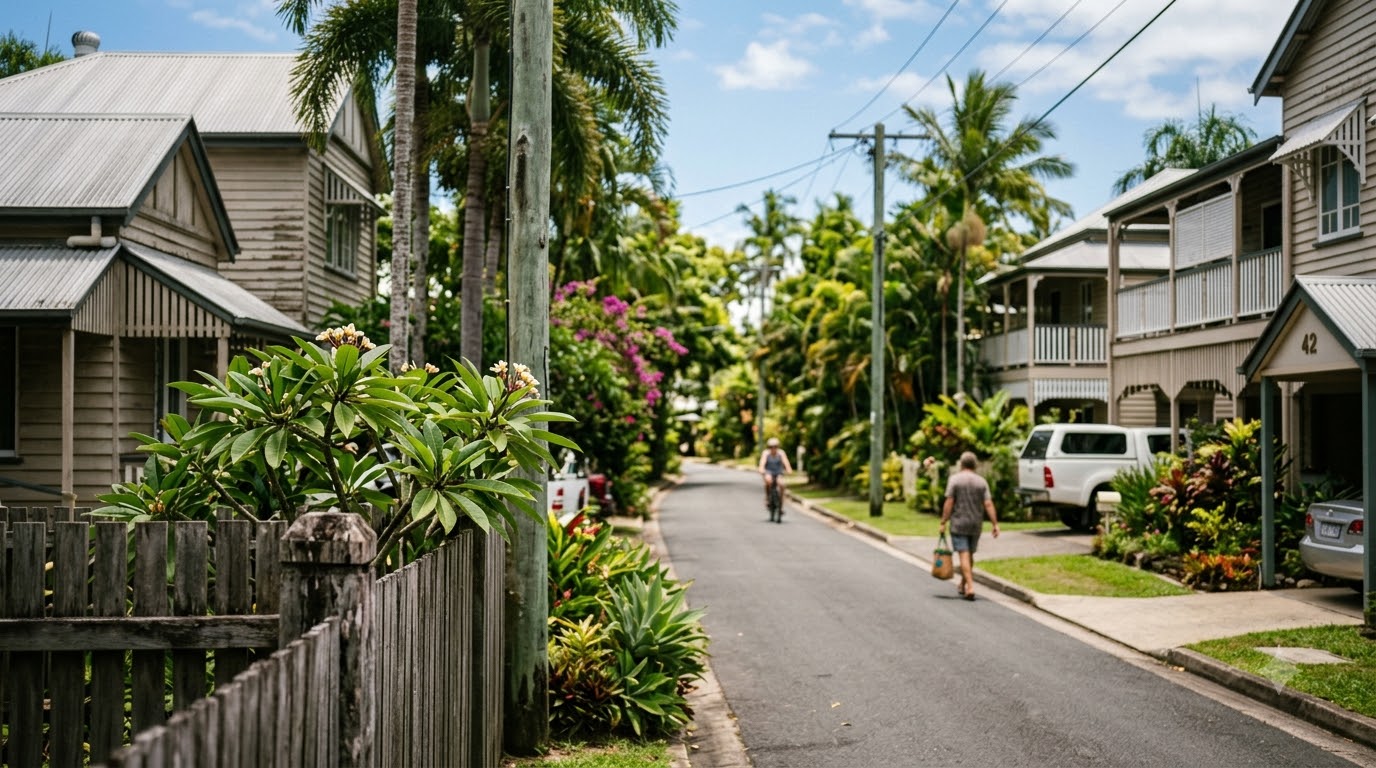
Port Douglas is tiny. The whole town sits on a hook of land with Four Mile Beach on one side and the marina inlet on the other, and Macrossan Street is the short spine that connects them. There are really four places to think about: the town centre around Macrossan Street, the long strip behind Four Mile Beach, the resort belt stretching out toward the Captain Cook Highway, and the marina end near Reef Marina where the boats leave. Everything close to Macrossan is walkable. Everything past a certain point means you are driving. That single fact decides most of it.
Near Macrossan Street (town centre)
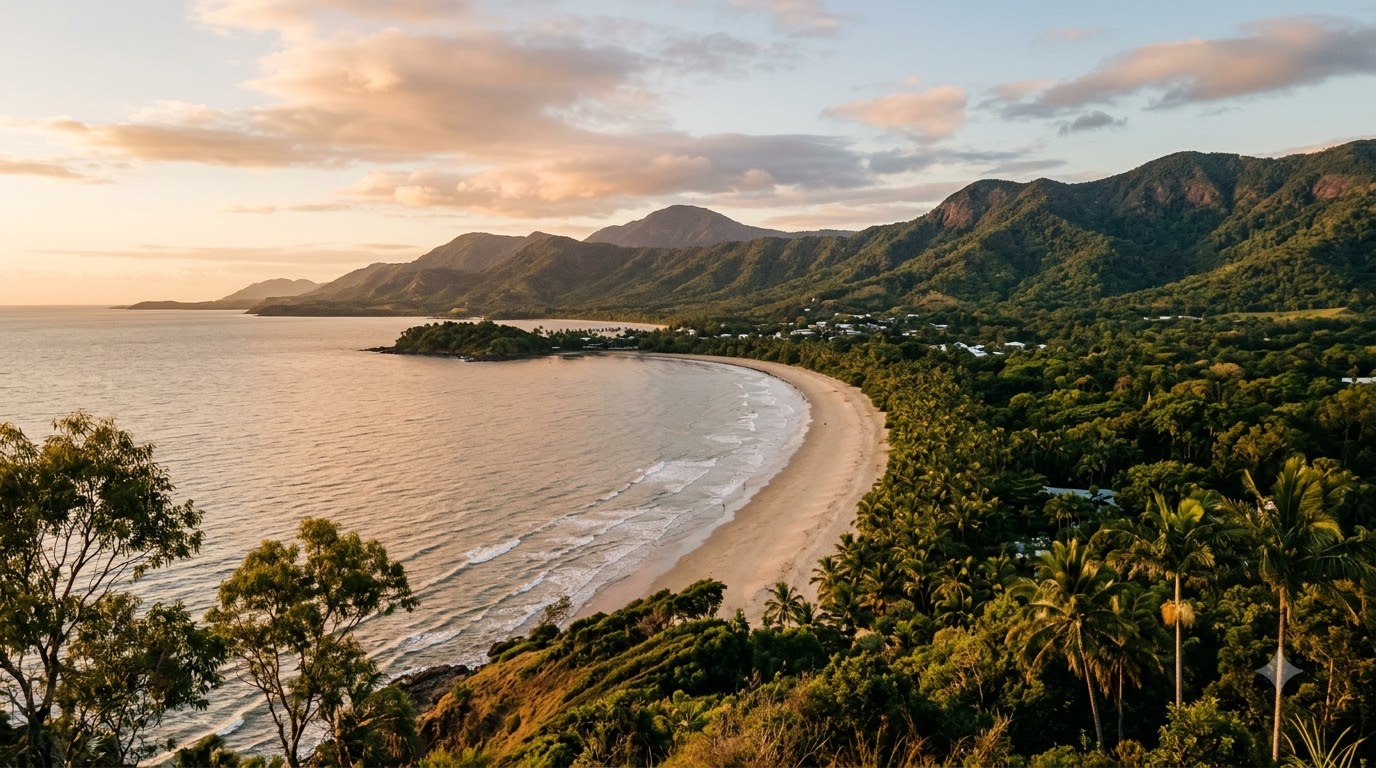
This is where most first-time visitors should book, because it is the only part of town where you do not need a car at all. Macrossan Street runs a few short blocks from the beach down to the water, lined with restaurants, cafes, a couple of pubs, tour desks, and the Sunday market space. You can wake up, walk to breakfast, walk to the beach, and be picked up here for a reef trip. In the evening the street is genuinely lively, in a low-key way, not a party town.
The trade-off that photos hide: central rooms are smaller and often older, and a few sit close enough to the pubs that a weekend night gets noisy. You are paying for the location, not the square metres. If you want space and silence, this is not your area. If you want to leave the car keys in a drawer for four days, nothing else here competes. This is the honest answer to where to stay in Port Douglas for a first visit.
Four Mile Beach
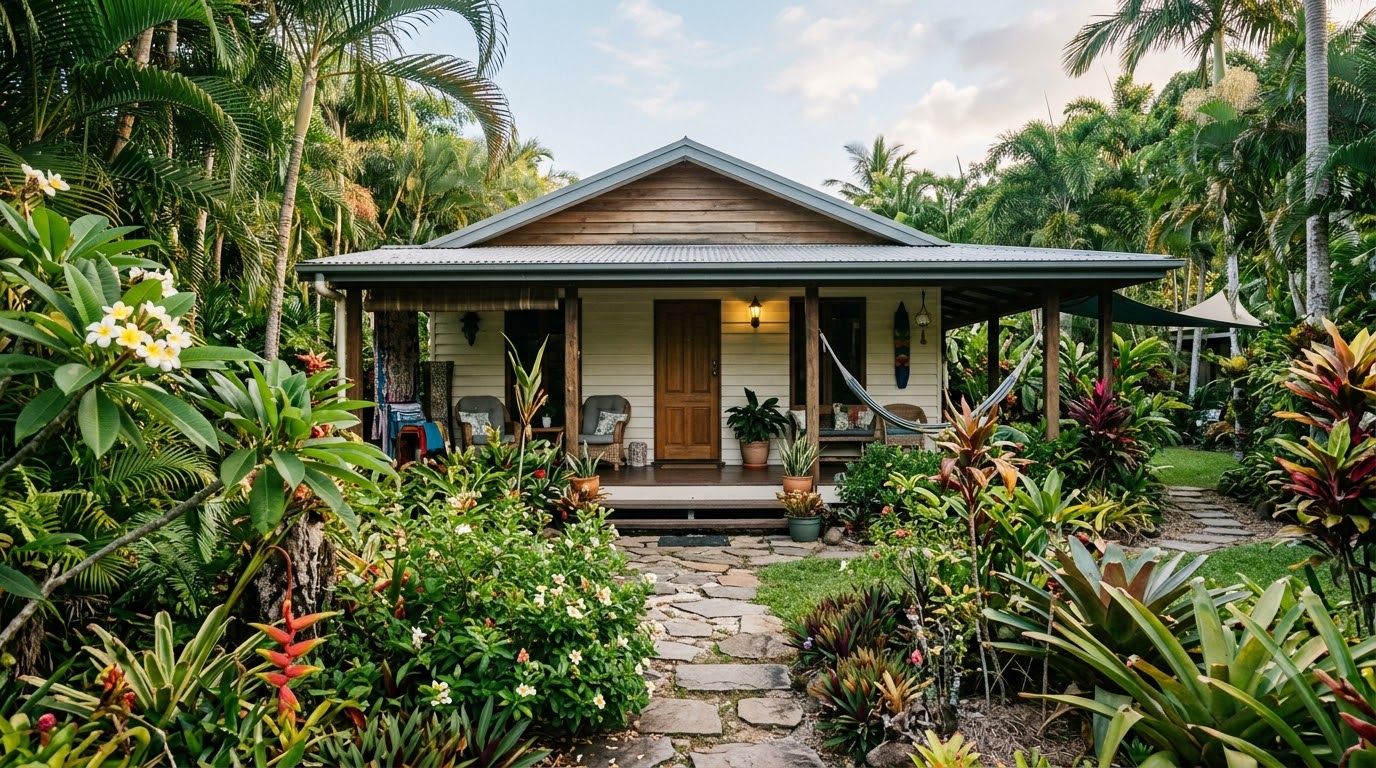
The strip behind Four Mile Beach suits people who want the sand as their front yard and are happy to walk five to ten minutes into town for dinner. Four Mile is long, flat, and quiet, and the accommodation along it ranges from apartment blocks to a couple of bigger resorts. Mornings here are the reason to book it: you are on the beach before the day-trippers arrive.
A few honest warnings. This is the tropics, so marine stingers are a real seasonal risk in the warmer months, and swimming happens inside a netted enclosure rather than the open beach. Check the current advice before you plan to swim; the local surf life saving patrols and signage tell you what is safe that day. The beach is also not a swimming-pool substitute in every season, so a property with its own pool matters more here than the listing suggests. Port Douglas hotels along this strip vary a lot in age and upkeep, so read recent reviews, not just the hero shot.
Out toward the highway
Head away from the town centre toward the Captain Cook Highway and things get cheaper, greener, and quieter, and you drive for everything. This is the resort belt: larger grounds, big pools, golf, and space between you and the next building. Families and couples who want a proper resort day, not a walk-to-town day, often prefer it, and you get more room for your money out here.
The catch is simple and it is the one the brochure never mentions. You will drive to Macrossan Street for every dinner, every coffee, and every tour pickup, or you will pay for taxis that are not always quick to appear. In a town this small that feels almost silly, but the distance is real once you are tired at the end of a day on the reef. Book out here on purpose, for the resort itself, not because a room looked a little cheaper on the map.
Toward the marina (Reef Marina)
The marina end, around Reef Marina, suits people whose trip revolves around the water: reef trips, sailing, fishing charters, and sunset drinks over the boats. Nearly every dive and snorkel operator leaves from here, so staying close means a shorter, calmer walk to a very early boarding time, which matters more than it sounds when your tour leaves not long after sunrise. The Great Barrier Reef Marine Park sits offshore from this point, and you can read what the reef zone allows and protects through the Great Barrier Reef Marine Park Authority.
The trade-off is that the marina precinct is quieter at night than Macrossan Street and a little more spread out, so it can feel less like a town and more like a waterfront. It is a short walk or a very short drive to the restaurants, so you are not cut off. For a reef-focused couple it is a smart, calm base. For a first-timer who wants the town buzz on the doorstep, the centre still wins.
Which area is right for you
| Traveller type | Best area | Why |
|---|---|---|
| First-timer | Near Macrossan Street | Walk to beach, dinner, and tour pickups without a car |
| Couples wanting quiet | Out toward the highway | Bigger grounds, pools, and space away from the street |
| Families | Four Mile Beach or highway resorts | Room to spread out, pools, and beach on the doorstep |
| Budget travellers | Out toward the highway | Cheaper rooms, if you accept driving for everything |
| Reef and boat focus | Toward the marina | Shortest walk to early morning tour departures |
| Car-free stays | Near Macrossan Street | The only area where you genuinely never need to drive |
What to book first
Book your room first, and book it by area, not by price, because area is the thing you cannot change once you arrive. Decide next whether you want a car: if you are staying central and only doing organised reef and rainforest tours, you can skip the hire car, since most tours pick up in town. If you plan to drive up to the Daintree and Cape Tribulation yourself, book the car early, because supply is tight in peak season. Lock in your marquee tours, the outer reef and a Daintree day, before the dates fill, then let the rest of the trip stay loose. The live map below shows real current prices by area so you can compare the town centre against the highway resorts directly.
Live nightly prices from Booking, Airbnb, Hotels.com and more across every Port Douglas area — move the map or change your dates to compare.
Related where-to-stay guides
- Where to Stay in Kangaroo Island
- Where to Stay in Darwin
- Where to Stay in Cairns
- Where to Stay in Byron Bay
- Where to Stay in Gold Coast
Frequently asked questions
Is Port Douglas expensive?
It sits at the higher end for tropical Queensland, but it spreads across a real range. Central and beachfront rooms cost the most, while the resorts out toward the highway run cheaper, especially outside the June to October peak. The live map shows what each area actually costs on your dates.
Do you need a car in Port Douglas?
Not if you stay near Macrossan Street and stick to organised tours, which pick up in town. You will want a car if you book out toward the highway, or if you plan to self-drive to the Daintree and Cape Tribulation rather than joining a tour. Match the car decision to your area.
How many days should you spend in Port Douglas?
Three to four nights is the sweet spot for most people. That gives you one full day on the outer reef, one day in the Daintree rainforest, and a day to slow down on Four Mile Beach without rushing. Add nights if you want to dive more or drive further north.
What is the best area for a first visit?
The town centre near Macrossan Street. It is the only part of Port Douglas where you can walk to the beach, to dinner, and to your tour pickup, which removes the single biggest hassle of a small town. Reserve the highway resorts for a return trip focused on the pool.
When is the best time to visit the reef and rainforest?
The dry season, roughly May to October, brings clearer water, calmer boat trips, and lower stinger risk, which is why it is peak. The wet season is hotter and quieter with cheaper rooms, but expect afternoon rain and stinger-season swimming rules. For trip planning across the region, Tourism Tropical North Queensland is a useful official starting point.