Disclosure: Some links in this guide are affiliate links. If you book or buy through them, we may earn a small commission at no extra cost to you — it helps keep our guides free.
Quick answer: Stay in the CBD if it’s your first time, because the markets, the restaurants and the parklands are all on foot and the trip out to the wine regions starts here. Pick Glenelg if you want the beach at your door, since the tram runs it straight into the city.
Most people booking a room here get the order wrong. The city is pleasant, but most of the reason to come is outside it: the Barossa, the Adelaide Hills and McLaren Vale all sit within an hour, on three different sides. So the real question of where to stay in Adelaide is really a question about how you’ll reach the wine. Sort the day trips first, then pick the neighbourhood that makes those trips easy.
Affiliate Disclosure: This post contains affiliate links. We earn a small commission if you book through our links, at no extra cost to you.
The areas at a glance
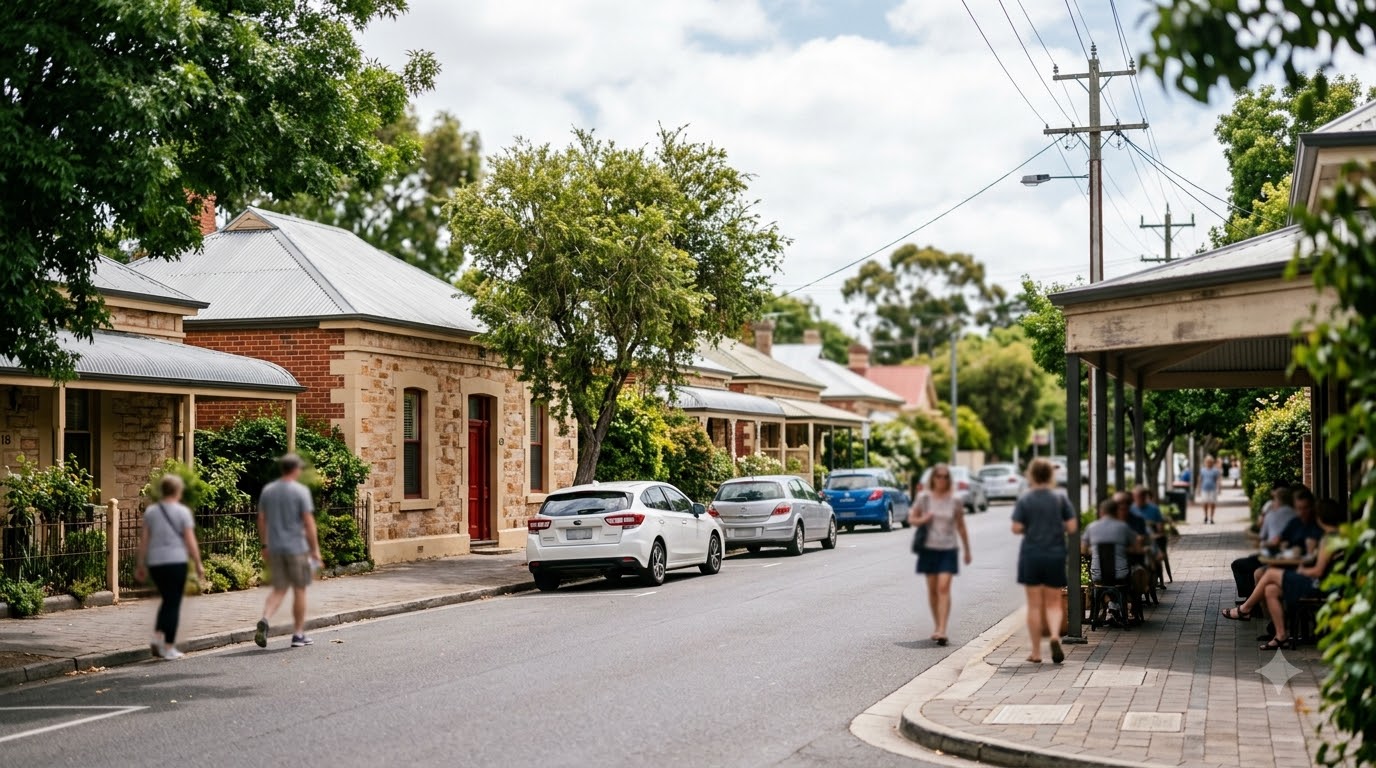
Adelaide is a tidy square grid wrapped in a belt of green parkland, and the whole city core is small enough to cross on foot. Four areas cover almost everyone. The CBD sits in the middle, close to the train and coach links that carry you out to the wine country. North Adelaide is a quieter grid just over the parklands. Glenelg is the beach suburb to the southwest, joined to town by a tram. Norwood and the east end are the leafy, food-heavy edge, handy for the Hills. None of them are far apart, which is the point.
The CBD
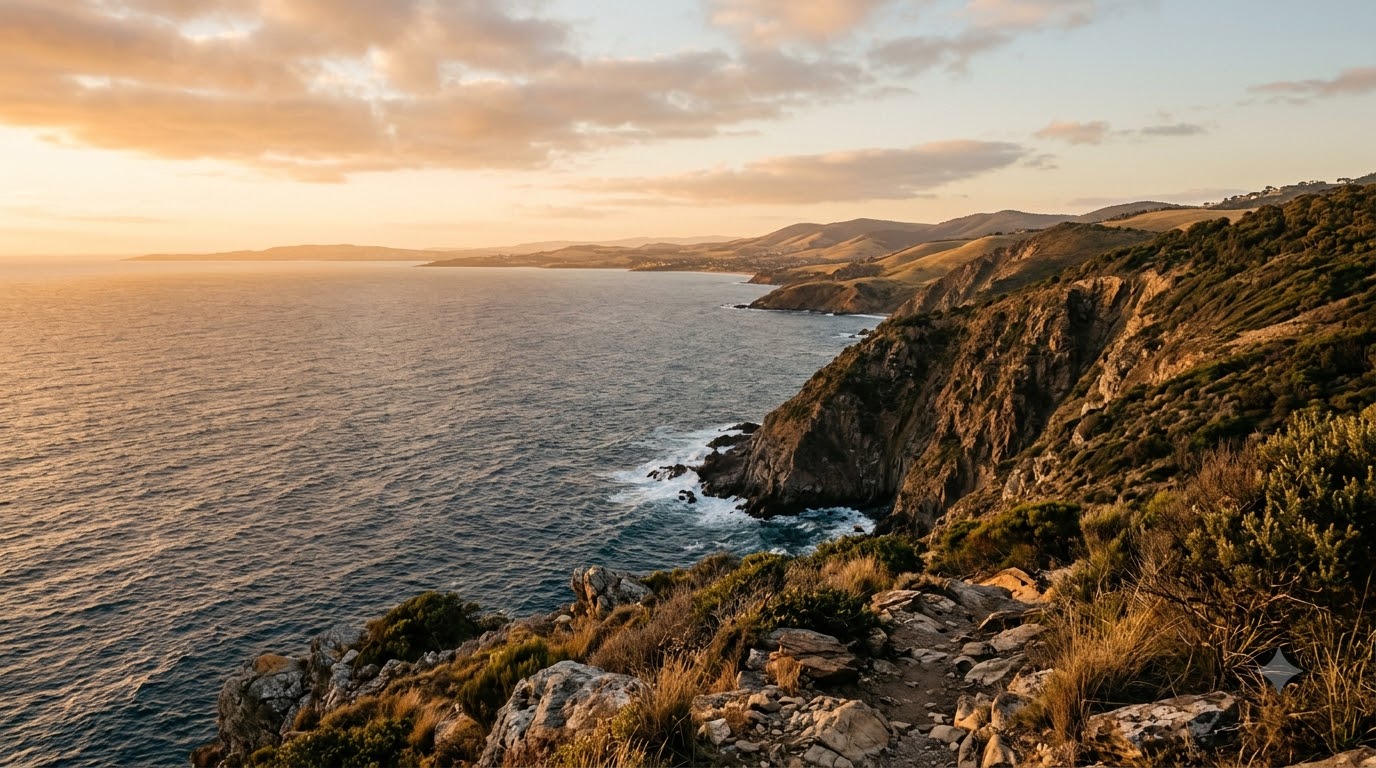
The CBD is the default answer for a first visit, and for good reason. This is where the Central Market, the small-bar laneways off the main streets and most of the city’s restaurants sit, all within a walkable few blocks. The train station and the central coach stops are here too, which matters more than it sounds: your day trips to the Barossa and the Hills are easiest to launch from the middle of the grid. Public transport around the core is free within the city loop, so you rarely touch your car until you leave town.
The trade-off that listing photos hide is noise and variety of block. The grid has genuinely quiet corners and genuinely loud ones, and they can be a single street apart. A room near the main nightlife strip or above a busy laneway can be lively past midnight on weekends, while a place a few blocks north or east goes silent. Adelaide hotels here run the full range, budget beds through high-end, so read the location as carefully as the room. Ask which street the windows face.
Who it suits: first-timers, anyone without a car for the first night or two, and travellers who want to walk to dinner. If you’re the kind of visitor who’d rather not drive after a wine-region day, being central near the coach and train links is worth a lot.
North Adelaide
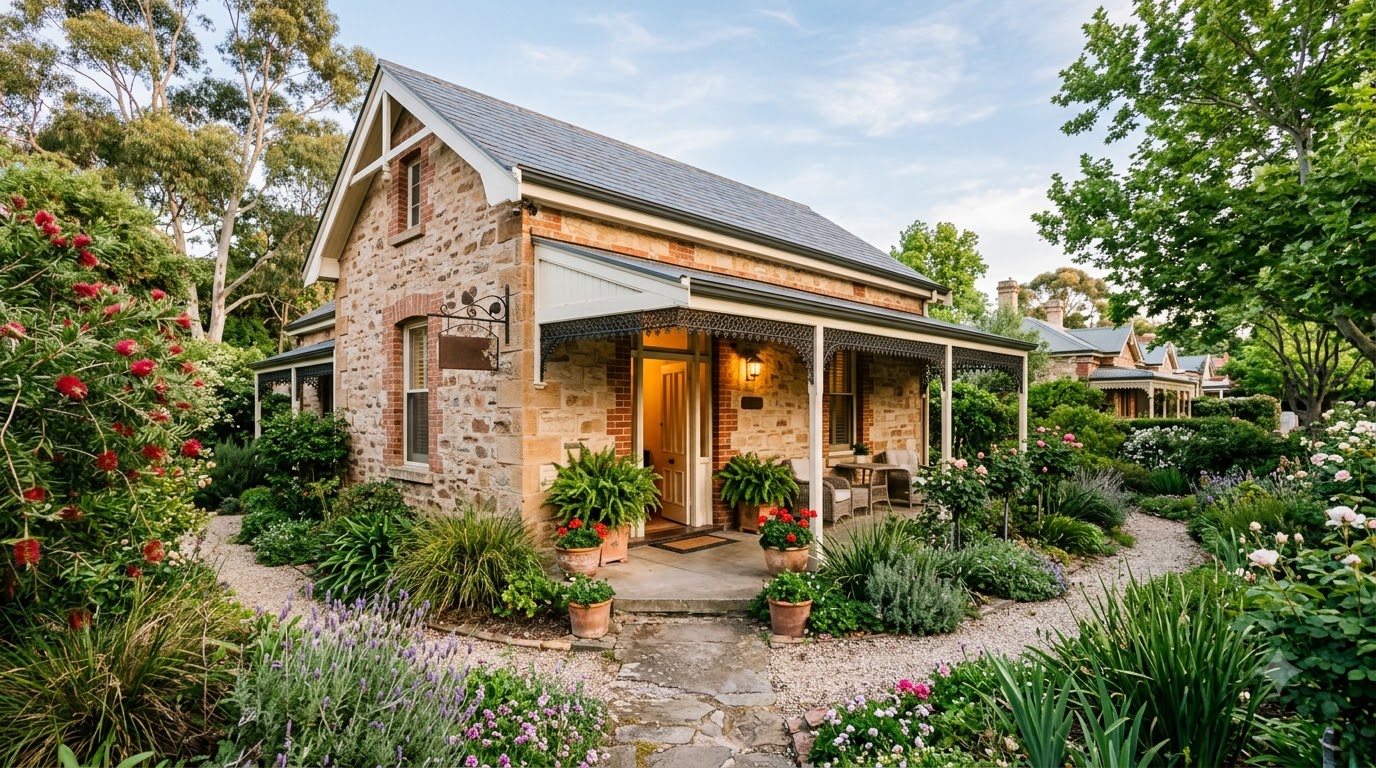
Just across the parklands sits North Adelaide, a calmer version of the grid with grand old pubs, tree-lined streets and a couple of village-feel shopping strips. It’s a short walk or a quick free-loop ride from the city centre, so you keep most of the CBD’s convenience while trading the after-dark buzz for quiet. The elevation gives you a few of the better city-and-hills outlooks, and the food along its main streets leans toward long lunches rather than late nights.
The catch is that “walkable” here means walkable to North Adelaide’s own strips, not to the Central Market or the main station. You’ll cross the parklands, which is lovely by day and dark and empty at night. It suits couples and calmer travellers who want charm and green space over nightlife, and who don’t mind a short ride into the thick of things. If you plan to drive out to the Barossa most days, the run north out of the city is a touch simpler from here.
Glenelg
Glenelg is the move if the beach is the plan. It’s a proper seaside suburb, jetty, wide sand, sunset over the water, with its own cluster of restaurants and bars, and the historic tram links it directly into the city centre without a car. That tram is the whole trick: you get the coast and you still reach the CBD easily for a market morning or a coach out to the wine.
What the photos won’t tell you is that Glenelg is its own busy little town, especially in summer and on weekends when day-trippers pour in. The main strip near the jetty can get crowded and loud; a few streets back it settles quickly. The bigger honest trade-off is distance from your day trips. The Barossa and the Hills are a longer, less direct run from the coast than from the middle of the grid, so beach-based visitors usually accept a bit more transit for each wine day. It suits beach lovers, families and anyone happy to base by the sea and commute in.
Norwood and the east end
East of the parklands, Norwood and the surrounding eastern suburbs give you a leafy, residential base with one of the city’s better eat-and-drink strips down its spine. It feels lived-in rather than touristy, with cafes, good pubs and independent shops, and it’s an easy tram or bus hop from the centre. Being on the eastern edge, it’s also the natural launch pad for the Adelaide Hills, which climb up right behind it.
The trade-off is that you’re a step removed from the CBD’s core and the beach both. You’ll rely on a short ride or a longer walk to reach the market and the main sights, and the area itself is quiet at night by design. It suits returning visitors, food-focused travellers and anyone planning to spend real time in the Hills who wants a green, calm home base without paying central-grid rates. Parking is generally easier out here too, which matters if you’ve hired a car for the wine runs.
Which area is right for you
| Traveller type | Best area | Why |
|---|---|---|
| First-timer | The CBD | Markets, restaurants and transport links all on foot |
| Couples | North Adelaide | Quiet, leafy, grand pubs, short ride to the centre |
| Families | Glenelg | Beach at the door and a tram into town |
| Beach lovers | Glenelg | Jetty, sand and sunsets, city still reachable |
| Food and repeat visitors | Norwood / east end | Great eating strip and the Hills right behind you |
| Car-free travellers | The CBD | Free city-loop transport, coach and train links central |
What to book first
Work backwards from the wine, not the room. Decide first whether you’re driving or joining tours to the Barossa, the Hills and McLaren Vale, because that single choice sets everything else. If you’re driving, a base with easy parking and clean exits, North Adelaide or Norwood, saves you daily grief. If you’re touring or taking the train and coaches, book central so pickups and links are on your doorstep. Sort the room to match that plan, then lock the tours, which fill fast in the harvest and holiday seasons. Check the live map below for real prices across each area before you commit.
Live nightly prices from Booking, Airbnb, Hotels.com and more across every Adelaide area — move the map or change your dates to compare.
Related where-to-stay guides
- Where to Stay in Hobart
- Where to Stay in Uluru
- Where to Stay in Whitsundays
- Where to Stay in Broome
- Where to Stay in Port Douglas
Frequently asked questions
Is Adelaide expensive?
Adelaide is generally cheaper than Sydney or Melbourne for rooms and eating out, which is one of its quiet advantages. You’ll find everything from hostels and budget beds to high-end hotels, with the widest spread in the CBD. Wine-region day trips and tours are where the real spend lands, so budget those separately.
Do you need a car in Adelaide?
Not for the city itself. The CBD is walkable, the city-loop transport is free, and Glenelg has its tram, so a car-free stay in town works fine. You’ll want wheels, or a booked tour, for the Barossa, the Adelaide Hills and McLaren Vale, since public transport out there is limited and slow.
How many days do you need in Adelaide?
Three to four days is the sweet spot for most visitors. Give one day to the city, its market and the parklands, then a day each to two of the three wine regions. Add more if you want to reach Kangaroo Island or the Fleurieu coast, which deserve their own overnight stays.
What’s the best area for a first-time visitor?
The CBD, without much debate. You can walk to the Central Market and the restaurant laneways, the transport links for day trips are central, and the free city-loop service keeps you moving without a car. It’s the lowest-friction base for a short first trip.
When is the best time to visit the wine regions?
Autumn, around harvest, is the classic window, with cooler days and cellar doors in full swing, but spring is quieter and green. Summer weekends get busy and hot, so book tours ahead. The official South Australia tourism site lists cellar-door hours, and Adelaide Metro covers the trains and trams that get you started.