Affiliate Disclosure: This post contains affiliate links. We earn a small commission if you book through our links, at no extra cost to you.
Best Time to Visit Da Nang 2026: Month-by-Month Weather
The best time to visit Da Nang is March to August — dry weather, warm beach conditions (water 25-28°C), and consistently clear skies. The shoulder months of January-February are cooler and occasionally rainy but workable. September-November brings typhoon risk that makes Da Nang genuinely problematic to visit, with rough seas and potential flooding.
Da Nang sits in central Vietnam where typhoons make direct landfall more frequently than any other part of the country. Understanding the seasonal pattern before you book is not optional — a September trip can lose half its days to weather disruption.
For broader trip planning, see our Da Nang Travel Guide.
Key Takeaways
- Best overall: March-May (peak dry, mild temperature, lower prices than June-August)
- Best beach: June-August (warmest water, calmest conditions)
- Best value: January-February (cool, quiet, lowest prices)
- Avoid if possible: September-November (typhoon season, rough seas, flood risk)
- Average temperature range: 20°C (January) to 36°C (July)
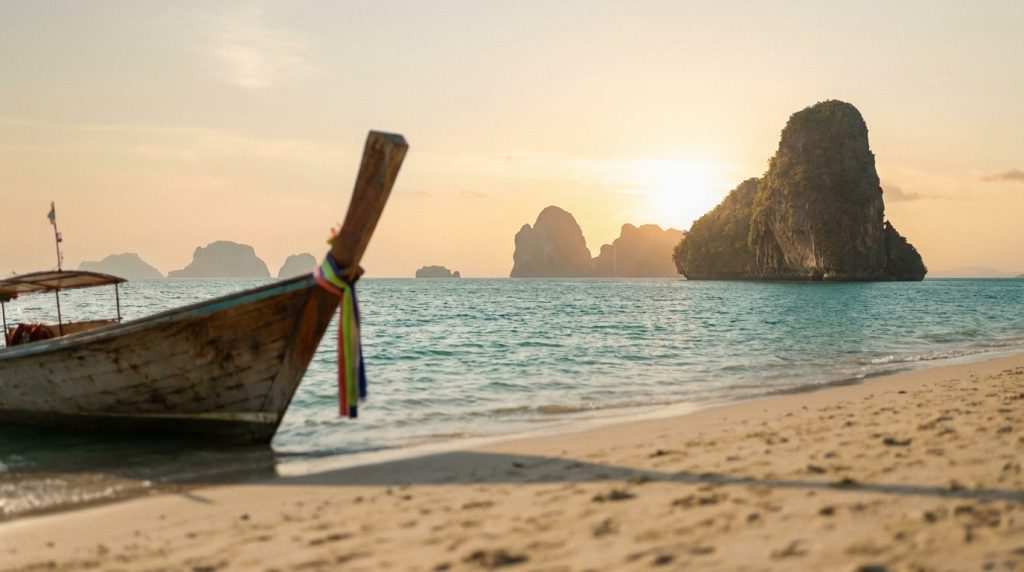
[IMAGE: Da Nang My Khe Beach clear sunny day with blue water – best time to visit da nang dry season]
Da Nang Weather Overview — Best Time To Visit Da Nang

Da Nang’s climate is driven by its location in central Vietnam — positioned directly in the path of South China Sea typhoons and at the transition point between northern and southern Vietnam climate patterns.
Annual rainfall: approximately 2,058 mm (Da Nang Meteorological Center, 2024), with 65% concentrated October-December. This is notably different from the rest of Vietnam: while southern Vietnam’s wet season runs May-October, Da Nang’s heavy rain arrives later (October-December) due to the northeast monsoon pattern.
The Four Seasons
- Warm and dry (March-August) — Best overall weather. Hottest June-August (35-36°C).
- Early transition (September) — Seas roughen, first heavy rains, typhoon probability rises.
- Wet season (October-December) — Peak rain and typhoon risk. Heaviest October-November.
- Cool transition (January-February) — Cooler temps (20-24°C), occasional drizzle, lowest prices.
Month-by-Month Da Nang Weather

January — Cool and Transitional
January is Da Nang’s coolest month. Daily highs 22-24°C (72-75°F), lows 19-20°C (66-68°F). Rain eases from December’s heavy season but occasional drizzle continues. Sea conditions improve; swimming is possible but water is cool (23-24°C).
- Crowds — Light
- Prices — Lowest of the year (25-35% under peak)
- Best for — Budget travelers, winter-sun seekers from cold climates
February — Tet Peak and Beach Opening
February sees Tet (Vietnamese New Year) surge domestic tourism for 7-10 days. Weather improves noticeably — highs reaching 25-26°C, rainfall drops to 30-60mm. The beach season starts warming up.
- Crowds — High during Tet (mid-late Feb 2026); light otherwise
- Prices — Mid-range; Tet week jumps 30-50%
- Best for — Late-February travelers wanting spring warmth and pre-peak prices
March — Best Weather Window Opens
March delivers Da Nang’s best weather-to-price ratio. Daily highs 26-28°C (79-82°F), minimal rain (20-30mm), warm sea (25-26°C). This is when the beach season truly begins and hotels start filling.
- Crowds — Moderate
- Prices — 10-20% under summer peak
- Best for — First-time visitors wanting best weather without peak prices
April — Ideal Beach Month
April matches March weather with slightly warmer sea temperatures (26-27°C). Humidity is rising but not uncomfortable. This is the last month before summer heat spikes.
- Crowds — Moderate to high
- Prices — 5-15% under summer peak
- Best for — Beach-focused travelers, couples, families
May — Transition to Hot Season
May brings the first serious heat (highs 30-32°C / 86-90°F). Rain remains low (60-80mm). Beach conditions excellent — warmest sea of the early season. Hotel prices still below June-August peak.
- Crowds — Moderate
- Prices — On par with April, 5-10% under June-August
- Best for — Heat-tolerant travelers; strong value month
June — Peak Beach Season Begins
June kicks off Da Nang’s busiest tourist season. Daily highs 34-35°C (93-95°F), water temperature 27-28°C (ideal for swimming). Vietnamese domestic tourism surges on long weekends. My Khe Beach fills with local tourists on Saturdays.
- Crowds — High
- Prices — Peak (book 4-6 weeks ahead)
- Best for — Beach lovers, families wanting warm water
My best Da Nang trip was a June week — 6am beach swims before the crowd arrived, sunsets over the Marble Mountains, and evening seafood on the riverfront. The heat (35°C by noon) pushed everything indoors from 11am-4pm, which actually worked: museum visits, Bana Hills cable car (cooler at altitude), and nap time. Air-conditioned hotel + pool solved the rest.
July — Peak Continues
July mirrors June with consistent beach conditions. Hotel occupancy rates peak — Da Nang’s mid-range hotels averaged 89% occupancy in July 2024 (Vietnam Hotel Association, 2024). Book early.
- Crowds — Peak
- Prices — Peak (book 6+ weeks ahead for beachfront)
- Best for — Travelers locked into school holiday dates
August — Beach High Season Closes
August remains hot (highs 33-34°C) with good beach conditions early in the month. Late August signals the first weather shift — occasional heavy afternoon showers and the first swells on the South China Sea.
- Crowds — Peak early; eases by late August
- Prices — Peak early; drops 15-20% in final week
- Best for — Beach trips booked before late August
Citation Capsule: August 2025 saw Da Nang receive 1.4 million tourist arrivals, the highest single month on record (Da Nang Tourism Department, 2025). The weekend of August 15-17 is consistently Da Nang’s busiest weekend due to Vietnam’s Liberation Day holiday.
September — Typhoon Season Starts
September marks the start of Da Nang’s danger period. Rough seas (swimming advisories issued most weekends), 200-300mm rainfall, and the highest probability of a direct typhoon hit. Bana Hills cable car often suspended in high winds.
- Crowds — Light
- Prices — 35-45% under peak
- Best for — Travelers flexible on weather and comfortable with disruption risk
October — Worst Month
October is Da Nang’s wettest month. Average 600-700mm rainfall, with 3-5 typhoon systems affecting the area annually (Vietnam National Centre for Hydro-Meteorological Forecasting, 2024). Direct landfalls average 1 per year but indirect impacts (rough seas, flooding) affect most October weeks.
- Crowds — Lowest of the year
- Prices — 40-50% under peak
- Best for — Only travelers with true schedule flexibility and comprehensive travel insurance
November — Wet Season Peak Continues
November remains high-risk for typhoons and heavy rain. Flooding in the Da Nang lowlands is common. The beach is completely unusable for swimming (rough, murky water). Late November sees the first dry days.
- Crowds — Light
- Prices — 35-45% under peak
- Best for — Late November only if early-month forecasts cooperate
December — Transition Back to Dry
December is variable — heavy rain early, tapering by mid-month. By late December, a clear-sky pattern establishes. Christmas and New Year bring a surge of international tourists. Cooler temperatures (lows 20-22°C).
- Crowds — Light early; peak Christmas/NYE week
- Prices — Low early; peak Christmas/NYE (book 6+ weeks ahead)
- Best for — Late December visitors; New Year celebrations on My Khe Beach
Best Time to Visit by Travel Style

For Beach Swimming
March-August. Water is warmest June-August (27-28°C). March-May offers warmer-than-cool water with lower prices. Never swim in September-November (dangerous swells).
For Best Value
March or January-February (excluding Tet week). March gives excellent weather at 10-20% under summer peak. January-February gives 25-35% below peak with acceptable (cool but manageable) beach conditions.
For Avoiding Crowds
January-February (non-Tet) or late August. Both offer real price breaks and manageable weather. Late August loses some beach certainty but hotel pricing drops mid-month.
For Families
April-May or late March. Warm but not extreme heat (28-32°C vs July’s 35°C+). School-holiday free. Sea is calm, warm, and safe for children. The ideal months for family Da Nang trips.
For Bana Hills
March-August. Cable car operates consistently. At 1,487m, Bana Hills stays 10-12°C cooler than the coast, making it pleasant even during summer heat. September-November brings fog, cable car suspensions, and limited visibility.
Across four Da Nang trips (June, October, March, January), June was the strongest overall — beach swims daily, all attractions open, evening activities good. October 2023 was genuinely bad — 4 of 7 days had typhoon-related weather, My Khe was swim-banned for 5 days, and Bana Hills was fog-bound throughout. March 2024 was the best weather-to-price ratio: clear every day, 28°C, moderate crowds.
[IMAGE: Da Nang beach rough waves during typhoon season – best time to visit da nang wet season risk]
How Da Nang Weather Differs from Hoi An

Many visitors plan Da Nang and Hoi An together (30 km apart). Both experience the same typhoon season, but with key differences:
| Factor | Da Nang | Hoi An |
|---|---|---|
| Peak rain month | October-November | October |
| Flood risk | Moderate (city infrastructure) | High (Old Town flooding) |
| Beach access in wet season | Closed (rough sea) | Beach secondary; Old Town primary |
| Best dry season | March-August | February-April |
| Heat peak | June-August (35-36°C) | June-August (35-36°C) |
For combined Da Nang + Hoi An trips, March-May hits both destinations’ best weather windows simultaneously.
Frequently Asked Questions
What is the best month to visit Da Nang?
March is the best month for first-time visitors — excellent weather (26-28°C, minimal rain), warm sea, moderate crowds, and prices 10-20% under the June-August peak. For budget priority, January outside Tet week gives the deepest discounts with manageable weather.
Is Da Nang safe to visit in September?
It depends on the week. September has higher typhoon probability than any month except October. If you travel in September, buy trip insurance with typhoon/severe weather coverage, book refundable hotels, and check Vietnam National Centre for Hydro-Meteorological Forecasting 5-7 days before travel. The beach will likely be off-limits most of September.
When is Da Nang’s typhoon season?
September-November is peak typhoon season. October is the highest-risk single month — Da Nang has been directly struck or severely affected by typhoons in 2020, 2021, 2022, 2023, and 2024. Average 3-5 typhoon systems per season affect the Da Nang area.
Is Da Nang worth visiting in winter (December-February)?
Yes, with adjusted expectations. January-February has 20-24°C temperatures — cool for beach swimming but pleasant for sightseeing, Bana Hills, and Marble Mountains. Hotel prices are at their lowest. January and early February (pre-Tet) are genuinely quiet and good value. Late February marks the start of beach season warming.
Should I go to Da Nang or Hoi An in March?
Both are excellent in March. The practical answer: spend 3-4 nights in Hoi An and 2-3 nights in Da Nang within the same trip. Both are at their best in March, and the 30 km transfer is easy (45 min Grab, ~200,000 VND).
Final Recommendation
For 90% of visitors, March through May is the ideal Da Nang window. You get excellent beach conditions, all attractions operating, and prices that are meaningfully below the June-August peak without the compromises of the November-February shoulder. Avoid October entirely unless you accept real weather disruption risk — the 40-50% hotel discount rarely justifies the likely beach closures and typhoon probability.
Continue planning with our Da Nang Travel Guide and where to stay in Da Nang.
Related: 12 Best Da Nang Hotels 2026: Top Picks for Every Budget | How Many Days in Da Nang 2026: Best Trip Length Guide | Where to Stay in Da Nang 2026: Best Areas & Top Hotels
Plan your Da Nang trip: book tours and tickets through Klook, and stay online with an Airalo eSIM from the moment you land.