Best Time to Visit Melbourne in 2026: Month-by-Month Guide
By TravelguidestipUpdated 9 min readHow we earn
Hotel buttons open Stay22 (Booking.com, Agoda and others) and tour buttons open GetYourGuide. We may earn a commission at no extra cost to you.
In short
- Best overall: March to May and September to November, when days are typically mild, roughly 11-20C in autumn by most sources.
- Hottest: January is usually the warmest month, and days can exceed 30C, especially during heat waves.
- Cheapest: June to August brings cooler weather, shorter queues, and lower accommodation rates.
- Event peaks: Australian Open (January), Grand Prix and food festivals (March), Melbourne Cup (first Tuesday of November).
- Pack layers: a light rain jacket and a sweater are useful in almost every month.
The best time to visit Melbourne is March to May (autumn) or September to November (spring). Both windows give you mild days, manageable crowds, and the city’s biggest food and sport events. Summer is hotter and louder, while winter is cheaper and works well if your plans revolve around museums, cafes, and laneway bars.
Remember that Melbourne sits in the Southern Hemisphere, so the seasons run opposite to Europe and North America. Weather here is famously changeable, and locals joke about four seasons in one day. The temperatures in this guide are approximate and based on typical patterns, so always check the national weather service forecast before you pack.
On our trips to Melbourne we’ve been caught out more than once by the weather. One autumn morning started at a sunny 22C for a laneway walk, and by late afternoon we were buying a scarf in a department store as a southerly front rolled in. We now carry a packable jacket everywhere, even in summer, and it has earned its place every single trip.
When is the best time to visit Melbourne?
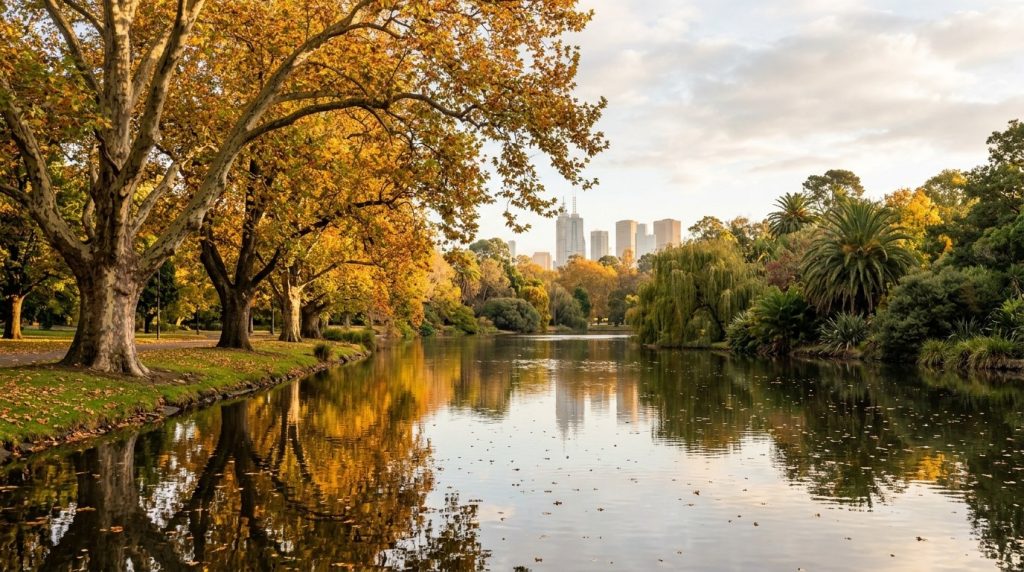
Most sources point to March to May and September to November as the best windows for Melbourne. Autumn days typically sit around 11-20C, rain is moderate, and the parks and surrounding regions turn gold and red. Spring is slightly cooler at the start, but gardens bloom and outdoor dining returns.
If you want one answer, choose March. The summer heat has usually eased, the evenings stay long, and the city’s festival calendar is at its fullest. March is also one of the busiest months, so book flights and rooms early.
Spring is a close second. September can still be brisk and showery, while late October and November are often a good balance of sunshine and comfortable warmth. Footy finals, racing carnival fashion, and cafe terraces are all part of the spring mood.
What is the weather like in Melbourne month by month?
Melbourne has a temperate oceanic climate, with warm summers, cool winters, and rainfall spread fairly evenly through the year. Daily highs typically range from about 14C in July to the high 20s in January, though hot northerly winds can push summer days well past 35C. The figures below are rough averages, so treat them as guidance.
| Month | Typical daytime high (approx.) | Feel and conditions | Crowd and price level |
|---|---|---|---|
| January | 26-28C, can exceed 30C | Hot, dry spells, occasional heat waves | High (Australian Open, school holidays) |
| February | 26-27C | Warm, still summery | Medium to high |
| March | 23-24C | Warm days, cooler nights | High (Grand Prix, festivals) |
| April | 20-21C | Mild, autumn colors begin | Medium (Easter peaks) |
| May | 16-17C | Cool, crisp, some rain | Low to medium |
| June | 13-14C | Cold mornings, short days | Low |
| July | 13-14C | Coolest month, grey spells | Low (school holidays bump prices) |
| August | 14-15C | Cold, early signs of spring | Low |
| September | 17-18C | Changeable, showers and sun | Medium (AFL finals) |
| October | 19-20C | Mild, windy at times | Medium |
| November | 22-23C | Warm, longer days | Medium to high (Melbourne Cup) |
| December | 24-25C | Warm, festive, busy | High |
Source: national weather service averages and tourism board seasonal guidance, 2026 (approximate)
The pattern to remember is that Melbourne rarely feels extreme, but it can swing by 10C or more within a day. That is why layers matter more than a heavy coat or a single summer outfit.
Is summer a good time to visit Melbourne?
Summer (December to February) is a good time to visit if you want long days, outdoor events, and day trips. January is usually the hottest month, and temperatures can exceed 30C. Expect higher prices, especially around Christmas, New Year, and the Australian Open in mid-January.
The Australian Open at Melbourne Park draws huge crowds, and hotels near the city fill early. Even if you don’t have a ticket, the grounds have a festival feel with big screens and food stalls. Book rooms months ahead if your dates overlap with the tournament, and check the official schedule since exact dates shift each year.
Heat can be intense on very hot days, so plan indoor stops like the State Library, galleries, and shopping arcades for the afternoon. Beaches such as St Kilda and Brighton are popular, and the Yarra Valley and Mornington Peninsula make good escapes. Bushfire risk can rise in dry, hot weather in rural Victoria, so check official warnings before heading out of town.
Why is autumn the favorite season for many visitors?
Autumn, from March to May, is the favorite for many visitors because the weather is stable and the calendar is packed. Temperatures typically ease from the mid-20s in early March to the mid-teens by late May. The Melbourne Grand Prix usually lands in March at Albert Park, and food and wine festivals fill the city.
March is the season of the Melbourne Food and Wine Festival and the Moomba celebration over the Labour Day long weekend. The Comedy Festival often starts around the end of March and runs into April. Dates change each year, so confirm them before booking.
By April and May, trees in the Yarra Valley and the surrounding regions show gold and red foliage. Wine tours become especially pleasant at this time. Easter weekend is a busy period for domestic travel, so expect higher prices and fuller restaurants.
Citation capsule: Melbourne’s autumn, March to May, brings typical daytime highs from roughly 24C to 16C, per approximate national weather service averages for 2026. Most travel sources rate this season and spring as the best windows, combining stable weather with major food, sport, and comedy events.
When is food and laneway season in Melbourne?
Food and laneway culture runs all year, but it peaks from March to May and again from October to November. Cooler weather suits long lunches, wine bars, and coffee crawls, while warm spring evenings fill rooftop bars and pop-up spaces. Winter is quieter yet still lively, with cozy restaurants and indoor markets.
Hosier Lane, Degraves Street, and Centre Place are the classic starting points for street art and coffee. Queen Victoria Market is a reliable stop in any season, though it is most pleasant on a dry morning. Many laneway bars are small, so reserve ahead on Friday and Saturday nights.
If food is your priority, travel in March for the festival or choose a mild midweek in May for easier tables. A food tour in any month can help you sample the city quickly, and it works well in rain. Prices vary by operator and change from year to year.
What is the best time for the Great Ocean Road and day trips?
The Great Ocean Road works year-round, but the best conditions are usually in late spring, summer, and early autumn. Clear days make the Twelve Apostles and Loch Ard Gorge look their best. Winter brings moody seas and fewer tour buses, though rain and wind can reduce visibility and make viewpoints chilly.
A day tour from Melbourne is long, usually 11 to 13 hours, so check the departure time and weather. In winter, you can sometimes spot whales from lookouts along the western coast between roughly May and September. This is never guaranteed, and sightings depend on conditions.
Phillip Island’s Penguin Parade runs year-round, with viewing after sunset when the little penguins come ashore. Return times from Melbourne can run from about 9pm to midnight depending on the season, so dress warmly even in summer. Puffing Billy steam train runs year-round and is a good choice for families. Operator pricing varies, so compare options for 2026.
| Trip | Best season | Why | Notes |
|---|---|---|---|
| Great Ocean Road | Nov-Apr | Longer days, clearer views | Winter has fewer crowds, more rain |
| Phillip Island Penguin Parade | Year-round | Evening viewing in any season | Late return, dress warmly |
| Yarra Valley wine | Mar-May | Autumn colors, harvest season | Pleasant in spring too |
| Puffing Billy | Year-round | Scenic forest steam train | Check seasonal fire restrictions |
| Mornington Peninsula | Jun-Aug or Dec-Feb | Hot springs in winter, beaches in summer | Book weekends ahead |
Source: tour operator seasonal guidance and tourism board information, 2026 (approximate)
Which events should shape your Melbourne dates?
Melbourne is a sports and events city, and your timing can change both costs and crowds. The biggest names include the Australian Open (mid-January), the Formula 1 Grand Prix (usually March), AFL finals (September), and the Melbourne Cup (first Tuesday in November). Each one lifts hotel rates and fills restaurants.
Melbourne Cup Day falls on Tuesday, November 3 in 2026, and it is a public holiday in the Melbourne area. The surrounding Spring Racing Carnival runs for weeks, with fashion, parties, and race days at Flemington. If you love horse racing, this is the time to visit. If you don’t, the city is busier and pricier around those days.
The AFL Grand Final in late September is another major date. Even if you can’t get a ticket, pubs and parks become lively viewing spots. Winter has its own appeal with the Melbourne International Film Festival in August and arts programming in June. Official event calendars give confirmed dates, so check them before booking.
How much does Melbourne cost in each season?
Melbourne prices follow demand. Peak periods are January, March, the Melbourne Cup weekend, and Christmas. Winter, particularly June and August outside school holidays, tends to bring the lowest accommodation rates. Costs are approximate, change often, and depend on the event calendar.
As a rough guide, budget rooms or hostels may start around A$40-120 (about US$26-78) per night, mid-range hotels often fall around A$180-300 (about US$117-195), and upscale hotels can reach A$400 or more (about US$260+). Rates can double during major events. Approximate, check current rates.
Is Melbourne expensive? Compared with many destinations, it is moderate to high, but cafes and markets offer good value. The free tram zone in the central city helps cut costs. If you are still deciding where to base yourself, the CBD suits first-timers, while St Kilda and Fitzroy suit beach lovers and café fans.
Is winter worth it for Melbourne?
Yes, winter is worth it if you prefer culture, coffee, and lower prices over beach weather. June to August days are typically about 13-15C, with chilly mornings and occasional grey spells. Museums, galleries, theatres, bookshops, and bars are all at their best, and queues are usually shorter.
Winter also suits a Melbourne itinerary built around food and indoor attractions. The National Gallery of Victoria, ACMI, and the State Library are good rainy-day options. Footy matches at the MCG are a classic cold-weather experience. Pack a warm coat, scarf, and waterproof shoes.
Day trips are still possible, and the Great Ocean Road has a dramatic feel in winter. Daylight is shorter, so check sunset times. Ski fields in Victoria’s high country usually open around June or July, depending on snow, and some travelers combine them with a city stay.
Find your Melbourne hotel on the map
Live prices from Booking, Airbnb and more — move the map or change dates to compare stays across Melbourne.
Frequently Asked Questions
What is the cheapest month to visit Melbourne?
June, July, and August are typically the cheapest months, except during school holidays when prices can rise. Fewer events and cooler weather reduce demand for hotels. Compare rates for your exact dates, because a single sporting event can change prices sharply.
Is Melbourne worth visiting?
Yes, for most travelers who enjoy food, coffee, street art, sport, and easy day trips. It is less about a single landmark and more about the city’s culture and neighborhoods. Three to four days covers the highlights, and a week lets you add the Great Ocean Road and Phillip Island.
How many days do you need in Melbourne?
Plan three to four days for the city and one extra day for the Great Ocean Road. Add another day for Phillip Island, the Yarra Valley, or the Mornington Peninsula. A longer Melbourne itinerary gives you time to slow down in neighborhoods like Fitzroy, Carlton, and St Kilda.
Does it rain a lot in Melbourne?
Rainfall is spread fairly evenly through the year, with no true dry or wet season. Showers are frequent but often short. Bring a light rain jacket in every season, since the weather can change quickly.
When is the best time to see autumn colors near Melbourne?
Late April through May is usually the best time, though the exact peak depends on the year. The Yarra Valley and the high-country towns are popular choices. Check local reports before you go, because the timing of the colors moves with the weather.
Choose March to May or September to November for the most comfortable Melbourne weather, and pick your dates around the events that matter to you. Bring layers, reserve early for January, March, and early November, and leave space for the Great Ocean Road. Whichever season you choose, Melbourne rewards slow, curious travel.