Affiliate Disclosure: This article contains affiliate links. If you book through our links, we may earn a small commission at no extra cost to you. We only recommend services we’d genuinely use ourselves. Check our complete Bali travel guide for more tips.
Bali gets millions of visitors every year, and the vast majority leave without a single serious incident — but that doesn’t mean the island is risk-free. Whether you’re planning a solo trip, heading there as a woman traveling alone, or setting up your laptop as a digital nomad, knowing the real picture before you land makes all the difference. We’ve put together this honest, no-fluff safety guide so you can plan your Bali trip with eyes wide open.
Key Takeaways
– Bali welcomed 5.27 million foreign tourists in 2024, with low violent crime rates (Bali Tourism Board, 2024)
– Petty theft, scams, and motorbike accidents are the most common risks for visitors
– Women travelers report feeling generally safe, especially in Seminyak, Ubud, and Canggu
– A local SIM or eSIM is essential for staying safe and connected — we use Airalo for reliable data
– Natural hazards like Mount Agung activity and rainy season flooding require seasonal awareness
How Safe Is Bali Overall in 2026?
Bali ranks as one of Southeast Asia’s safer tourist destinations, with violent crime against foreigners remaining rare. The Indonesian National Police reported no significant spike in tourist-targeted violence in 2024–2025. Your biggest risks are opportunistic: bag snatches, taxi overcharging, and motorbike accidents — not the kind of dangers that should keep you home, but worth knowing about.
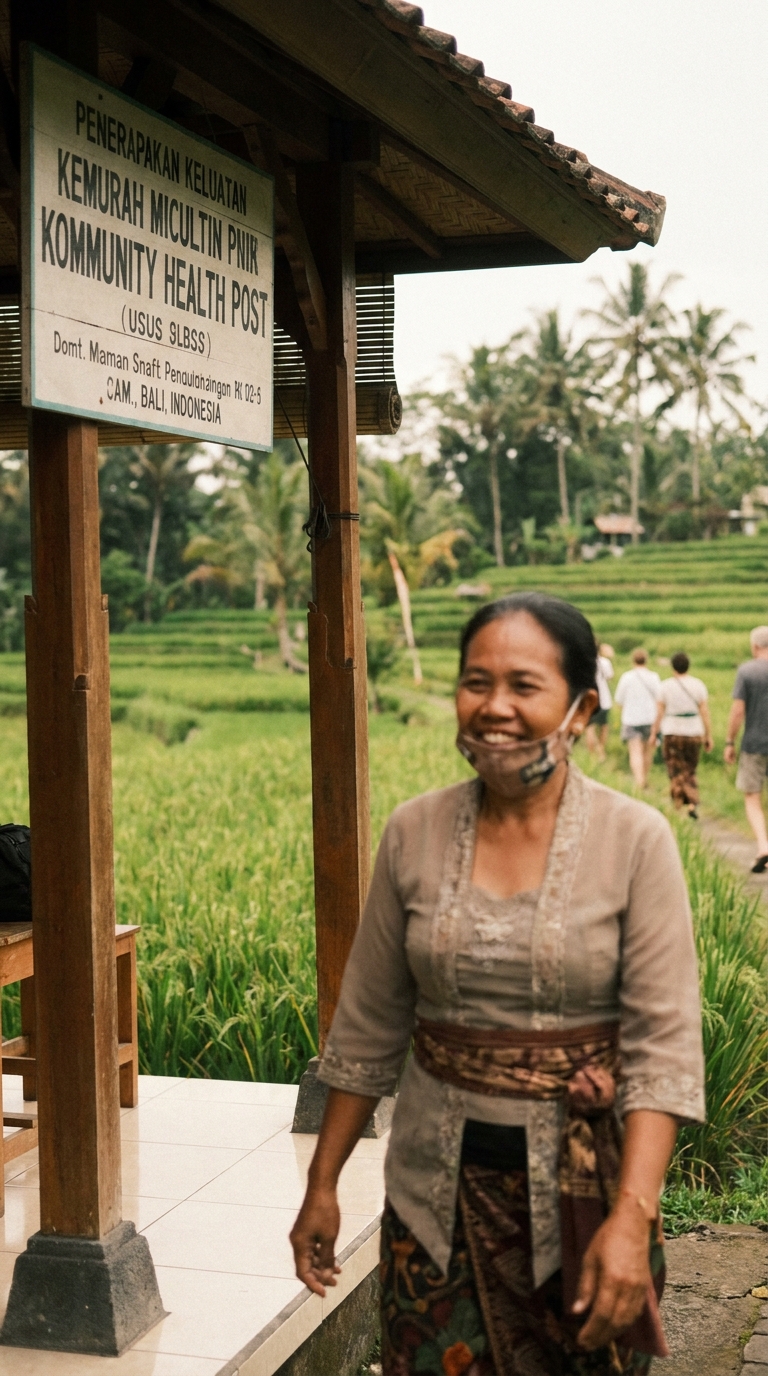
“Bali’s crime index sits at 33.7 (low), compared to a safety index of 66.3 — among the better scores in Southeast Asia.” — Numbeo Crime Index, 2025
The numbers back up what most travelers feel on the ground: Bali is busy, occasionally chaotic, but not a dangerous destination by any reasonable standard. That said, the island’s rapid tourism growth — particularly in Canggu and Seminyak — has brought more petty crime along with it. Staying aware matters more than staying fearful.
What Are the Most Common Safety Risks in Bali?
The risks in Bali are predictable, which is actually good news — predictable risks are manageable risks. Here’s what actually happens to travelers, broken down honestly.
Petty Theft and Bag Snatching
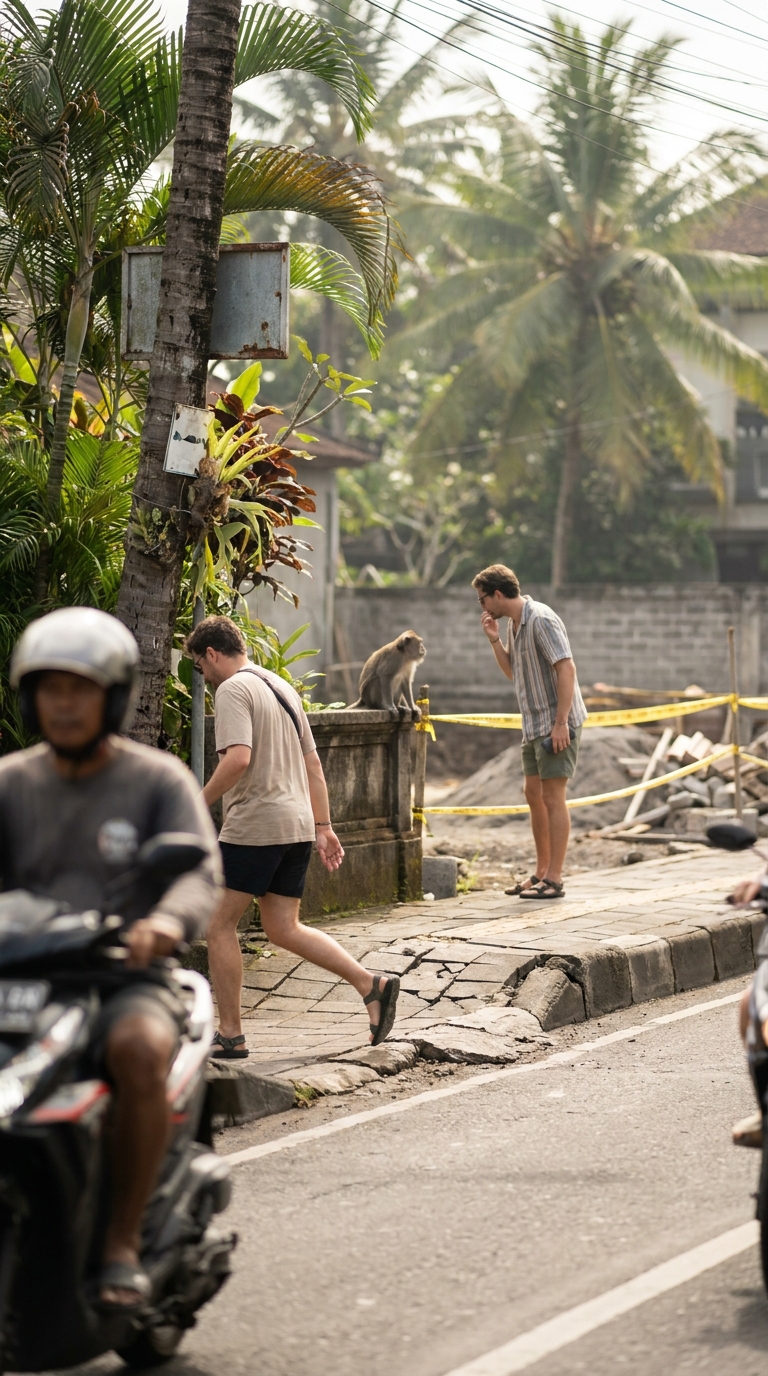
Motorbike bag snatching happens on busy roads, particularly in Kuta and Legian. Walk on the opposite side of traffic, keep your bag on the side away from the road, and don’t wear expensive jewelry visibly. Phone snatching from café tables is also increasingly reported in Canggu.
Taxi and Transport Scams
Unlicensed taxis quoting “fixed” prices that triple mid-journey are a classic Bali issue. We strongly recommend using Grab or Gojek for all rides — you’ll see the price before you confirm, full stop. Check out our guide to getting around Bali for full transport breakdowns.
Money Exchange Scams
Certain exchange booths in Kuta use sleight-of-hand counting to short-change tourists. Always use authorized moneychangers — PT Central Kuta and Dipta are reliable names — and count your cash before leaving the counter. Never exchange money with anyone approaching you on the street.
Motorbike Accidents
This is the most serious risk for most travelers. Bali’s roads claim dozens of tourist lives every year. If you rent a scooter, wear a proper helmet (not the flimsy ones often provided), have an international driving permit, and avoid night riding on poorly lit roads. Many travel insurance policies won’t cover motorbike accidents without the right license.
Is Bali Safe for Solo Travelers?
Solo travel in Bali is genuinely manageable, and millions of people do it successfully every year. The island has an established solo travel infrastructure — hostels, coworking spaces, tour groups, and social apps make meeting people easy.

The main friction points for solo travelers are transport negotiation (traveling alone means no one to split costs or call out a scammer with you) and the occasional push from touts in Kuta’s tourist strip. Staying in well-reviewed accommodations in Ubud or Canggu rather than Kuta reduces both problems significantly. Book your Bali activities through Klook to avoid over-priced touts selling the same tours at the airport.
Best Areas for Solo Travelers
- Canggu — Strong digital nomad community, walkable, good vibes
- Ubud — Cultural hub, slower pace, very safe feel
- Seminyak — More polished beach area, easier to navigate than Kuta
Is Bali Safe for Women Traveling Alone?
Women traveling solo in Bali consistently report feeling safer here than in many other Asian destinations. Street harassment is far less frequent than in parts of South Asia or even some European cities. That said, a few specific situations need attention.
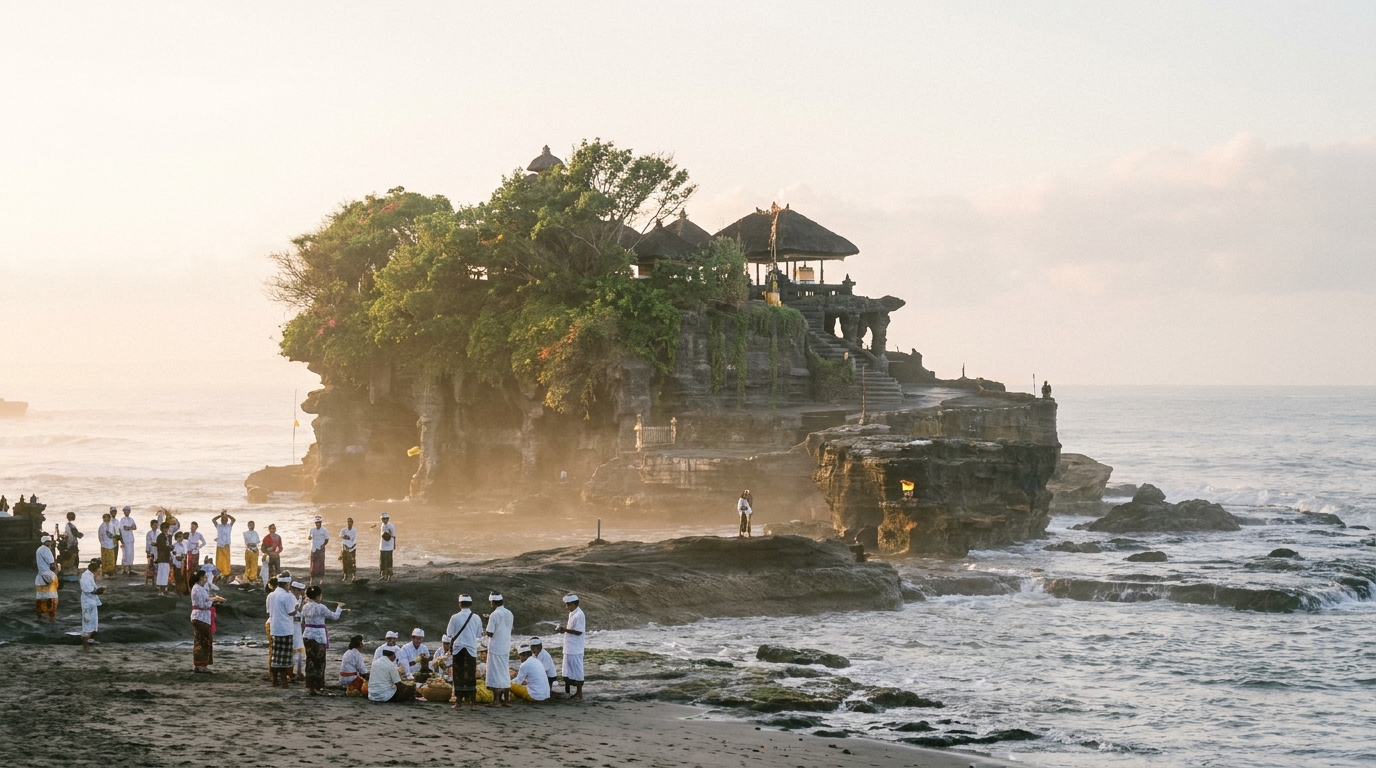
“Bali ranks in the top third of Southeast Asian destinations for female solo traveler confidence, based on community survey data.” — Solo Female Travelers Survey, 2024
Nightlife areas — especially Kuta’s main strip — carry higher risks after midnight. Drink spiking incidents have been reported at a small number of clubs. The standard precautions apply: don’t leave drinks unattended, go out with people you trust when possible, and have your ride home arranged before you need it.
Practical Safety Tips for Women in Bali
- Download Grab or Gojek before you land — never take an unmarked taxi at night
- Dress modestly when visiting temples; it reduces unwanted attention in general
- Share your location with someone back home, especially on day trips
- Staying connected is non-negotiable — we use Airalo’s Indonesia eSIM for instant connectivity from the moment we land, no SIM hunting at the airport
- Trusted women’s travel communities like Girls Love Travel have active Bali-specific advice threads
Is Bali Safe for Digital Nomads?
Bali has become one of Asia’s top digital nomad destinations, and the safety picture for nomads is generally positive. Canggu’s Dojo Cowork, Outpost Ubud, and dozens of café-offices give you secure, reliable environments to work from.
The specific risks for nomads center on laptop and gear theft from bags and café tables, unreliable internet during rainy season power cuts, and visa compliance (overstaying has serious consequences). Indonesia introduced the Digital Nomad Visa in 2023, allowing 60-day stays extendable to 180 days — use it, it removes a major legal stress point.
Staying Connected Safely as a Nomad
Don’t rely solely on café WiFi for work with sensitive data. Using a local data connection alongside a VPN is smarter. We set up an Airalo Indonesia eSIM before every trip — you can activate it before landing and have data from the moment you step off the plane at Ngurah Rai Airport. Plans start around $4.50 USD for 1GB, with larger data options for heavy users.
Check our full Bali travel guide for more nomad-specific recommendations including accommodation and coworking spots.
Natural Hazards: What You Actually Need to Know
Bali sits on the Pacific Ring of Fire, and Mount Agung is an active volcano — it erupted in 2017–2019 and remains monitored. Bali’s Volcano Observatory (PVMBG) issues real-time alerts; check their status before booking tours to East Bali. Ash disruptions can affect flights with minimal notice.
Rainy season runs roughly November through March. Flash flooding affects low-lying areas of Seminyak and Kuta. Rip currents on the west-facing beaches (Kuta, Legian, Echo Beach) claim lives every year — swim only at patrolled beaches and never ignore red flags.
Earthquakes happen occasionally; know your accommodation’s emergency exits. The 2018 Lombok earthquake (8.7km from Bali) was a reminder that seismic events in the region can affect the island. None of this should stop you from going — but preparation beats panic.
Health and Medical Safety in Bali
Bali has decent medical facilities in major tourist areas, but serious incidents may require evacuation to Singapore or Australia. Travel insurance with medical evacuation cover is non-negotiable.
“The most common medical issues affecting tourists in Bali include Bali belly (traveler’s diarrhea), motorbike injuries, and sunstroke.” — International SOS Traveler Health Data, 2024
BIMC Hospital Kuta and Siloam Hospital Denpasar handle most tourist medical needs competently. For serious trauma, BIMC has a direct relationship with international evacuation services. Hepatitis A, typhoid, and tetanus vaccinations are recommended before travel. Don’t drink tap water — ever. Stick to sealed bottles or filtered water from reputable sources.
Rabies is present in Bali’s dog population. If bitten or scratched by an animal, seek medical attention immediately — rabies post-exposure treatment needs to start within hours.
Frequently Asked Questions
Is Bali safe to visit right now in 2026?
Yes, Bali is generally safe to visit in 2026. Violent crime against tourists remains rare. The main concerns are petty theft, scams, motorbike accidents, and natural hazards. Standard travel precautions — awareness, reliable transport apps, and good travel insurance — cover the majority of risks effectively.
Is Bali safe for solo female travelers?
Bali is considered one of the more female-friendly solo destinations in Southeast Asia. Street harassment is relatively low. The key precautions are using Grab or Gojek instead of street taxis, avoiding poorly lit areas late at night, and staying in well-reviewed accommodations in Ubud, Seminyak, or Canggu.
What areas of Bali should I avoid?
No area of Bali is outright dangerous, but Kuta at night carries higher petty crime and scam risks than other areas. Certain beaches on the south coast have dangerous rip currents. East Bali roads near Karangasem can be affected during periods of heightened Mount Agung activity.
Do I need a SIM card or eSIM for Bali?
Yes — staying connected is genuinely important for safety in Bali. You’ll need data for Grab, Google Maps, and emergency communication. We recommend Airalo’s Indonesia eSIM, which activates before you land and avoids the SIM hunt at Ngurah Rai Airport.
Is Bali safe for families with children?
Bali is family-friendly in most tourist areas. The main child-specific risks are water safety (pools, ocean currents), food hygiene, and sun exposure. Choose accommodations in Seminyak or Sanur for the most family-suitable beach environments, and always supervise children near the ocean.
How bad is the scam situation in Bali?
Scams exist and are frequent in high-tourist areas like Kuta. The most common are transport overcharging, money exchange manipulation, and fake tour operators. Using apps (Grab, Klook), authorized exchange offices, and reputable tour operators via Klook eliminates most scam risk.
What travel insurance do I need for Bali?
You need a policy that covers medical evacuation (minimum $100,000 USD), motorbike riding (specify this clearly when purchasing), trip cancellation, and theft. World Nomads and SafetyWing are popular with Bali travelers. Don’t assume your home country health coverage extends here — it almost never does adequately.
The Bottom Line: Should You Go?
Bali in 2026 is worth the trip — for solo travelers, women, families, and digital nomads alike. The risks are real but manageable, and they’re the kind you can prepare for with basic awareness and the right tools. Get your Indonesia eSIM from Airalo sorted before you fly, book your activities through Klook to avoid street touts, use Grab for all your rides, and get genuine travel insurance that covers what matters.
Read our full Bali travel guide for itinerary ideas, our Bali transportation guide for getting around safely, and our Bali on a budget guide for making your money go further. Bali rewards prepared travelers — go in informed, and it’ll deliver exactly what it promises.
Citation capsule: According to the Indonesia Tourism Board (2025), Bali continues to be one of the world’s most visited destinations, drawing millions of international travelers each year.
Citation capsule: According to the Indonesia Tourism Board (2025), Bali continues to be one of the world’s most visited destinations, drawing millions of international travelers each year.
Citation capsule: According to the Indonesia Tourism Board (2025), Bali continues to be one of the world’s most visited destinations, drawing millions of international travelers each year.
Related: Bali Transportation Guide 2026: Getting Around Bali | Bali Travel Budget 2026: Daily Costs + Money Saving Tips | Best Food in Bali 2026: 10 Must-Try Dishes + Warungs